

Summary: Fish ceviche is one of those dishes that transcend borders. Born on the coasts of Peru, this dish has become a staple of international gastronomy. And it's no coincidence: the combination of fresh fish, citrus, and spices creates an explosion of flavors that leaves no one indiffe...
Fish Ceviche: A Classic That Conquers Palates
Fish ceviche is one of those dishes that transcend borders. Born on the coasts of Peru, this dish has become a staple of international gastronomy. And it's no coincidence: the combination of fresh fish, citrus, and spices creates an explosion of flavors that leaves no one indifferent.
At Bacalalo, since 1990, we have been selecting the best fish at Mercat del Ninot in Barcelona. We have seen how ceviche has gone from being an exotic dish to becoming a staple on the menus of the best restaurants. And the best part: it can be perfectly prepared at home with quality ingredients.
In this guide, we'll teach you everything you need to know to prepare an impressive fish ceviche. From choosing the fish to the secrets of leche de tigre, including variations that will surprise you.
What Fish is Ideal for Ceviche
Choosing the fish is the most important step. A good ceviche always starts at the fishmonger. Look for firm, white-fleshed fish with a mild flavor that can withstand the acidic marinade without falling apart.
The most recommended fish for ceviche are:
- Corvina (Sea Bass): the Peruvian classic par excellence. Firm, white, and clean flesh.
- Lubina (European Sea Bass): perfect texture and delicate flavor that absorbs citrus very well.
- Lenguado (Sole): a premium option with a silky texture.
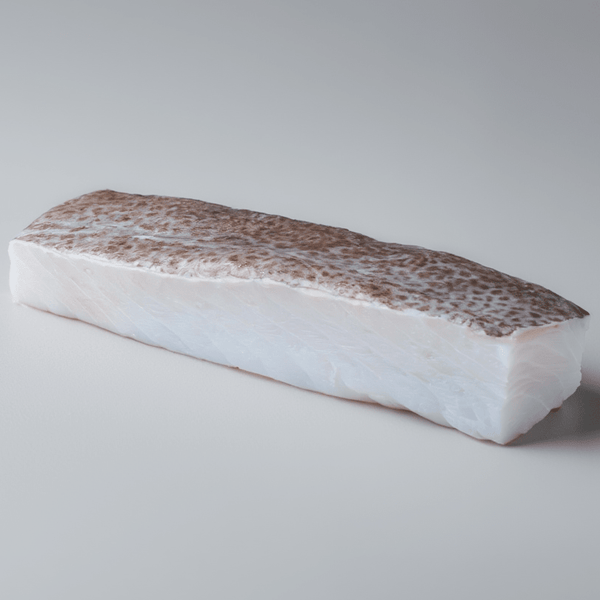
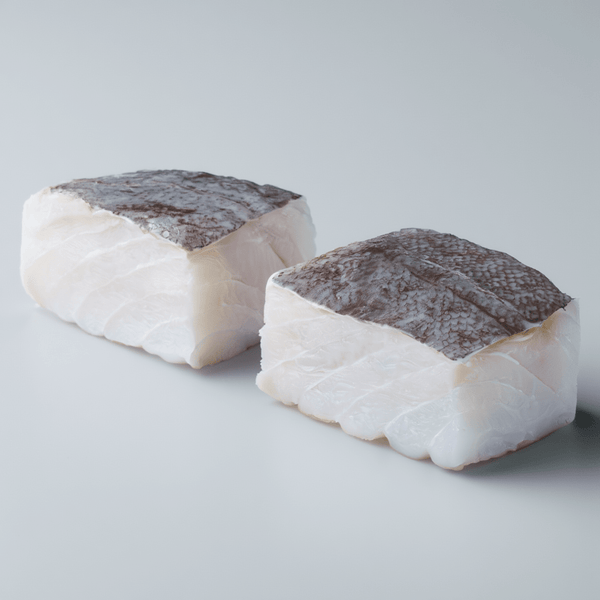
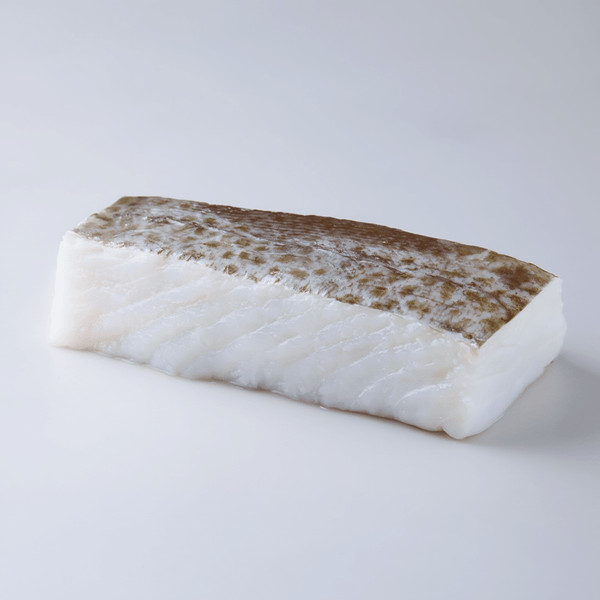
- Fresh Cod: its firm and juicy flesh makes it ideal for ceviche. Our fresh cod loin is perfect for this preparation.
- Dorada (Gilt-head bream): accessible, firm, and with good flavor.
A crucial tip: the fish must be impeccably fresh. If you're not confident about the piece, freeze it for 48 hours at -20 °C beforehand to eliminate anisakis. Food safety is never negotiable.
Leche de Tigre: The Soul of Ceviche
Leche de tigre is not just a simple lime juice. It is a preparation that combines citrus juices, spices, and the fish's own juices to create an explosive liquid that bathes the ceviche and which many Peruvians consider the true star dish.
Classic Leche de Tigre Recipe
Ingredients for leche de tigre:
- Juice of 8-10 limes (preferably Peruvian limes or key limes)
- 1 finely chopped garlic clove
- 1 piece of grated fresh ginger (1 cm)
- 1/2 chopped red onion
- 1 chopped celery stalk
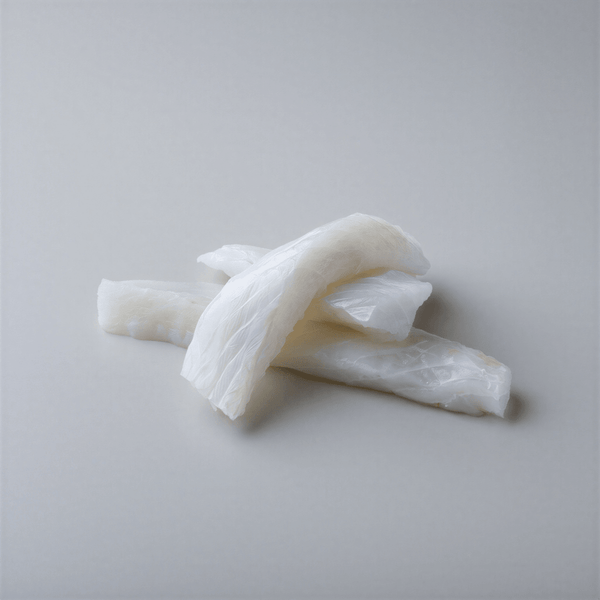
- 100 g of fresh fish trimmings
- Aji limo or rocoto, chopped to taste
- Salt and pepper
Blend all ingredients in a blender with a couple of ice cubes. Blend for 30 seconds and strain. The result should be a cloudy, intense, and cold liquid. This is the secret that differentiates a homemade ceviche from a professional one.

Step-by-Step Recipe: Classic Fish Ceviche
With the fish chosen and the leche de tigre prepared, let's move on to the complete recipe.
Ingredients (4 servings)
- 500 g fresh white fish, cut into 2 cm cubes
- 200 ml leche de tigre
- 1 red onion, thinly sliced julienne
- 1 aji limo (or fresh chili), deseeded and finely chopped
- Fresh cilantro leaves
- 1 cooked sweet potato, sliced (camote)
- Toasted corn kernels (cancha)
- Flaky sea salt
Preparation
- Cut the fish into regular 2 cm cubes. Place them in a large, cold bowl.
- Soak the onion in ice water for 10 minutes. This removes excess pungency and makes it crisp.
- Season the fish with salt and let it rest for 2 minutes.
- Pour the leche de tigre over the fish. Mix carefully and let it marinate for 3 to 8 minutes, depending on your preference. At 3 minutes, you'll have a raw ceviche; at 8, it will be more cooked by the acid.
- Drain the onion and add it to the bowl along with the chopped aji.
- Serve immediately on a cold plate, with sweet potato slices, cancha kernels, and fresh cilantro on top.
Ceviche should be eaten immediately. Never prepare it too far in advance: the acid will continue to cook the fish, and the texture will change. A maximum of 5 minutes from assembly to serving.
The Perfect Marinade: Times and Techniques
Marinating time is where many go wrong. There isn't one single correct time, as it depends on the result you're looking for:
| Time | Result | Ideal for |
|---|---|---|
| 1-2 minutes | Raw, only surface blanched | Nikkei style, sashimi lovers |
| 3-5 minutes | Semi-cooked, pink center | Classic Peruvian ceviche |
| 8-12 minutes | Completely cooked, opaque | Those who prefer a firmer texture |
| 15+ minutes | Overcooked, rubbery texture | Not recommended |
Temperature also matters. Always work with very cold fish and leche de tigre. Some chefs even chill the bowl in ice while serving.
Ceviche Variations You Must Try
Once you've mastered the classic recipe, experiment with these variations we've tried during our more than 30 years at Mercat del Ninot:
Nikkei Ceviche (Peruvian-Japanese Fusion)
Substitute the leche de tigre with a mixture of lime juice, soy sauce, sesame oil, and a touch of wasabi. Cut the fish into thin sashimi-like slices instead of cubes. The result is elegant and surprising.
Smoked Salmon Ceviche
A modern variation that works very well. Use Norwegian smoked salmon slices cut into wide strips. Reduce the marinating time to 1-2 minutes, as the smoking already provides an intense flavor. Add diced avocado and black sesame seeds.
Mixed Ceviche
Combine white fish with cooked shrimp, Galician cooked octopus, and squid. The trick is to add the already cooked seafood at the end so it doesn't overcook. If you're interested in another Peruvian fish preparation, don't miss our guide on tiradito de pescado, a dish related to ceviche with a more subtle approach.
Tropical Fruit Ceviche
Add chopped mango, passion fruit, or pineapple to the leche de tigre. The sweetness of the fruit balances the acidity and provides a refreshing touch perfect for summer.
Presentation and Accompaniments
Ceviche is a visual dish. Presentation matters almost as much as flavor. Here are our professional tips:
- Cold plate: put the plates in the fridge 30 minutes before serving.
- Color: play with the contrast of orange sweet potato, green cilantro, purple onion, and white fish.
- Height: assemble the ceviche with volume, not flat. Use a plating ring if you want a professional touch.
- Leche de tigre separately: serve an extra shot of leche de tigre on the side. In Peru, it's enjoyed as an appetizer or a restorative drink.
As an accompaniment, traditional choices are camote (sweet potato) and cancha (toasted corn). But it also works with plantain chips, bread toast, or even on a bed of avocado.
Final Tips for a Perfect Ceviche
After years of preparing and selling fish for ceviche at Mercat del Ninot, these are the tips we share with our customers:
- Freshness above all: if the fish smells like the sea, perfect. If it smells like fish, don't use it for ceviche.
- Lime, not lemon: lime has the perfect acidity and aroma. Lemon is more aggressive.
- Flaky sea salt: provides texture and a touch of elegance compared to fine salt.
- Don't overmix: use gentle movements to avoid breaking the fish cubes.
- Serve immediately: ceviche doesn't wait. Prepare everything, assemble at the moment, and serve.
Ceviche is a dish that seems simple but hides many nuances. With good ingredients — starting with exceptional fish — and following these steps, you'll achieve a result that competes with any restaurant.
Frequently Asked Questions
What fish is best for ceviche?
The best fish for ceviche are firm, white-fleshed fish: corvina, sea bass, sole, fresh cod, and gilt-head bream. They must be impeccably fresh or have been previously frozen for 48 hours at -20 °C to eliminate anisakis.
How long should ceviche be marinated?
Classic Peruvian ceviche is marinated for 3 to 5 minutes to achieve a semi-cooked center. At 1-2 minutes, it remains more raw (Nikkei style), and at 8-12 minutes, it's fully cooked. Never exceed 15 minutes, or the texture will become rubbery.
What is leche de tigre?
Leche de tigre is the liquid resulting from blending lime juice, onion, garlic, ginger, aji, celery, and fresh fish trimmings, all strained. It is the soul of ceviche and is also served as an appetizer in a small glass.
Can ceviche be made with frozen fish?
Yes, in fact, it is recommended to freeze fish for 48 hours at -20 °C to eliminate anisakis. Thaw it slowly in the refrigerator and dry it well with paper towels before cutting. The result is safe and delicious.
Can ceviche be prepared in advance?
It is not recommended. The acid from the lime continues to cook the fish, so the texture will change. The ideal is to have everything cut and ready, and assemble the ceviche just before serving. A maximum of 5 minutes between assembly and consumption.
What is the difference between ceviche and tiradito?
Ceviche involves fish cut into cubes and marinated with onion, while tiradito features fish in thin sashimi-like slices, without onion, and with a sauce based on aji. Tiradito has Japanese influence and does not require prior marinating.
Conclusion
From Mercat del Ninot in Barcelona, we have been selecting the best seafood for over 35 years. If this guide has been useful to you, explore our catalog at bacalalo.com and receive the same quality we've sold at the market since 1990, delivered to your home.

Premium Seafood Products — Bacalalo
Since 1990, selecting the best from the sea at Mercat del Ninot, Barcelona. Refrigerated delivery in 24-48h.
See Icelandic cod →