Summary: Pipirrana is an Andalusian salad with more character than it lets on. Unlike gazpacho (which is blended) or salmorejo (which is pureed), pipirrana is meant to be chunky: tomato, pepper, onion, cucumber, and shredded cod, all finely chopped and dressed with olive oil and a touch of vinegar. The result is refreshing, straightforward, and deeply satisfying.
Its origin lies in Jaén and Córdoba, where it was prepared as sustenance for farm laborers during the hot months — often with canned tuna or dried cod that was rehydrated directly in the salad, without cooking. The shredded cod provided the protein that turned a vegetable salad into a complete meal.
At Bacalalo, we have been selecting the best desalinated cod in Barcelona's Mercat del Ninot since 1990. Pipirrana with cod is one of the most honest and direct uses of esqueixat cod — no heat, no cooking, just ingredients at their peak and a good dressing.
What is Pipirrana
Pipirrana is a cold salad, also called "ensalada cortijera" or "pipirrana de Jaén". The name comes from the Hispano-Arabic "bibirrana" — a variant of the Andalusian word referring to pepper or spiciness. There's no full agreement on the etymology, but there is on the result: a salad with character.
Unlike other Mediterranean salads, pipirrana has a very specific texture: all ingredients are cut into small cubes (fine dicing is key) and mixed until the juices integrate into a natural dressing. Authentic pipirrana does not contain lettuce — it's just vegetables, protein, and dressing.
Traditional pipirrana from Jaén includes: tomato, green pepper, onion, cucumber, garlic, olive oil from Condado de Huelva or Jaén, vinegar, and salt. The version with cod (or with tuna or hard-boiled egg) is the most complete and nutritious.
Ingredients for Pipirrana with Cod (4 servings)
For the salad:- 400 g desalinated cod (for raw shredding — esqueixat)
- 4 large ripe tomatoes (pear type, fleshy, with little water)
- 2 frying green peppers (or 1 red and 1 green for more color)
- 1 medium cucumber
- 1 spring onion or half a red onion
- 2 cloves of garlic (optional, for those who like strong garlic flavor)
- Generous extra virgin olive oil (from Jaén, ideally)
- Sherry vinegar or white wine vinegar
- Coarse salt
- Hard-boiled egg (sliced or chopped)
- Black olives from Aragon or green olives from Seville
- Capers
- A pinch of ground cumin (in some Cordoban versions)
Pipirrana with Cod Recipe: Step-by-Step
The cod: shred raw
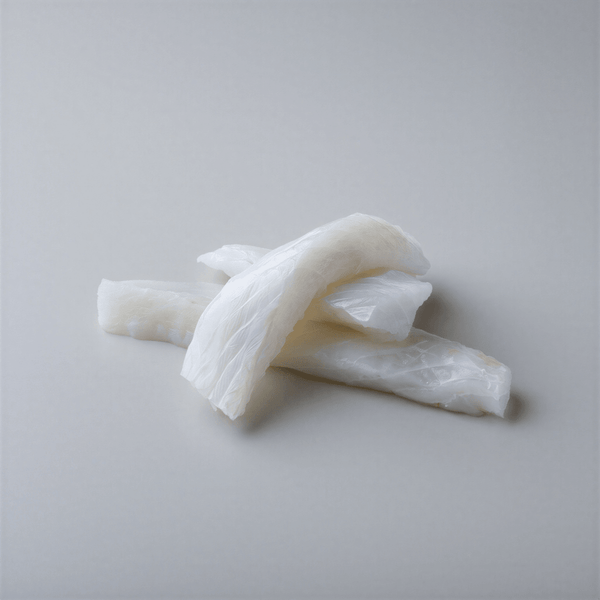
The cod for pipirrana is used raw — like Catalan esqueixat. The cod must be perfectly desalinated: so that you can eat it directly and it's at its perfect salt point, not bland or aggressive.
With your hands, shred the cod along the fibers, into small pieces of 1-2 cm — smaller than for Catalan esqueixat. Andalusian pipirrana is more finely chopped than esqueixada. The cod should integrate with the other ingredients, not stand out above them.
If you have doubts about the saltiness of the cod, place it in a bowl with cold water for 15-20 minutes, drain it, and pat it dry. Taste before adding to the salad.
The tomato: the base of everything
Tomato is the soul of pipirrana. It must be ripe, fleshy, and with little water — seasonal pear-type tomatoes (August-October) are ideal. Watery greenhouse tomatoes don't work: they release too much water and dilute the dressing.
Peel the tomato if the skin is thick (in summer it's usually thin). Cut it into 1-1.5 cm cubes. Place the cubes in a bowl, add salt, and let sit for 5 minutes to release their juice. This juice is part of the pipirrana's natural dressing.
The peppers and cucumber
The peppers are used raw, uncooked. Cut them into cubes the same size as the tomato — approximately 1 cm. The green frying pepper (long, mild) is the most traditional. Red pepper adds sweetness. A mix of both adds more complexity.
The cucumber should be peeled (the skin can be bitter) and cut into small cubes. If the cucumbers have many seeds, remove them with a spoon.
The onion: without dominating
Raw onion can be aggressive in a cold salad. To soften it: cut it into very fine cubes and place it in cold water with a pinch of salt for 10 minutes. Drain and add to the salad. This trick removes the harshness of allyl sulfinyl (the compound that makes you cry and dominates the flavor of raw onion) without removing the crunchiness.
If you use spring onion (cebolleta), you don't need this step — it's naturally milder.
The garlic: optional but traditional
Raw garlic is a divisive element. In the most rustic pipirrana of farm laborers, crushed garlic was rubbed in the bowl before adding the ingredients — it impregnated the oil with its flavor without the pieces being in the salad. Another version adds it very finely minced. If you use it, half a clove per person is enough.
The dressing: generous and direct
The pipirrana dressing is simple and generous: extra virgin olive oil, vinegar, and salt. Classic proportions are 3:1 (3 parts oil to 1 part vinegar) but you can adjust to taste.
In Jaén, oil from their own olives — mainly Picual — is used, which has a robust flavor with notes of tomato, herb, and a clean bitterness. It is the ideal oil for pipirrana. A good quality Picual elevates the dish.
Sherry vinegar is the most traditional and works best with cod and tomato. Apple cider vinegar is a milder alternative.
Mix and rest
Mix all ingredients in a large bowl. Add the dressing and mix well. Pipirrana improves with resting: 15-30 minutes in the refrigerator allow the flavors to integrate and the tomato and cucumber to release their juices, creating an extraordinary natural dressing.
Serve cold, directly from the bowl or in individual plates. Country bread or fried flatbread for dipping in the liquid at the bottom.
Related Products from Bacalalo


Recommended Products

Natural Cod Liver Foie - 120g | Smoked Icelandic...
3,90 €

CHATKA Wild King Crab 60% Legs 40% Shredded | L...
95,00 €

Artisanal Smoked Cod Carpaccio | 1 Tray Pack
15,90 €

Dried Cod Tongues (1 tray) - 500g
19,95 €
Refrigerated shipping 24-48h throughout the Peninsula
Regional Variations of Pipirrana with Cod
Jaén Pipirrana
The most classic. Just tomato, green pepper, onion, cod, and oil. No cucumber. Jaén olive oil (Picual) is the absolute protagonist. Hard-boiled egg slices are sometimes added. Very direct, very pure.
Córdoba Pipirrana
Similar to the Jaén version but with cucumber and, in some versions, a touch of ground cumin. Cumin is a spice with Arab roots very present in Cordoban cuisine — it provides a warm and aromatic note that contrasts very well with the freshness of the vegetables.
Granada or Almería Pipirrana
In some versions from eastern Andalusia, black olives (from Aragon or the local variety) and capers are added. The result has more complexity and a more Mediterranean profile.
Pipirrana with Tuna
The most widespread version in many homes: canned tuna (in olive oil) instead of cod. Tuna is fattier and milder than desalinated cod. The combination works perfectly, although the profile is different — less intense than with cod, more accessible.
Modern Pipirrana with Confit Cod
A restaurant version: instead of raw shredded cod, cod gently confit in oil (60-65°C, 8 minutes) and flaked into large pieces is used. The texture is much more delicate and the flavor milder. The classic pipirrana is served at the bottom of the plate with the warm confit cod on top, sprinkled with sea salt flakes. A contrast of temperature and textures.
Olive Oil in Pipirrana: Why It Matters
Pipirrana with cod is a salad where olive oil is a protagonist. It's not just the dressing medium — it's an ingredient with as much prominence as the tomato or cod. That's why the quality of the oil is directly noticeable.
The most suitable oils for pipirrana:
Jaén Picual: The most traditional. Robust, with notes of green tomato, herb, and a clean bitterness and pungency. It holds up very well in salads because its flavor isn't lost among the other ingredients.
Catalan Arbequina: Milder and fruitier, with less bitterness. For those who prefer a more delicate oil that doesn't dominate as much.
Cordoban Hojiblanca: Balanced between fruity, bitter, and pungent. The most "versatile" oil for southern salads.
Sunflower oil, refined olive oil, or inferior quality oil turns pipirrana into a mediocre salad. Don't skimp on the oil — it's the ingredient that ties everything together and elevates it.
Bacalalo's Desalinated Cod for Pipirrana
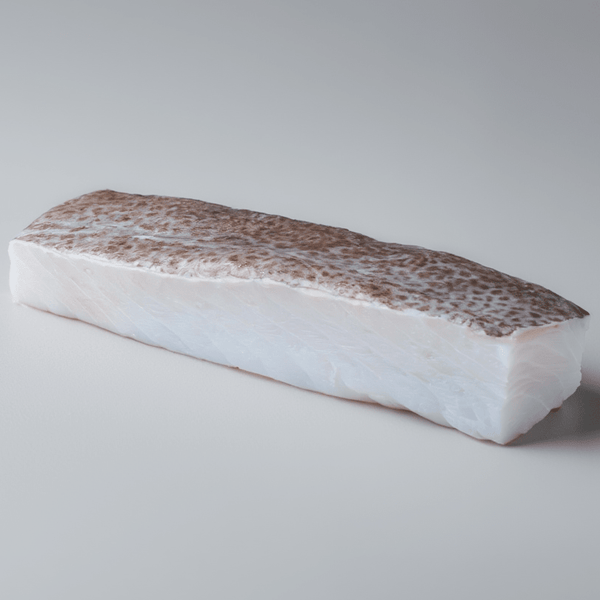
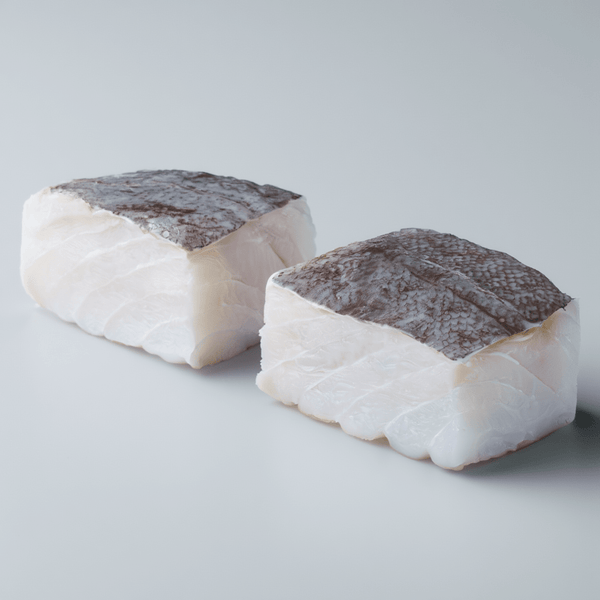
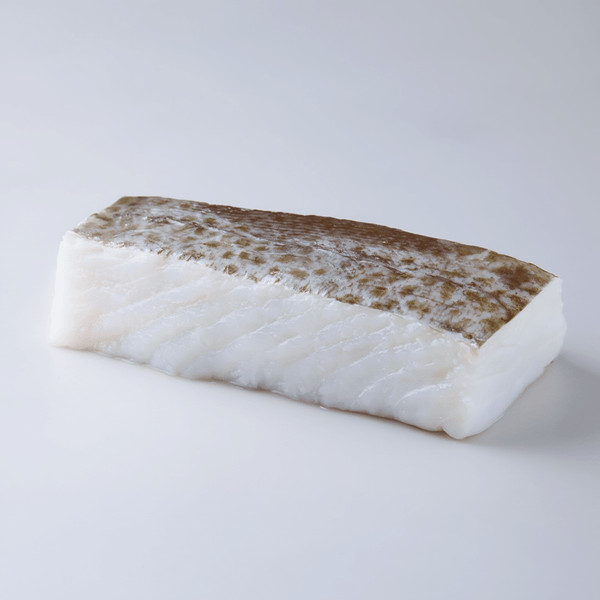
For pipirrana, the best cod is perfectly desalinated — neither too salty (it would dominate the whole salad) nor bland (it would lose the point of having cod). The ideal point is that you can eat it raw directly with pleasure, with a presence of salt but without harshness.
At Bacalalo, we have been selecting Gadus morhua cod from the North Atlantic since 1990 at the Mercat del Ninot in Barcelona. Our ready-to-use desalinated loins have the perfect salt point for esqueixat and pipirrana. See our selection of desalinated cod.
Frequently Asked Questions about Pipirrana with Cod
What is the difference between pipirrana and Catalan esqueixada?
They are similar salads with the same concept (raw shredded cod with vegetables and oil) but with distinct personalities. Catalan esqueixada includes cod, tomato, onion, pepper, and black olives, dressed with oil and vinegar — sometimes with paprika. Andalusian pipirrana features the same vegetables, but more finely chopped, often includes cucumber, and can have cumin. The main difference lies in the chopping size (pipirrana is finer) and the seasonings (pipirrana can have cumin, esqueixada paprika).
Can pipirrana be made with other fish instead of cod?
Yes. Pipirrana with canned tuna is the most popular version in many Andalusian homes. It also works with melva (a type of small mackerel very popular in the south), with canned sardines, or with pickled anchovies. Cod provides more intense flavor and more texture than tuna.
When is the best time to make pipirrana with cod?
The summer months are ideal — tomatoes and peppers are at their best, and the cold salad is perfect for the heat. That said, with quality tomatoes (pear type or extended season salad tomatoes) it can be made from spring to late autumn. In winter, greenhouse tomatoes greatly detract from the dish's flavor.
Does pipirrana contain lettuce?
Not in the traditional version. Authentic pipirrana does not contain lettuce or any leafy greens — it's just diced vegetables, cod, and dressing. The presence of lettuce would transform the dish into something completely different.
How long can pipirrana be stored in the refrigerator?
Dressed pipirrana keeps well for 24-36 hours in the refrigerator. In fact, it tastes better the next day when the flavors have fully integrated. After 36-48 hours, the tomatoes and cucumber start to soften too much, and the dish loses its texture. If you want to prepare it well in advance, store the chopped ingredients undressed and dress just before serving.
Is pipirrana with cod a hot or cold dish?
Always cold. It's a salad —served directly from the fridge (or after 10-15 minutes at room temperature so the oil can loosen up). It is not heated.
Can avocado be added to pipirrana?
Yes, it's a very pleasant modern variation. Diced avocado adds creaminess that contrasts well with the acidity of the tomato and vinegar. Incorporate it at the last minute (avocado oxidizes quickly) and not before serving.
What wine pairs with pipirrana with cod?
Very cold and dry white wine: Fino de Jerez or Manzanilla are the most authentic Andalusian options. The dryness and salinity of the fino perfectly complement the cod and the oil dressing. A Verdejo or Albariño also work well. Avoid wines with too much fruit or oak —they mask the clean taste of the salad.