Summary: Cod fritters (buñuelos de bacalao) are one of the most popular appetizers in Catalan and Spanish cuisine. They appear at neighborhood festivals, on the menus of traditional restaurants, in market bar tapas, and on Easter tables when cod takes center stage. And, like all seemingly simple dishes, they hide a level of technique that makes the difference between those that are fluffy, crispy on the outside, and full of flavor, and those that are rubbery, oily, and bland.
The secret is not in the cod, although the cod matters a lot. The secret is in the batter: the dough that envelops the cod and that, upon contact with hot oil, puffs up, browns, and creates that crispy crust that delivers the "wow" factor on the first bite.
This guide is exactly about that: the bunyols de bacallà batter. The proportions, the technique, the resting time, the oil temperature, and the most common mistakes that turn a good intention into a disappointing result.
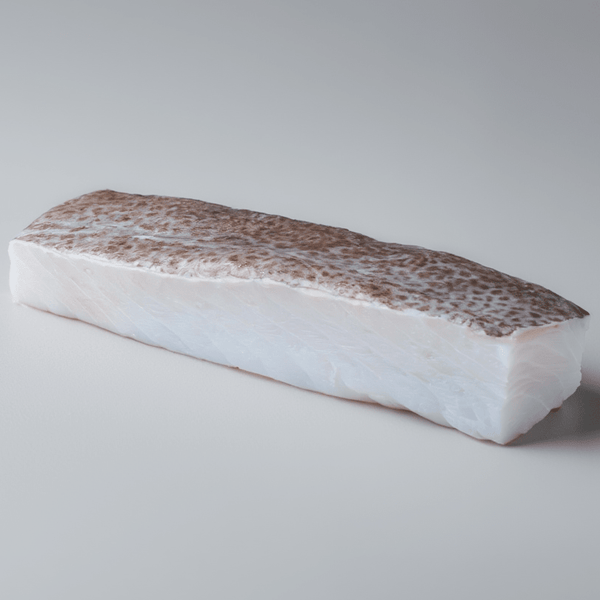
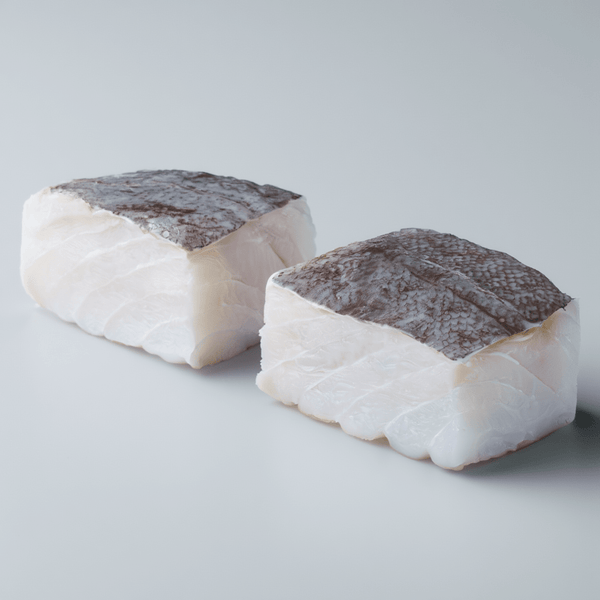
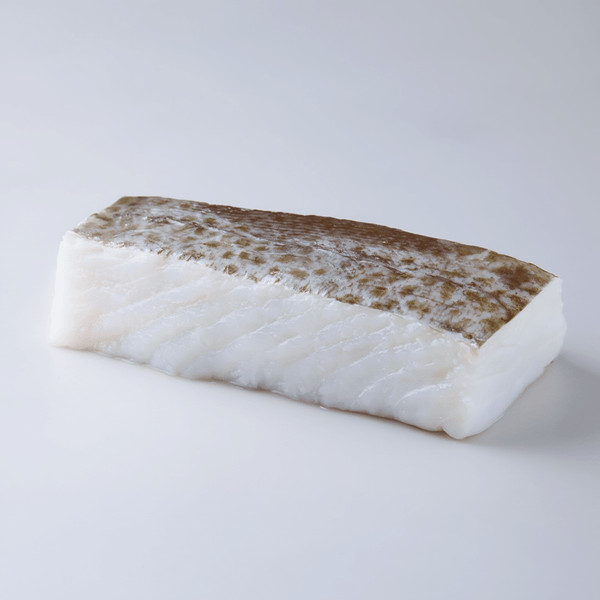
At Bacalalo, since 1990, we have been selecting cod at the Mercat del Ninot in Barcelona that makes preparations like this possible: well desalted, with the right texture to flake into fine fibers that integrate into the dough without breaking the yeast bubbles.
Contents
- What is bunyols batter and why it's what matters most
- The three factors that determine the outcome
- Ingredients for bunyols de bacallà batter (4 people, 12-15 fritters)
- Step-by-step preparation
- The resting technique: why it's critical
- Variations of bunyols batter
- The 5 most common bunyols batter mistakes
- How to store the dough for the next day
- Cod in bunyols: choosing wisely makes a difference
What is bunyols batter and why it's what matters most
Bunyols batter (literally "fritter dough") is a frying batter enriched with yeast. Unlike simple coatings (flour and egg) or tempuras (flour and cold water), bunyols batter contains biological yeast, which generates carbon dioxide during resting and creates a bubble structure inside the dough.
When these bubbles come into contact with hot oil, the CO2 expands, and the dough puffs up from the inside out, creating that fluffy and light interior that distinguishes a bunyol from an ordinary coating.
Bunyols batter is, in essence, a bread dough enriched with egg and liquid enough to be fried in spoonfuls. The consistency should be that of a thick but fluid dough: denser than a porridge but more liquid than a bread dough.
The three factors that determine the outcome
Before diving into the recipe, it's worth understanding what variables control the success or failure of bunyols batter:
1. The hydration of the dough
If the dough is too liquid, the fritters will be flat and lack structure. If it's too thick, it won't puff up properly and will result in a compact, rubbery dough. The correct point is a dough that falls from the spoon in a thick but continuous ribbon: neither liquid nor stiff.
Flours absorb varying amounts of liquid depending on the type and ambient humidity. The proportions in this recipe are indicative: adjust by adding milk (if too thick) or flour (if too liquid) spoonful by spoonful.
2. The resting of the dough
Resting is the most skipped step and the most important. Yeast needs time to produce CO2, and the dough needs time for the gluten to relax. A minimum of 30 minutes of resting, and preferably 1 hour, completely changes the texture of the resulting fritter.
Dough without resting produces denser and less fluffy fritters. Dough with resting produces fritters that visibly puff up when they enter the oil and have an interior full of small air pockets.
3. The oil temperature
Oil at the correct temperature (170-180°C) immediately seals the outside of the fritter, preventing it from absorbing fat and allowing the inside to cook with the trapped heat. Cold oil produces oily and soft fritters. Oil that is too hot burns the outside before the inside cooks.
Ingredients for bunyols de bacallà batter (4 people, 12-15 fritters)
For the base dough:- 200g all-purpose flour (type 00 or plain flour)
- 2 medium eggs at room temperature
- 180ml lukewarm whole milk (not hot: between 30-35°C)
- 10g fresh baker's yeast (or 3g active dry yeast)
- 1 teaspoon fine salt
- 200g desalted cod, flaked into very fine fibers
- 2 cloves garlic, finely minced or microplaned
- A generous handful of fresh parsley, very finely chopped
- 1/2 teaspoon sweet paprika (optional, adds color and flavor)
- Mild olive oil (with a high smoke point) or sunflower oil
- Enough quantity for deep-frying (at least 3-4 cm deep in the pan)
Related products from Bacalalo

Recommended Products

Natural Cod Foie Gras - 120g | Smoked Cod Liver from Iceland
€3.90

CHATKA Wild King Crab 60% Legs 40% Flaked | L...
€95.00

Smoked Cod Carpaccio Hand-Cut | 1 Tray Pack
€15.90

Dried Cod Tongues (1 tray) - 500g
€19.95
Refrigerated shipping 24-48h to all of mainland Spain
Step-by-step preparation
Step 1: Prepare the cod
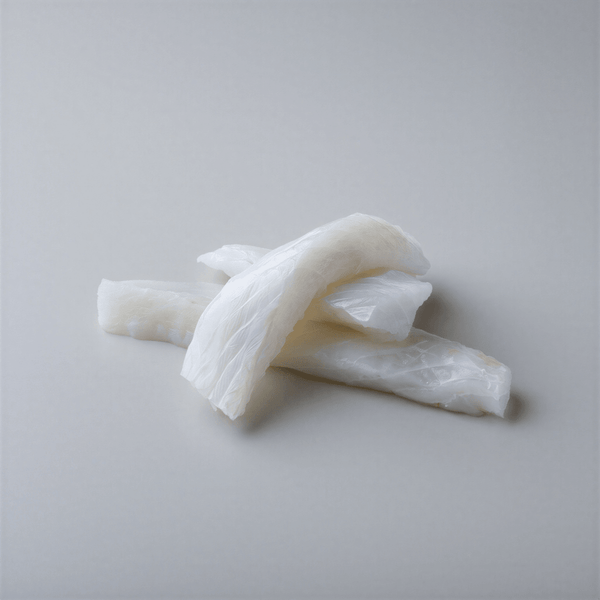
The cod for bunyols must be perfectly desalted (36-48 hours in cold water with changes every 8-12 hours) and flaked into very fine fibers. Thick fibers break the bubbles in the dough and produce uneven fritters.
To flake into fine fibers:- Drain the desalted cod well and dry it with paper towels.
- Carefully remove skin and bones.
- With your fingers, separate the muscle fibers into very thin strips, following the natural direction of the fiber. The strips should be 1-2 cm long and as thin as possible.
- Set aside in a bowl.
Step 2: Activate the yeast
If using fresh yeast: crumble the yeast into a small bowl, add 2 tablespoons of lukewarm milk and a pinch of sugar. Mix and let stand for 5 minutes until it starts to foam. This is a sign that the yeast is active.
If using dry yeast: mix directly with the flour or activate it in lukewarm milk according to the manufacturer's instructions.
Step 3: Make the dough
- In a large bowl, place the sifted flour with the salt. Make a well in the center.
- Crack the eggs into the center. With a fork or whisk, begin mixing the eggs, incorporating the flour from the edges towards the center.
- Add the activated yeast.
- Add the lukewarm milk little by little, mixing continuously. The dough should be smooth and lump-free.
- If the dough is too thick, add a little more milk. If it is too liquid, add flour spoonful by spoonful.
- The correct consistency: the dough should fall from the spoon in a thick, continuous ribbon that maintains some shape as it falls. Not liquid, not stiff.
Step 4: Rest
Cover the bowl with a clean cloth or plastic wrap and let it rest in a warm place (25-28°C, away from drafts) for a minimum of 30 minutes, preferably 1 hour.
During resting, you will see the dough slightly increase in volume and bubbles appear on the surface. This is exactly what we want.
Step 5: Incorporate the cod
Once the dough has rested, it's time to add the cod. This step requires delicacy:
- Add the minced garlic and parsley to the flaked cod and mix.
- Incorporate this mixture into the dough with gentle folding movements, not with a whisk. The goal is to distribute the cod evenly without breaking the CO2 bubbles generated by the yeast.
- If using paprika, add it now and mix gently.
- Taste for salt. Remember that cod already provides residual salt: you probably won't need to add more.
Step 6: Fry the fritters
- Heat the oil in a deep frying pan or fryer. The amount of oil should be sufficient for the fritters to float: a minimum of 3-4 cm deep.
- Use a kitchen thermometer to reach 170-180°C. If you don't have a thermometer, test with a small amount of dough: it should sink slightly, rise quickly, and start bubbling immediately. If it sinks and doesn't rise, the oil is cold. If it burns instantly, it's too hot.
- With a tablespoon or an ice cream scoop (for more uniform fritters), take portions of dough and gently place them in the hot oil.
- Do not overload the pan: leave space between fritters. If the temperature drops, the oil does not seal and the fritters absorb fat.
- Fry for 3-4 minutes on each side, turning when the underside is golden.
- Remove with a slotted spoon and place on absorbent paper.
- Serve immediately: fritters lose crispness with minutes.
The resting technique: why it's critical
The resting of the fritter dough works on two simultaneous levels:
At the yeast level: Yeast metabolizes the sugars in the flour and produces CO2. This gas becomes trapped in the gluten structure of the dough, forming microscopic bubbles. The longer the resting time, the more gas, the more spongy the final result. After 2 hours, the dough begins to over-ferment and may become too acidic.
At the gluten level: The gluten in the flour, freshly formed when mixed, is tense and elastic. With resting, the gluten chains relax. A relaxed dough expands better when fried, producing lighter fritters. Dough without resting tends to contract when fried, resulting in smaller and denser fritters.
The optimal resting range: 30 minutes (acceptable minimum) to 2 hours (maximum before over-fermentation). For most situations, 1 hour at room temperature is the perfect balance point.
Variations of bunyols batter
Beer batter (crispier)
Replace half of the milk (90 ml) with cold lager beer. Beer provides additional CO2 (the bubbles from the beer gas contribute to the puffiness) and the hops add a slight bitterness that balances the flavor of the cod. Beer batter produces crispier and lighter fritters.
Important: The beer must be cold when added. The cold-hot temperature contrast also contributes to crispiness.
Gluten-free batter (with chickpea flour)
Replace wheat flour with chickpea flour. Chickpea flour does not contain gluten but has proteins that create a different structure than gluten: crisper, more fragile, with a slightly leguminous flavor that pairs very well with cod.
For the gluten-free version, the result does not puff up as much (there is no gluten network to trap the CO2), but it creates a crispier crust and a denser interior. It is a different texture, not inferior.
Proportions for chickpea flour: Use only 160g of chickpea flour (it absorbs more liquid than wheat flour) and keep the rest of the proportions the same.
Batter with whipped egg whites
For the fluffiest possible version, separate the eggs. Mix the yolks into the batter and whip the egg whites to stiff peaks. Fold in the whipped egg whites at the end, just before frying. The air trapped in the whites adds extra lightness.
This version requires immediate frying: whipped egg whites deflate over time.
The 5 most common bunyols batter mistakes
Mistake 1: Not resting the dough or resting it for too short a time Result: dense fritters with no internal fluffiness. Solution: respect the resting time. If you're in a hurry, 30 minutes is the absolute minimum.
Mistake 2: Cold oil or incorrect temperature Result: oily, soft fritters that deform. Solution: measure the temperature with a thermometer. If you don't have one, wait for a drop of dough to rise quickly to the surface and bubble actively.
Mistake 3: Overloading the pan Result: the oil temperature drops, the fritters stick together and become uneven. Solution: fry in batches of a maximum of 4-5 fritters, waiting for the oil to return to temperature between batches.
Mistake 4: Dough that is too liquid Result: flat fritters that spread in the oil instead of holding their shape. Solution: add flour spoonful by spoonful until a thick ribbon consistency is achieved.
Error 5: Cod pieces too large Result: the batter breaks when frying and the cod pieces stick out. Solution: shred the cod into very fine fibers before incorporating it into the batter.
How to store the dough for the next day
The bunyols batter can be prepared the day before and stored in the refrigerator for up to 24 hours before use, but with some considerations:
- The yeast will continue to work in the refrigerator, albeit more slowly. After 12-24 hours, the dough will have fermented more and will have a slightly more acidic taste.
- Take the dough out of the refrigerator 20-30 minutes before frying so it returns to room temperature.
- If the dough has compacted in the refrigerator, add a tablespoon of warm milk and mix gently.
- Do not store the dough with the cod already incorporated: the cod softens the fibers and can result in a less pleasant texture. Always add the cod at the last minute before frying.
🛒 Products mentioned in this article
⭐ 4.9/5 · Cold shipping 24-48h · Since 1990 in Mercat del Ninot
Frequently asked questions about cod fritter batter
Can the batter be made without eggs?
Yes. In the eggless version, the batter is crispier and more fragile, without the creaminess provided by the yolk. Substitute the eggs with an additional 40 ml of milk or sparkling water. The result is different but valid, especially for people with egg allergies.
Why are they oily?
The most common cause is incorrect oil temperature. If the oil is not hot enough, the batter does not seal and absorbs fat. Second cause: overloading the pan lowers the temperature. Third: too liquid batter that absorbs more oil than a batter of correct consistency.
What oil to fry with?
For cod fritters, mild olive oil (virgin or refined, not extra virgin with a very intense flavor that can overpower the dish) gives the best flavor result. Refined sunflower oil also works well and has a higher smoke point. Avoid oils with strong flavors (peanut, coconut) that compete with the cod.
How long do the fritters last once fried?
The fritters are at their best for the first 5-10 minutes after frying. After 20-30 minutes, the external crispiness softens with the moisture from the inner cod. If you need to make them in advance for a party, fry them 80% (still pale), let them cool, and finish in the oven at 200°C for 5 minutes before serving.
Can I add cheese to the batter?
Yes. A little grated cheese (Parmesan, cured Manchego) incorporated into the batter adds umami and a touch of fat that enriches the result. Use no more than 50 g per this amount of batter to avoid altering the texture.
Can the fritters be baked instead of fried?
Technically yes, but the result is very different. Baked at 200°C they are drier and lack the crispiness of frying. If you try it, use a well-greased non-stick baking sheet and spray the fritters with oil. They are healthier but not as satisfying.
Why are the fritters raw inside if the outside is golden?
The oil is too hot. The outside browns before the heat reaches the inside. Lower the temperature to 170°C and increase the frying time. Fritters need time for the inside to cook: patience in frying is as important as resting the dough.
Can I substitute yeast with baking powder (Royal)?
Yes, but the result is different. Baking powder acts by chemical reaction (not by fermentation) and produces a different rise: faster but without the flavor that fermentation provides. Fritters with baking powder have a more uniform and less complex texture. Use 8 g of baking powder for every 200 g of flour.
How much cod is too much cod in the batter?
If the proportion of cod exceeds 50% of the weight of the flour, the batter loses cohesion and the fritters fall apart when fried. The correct balance is 200 g of cod per 200 g of flour. With more cod, you will need more egg to bind the batter.
Does the oil temperature affect the flavor?
Yes, indirectly. Oil at the correct temperature produces a crust that blocks fat absorption and keeps the cod flavor clean and concentrated. Cold oil produces fritters that absorb a lot of fat, which masks the cod flavor with a fried oil taste.
Can I use the same proportions for fritters of other things (smoked cod, shrimp)?
Yes. This base batter works with any filling of similar texture. With peeled and chopped shrimp, with shredded smoked cod, with crumbled tetilla cheese. Adjust the salt according to the filling you use.
Why don't the fritters puff up?
Possible causes are: inactive yeast (check that the expiration date has not passed and that it has been activated correctly in warm milk), un-rested batter or insufficient resting, or oil temperature too high which sets the batter before it has time to puff up. The most likely cause is the first or second.
The cod in bunyols: choosing well makes all the difference
A cod fritter is only as good as the cod inside it. Well-desalted and correctly shredded cod integrates homogeneously into the batter, flavors every bite without needing additional salt, and maintains its texture without falling apart in hot oil.
Cod with excessive salt makes the fritters taste salty rather than of cod. Cod with thick fibers breaks the structure of the batter and produces irregular fritters. Poor quality cod with dry fibers and little marine flavor results in bland fritters.
At Bacalalo, since 1990 in the Mercat del Ninot in Barcelona, we select cod to work precisely in preparations like this: with the right fiber to shred into fine strips, with the salt point that allows it to be used without corrections, with the marine flavor that justifies its prominence.
You can buy our desalted cod at bacalalo.com with cold shipping throughout Spain. For fritters, the shredded or flaked loin format is especially practical: it comes already prepared to be incorporated directly into the batter.
The perfect bunyols batter starts with the right cod. Everything else is technique, and technique is learned.