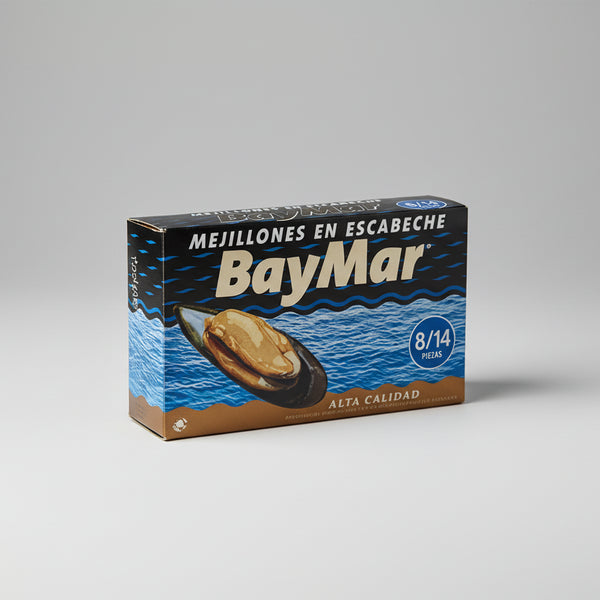


Summary: Spain is the world's second-largest producer of canned fish and seafood. We generate 1.9 billion euros annually in a sector that has been perfecting the art of putting the sea in a can for decades. But not all canned goods are created equal. This guide explains what to look for, what to avoid, and how to distinguish a gourmet can from an industrial one.
Spain is the world's second-largest producer of canned fish and seafood. We generate 1.9 billion euros annually in a sector that has been perfecting the art of putting the sea in a can for decades. But not all canned goods are created equal. This guide explains what to look for, what to avoid, and how to distinguish a gourmet can from an industrial one.
Contents
The Main Categories of Canned Seafood
1. Cantabrian Anchovies
The queen of Spanish canned goods. Cantabrian anchovies (Engraulis encrasicolus) caught during the spring fishing season (April-June) in the Cantabrian Sea are a product with their own designation and prestige.
- Process: salted whole for 6-12 months. Then cleaned by hand, filleted, and packed in olive oil.
- Visible quality: pinkish color (not brown), firm yet melting texture, no bitterness.
- Fair price: premium anchovies cost between 40-80 €/kg. If you see "Cantabrian" anchovies at 15 €/kg, be suspicious.
- Top origins: Santoña (Cantabria) is the epicenter. Brands like Sofío, Don Bocarte, Olasagasti, or Zallo are benchmarks.
2. Pickled Mussels
A canned product that has evolved from a bar tapa to a gourmet item in recent years.
- Origin: the Galician Rías (Arousa, Vigo, Pontevedra) produce the world's best rope-grown mussels.
- Process: steam cooking, pickling (vinegar, paprika, oil, spices), canning.
- Premium format: gourmet mussels are selected by size (8/12, 6/8 pieces per can) and in artisanal brine.
- Quality key: the mussel should be whole, plump, without breakage. The brine should not overpower the product.
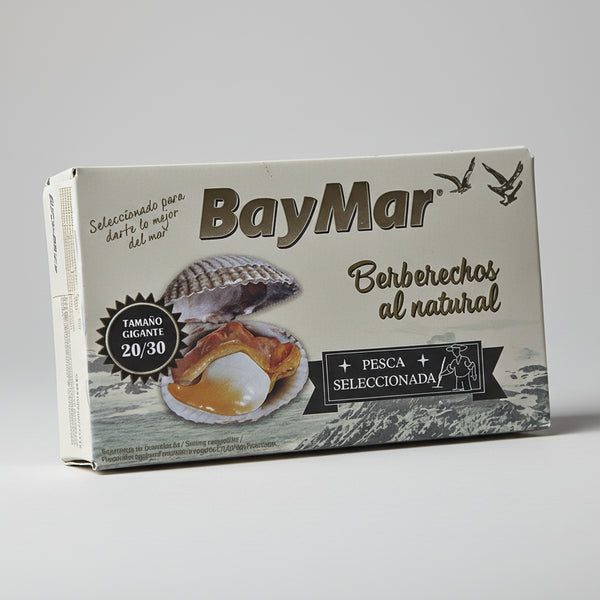
3. Natural Cockles
The most delicate canned product and one of the most internationally valued.
- Origin: Galician Rías, especially Noia and Carril.
- Process: minimal cooking, packed in their own juice with a pinch of salt.
- Classification: measured by pieces per can. A 25/35 (25 to 35 pieces) is a good size. A 45/55 is smaller.
- Price: quality cockles range from 30 to 80 €/kg depending on size and origin.
4. Northern White Tuna (Bonito del Norte) and Belly
Albacore tuna (Thunnus alalunga) caught in the Cantabrian Sea from June to October.
- Bonito del Norte vs. light tuna: Bonito del Norte is a specific species (albacore tuna), not a commercial name. The meat is lighter, finer, and juicier.
- The belly (ventresca): the ventral part of the tuna, the fattiest and most flavorful. It is the premium cut par excellence.
- Preservation: in olive oil (gourmet standard) or in brine. Avoid those packed in sunflower oil for the premium segment.
5. Sardines and Sardinillas
The most popular canned product in Spain, with a range from basic to exceptional.
- Sardinilla: young, small, more delicate sardine. The best come from Galicia and are packed in olive oil.
- Vintage sardines: some canneries store cans for years. Sardines improve with age: the fat integrates with the oil, flavors soften.
- Smoked: smoked sardines are a lesser-known product but with enormous gastronomic potential.
6. Octopus and Razor Clams
Two products that have gained prominence in the gourmet segment:
- Octopus in oil: from the Galician Rías, with a tender texture and intense sea flavor.
- Natural razor clams: from the Galician Rías, one of the most elegant canned products. Ideal format for an aperitif or premium tapa.
How to Distinguish a Gourmet Canned Product from an Industrial One
It's not enough to just look at the price. Here are the real keys:
On the label
| Quality Signal | Warning Signal |
|---|---|
| Exact species (Engraulis encrasicolus, Thunnus alalunga) | Generic name ("anchovies", "tuna") |
| Specific origin (Cantabrian, Galician Rías) | No origin or "product of the EU" |
| Olive oil or extra virgin olive oil | Sunflower oil or "vegetable oil" |
| Fishing season / campaign date | Only expiry date |
| Pieces/can indicated (e.g., mussels 8/12) | No size indication |
| Identifiable cannery with history | White label without traceability |
When opened
- Appearance: the pieces should be whole, well-arranged, without breakage. Gourmet canned goods are hand-packed.
- Oil: clean, without excessive turbidity. In long-matured canned goods, a little gelatin is normal and desirable.
- Smell: of clean sea. Never rancid, metallic, or ammoniacal.
- Texture: firm but melting when chewed. Never pasty or fibrous.
Pairing: What to Drink with Each Canned Product
Gourmet canned goods are a perfect base for pairing. Some combinations that always work:
| Canned Product | Wine | Alternative |
|---|---|---|
| Cantabrian Anchovies | Manzanilla or Fino Sherry | Cava Brut Nature |
| Pickled Mussels | Albariño (Rías Baixas) | Red Vermouth |
| Natural Cockles | Txakoli | Godello (Valdeorras) |
| Tuna in oil | Verdejo (Rueda) | Navarra Rosé |
| Bonito Belly | Oaked Chardonnay | Champagne |
| Sardines in oil | Vinho Verde | Craft beer (pilsner) |
| Natural Razor Clams | Young Albariño | Cava Reserva |
| Octopus in oil | Mencía (Ribeira Sacra) | Natural cider |
Related products from Bacalalo


Spain's Canning Regions
Spain has a canning geography as rich as its wine geography:
Galicia: the canning powerhouse
The Galician Rías produce most of the country's canned mussels, cockles, octopus, and sardinillas. Canneries like Real Conservera Española, Güeyu Mar, or Los Peperetes have elevated the can to a luxury category.
Cantabria: the kingdom of the anchovy
Santoña, Laredo, and Castro Urdiales concentrate the main anchovy canneries. The salting and manual packing process transforms a humble fish into an 80 €/kg product.
Basque Country: tuna and tradition
Getaria, Bermeo, and Lekeitio are ports with a long canning tradition. Northern white tuna caught with a pole-and-line is the specialty.
Catalonia: the tradition of cod and salting
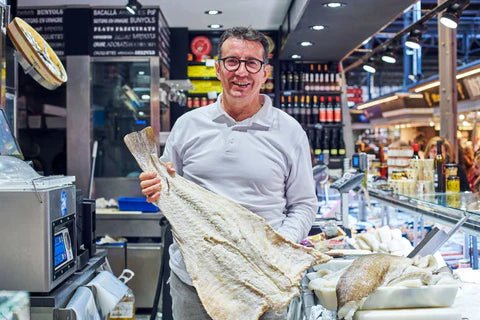
Catalan cod shops have been working with salted seafood for over 150 years. Barcelona, with its municipal markets, continues to be a nerve center for quality cod, anchovies, and premium seafood products.
Canned Goods as a Gastronomic Investment
Unlike most foods, many canned fish products improve with time:
- Anchovies: reach their optimal point between 12 and 24 months after canning.
- Sardines: improve for years. Some canneries sell "vintages" like wines.
- Tuna and belly: the fat integrates with the oil during the first 6-12 months.
- Cockles and mussels: best consumed within the first 2-3 years.
Tip: buy gourmet canned goods when you find them at a good price and store them. A well-stocked pantry of canned seafood is a guarantee of high-quality impromptu dinners.
Discover our premium selection
Carefully selected seafood products since 1990 in Mercat del Ninot, Barcelona. Refrigerated shipping in 24-48h.
Conclusions
- The Main Categories of Canned Seafood: The queen of Spanish canned goods.
- How to Distinguish a Gourmet Canned Product from an Industrial One: It's not enough to just look at the price.
- Pairing: What to Drink with Each Canned Product: Spain has a canning geography as rich as its wine geography.
- Spain's Canning Regions: The Galician Rías produce most of the country's canned mussels, cockles, octopus, and sardinillas.
- Canned Goods as a Gastronomic Investment: Tip: buy gourmet canned goods when you find them at a good price and store them.
Frequently Asked Questions
What are the best canned fish products in Spain?
Cantabrian anchovies (from Santoña), natural cockles from the Galician Rías, Northern white tuna belly, and artisanal pickled mussels are considered the benchmark premium canned goods in Spain.
How long do canned fish products last?
Technically, decades. The best-before date (not expiration) is usually 4-6 years. But many canned goods — especially anchovies and sardines — improve their flavor during the first 1-3 years.
How do I know if a canned product is truly gourmet?
Look for: exact species on the label, specific geographical origin, olive oil (not sunflower), indicated size, a cannery with a name and history. Gourmet canned goods are hand-packed, and this is noticeable in the presentation when opening the can.
Are canned fish products healthy?
Yes. They are a source of high-quality protein, omega-3 fatty acids, B vitamins, and minerals. Anchovies provide calcium (they are eaten with the integrated bone). Mussels are rich in iron and zinc. Tuna provides lean protein and omega-3s.
What is the difference between canned goods and semi-canned goods?
Canned goods are sterilized (high temperature) and do not require refrigeration. Semi-canned goods (like anchovies) are pasteurized and must be kept refrigerated (2-8°C). This is an important distinction for storage.
Which canned fish product offers the best value for money?
Good quality pickled mussels and sardinillas in olive oil offer the best value for money within the gourmet segment. They are accessible (10-20 €/kg), and the difference from the industrial version is enormous.
Article written by Bacalalo, a cod shop at Mercat del Ninot (Barcelona) since 1990. Specialists in Icelandic cod, Cantabrian anchovies, and gourmet canned seafood.
→ View our selection of gourmet canned goods