Summary: Cod and ham croquettes bring together two pillars of Spanish gastronomy in a bite of melting béchamel and a crispy exterior. In this comprehensive guide, you'll find the exact proportions of flour, butter, and milk, a step-by-step process for a lump-free béchamel, professional frying techniques, creative variations, and all the tricks for freezing them without losing quality.
Contents
- Why combine ham and cod in a croquette
- Which cut of cod to use for croquettes
- Proportions for the perfect béchamel
- Ingredients for 30 croquettes
- Béchamel step-by-step: lump-free technique
- Resting and chilling times
- Shaping and breading
- Frying: professional technique
- Variations: cod only, ham only, and cod kokotxas
- How to freeze croquettes without losing quality
- Common mistakes and solutions
- Frequently asked questions
Why combine ham and cod in a croquette
Ham croquettes and cod croquettes separately hold the top two spots in Spanish tapas. Combining them into one dish is not a modern whim: in the home kitchens of the Basque Country and Castile, the combination of cured pork and fish has coexisted on the same table for centuries. Cod provides smoothness, gelatin, and a delicate saline base; ham contributes with infiltrated fat and that umami intensity that makes the béchamel taste round and complete.
From a technical point of view, the mixture works because the two ingredients have opposite moisture levels. Iberian ham, relatively dry and fatty, balances the tendency of flaked cod to release water into the béchamel. The result is a dough that is easy to shape, does not crack when fried, and, when bitten, releases a creamy interior with small textural surprises: the fibers of the fish and the shavings of the ham.
If you already master single-ingredient croquettes, cod and ham croquettes are a natural next step that impresses at any dinner without significantly complicating the process. The key, as always, lies in the béchamel and the quality of the raw ingredients.
Which cut of cod to use for croquettes
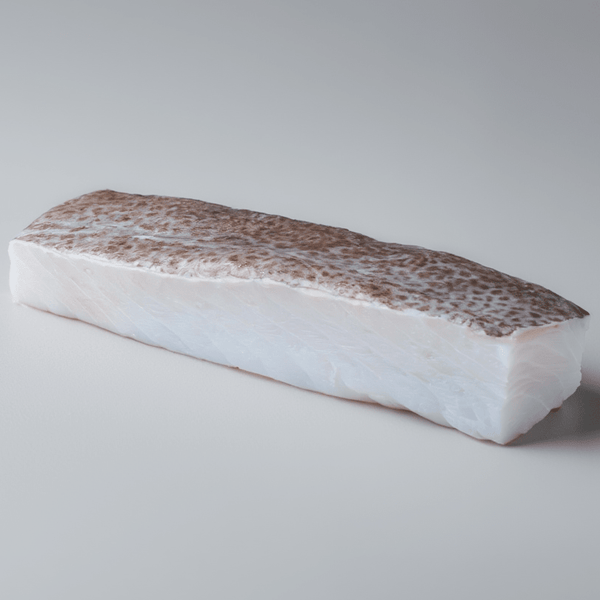
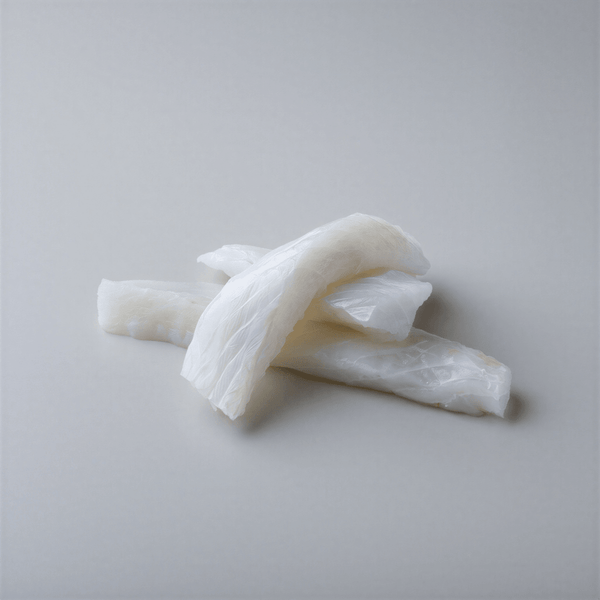
Not all cuts of cod are equally suitable for croquettes. What you need is cod that flakes easily, is boneless, and adds flavor without overpowering the ham. The best choice is desalted flaked cod: it comes ready, boneless, and with a controlled salt point that saves you from surprises when seasoning the béchamel.
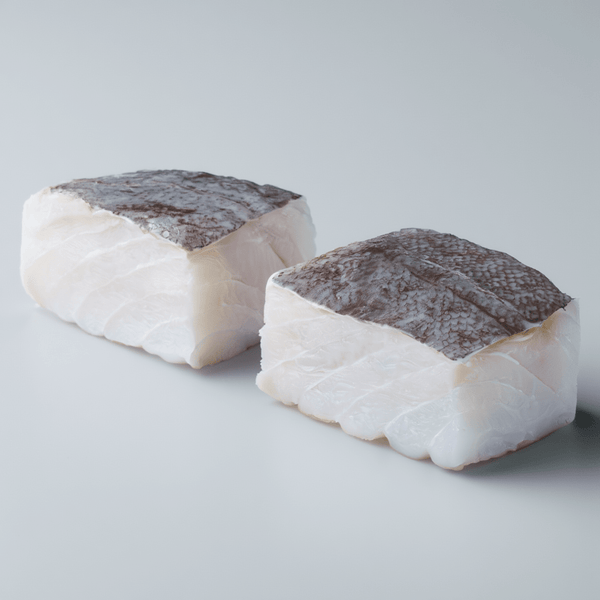
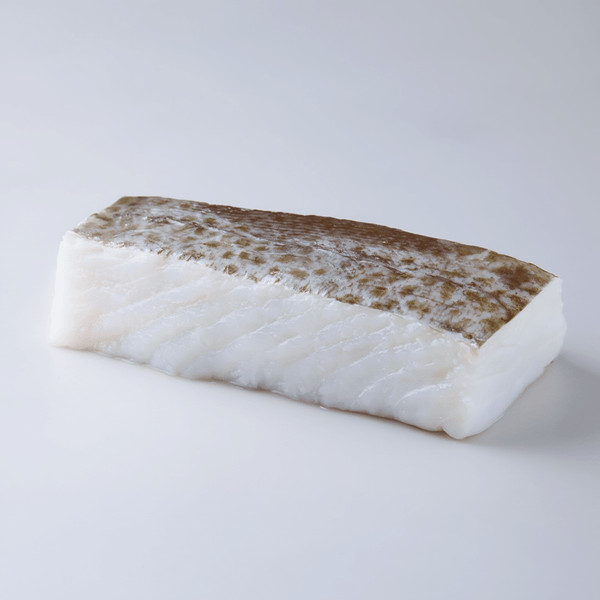
If you start with salted cod in pieces, you will need to desalt it correctly for 24-48 hours before flaking it by hand. Look for pieces from the center or tail, which flake better than thick loin. Premium loin has too much structure for croquettes: save it for dishes where cod is the visible protagonist, such as pil pil or cod in green sauce.
An excellent and economical alternative is cod flakes, which already come in the perfect format to incorporate directly into the béchamel. Whatever the cut, make sure the cod is well drained and dry before adding it: excess water is the enemy of a firm dough.
Proportions for the perfect béchamel
Croquette béchamel is not the same as lasagna or gratin béchamel. It needs to be much thicker so that the dough can be shaped and breaded without deforming. The ratio of flour, butter, and milk determines everything. Below is the table of proportions according to the consistency you are looking for:
| Consistency | Butter | Flour | Milk | Result |
|---|---|---|---|---|
| Light (for gratin) | 40 g | 40 g | 750 ml | Fluid, for covering pasta and vegetables |
| Medium (for cannelloni) | 60 g | 60 g | 750 ml | Covers well, somewhat thick |
| Croquette (ideal) | 80 g | 80 g | 750 ml | Dense, moldable after chilling |
| Very thick | 100 g | 100 g | 750 ml | Compact, risk of being pasty |
The proportion of 80 g butter and 80 g flour per 750 ml milk is the optimal point. Below this, the dough is too soft and deforms when breading; above it, the croquette loses the creamy interior that makes it irresistible. This proportion yields about 30 standard-sized croquettes.
Related Products from Bacalalo

Recommended Products

Natural Cod Liver Foie Gras - 120g | Smoked I...
€3.90

CHATKA Wild King Crab 60% Legs 40% Flaked | L...
€95.00

Artisan Cut Smoked Cod Carpaccio | 1 Tray Pack
€15.90

Dried Cod Kokotxas (1 tray) - 500g
€19.95
Refrigerated shipping 24-48h to the entire Peninsula
Ingredients for 30 croquettes
For the béchamel
- 80 g unsalted butter
- 80 g wheat flour
- 750 ml whole milk at room temperature
- Freshly grated nutmeg, white pepper, and salt
For the filling
- 150 g desalted flaked cod
- 100 g Iberian ham cut into very small cubes (3-4 mm)
- 1 medium onion finely diced (brunoise)
- 2 tablespoons extra virgin olive oil
For breading
- 2 large beaten eggs
- Fine breadcrumbs (or 50/50 mix with panko)
- Flour for dusting
- Sunflower oil for frying (1 liter minimum)
Bacalalo's desalted cod comes already flaked, boneless, and with the exact salt level. This saves you 24-48 hours of desalting and reduces the risk of the croquettes being too salty or bland.
Béchamel step-by-step: lump-free technique
- Prepare the filling first: in a pan with oil over medium-low heat, sauté the onion for 10-12 minutes until transparent and sweet. Slightly increase the heat, add the flaked cod, and cook for 2 minutes. Incorporate the chopped ham, cook for 1 more minute, and set aside off the heat. We don't want to brown anything: just cook and mix.
- Melt the butter: in a wide, heavy-bottomed saucepan, melt the butter over medium heat. It should melt completely but without browning or foaming.
- Form the roux: add all the flour at once and stir vigorously with a whisk for 2-3 minutes. The roux should bubble gently and acquire a pale golden hue. If it smells toasted, lower the heat.
- Incorporate the milk in three batches: pour in one-third of the milk and whisk vigorously. The mixture will become very thick at first; this is normal. Do not add more milk until the first third is completely integrated without lumps. Repeat with the second and third thirds.
- Cook the béchamel for 12-15 minutes: over medium-low heat, stirring constantly with a wooden spoon or spatula. The béchamel is ready when, by drawing a line on the bottom of the saucepan with the spoon, it takes 2-3 seconds to close.
- Season carefully: remember that cod and ham already contribute salt. Taste the béchamel before adding salt. A pinch of freshly grated nutmeg and white pepper are essential.
- Incorporate the filling: mix the sautéed cod, ham, and onion with the hot béchamel. Stir well for another 2 minutes until everything is integrated.
Resting and chilling times
Chilling is as important as cooking. A lukewarm dough is impossible to shape; a well-chilled dough handles like playdough. Pour the finished béchamel into a wide tray (the more spread out, the faster it will cool) and cover it with plastic wrap touching the surface. This prevents the dreaded crust from forming, which later turns into lumps.
The absolute minimum resting time in the refrigerator is 4 hours, but it's ideal to leave it overnight (8-12 hours). If you're in a hurry, spread the dough on a larger tray, cover with plastic wrap, and put it in the freezer for 30 minutes, followed by 2 hours in the refrigerator. The dough should be cold and firm to the touch, but not frozen.
A professional tip: prepare the béchamel one day, chill it overnight, shape and bread it the next morning, and fry it in the afternoon or even the day after. Each resting stage improves the result.
Shaping and breading
- Prepare your workstation: arrange three deep plates in a line (flour, beaten egg, breadcrumbs) and a tray with parchment paper for the finished croquettes.
- Shape the croquettes: with slightly damp or oiled hands, take portions of about 30 g of dough and shape them into cylinders or ovals. If the dough sticks, refrigerate it for another 15 minutes.
- First flour coating: roll each croquette in flour and shake off the excess by gently tapping it between your hands.
- Beaten egg: dip the floured croquette in beaten egg, making sure it is completely covered without any bare spots.
- Breadcrumbs: coat in fine breadcrumbs, pressing gently with your hands to ensure it adheres well to the entire surface.
- Double breading (recommended): repeat the egg and breadcrumbs step. Double breading creates a crispy shell that seals the béchamel and prevents breakage during frying.
If you use a mix of panko and fine breadcrumbs in equal parts, you will get superior crispiness: panko provides texture and fine breadcrumbs ensure uniform coverage.
Frying: professional technique
Frying is the moment of truth. A mistake here can ruin hours of preparation. Follow these principles:
- Oil at 180°C (350°F): use a kitchen thermometer. Without a thermometer, drop a tiny piece of bread: it should brown in exactly 20 seconds. If it burns instantly, the oil is too hot.
- Plenty of oil: croquettes should float, not drag along the bottom. At least 5-6 cm (2-2.5 inches) of oil depth in the pan or pot.
- Maximum 4-5 croquettes per batch: each croquette you submerge lowers the oil temperature by 5 to 10 degrees. Too many croquettes at once cause a drastic temperature drop, resulting in soft and oily croquettes.
- Do not move them for the first 30 seconds: let them seal before turning them with a slotted spoon.
- 2-3 minutes total: until uniformly golden. The inside is already cooked; you only need to heat and brown.
- Drain on a wire rack: better than on absorbent paper. The rack allows air to circulate underneath and prevents the bottom from getting soggy.
| Problem | Cause | Solution |
|---|---|---|
| They open when frying | Warm dough or breading with gaps | Very cold dough, complete double breading |
| They remain soft | Oil not hot enough or too many at once | Strict 180°C, batches of 4-5 units |
| They darken too much | Oil hotter than 190°C (375°F) | Lower heat, use thermometer |
| Raw/cold inside | Frozen croquettes at high temperature | If frozen: 170°C (340°F) for 4-5 minutes |
Variations: cod only, ham only, and cod kokotxas
Once the basic technique is mastered, you can adapt the filling while keeping the same béchamel:
Cod Croquettes Only: replace the ham with an additional 50g of shredded cod (200g total) and add a tablespoon of fresh chopped parsley at the end. They will be softer and have a clean, oceanic flavor. Ideal for Lent or for those who don't eat pork.
Iberian Ham Croquettes Only: omit the cod and use 200g of Iberian ham. Infuse the milk beforehand with the ham rinds for 30 minutes over low heat (then remove them) to intensify the flavor. This is the classic version you'll find in any Spanish bar.
Cod Kokotxa Croquettes: replace the shredded cod with 150g of cod kokotxas, previously confited in oil and chopped. The extra collagen from the kokotxas makes the béchamel even creamier. This is a premium version that's sure to impress at special dinners.
Cod and Spinach Croquettes: reduce the cod to 100g and add 100g of wilted and well-drained spinach. The green color that appears when you bite into them is appealing, and the fresh flavor of the spinach contrasts well with the fish's saltiness.
How to freeze croquettes without losing quality
Croquettes are one of the best dishes to keep in the freezer. Freeze them raw, after breading and before frying, following these steps:
- Shape, bread, and place the croquettes on a baking sheet lined with parchment paper, ensuring they don't touch each other. Leave at least 1 cm of space between them.
- Freeze on an open tray for 2-3 hours until they are completely firm to the touch.
- Transfer to freezer bags: once firm, they will no longer stick together. Remove as much air as possible from the bag. Label with the date.
- Storage: they will last perfectly for 2-3 months. After that, they may lose some texture but are still edible.
To fry from frozen: directly from the freezer to the oil, without defrosting. Lower the temperature to 170°C and fry for 4-5 minutes instead of 2-3. The lower temperature allows the inside to heat up without burning the outside. If you defrost them before frying, the dough absorbs moisture and the breading softens.
Common mistakes and solutions
After making thousands of croquettes, these are the most frequent mistakes:
- Adding all the milk at once: this almost inevitably creates lumps. The milk should always be added in three batches, whisking well between each. If lumps form, pass the béchamel through a fine sieve before adding the filling.
- Not cooking the béchamel long enough: a béchamel cooked for only 5 minutes will taste like raw flour. The minimum is 12 minutes from the moment you incorporate all the milk. The flour taste disappears after 10 minutes of cooking.
- Skipping the resting period: trying to shape croquettes with warm dough is frustrating and yields mediocre results. No exceptions: a minimum of 4 hours in the refrigerator.
- Chopping the ham too finely: the ham should be noticeable when you bite into it. Diced 3-4 mm pieces are perfect. If you blend it, it loses its identity.
- Not drying the cod: shredded cod retains a lot of water. Drain it and pat it dry with paper towels before cooking. Excess water dilutes the béchamel and makes the dough soft.
- Reusing burnt oil: frying oil can be reused 2-3 times if filtered with a fine sieve after each use. But if it smells acrid or is dark, discard it: it will transfer that flavor to the croquette.
🛒 Products mentioned in this article
⭐ 4.9/5 · Chilled delivery 24-48h · Since 1990 at Mercat del Ninot
Frequently asked questions
Can serrano ham be used instead of Iberian ham?
Yes, serrano ham works perfectly in cod and ham croquettes. The main difference is that Iberian ham provides more intramuscular fat and a more intense and complex flavor, while serrano ham is drier and saltier. If you use serrano ham, slightly reduce the salt you add to the béchamel and chop the ham a bit finer, as its texture is more fibrous.
Can I make the dough with salted cod without desalting it?
Never. Salted cod without desalting would make the croquettes inedible due to their salt level. The cod must be properly desalted for 24-48 hours before incorporating it. To avoid risks, Bacalalo's professional desalted cod comes with the exact salt point and is ready to cook, eliminating any uncertainty.
Why do my croquettes open up when frying?
Croquettes open up for three main reasons: the dough is too warm when shaped, incomplete breading leaving uncovered areas, or excessively hot oil that generates steam pressure too quickly inside. Make sure the dough has been in the refrigerator for at least 4 hours, meticulously double-bread them, and ensure the oil is exactly 180°C.
How many cod and ham croquettes do I serve per person?
As a tapa or appetizer, estimate 4-5 croquettes per person. As a main course accompanied by a salad, between 8 and 10 units. With the recipe for 30 croquettes, you have enough for 6 people as an appetizer or for 3-4 people as a main course. Remember that mixed cod and ham croquettes are more filling than single-ingredient ones.
Can they be baked instead of fried?
They can, although the result is different and doesn't achieve the same level of crispiness as frying. To bake them, preheat to 200°C, place the croquettes on a baking sheet with parchment paper, spray or brush with a drizzle of olive oil, and bake for 15-20 minutes, flipping them halfway through. The result is acceptable, but the texture is closer to a baked dish than a traditional croquette.
What oil is best for frying croquettes?
High oleic sunflower oil is the best option for frying croquettes: it has a high smoke point, neutral flavor, and is more economical than olive oil for deep-frying. Extra virgin olive oil works but adds a pronounced flavor that can compete with the filling, and its cost for 1 liter of frying is high. Avoid cheap seed oils that degrade quickly.
Why does my béchamel taste like flour?
A raw flour taste in béchamel indicates that it hasn't been cooked long enough. After incorporating all the milk, the béchamel needs a minimum of 12-15 minutes over medium-low heat with constant stirring. It's during this time that the starch in the flour cooks completely and the béchamel develops its clean, creamy flavor. If you shorten this step, the result will always be floury.
How do I get the inside to be creamier?
The secret to a creamy croquette interior lies in three factors: not overdoing the flour (follow the proportion of 80g per 750ml of milk), not overcooking the béchamel until it dries out, and frying at the correct temperature for just the right amount of time. If you fry too much or at too high a temperature, the inner dough dehydrates and loses that melting texture that defines a good croquette.
Can I use semi-skimmed or plant-based milk?
Whole milk is essential for a quality croquette béchamel. The fat in whole milk provides creaminess, flavor, and helps the béchamel achieve the right consistency. Semi-skimmed milk produces a drier béchamel with less flavor. Plant-based milks alter the flavor and, in many cases, do not thicken in the same way due to their different protein composition.
How long does croquette dough last in the refrigerator?
Cod and ham croquette dough keeps well in the refrigerator for up to 48 hours, covered with cling film touching the surface. After the third day, undesirable flavors may develop due to the presence of fish. If you're not going to use it within 48 hours, it's preferable to shape and bread the croquettes and freeze them directly. They will last 2-3 months in the freezer without any problems.
Is butter or olive oil better for the roux?
Butter produces a béchamel with more flavor, a rounder taste, and better texture. It is the classic and recommended choice. Olive oil is used in some Mediterranean recipes and gives a lighter result, but the béchamel is less creamy and somewhat harder to thicken. For mixed cod and ham croquettes, where you're looking for maximum creaminess, butter is the superior option.
Can cod and ham croquettes be made gluten-free?
Yes, by substituting wheat flour with rice flour or cornstarch in the same proportions. For breading, use rice flour for dredging, beaten egg, and certified gluten-free breadcrumbs. The result is very similar to the original, although the texture of the breading may be slightly different. Make sure the gluten-free breadcrumbs are fine for a uniform finish.
Related guides
- Cod al pil pil: Basque recipe step by step
- Cod with potatoes: easy baked and stewed recipe
- How to desalt cod quickly and well at home
- Shredded cod: leftover recipes
- Recipes with desalted cod: quick and easy ideas
- Gratin cod: baked recipe with béchamel
For these croquettes, you need desalted shredded cod: ready to cook, boneless, and with the perfect salt point. Find it at Bacalalo.