Summary: Bacalao a la riojana is one of the most emblematic stew dishes from La Rioja: loins of desalted cod cooked over low heat with choricero peppers, "cascada" potatoes, and onion. In this guide, you will find the traditional step-by-step recipe, the difference with bacalao a la vizcaina, the easy version, Arguinano's method, how to prepare choricero peppers, tips for the perfect sauce, a table of alternative ingredients, pairing with Rioja wines, the history of the dish, and 12 frequently asked questions.
Bacalao a la Riojana: Traditional Recipe with Choricero Peppers
What is bacalao a la riojana?
Bacalao a la riojana is one of the most emblematic spoon dishes in La Rioja's gastronomy. It is a slow-cooked stew where loins of desalted cod are simmered in a red sauce made with choricero peppers, sautéed onion, garlic, and "cascada" potatoes that add body and naturally thicken the broth.
Unlike other preparations such as bacalao al pil pil or baked cod with potatoes, a la riojana is a slow-cooked dish that requires time and care. Its final texture is that of a dense and comforting stew: the "cascada" potato partially dissolves, thickening the sauce without the need for flour, while the cod retains its juicy and well-defined flakes.
The dish has an unmistakable dark red color, courtesy of dried choricero peppers. It is not spicy (choricero peppers provide sweetness, not heat) and has a depth of flavor that improves with resting: like all stew dishes, bacalao a la riojana is better the next day. In La Rioja, it is served throughout the year, with special prominence during Holy Week, Christmas, and the San Mateo festivities in Logroño.
Difference between bacalao a la riojana and a la vizcaina
Both dishes share desalted cod and choricero peppers, but they are fundamentally different in technique, texture, and final result.
| Characteristic | Bacalao a la riojana | Bacalao a la vizcaina |
|---|---|---|
| Origin | La Rioja (Logroño, Haro, Calahorra) | Bizkaia (Bilbao, Cantabrian coast) |
| Type of dish | Spoon stew with broth | Cod in dense sauce (without broth) |
| Potatoes | Yes, "cascada" (essential) | No potatoes |
| Sauce texture | Brothy, with chunks, thickened by potato | Fine cream, strained through a chinois |
| Is the sauce pureed? | No, it's left rustic | Yes, it's pureed and strained |
| Cooking method | Everything together in a pot (stew) | Cod seared separately + sauce |
| Total time | 45-60 minutes | 1.5-2 hours |
| Difficulty | Medium-low | Medium-high |
| Is the cod floured? | Sometimes, depending on the version | Yes, always |
| Broth/liquid | Fish broth or water, visible | Only the sauce, no free broth |
In summary: vizcaina is a refined sauce, pureed and strained. Riojana is a rustic stew with potatoes that dissolve and an un-pureed sauce. Vizcaina impresses at a dinner party; riojana comforts on a winter's day.
History: La Rioja, cod, and choricero peppers
It may seem strange that a cod dish is emblematic of an inland region without a coast, but history explains it. From the Middle Ages, La Rioja was a crossroads of trade routes between Castile, the Basque Country, and Navarre. Basque muleteers transporting dried cod from Cantabrian ports to the interior would stop in Riojan towns such as Haro, Nájera, and Santo Domingo de la Calzada. Salted cod arrived as a cheap and durable protein, perfect for meatless days during Lent.
Choricero peppers have been cultivated since the 18th century in both the Basque Country and La Rioja Alta. Strings of dried peppers hanging from the balconies of Riojan villages are a classic image of the region. It was the natural combination of these two ingredients—cod from the north and local sun-dried peppers—that gave rise to the dish.
The potato, which arrived in La Rioja in the 18th century, completed the trilogy. Riojan cooks discovered that by "cascando" the potato (breaking it into irregular pieces) and cooking it in the stew, the starch naturally thickened the sauce. This technical detail is what separates riojana from vizcaina: the "cascada" potato is both a thickener and an accompaniment.
Today, bacalao a la riojana is an obligatory dish on the menus of Logroño's restaurants, especially on Calle Laurel, and is celebrated in gastronomic competitions throughout the region.
How to prepare choricero peppers
Choricero peppers are the defining ingredient of a la riojana. If you prepare them well, the sauce will have a sweet, deep flavor and an unmistakable intense red color. These are the steps:
- Choose quality peppers. They should be flexible to the touch (not rigid) and uniformly dark red in color. The best ones come from La Rioja Alta, Navarre, and the Basque Country.
- Open them and clean the seeds. Open each pepper in half, remove the stem, seeds, and white veins. The seeds add bitterness if not removed.
- Hydrate them in hot water. Cover them with hot water (70-80 °C) and leave them for 30 minutes until soft. Reserve the rehydration water: it has color and flavor that the sauce will benefit from.
- Scrape the pulp. With a tablespoon, scrape the inside of each pepper to extract the red, dense pulp. Discard the outer skin.
- Reserve the pulp. For 4 people, you will need the pulp from 8-10 choricero peppers.
Valid shortcut: You can use canned choricero pepper pulp (3-4 tablespoons for 4 people). The result is 85% as good as with dried choricero peppers. What you should not use is red paprika as the main substitute: the flavor is completely different.
Ingredients for 4 people
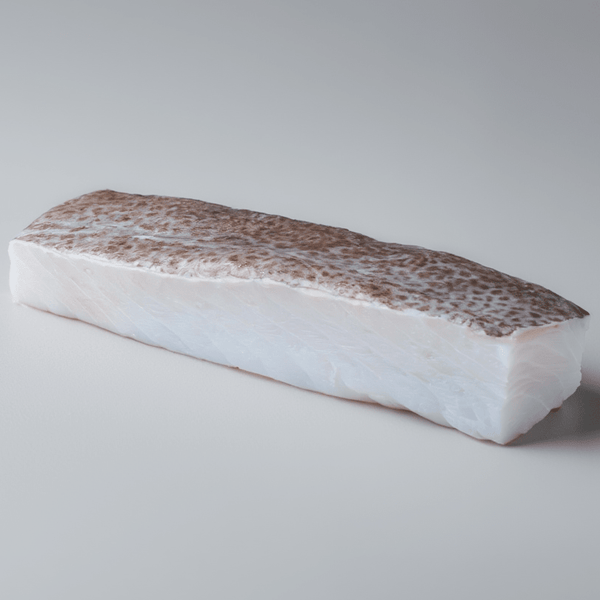
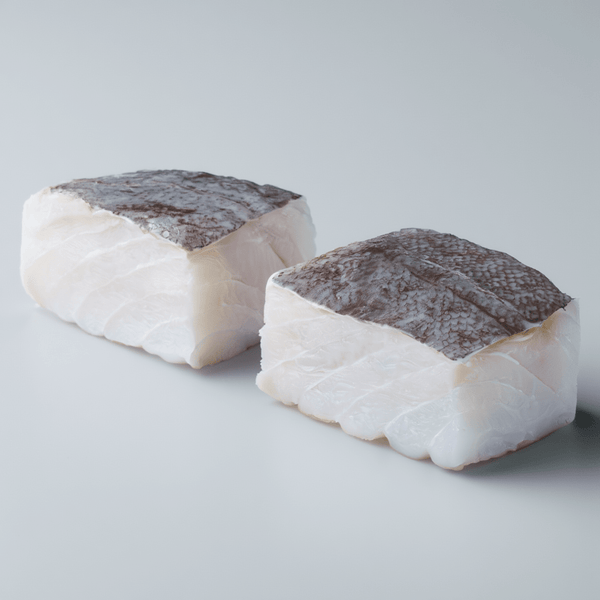
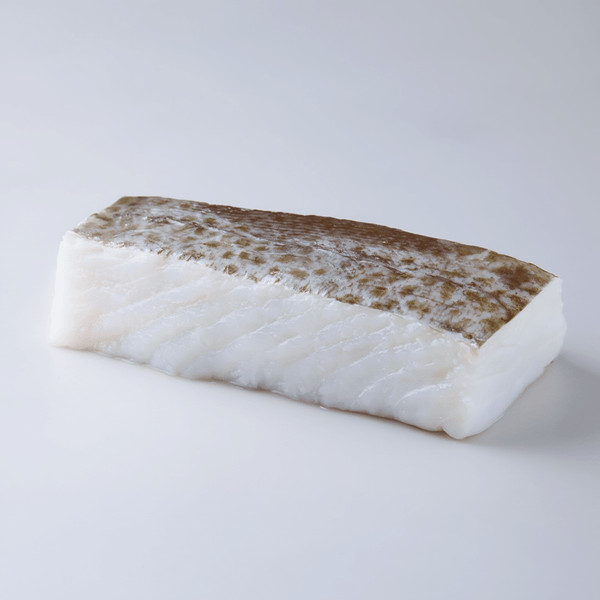
- 4 loins or pieces of desalted cod -- 200-250g each, minimum 2cm thick. You can use professional desalted cod ready to cook.
- 8-10 dried choricero peppers -- or 3-4 heaped tablespoons of canned choricero pepper pulp.
- 4 medium potatoes -- Kennebec or Monalisa type, about 600-700g. For "cascar" (breaking), not cutting.
- 2 large onions -- thinly sliced julienne (about 400g).
- 4 cloves of garlic -- sliced.
- 1 ripe tomato -- grated (optional, not all versions include it).
- 100 ml extra virgin olive oil -- mild, Arbequina type.
- 500-600 ml fish broth -- or hot water. The broth makes a difference in flavor.
- 1 bay leaf
- 1 teaspoon sweet paprika -- from La Vera or Riojan (optional, enhances color).
- Salt -- only if necessary after tasting. Cod adds salinity.
- Fresh chopped parsley -- for serving.


Traditional bacalao a la riojana recipe step-by-step
This is the bacalao a la riojana recipe as it is made in the kitchens of Logroño, Haro, and the towns of La Rioja Alta. Total time: 50-60 minutes (not counting prior desalting if you use dried cod).
- Prepare the choricero peppers. If using dried, rehydrate them for 30 minutes in hot water, clean, and scrape the pulp as explained in the previous section. Reserve the pulp and the rehydration water.
- "Casca" the potatoes. Peel the potatoes and, instead of cutting them, insert the tip of the knife 2 cm and lever to break them into irregular pieces of 3-4 cm. The rough surface releases starch that naturally thickens the sauce.
- Sauté the onion. In a wide casserole dish (earthenware if you have one), heat the oil over medium-low heat. Add the onion, sliced garlic, and bay leaf. Cook for 15-20 minutes until the onion is translucent and tender, without browning.
- Add the choricero pulp. Incorporate the scraped pulp of the peppers and, if using, the grated tomato and the teaspoon of sweet paprika. Sauté for 3-4 minutes over medium-low heat, stirring to integrate it well with the sofrito.
- Add the potatoes. Add the "cascada" potatoes and sauté for 2-3 minutes so they soak up the sofrito and begin to release starch.
- Pour in the broth. Add the hot fish broth (or the rehydration water from the choricero peppers topped up with hot water to 500-600 ml). The liquid should cover the potatoes. Turn up the heat until it boils, then lower to medium-low heat.
- Cook the potatoes for 20-25 minutes. Low heat, lid ajar. Move the casserole with gentle rocking motions (not with a spoon). The potatoes are ready when they can be easily pricked and the sauce has thickened.
- Place the cod. Dry the cod loins with kitchen paper and place them on top of the potatoes, skin side up. Slightly submerge each loin in the sauce so it is partially covered.
- Cook the cod for 12-15 minutes. Over low heat, uncovered. Baste the surface with spoonfuls of sauce every 3-4 minutes. Do not turn the loins.
- Check for doneness. The cod is ready when the flakes separate easily. The sauce should have a stew-like consistency.
- Rest and serve. Remove from heat, sprinkle with parsley, and let rest for 5 minutes covered. Serve in the casserole dish. Riojana is eaten with a spoon.
Arguinano's version of bacalao a la riojana
Karlos Arguiñano has prepared bacalao a la riojana on multiple occasions, and his version introduces nuances compared to the purist recipe:
- Lightly flours the cod and sears it for 1 minute per side before adding it to the stew.
- Uses grated tomato in the sofrito to provide acidity that balances the sweetness of the choricero.
- Adds a dried chili pepper to the sofrito (removed before serving) to counterbalance the sweetness.
- Cuts the potato into thick slices (2 cm) instead of "cascando" it, giving a more orderly appearance.
- Finishes with raw olive oil before serving, providing freshness and shine.
If you want to replicate Arguinano's version, the only real change is to sear the cod first and use potato slices instead of "cascada." The rest of the process is identical.
Easy and quick version of bacalao a la riojana
If you don't have an hour or don't want to bother with dried peppers, this easy bacalao a la riojana recipe reduces the time to 30-35 minutes:
- Use canned choricero pepper pulp (3-4 tablespoons), eliminating the 30 minutes of rehydration and scraping.
- Cut the onion into small cubes instead of julienne: it sautés faster (8-10 minutes).
- Cut the potatoes into 2 cm cubes instead of "cascando" them: they cook faster (15 minutes).
- Sauté the onion with the garlic for 8 minutes. Add the choricero pulp and sauté for 2 minutes.
- Add the potatoes and hot broth. Cook for 15 minutes over medium heat.
- Place the cod on top and cook for 10-12 minutes over low heat.
- Sprinkle with parsley, let rest for 3 minutes, and serve.
The result is 80% of the flavor of the traditional version in half the time. The sauce will be slightly less thick and the flavor of the canned choricero will be slightly less complex, but it is still an excellent dish for a weekday.
Tips for the perfect sauce
The riojana sauce is not pureed or strained (that's vizcaina). It is left rustic, with visible onion pieces and partially dissolved potatoes. But that doesn't mean it doesn't require attention. These are the tips that make the difference between a correct riojana and an extraordinary one:
- "Casca" the potatoes, don't cut them. By breaking them with leverage, the surface remains irregular and releases starch that naturally thickens the sauce.
- Use fish broth, not water. The difference in flavor is enormous. If you don't have homemade, a quality bouillon cube dissolved in hot water is infinitely better than plain water.
- Move the pot, not the spoon. Gentle circular rocking motions integrate the sauce without breaking the potatoes or dissolving the cod.
- Keep heat low after adding the cod. If it boils vigorously, it will fall apart and become dry. Low heat allows it to release gelatin slowly, which thickens the sauce.
- Baste the cod with the sauce. Every 3-4 minutes, take sauce from the sides and baste the surface of the loins for even cooking without turning them over.
- Use the choricero pepper water. It has color, flavor, and nutrients. Use it as part of the stew's liquid.
- Rest for at least 5 minutes. The sauce settles, the potatoes absorb flavor, and the cod finishes cooking with residual heat.
Which cod to use for Riojana style
The choice of cod cut directly influences the final result of the stew. Not all parts of the cod behave the same way in a prolonged cooking with sauce:
| Cut | Suitability | Why |
|---|---|---|
| Loins / Small loins | Ideal | Uniform thickness (2-4 cm), defined flakes, maintains structure in the stew. The classic cut for Riojana style. |
| Cheek | Excellent | Gelatinous texture that enriches the sauce. Very juicy. Experienced Riojan chefs prefer it. |
| Tail | Good | Thinner than the loin, cooks quickly. Ideal if you want less cooking time. Slightly more gelatinous. |
| Steaks with bone | Authentic | Riojan grandmothers used steaks with a central bone. They add more flavor to the broth, but require careful eating. |
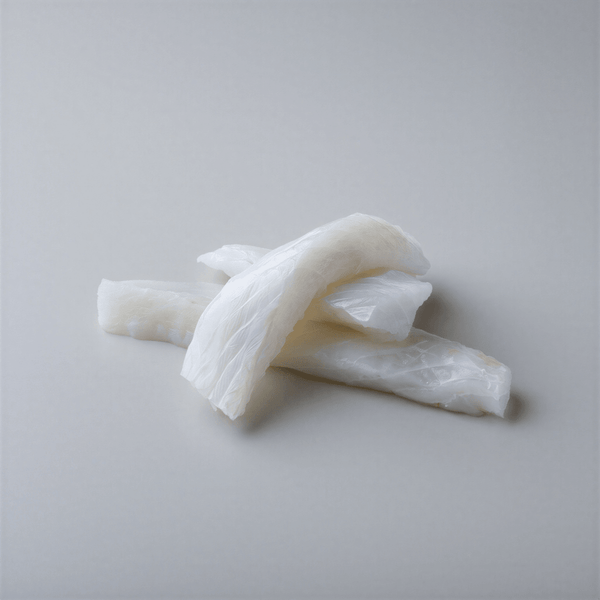
| Shredded | Not recommended | Completely falls apart in the stew. Only suitable if you want to make a cod cream or purée Riojana style. |
Our recommendation: desalted loins 2.5-3 cm thick, ready to cook without the 36-48 hours of desalting that dried cod needs. If you prefer to desalt your own cod, consult our guide.
Comparison table: peppers and regional variations
Although the classic recipe uses choricero peppers, there are regional variations within La Rioja itself and neighboring communities. This table summarizes the differences:
| Variant | Pepper | Potato | Extra | Area |
|---|---|---|---|---|
| Classic Riojana | Dried choricero | Cracked | Onion, garlic, bay leaf | Rioja Alta (Haro, Logroño) |
| Riojana with tomato | Choricero + tomato | Cracked | Grated tomato in sofrito | Rioja Media |
| Navarran Riojana | Choricero + piquillo | Sliced | Roasted piquillo pepper | Navarra, Tudela |
| Alavesa version | Choricero | Cracked | Dried chili | Álava, Rioja Alavesa |
| Easy with ñora | Ñora (substitute) | Cubed | Sweet paprika | Modern adaptation |
The classic Riojana with cracked potato and dried choricero is the benchmark version. The others are valid variations. Try the Navarran with roasted piquillo: it combines very well with the choricero.
Pairing: Rioja wines and more
Being a Riojan dish, the natural pairing is with wines from the DOCa Rioja. The intensity of the choricero sauce calls for a wine with personality:
- Rioja Crianza red – The classic option. A Tempranillo with some Garnacha, 12-14 months in barrel: soft tannins that balance the intensity of the choricero.
- Barrel-fermented Rioja white – A Viura or white Tempranillo with aging perfectly withstands the dish's power.
- Rioja rosé – Full-bodied Garnacha. The acidity of the rosé cuts through the richness of the sauce.
- Rioja Reserva – For special occasions. The complexity of the Reserva (vanilla, leather) dialogues with the depth of the choricero.
- Alternative: txakoli – Light and acidic white wine whose natural salinity complements cod.
- Alternative: craft beer – A malty, full-bodied amber ale complements the sweetness of the choricero.
Serving temperature: Crianza red at 16-17 °C, white at 10-12 °C, rosé at 8-10 °C.
Storage and reheating
Like most stews, it tastes better the next day. The sauce settles and the potatoes absorb the choricero broth:
- In the fridge: let it cool (maximum 2 hours), cover and refrigerate. Lasts 3-4 days. The sauce will thicken when cooled due to starch; it will regain its consistency when reheated.
- Freezing: in individual portions with plenty of sauce, in an airtight container or vacuum bag. Lasts up to 2 months. The cod loses some firmness but is still good.
- How to reheat: over low heat in a saucepan, adding 2-3 tablespoons of broth if it has thickened. Heat the sauce first; when it bubbles, place the cod on top and cover for 5 minutes.
- In the microwave: medium power (50-60%), 3-4 minutes, with a glass of water inside to generate steam.


🛒 Products mentioned in this article
⭐ 4.9/5 · Cold delivery 24-48h · Since 1990 at Mercat del Ninot
Frequently Asked Questions
What is the difference between bacalao a la Riojana and a la Vizcaína?
Riojana is a spoon stew with cracked potatoes and a rustic, unsieved sauce. Vizcaína has a dense sauce, pureed and strained through a chinois, without potatoes. In Riojana, everything is cooked together; in Vizcaína, the cod is seared separately and added to the finished sauce.
Can bacalao a la Riojana be made without choricero peppers?
Not with an authentic result. If you can't find them, use ñoras (you'll need 30% more) or preserved choricero pulp. What you shouldn't do is substitute only with paprika: the flavor is radically different.
Why are potatoes cracked instead of cut?
When potatoes are cracked (broken by prying with a knife instead of cleanly cutting them), the surface becomes irregular and porous. This causes them to release much more starch during cooking than knife-cut potatoes, naturally thickening the sauce without the need for flour or roux. Additionally, the irregular edges absorb more sauce and have a better texture in the mouth.
How long does it take to make bacalao a la Riojana?
The traditional version takes about 50-60 minutes: 30 minutes to hydrate the choricero peppers (can be done in parallel), 15-20 minutes for the sofrito and potatoes, and 12-15 minutes to cook the cod. The easy version can be made in 30-35 minutes using preserved choricero pulp. If using dried cod, add 36-48 hours of prior desalting.
Does bacalao a la Riojana use tomato?
It depends on the version. The most purist recipe from Rioja Alta does not include tomato: only choricero pepper, onion, garlic, potato, and broth. However, many Riojan families and chefs like Arguiñano include a grated tomato in the sofrito. Tomato adds acidity that balances the sweetness of the choricero. Both versions are valid.
Which cod cut is best for Riojana style?
Thick loins or small loins (2-3 cm) are the ideal cut: they maintain their structure during the stew and offer juicy flakes. The cheek is an excellent alternative due to its gelatinous texture that enriches the sauce. Avoid shredded cod, as it completely falls apart. Professional desalted cod ready for Riojana style.
Can already cooked bacalao a la Riojana be frozen?
Yes. Freeze in individual portions with plenty of sauce and potatoes, in an airtight container or vacuum bag. It will last up to 2 months without significant loss of flavor. The sauce and potatoes freeze very well; the cod loses some firmness but is still good. Thaw in the refrigerator 24 hours before and reheat over low heat with a little broth.
What wine pairs best with bacalao a la Riojana?
A Rioja Crianza red wine made with Tempranillo and some Garnacha is the classic and perfect pairing. The wine's structure balances the intensity of the choricero. If you prefer white, a barrel-fermented Rioja white stands up well to the dish's richness. And for an informal meal, a Garnacha rosé or even a txakoli.
Why is my Riojana sauce too thin?
Common causes: too much broth (use only 500-600 ml for 4 people), potatoes cut instead of cracked (they release less starch), or heat that is too high. If it's already made and thin, remove the cod, reduce the sauce for 5-10 minutes over medium heat, and then return the cod.
Is it necessary to flour the cod for Riojana style?
It is not essential. The most traditional version does not flour the cod: it places it directly on the potatoes and sauce. Arguiñano and other chefs do flour it and briefly sear it before adding, which provides a thin crust that protects the flesh. Both methods are valid. If you flour it, shake off any excess so it doesn't make the sauce clumpy.
Can bacalao a la Riojana be made with fresh cod instead of desalted?
Yes, but the result is different. Desalted cod has a firmer texture and releases gelatin that thickens the sauce. Fresh cod falls apart easily in a long stew. If using fresh, add it for the last 8-10 minutes and increase the salt.
Is bacalao a la Riojana suitable for children?
Yes. Choricero pepper is not spicy (it adds sweetness, not heat) and the sauce has a mild and comforting flavor that children usually enjoy. Make sure to use boneless cod and that the salt level is not excessive. The cracked potatoes in the stew make it a complete dish for a child's meal.