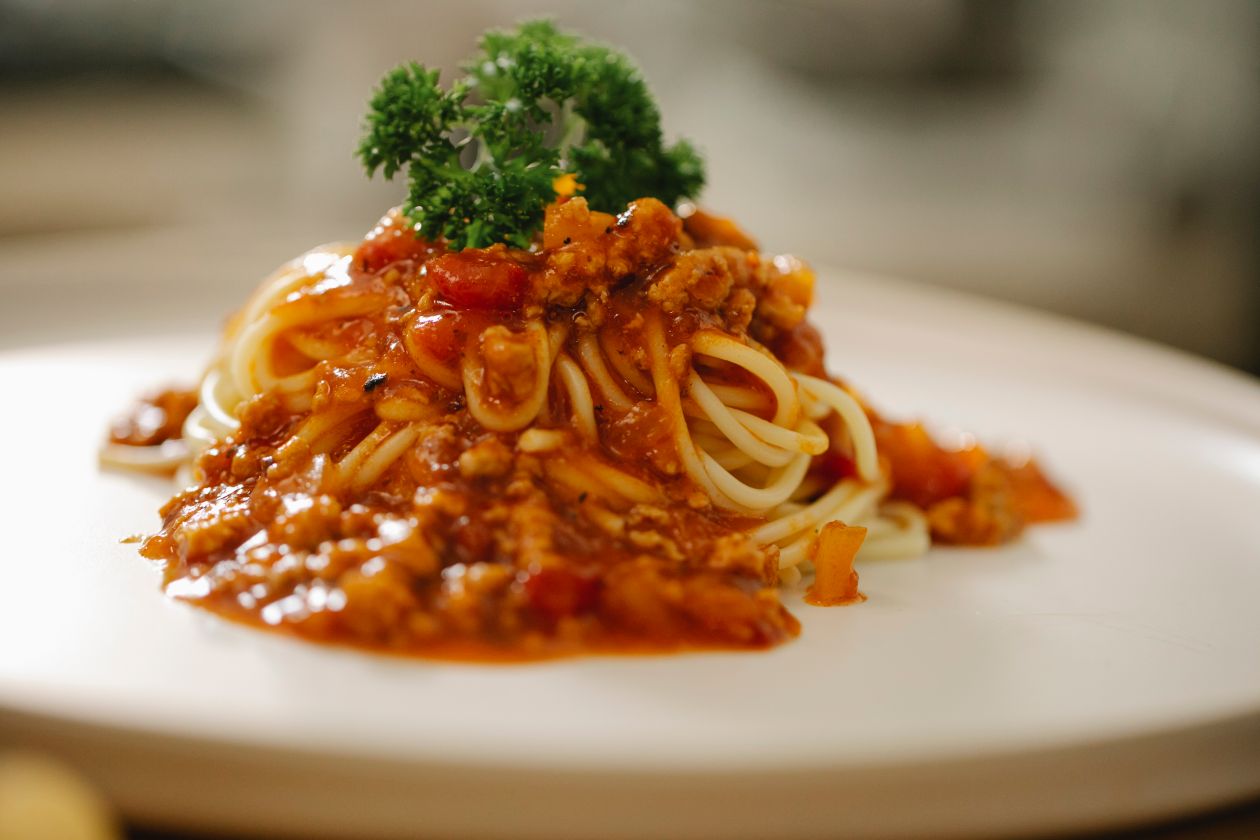
Galician-style cod with "cachelos" is one of those dishes that define Galicia's culinary identity. Simple in appearance, but profound in flavor, it combines three elements that are already extraordinary individually: well-desalted cod, potatoes boiled with their skin (the famous "cachelos"), and a paprika, garlic, and extra virgin olive oil sauce that bathes everything in an intense and irresistible red.
It's not a dish that requires high-cuisine technique, but it does demand quality ingredients and respect for timing. Poorly desalted cod, overcooked potatoes, or burnt paprika can ruin what should be a memorable gastronomic experience. Precisely for this reason, in this article, we'll tell you everything you need to know: from the Galician tradition behind the dish to a detailed step-by-step guide to make it perfect at home.
If you're looking for an authentic, complete, and no-shortcuts Galician-style cod recipe, you've come to the right place.
Origin and tradition of Galician-style cod
Cod arrived in Galicia long before modern trade routes existed. Already in the Middle Ages, Basque and Galician fishermen worked the fishing grounds of Newfoundland and Norway, bringing with them a product that, once salted and dried, could be preserved for months. For an Atlantic region with a strong Catholic tradition and numerous days of meat abstinence, salted cod became a dietary staple.
The Galician-style cod recipe arose from this practical necessity: to make the most of a preserved product using what the land offered. Potatoes (introduced in Galicia in the 18th century), olive oil, garlic, and paprika — brought from America and enthusiastically adopted on the peninsula — formed the basis of a dish that has survived centuries without needing any reinvention.
Today it is served in all traditional "pulperías" (octopus restaurants) and restaurants in Galicia, as well as in homes throughout Spain. It's a dish for quiet celebrations: it appears during Lent, Easter, winter family dinners, and whenever something comforting and soulful is desired. If you're interested in knowing the differences between the types of cod you can use, check out our complete guide to cod types.
What are "cachelos" and why are they essential?
Cachelos are, quite simply, potatoes boiled with their skin in salted water. But calling them "boiled potatoes" is like calling "bread with tomato" a slice of crystal bread from Vic with Arbequina oil and hanging tomatoes: technically correct, but insufficient.
In Galicia, "cachelos" are a side dish with their own identity. Locally grown potatoes are used — preferably the Kennebec variety, with white, floury flesh and that texture that absorbs the "ajada" like a sponge. They are boiled whole or cut in half (depending on size), always with their skin, and served hot.
The skin is not an aesthetic whim: during cooking, it acts as a natural barrier that prevents the potato from falling apart and losing starch in the water. The result is a potato that is firm on the outside but creamy on the inside, which becomes addictive when it receives the oil with paprika.
Tips for perfect "cachelos":
- Choose potatoes of similar size so they cook evenly.
- Put them in cold, salted water and bring to a boil; never put them in boiling water.
- They are ready when a knife passes through them without resistance but without breaking (about 20-25 minutes depending on size).
- Drain them well and serve immediately; cold "cachelos" lose all their charm.
Ingredients for 4 people
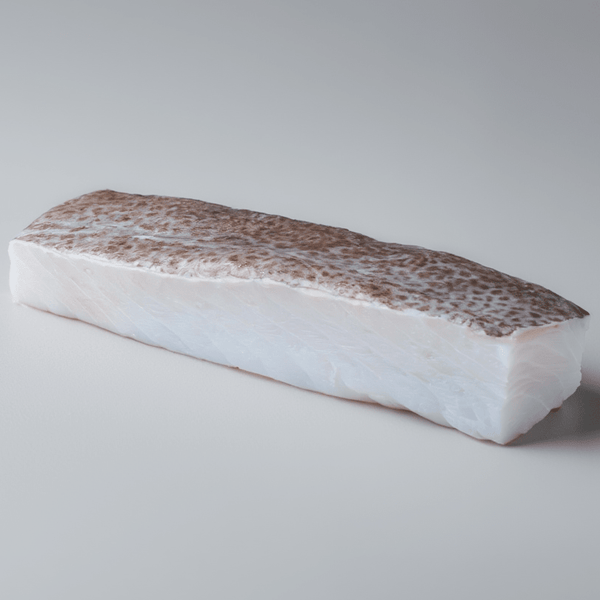
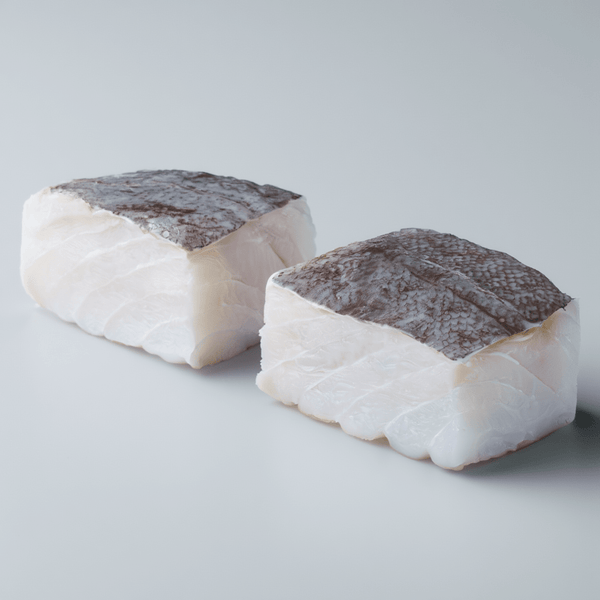
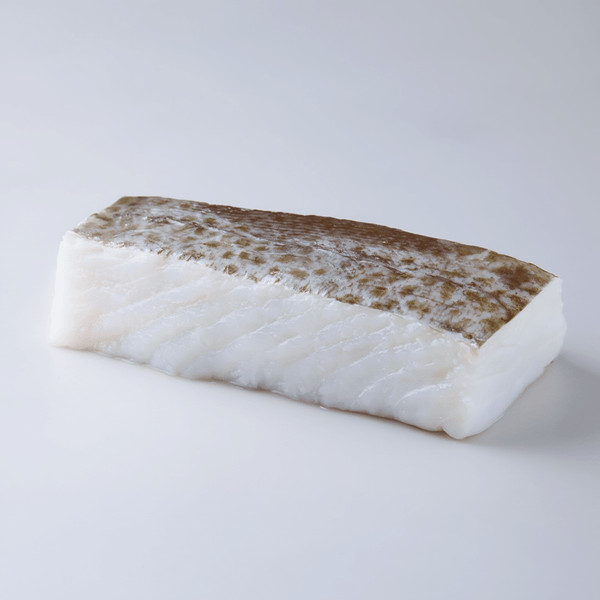
This recipe doesn't have a long list of ingredients. Precisely for this reason, the quality of each one matters twice as much. A premium desalted cod loin makes the difference between a decent dish and a memorable one.
Ingredients
- 4 desalted cod loins (about 200g each)
- 800g medium potatoes (Kennebec type)
- 150 ml extra virgin olive oil
- 4 cloves garlic
- 2 tablespoons paprika from La Vera (sweet or bittersweet)
- 1 bay leaf
- Coarse salt
- White wine vinegar (optional, a few drops)
Step-by-step preparation
- Desalt the cod: if using salted cod, desalt it for 48 hours, changing the water every 8 hours. If you buy pre-desalted cod, this step is not necessary.
- Cook the "cachelos": wash the potatoes well without peeling them. Place them in a pot with cold water and coarse salt. Bring to a boil and cook for 20-25 minutes until tender but firm.
- Cook the cod: in a large saucepan, add plenty of water with the bay leaf. Heat until small bubbles begin to form but without letting it boil (about 80-85 °C). Submerge the loins with the skin facing up and cook for 10-12 minutes over low heat. The water should never boil.
- Prepare the "ajada": while the cod is cooking, heat the olive oil in a small pan over medium-low heat. Add the thinly sliced garlic and brown it without burning (2-3 minutes). Remove the pan from the heat, wait 30 seconds, and add the paprika, stirring quickly. This is critical: paprika burns in seconds and turns bitter.
- Assemble the dish: drain the "cachelos", peel them if desired (or leave them with skin, which is traditional) and arrange them on a platter. Place the well-drained cod loins on top. Pour the "ajada" over everything, making sure to distribute the garlic slices.
- Final touch: if you like, add a few drops of white wine vinegar over the dish. Serve immediately.
Key timing table
One of the secrets of this recipe is coordinating the timing well. Everything must arrive hot on the plate, so organize yourself before you start:
| Step | Time | Temperature | Indication it's ready |
|---|---|---|---|
| Desalting cod (salted) | 48 hours | In the fridge (4-6 °C) | Taste a small piece: it should be slightly salty, not bland |
| Cooking "cachelos" | 20-25 minutes | Gentle boil | Knife slides in and out without resistance |
| Cooking cod | 10-12 minutes | 80-85 °C (not boiling) | Flakes separate easily with a fork |
| "Ajada" (browning garlic) | 2-3 minutes | Medium-low heat | Garlic golden, not brown |
| "Ajada" (adding paprika) | 15-20 seconds | Off the heat | Stir quickly; oil turns intense red |
Coordination tip: start with the "cachelos". When they've been cooking for 10 minutes, put the cod water on to heat. When the cod has been in the water for 5 minutes, start the "ajada". This way, everything will be ready at the same time.
The perfect desalting for this recipe
Desalting is probably the step that most determines the final result. Over-salted cod spoils the dish; bland cod lacks character. For Galician-style cod, we seek an intermediate point: a salty presence, but not overpowering.
If you start with salted cod, follow these guidelines:
- Cut the pieces into serving-sized portions before desalting. This makes the process more uniform.
- Submerge in cold water in the refrigerator (never at room temperature, to avoid bacterial growth).
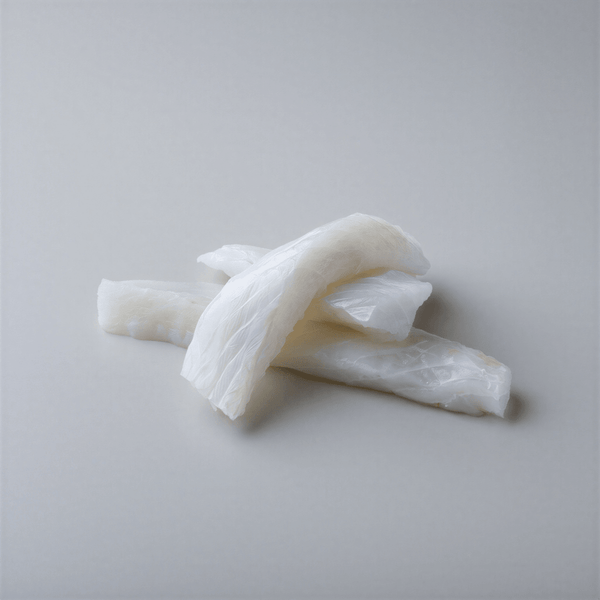
- Change the water every 8 hours for a minimum of 48 hours for thick loins. Thinner pieces (shredded, flakes) may be ready in 24-36 hours.
- Taste before cooking: cut a small piece from the center of the thickest piece and taste it raw. It should be slightly salty.
If you don't want to complicate things, the most convenient and reliable solution is to buy pre-desalted cod, which comes ready to cook with the exact amount of salt. In our guide on how to desalt cod at home, we explain the process in much more detail, including the quick method for emergencies.
Step-by-step recipe: Galician-style cod with "cachelos"
Step 1: Prepare the "cachelos"
Wash the potatoes under the tap, scrubbing with a brush to remove any dirt. Do not peel them. If they are very large, cut them in half; if they are medium, leave them whole. Place them in a pot, cover them with cold water, and add a generous spoonful of coarse salt.
Bring to a boil and reduce the heat to medium so they cook consistently but gently. Pierce with a thin knife after 20 minutes: when it slides in without resistance, they are ready. Drain them and set aside, covered with a clean cloth to keep them warm.
Step 2: Cook the cod
Here's where many people go wrong: cod is not boiled, it's poached. The difference is crucial. Boiling cod (at 100 °C with bubbles) toughens it, dries it out, and causes the flakes to fall apart uncontrollably. Poaching it (at 80-85 °C, with the water barely trembling) cooks it gently, maintaining a juicy texture and whole flakes.
Pour plenty of water into a large saucepan with a bay leaf. Heat until you see small bubbles at the bottom but without letting it come to a rolling boil. Submerge the loins with the skin facing up (this protects the flesh during cooking). Count 10-12 minutes depending on the thickness.
To choose the right cut, we recommend reading our article on the 5 cuts of cod and when to use each one. For Galician-style cod, the loin is the ideal piece: thick, juicy, and with generous flakes.
Step 3: Prepare the "ajada"
The "ajada" is the soul of the dish. It deserves its own section, which you will find just below.
Step 4: Plate and serve
Use a wide, shallow platter, ideally earthenware. Arrange the "cachelos" to form a base, place the cod loins on top (you can remove the skin or leave it, as preferred) and pour the hot "ajada" over them. Distribute the garlic slices well and make sure the paprika oil reaches every corner.
Serve immediately. This dish waits for no one: it loses temperature quickly and with it, part of its magic.
The Galician "ajada": the soul of the dish
The "ajada" (also called allada) is a Galician sauce of deceptive simplicity. It only has three ingredients — olive oil, garlic, and paprika — but making it well requires attention and timing.
The process, broken down:
- Pour 150 ml of extra virgin olive oil into a small pan. The better the oil, the better the "ajada" will be. Do not skimp here.
- Peel 4 cloves of garlic and slice them thinly (do not chop or crush them; we want visible slices in the final dish).
- Place the pan over medium-low heat and add the garlic slices. Brown them slowly, stirring occasionally, for 2-3 minutes. They should be golden but never brown or burnt.
- Remove the pan from the heat. This is essential. Wait 20-30 seconds for the temperature to drop slightly.
- Add the 2 tablespoons of paprika all at once and stir vigorously for 15-20 seconds. The oil will turn a beautiful intense red color.
Why remove it from the heat? Because paprika burns in a matter of seconds if it touches a pan that is too hot. Burnt paprika has a bitter, unpleasant, and unrecoverable taste. It's the most common mistake in this recipe and the easiest to avoid: simply remove the pan before adding it.
What paprika to use? The authentic one is paprika from La Vera (Protected Designation of Origin, from Extremadura), which is smoked with oak wood. You can choose between sweet, bittersweet, or spicy. For Galician-style cod, sweet is the most classic, but bittersweet adds a very interesting nuance without being spicy. Avoid "normal" supermarket paprika: it doesn't have the depth or smokiness that this dish needs.
Common mistakes and how to avoid them
After more than 35 years preparing cod, these are the mistakes we see again and again:
- Boiling the cod vigorously: as we have explained, cod is poached. If the water boils, the protein contracts abruptly, expels moisture, and the flesh becomes dry and rubbery. Keep the water between 80 and 85 °C.
- Desalting too little or too much: over-salted cod ruins everything; bland cod has no personality. Always taste before cooking.
- Burning the paprika: we repeat this because it's the star mistake. Off the heat, always. If you've burnt it, throw it away and start over; it's beyond repair.
- Peeling the potatoes before boiling: without the skin, potatoes absorb too much water, lose texture, and fall apart. The skin is your ally.
- Using low-quality oil: the "ajada" is basically flavored oil. If the oil is not good, neither will the "ajada" be. Extra virgin olive oil, always.
- Serve lukewarm: This dish is eaten hot. Heat the serving dish with hot water before plating. Every minute it waits on the table, it loses quality.
- Using an inappropriate cut: Thin slices or shredded cod don't work well here; they fall apart during cooking. The loin, with its thickness and generous flakes, is the ideal cut.
Recipe Variations: with Turnip Greens, Chickpeas, and More
The base recipe is unbeatable, but Galician cuisine is generous and allows for variations that enrich the dish without betraying its essence:
Galician-style Cod with Turnip Greens (Grelos)
Grelos (tender turnip shoots) are the quintessential Galician accompaniment. They are cooked in the same water as the "cachelos" (potatoes) during the last 8-10 minutes of cooking. They provide a slight bitterness that contrasts wonderfully with the sweetness of the paprika and the richness of the cod. If you can't find grelos (they can be difficult to find outside of Galicia), you can substitute them with nabizas (turnip greens) or, as a last resort, tender collard greens.
Galician-style Cod with Chickpeas
This variation is more typical of Lent and makes the dish heartier. Cook the chickpeas separately (or use good quality canned chickpeas) and add them to the platter along with the "cachelos" before pouring the "ajada" (garlic and paprika oil). The combination of legumes, potatoes, cod, and paprika makes a complete one-dish meal.
With Boiled Egg
In some areas of Galicia, half a boiled egg per diner is added. It is placed next to the "cachelos" and also receives the "ajada." It's a simple addition that rounds out the dish, especially if the cod portions aren't very generous.
With Padrón Peppers
It's not the most traditional version, but a few fried Padrón peppers placed around the platter add freshness, color, and that touch of uncertainty ("will it be spicy or not?") that's so entertaining at the table.
If you like experimenting with cod in other preparations, check out our guide to grilled cod, another classic worth mastering.
The cod you need for this recipe
For your Galician-style cod to turn out perfect, you need a thick, high-quality loin. At Bacalalo, we work with cod from Iceland and Norway, traditionally desalted with the exact salt point so you only have to cook it.
- Desalted cod loin — The ideal piece for Galician-style cod: thick, juicy, with generous flakes.
- All desalted cod collection — Loins, cuts, flakes, and more, ready to cook.
Chilled shipping throughout the peninsula. Arrives at your home with the cold chain intact.
Frequently Asked Questions about Galician-style Cod
What exactly are "cachelos"?
"Cachelos" are potatoes cooked with their skin in salted water. It's a traditional Galician preparation that accompanies dishes such as "pulpo á feira" (Galician-style octopus), "lacón con grelos" (pork shoulder with turnip greens), and, of course, Galician-style cod. The key is to use starchy potatoes (like Kennebec) and cook them unpeeled so they maintain their texture and don't fall apart.
Which paprika is best for the "ajada": sweet, bittersweet, or spicy?
The most traditional is sweet, which provides color and a mild, smoky flavor. Bittersweet adds a more complex touch without being too spicy and is our recommendation for those who want an extra point of flavor. Spicy is only suitable if all diners tolerate it. The important thing is that it's paprika from La Vera, with its characteristic smokiness.
Can it be made with frozen cod?
Yes, it can, but the result is not the same. Frozen cod tends to have a softer texture and releases more water during cooking, which dilutes flavors. If you use it, thaw it slowly in the refrigerator for 24 hours and dry it very well with kitchen paper before poaching. That said, fresh desalted cod will always yield a superior result.
How long does it take to desalt cod for this recipe?
For thick loins, complete desalting takes 48 hours in the refrigerator, changing the water every 8 hours (6 changes in total). For thinner pieces, 24-36 hours may be sufficient. We recommend consulting our complete desalting guide to master the process.
Does Galician-style cod include onion?
No. The traditional Galician recipe does not include onion. The "ajada" contains exclusively olive oil, sliced garlic, and paprika. Adding onion is not sacrilege, but it turns the dish into something else. If you want to be faithful to tradition, leave it out.
What wine pairs best with it?
An Albariño from Rías Baixas is the natural and almost obligatory choice. Its acidity and fruity notes cut through the richness of the oil and complement the saltiness of the cod. A Godello from Valdeorras or a young Ribeiro also work very well. Avoid full-bodied red wines: they would overwhelm the flavors of the dish.
Can Galician-style cod be reheated?
It can be, but it loses a lot. Reheated cod tends to dry out, and the "cachelos" lose their creamy texture. If you have leftovers, the best option is to flake it and make cod croquettes the next day. If you still want to reheat it, do so in the oven at 160°C covered with aluminum foil for 10-12 minutes, adding a drizzle of olive oil on top.
What is the difference between "bacalao a la gallega" and "bacalao con patatas"?
The main difference is the ajada. Any cod recipe can include potatoes, but Galician-style cod is defined by the combination of "cachelos" (potatoes with skin) + "ajada" (oil, garlic, and paprika). Without "ajada," it's cod with potatoes. With "ajada," it's Galician-style cod.
🛒 Products mentioned in this article
⭐ 4.9/5 · Chilled delivery 24-48h · Since 1990 at Mercat del Ninot
Conclusion
Galician-style cod with "cachelos" is the perfect demonstration that great cuisine doesn't need endless ingredient lists or avant-garde techniques. It needs real product, respect for timing, and knowledge of the details that make all the difference: well-desalted cod, potatoes cooked with their skin, and an "ajada" made with paprika off the heat.
It's a dish that has been on Galician tables for centuries and, when done well, needs no introduction or explanation. You serve it, you taste it, and you understand everything.
If you want to make it at home with guaranteed success, start with the most important thing: a good desalted cod loin. The rest — the potatoes, garlic, paprika, oil — you can find in any market. But the cod makes the difference between "it turned out well" and "it turned out like in Galicia."