Summary: Atascaburras is one of the oldest and most unknown dishes of Castilian cuisine. Potatoes, desalted cod, hard-boiled egg, walnuts, and a good splash of olive oil. They need nothing more. And yet, the result is a rustic, hearty, and addictive cream that has been feeding families in La Mancha for centuries. Here's how to make them properly, with the cod they deserve.
Some dishes survive for centuries because they don't need marketing. Atascaburras is one of them. Born in La Mancha—specifically in the province of Cuenca and bordering areas of Albacete and Ciudad Real—they are a shepherd's dish, for long winter nights, for families who knew how to transform four humble ingredients into something that warmed the body and nourished the soul.
The concept is simple: potatoes are boiled, mashed with shredded desalted cod, crushed garlic, extra virgin olive oil are added, and it's topped with chopped hard-boiled egg and walnuts. There's no béchamel, no cream, no tricks. Just quality ingredients, technique, and the wisdom of a cuisine that made use of everything at hand.
After more than 35 years working with cod at Mercat del Ninot de Barcelona, I have prepared this dish hundreds of times. And I assure you that the difference between mediocre atascaburras and ones that leave you speechless is almost always in the quality of the cod. A good desalted loin, with just the right amount of salt and a firm texture, completely transforms the recipe.
What Are Atascaburras and Why You Should Know Them
Manchegan atascaburras are a rustic purée based on boiled potatoes mashed with shredded desalted cod, crushed garlic, extra virgin olive oil, hard-boiled egg, and walnuts. The result is a thick, almost pasty cream, with an irregular texture—it's not a fine restaurant purée, but a hearty mash where you can feel the chunks of cod, pieces of walnut, and chopped egg.
They belong to the family of ajos (garlic dishes) in Manchegan cuisine: ajomortero, ajoarriero, ajopringue. All share the base of garlic crushed in a mortar with oil, but each incorporates different ingredients. Atascaburras are the version with potato and cod, and probably the most widespread outside of La Mancha.
The dish has humble origins, but it is not simple. It requires understanding texture: the exact point at which the potato absorbs the oil without becoming sticky, the moment the cod integrates without losing its presence, the right proportion of garlic to provide flavor without dominating. It's a type of cooking that seems easy until you try to do it well.
In the province of Cuenca, atascaburras are a festive dish—prepared at Christmas, weddings, and family celebrations. In Albacete and Ciudad Real, they are commonly eaten in winter, as a first course or a complete dinner. And in recent years, restaurants throughout Spain have rediscovered them as part of a movement to revalue inland cuisine.
Origin of the Name: Why They Are Called Atascaburras
The most accepted explanation is also the most intuitive: atascaburras were prepared on winter days when snow and mud stuck the donkeys (atascaban a las burras) on the roads of La Mancha. When it was impossible to go to the village to buy meat or go hunting, shepherds and farmers used what they had in the pantry: potatoes, salted cod (which kept all winter), garlic, oil, and eggs.
Some advocate a second theory: that the name comes from the dish's consistency, so thick and dense that it could stick a donkey. That is, not even a pack animal could handle such a hearty meal. This version, though more colorful, has less documentary support.
Either way, the name perfectly reflects the spirit of the dish: subsistence food, born of necessity, designed to provide strength in the harshest conditions of Castilian winter. Temperatures in the Cuenca mountains easily drop to -10°C in January, and rural roads were impassable for days. Atascaburras were not a gastronomic indulgence; they were the difference between being cold and being warm.
The first written record of the dish appears in 19th-century Cuenca cookbooks, although oral tradition places it much earlier. Currently, atascaburras are included in the inventory of Gastronomic Heritage of Castilla-La Mancha and are a flagship dish of the province of Cuenca.
Ingredients for Traditional Atascaburras (4 servings)
| Ingredient | Quantity | Note |
|---|---|---|
| Potatoes | 800 g | Floury variety (Kennebec or similar). Waxy ones don't absorb oil well |
| Desalted cod | 400 g | Preferably loin or thick flakes. Desalted at home, not ultra-processed |
| Eggs | 4 units | Free-range, hard-boiled |
| Walnuts | 100 g (shelled) | From shell, hand-cracked. Packaged ones lose aroma |
| Garlic | 4-6 cloves | Las Pedroñeras purple garlic if possible |
| Extra virgin olive oil | 150-200 ml | Mild, not intense picual. Arbequina or hojiblanca work well |
| Salt | To taste | Careful: cod already adds salt. Always taste before adding |
About the potatoes
This point is more important than it seems. Atascaburras need a potato that breaks down when mashed and absorbs olive oil like a sponge. Floury potatoes—Kennebec, Agria, or the classic "Galician" varieties—are ideal. If you use a waxy potato like Monalisa, the purée will be gummy and elastic, completely opposite to what we're looking for.
About the cod
Cod is the ingredient that makes the real difference. Quality desalted cod, from cold waters (Iceland, Norway, Barents Sea), cured for at least 4-5 months, provides a firm texture that flakes easily into generous pieces and a clean, deep flavor, without bitterness. Industrial cod, desalted in a factory with accelerated processes, mainly adds water and little else. For atascaburras worth eating, the cod must be good. There is no alternative.
If you need to review how to properly desalt your cod, we have a complete desalting guide that answers all your questions.
Manchegan Atascaburras Recipe Step by Step
Step 1: Boil the potatoes
Peel the potatoes and cut them into large, irregular pieces (not uniform cubes—we want them to break down unevenly so the final texture isn't a smooth purée). Place them in a pot with cold water to cover them, add a pinch of salt, and bring to a boil.
Boil for 20-25 minutes until very tender. The test: pierce with a knife, and the potato should fall off under its own weight. Don't skimp on cooking; for this dish, overcooked is better than undercooked.
Step 2: Boil the eggs
While the potatoes are boiling, place the eggs in a saucepan with cold water, bring to a boil, and cook for 10-12 minutes once it starts boiling. Immediately run them under cold water to make peeling easier. Set aside.
Step 3: Prepare the cod
If your cod is already desalted, dry it thoroughly with paper towels. Excess water is the enemy of good atascaburras because it dilutes the mixture and makes it watery.
You can use raw cod (the most traditional way in many areas of Cuenca) or poach it lightly. To poach: place it in a saucepan with warm water (never boiling) for 5-7 minutes, just until the flesh turns opaque and flakes easily. Drain it very well.
Shred the cod by hand into irregular pieces. Do not mash it or put it in a blender. We want to find flakes of cod when eating.
Step 4: The garlic in the mortar
This is the step that separates authentic atascaburras from imitations. The garlic is not fried, sautéed, or sliced. It is pounded in a mortar until it forms a paste, adding a little coarse salt to act as an abrasive.
If you don't have a large mortar, you can use a garlic press and then work the paste with the back of a knife, but the result is not the same. The mortar releases the essential oils of the garlic in a way no other method can.
Step 5: The mashing — the key moment
Drain the potatoes very well (this point is critical: the less water they retain, the more oil they will absorb and the better texture they will have). Place them in a large bowl or, if you have one, an earthenware pot.
Start mashing the potatoes with a large fork or a pestle. Do not use a blender. A blender breaks down starch chains and turns the potato into an elastic, sticky, inedible mass. Manual mashing is essential.
When the potatoes are half mashed, add the crushed garlic and start incorporating the olive oil in a thin stream, while continuing to work the mixture. It's a process similar to making aioli: the oil emulsifies with the hot potato, resulting in a dense, unctuous cream.
Add the shredded cod and mix with enveloping motions, without mashing too much. The cod should be integrated but visible.
Step 6: Plating and presentation
Serve the atascaburras in a deep plate or an earthenware pot (if you want to keep them warm longer). Top with the coarsely chopped hard-boiled egg and hand-cracked walnuts.
A drizzle of raw extra virgin olive oil on top is mandatory. And if you want the final touch they used in the villages of Cuenca: some orange slices around the plate. The orange is not just decoration—its acidity cuts through the richness of the dish and refreshes the palate.
- Boil peeled and chopped potatoes in salted water (20-25 min)
- Boil hard-boiled eggs (10-12 min)
- Desalt and shred the cod into large flakes
- Crush garlic with salt in a mortar until it forms a paste
- Drain potatoes well and mash with a fork (never a blender)
- Incorporate crushed garlic and oil in a thin stream, working the mixture
- Add shredded cod with enveloping motions
- Adjust salt (be careful, cod already adds salt)
- Serve in an earthenware pot with chopped hard-boiled egg, walnuts, and a drizzle of EVOO
- Optional: orange slices for garnish
The Cod You Need for These Atascaburras
True atascaburras demand quality desalted cod: from cold waters, slow-cured, and with just the right texture to flake into firm pieces without turning mushy.
At Bacalalo, we select each piece at the Mercat del Ninot since 1990. Our desalted cod arrives ready to cook, with the perfect salt level. For atascaburras, we recommend:
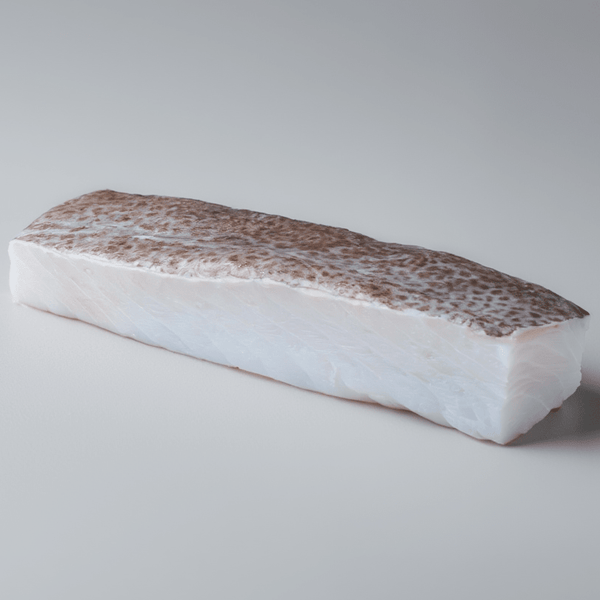
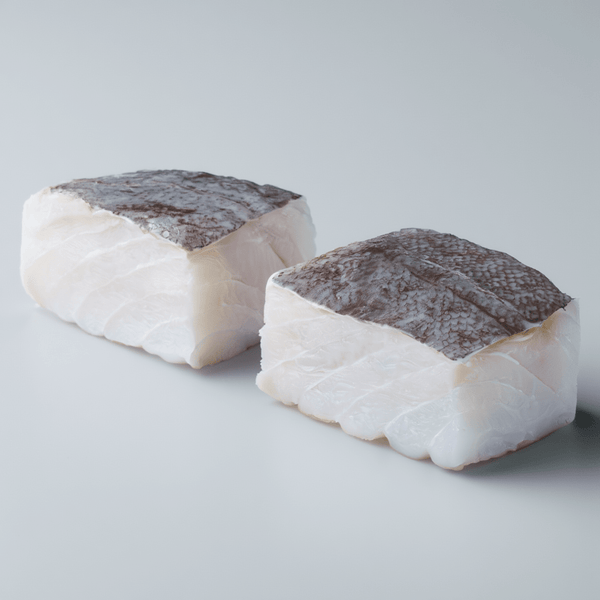
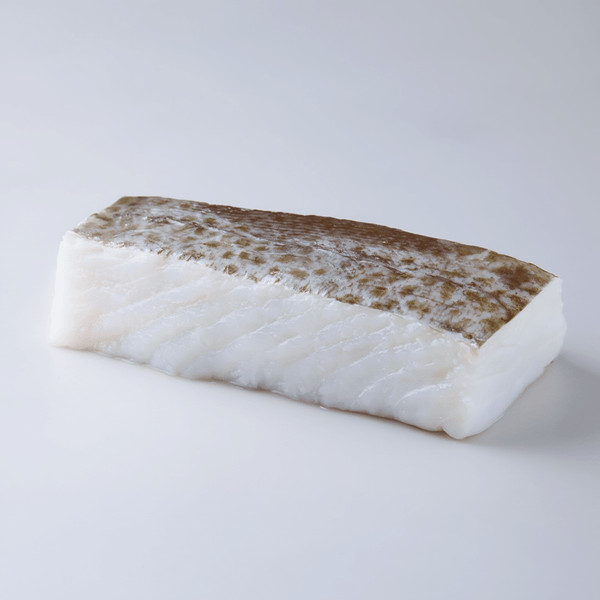
- Desalted cod loin — The premium cut, ideal if you want large, generous flakes
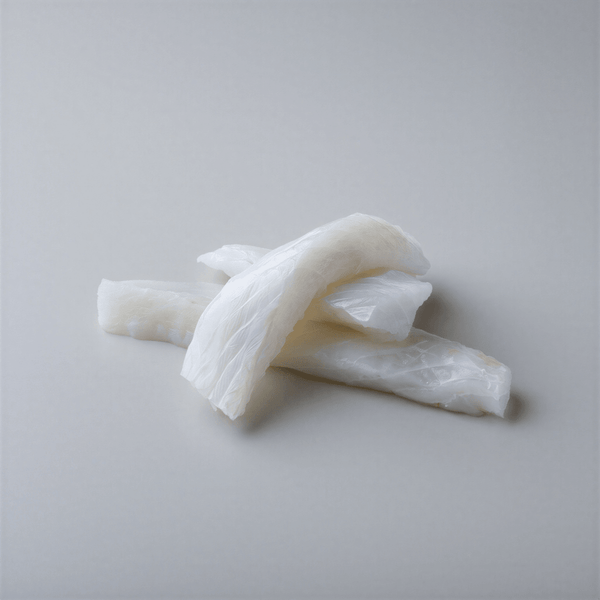
- Desalted cod flakes — Perfect for atascaburras and other mashed dishes, at a more accessible price
Chilled delivery throughout the Peninsula. It arrives at your home with the same freshness as if you bought it at our stall in Mercat del Ninot.
Tips for Achieving the Perfect Texture
Texture is what distinguishes thoughtfully made atascaburras from those made in haste. These are the points I've learned in over three decades of cooking this dish:
1. Drain the potatoes thoroughly
After boiling them, leave them in the colander for 2-3 minutes. You can even return them to the empty pot over very low heat for a minute to evaporate excess moisture. Every gram of water they retain is a gram of oil they won't absorb, and the texture will suffer.
2. Work the mixture while hot
Atascaburras are assembled with hot, freshly drained potatoes. Heat facilitates oil absorption and garlic integration. If the potato cools before the oil is incorporated, the emulsion won't form correctly, and the dish will be dry and grainy.
3. Always add oil in a stream
Don't pour all the oil at once. Add it in a thin, steady stream while working the mixture. This is exactly the same principle as aioli or mayonnaise: the emulsion needs fat to be incorporated gradually.
4. Don't mash too much
Atascaburras are not a restaurant purée. They should have an irregular texture, with visible potato chunks, cod lumps, and walnut pieces. Excessive mechanical work, especially with a blender, turns the potato starch into a gummy mass. Less is more.
5. Adjust at the end
Add salt at the end, after incorporating the cod. Desalted cod always contributes some residual salt, and if you salt the potato separately and the cod also adds salt, you might end up with an excessively salty dish. Always taste before adding.
Variations of Atascaburras: Beyond the Classic Recipe
The traditional recipe is sacred in Cuenca, but outside the Serranía, atascaburras have evolved with additions worth knowing:
Gratin Atascaburras
Assemble the atascaburras in an oven-safe dish, top with chopped hard-boiled egg and walnuts, add a little grated cured Manchego cheese, and gratin at 220°C for 5-7 minutes, until the surface browns. The cheese adds umami and the crispy crust contrasts with the creamy interior. This is an excellent version to serve as a starter at dinners.
Atascaburras with Roasted Peppers
In the Albacete area, it is common to add strips of roasted red pepper to the final assembly. They are not mixed into the mash; they are placed on top, as decoration and accompaniment. The sweetness of the roasted pepper complements the saltiness of the cod exceptionally well.
Atascaburras with Manchegan Truffle
Some fine dining restaurants in Cuenca and Albacete have incorporated slices of black truffle from Sarrión or the Cuenca mountain range into the final dish. Manchegan truffle has a short season (December-March) that coincides with the traditional atascaburras season, so the combination makes perfect seasonal sense.
Atascaburras as Croquettes
If you have leftover atascaburras from the previous day (which is rare, but happens), let them cool completely in the refrigerator. The next day, you'll have a firm dough that you can roll into balls, coat in egg and breadcrumbs, and fry. Atascaburras croquettes are probably the best croquette you can make with cod after the classic grandma's cod croquettes.
Nutritional Information for Atascaburras
Atascaburras is a caloric and nutritious dish, designed to provide energy in cold climates. It is not light food, nor does it pretend to be. Here are the approximate values per serving (for 4 people, with the quantities indicated above):
| Nutrient | Per serving (approx.) | % Daily Value* |
|---|---|---|
| Calories | 620 kcal | 31% |
| Proteins | 32 g | 64% |
| Carbohydrates | 38 g | 15% |
| Total Fat | 38 g | 54% |
| — of which saturated | 5 g | 25% |
| — monounsaturated (EVOO) | 26 g | — |
| Fiber | 4 g | 16% |
| Sodium | 480 mg | 20% |
| Omega-3 (EPA+DHA) | 0.3 g | — |
| Vitamin B12 | 3.2 µg | 128% |
| Potassium | 890 mg | 19% |
*Based on a 2,000 kcal diet. Approximate values according to recipe quantities.
The most notable nutritional aspect is the fat profile: most of the fat comes from extra virgin olive oil (monounsaturated fat, with proven cardiovascular benefits) and walnuts (rich in plant-based omega-3). Cod provides high-quality biological protein and vitamin B12. It is a hearty but nutritionally balanced dish if consumed as a single course.
What Cod to Use for Atascaburras
Not all cod is suitable for authentic atascaburras. Let's be direct: industrially desalted, ultra-frozen supermarket cod provides water and a soft texture that dissolves into the potato without a trace. What you want is cod that maintains its presence, that flakes into irregular pieces with a certain firmness when shredded, and that provides a clean, deep flavor.
These are the factors that matter:
- Species: Gadus morhua (Atlantic cod), from Iceland or Norway. If you want to delve into the differences, we have a complete guide to cod types.
- Curing: Minimum 4-5 months in salt. Long curing produces a firmer texture and a more concentrated flavor.
- Cut: For atascaburras, you can use loin (more expensive but larger flakes) or flakes (more economical and perfectly valid for this dish). Consult our guide to the 5 cod cuts to understand when to use each one.
- Format: Desalted ready-to-use or in salt (desalting it yourself at home). Both work, but if you desalt at home, you have more control. We have a detailed comparison in dry cod vs. desalted cod.
If you don't want to complicate things, the desalted cod loin that we prepare at Bacalalo arrives at your home ready to be flaked and added directly to the atascaburras. No desalting, no waiting, no risk of it being too salty or too bland.
🛒 Products mentioned in this article
⭐ 4.9/5 · Cold delivery 24-48h · Since 1990 in Mercat del Ninot
Frequently Asked Questions about Atascaburras
What exactly are atascaburras?
Atascaburras is a traditional dish from Manchegan cuisine consisting of mashed cooked potatoes with flaked desalted cod, garlic crushed in a mortar, and extra virgin olive oil, topped with chopped hard-boiled egg and walnuts. Its texture is that of a rustic, irregular puree, denser than a conventional puree. They originate from Cuenca and bordering areas of Castilla-La Mancha, and are considered one of the most representative dishes of Cuenca gastronomy.
Why are they called atascaburras?
The most widespread explanation is that they were prepared on the coldest winter days, when snow and mud bogged down donkeys on the rural roads of La Mancha. Unable to go out to buy other food, people cooked with what was available in the pantry: potatoes, salted cod, garlic, oil, and eggs. A second interpretation suggests that the name alludes to the very thick consistency of the dish, capable of "bogging down" even a pack animal.
What is the difference between atascaburras and brandada de bacalao?
Although they share ingredients (cod, potato, oil), they are different dishes. Brandada is French, originating from Nîmes, and is a finer, more homogeneous emulsion where the cod is worked much more until it becomes an almost white cream. Atascaburras is a rustic Manchegan mash where the mashed potato, cod flakes, and bits of walnut and egg are clearly noticeable. Brandada usually contains milk or cream; atascaburras never does. And atascaburras incorporates walnuts and hard-boiled egg, which brandada does not.
What type of cod is best for atascaburras?
The ideal is desalted Gadus morhua (Atlantic cod, from cold waters like Iceland or Norway), with long curing and a firm texture. You can use loin (for large, generous flakes) or flakes (more economical and perfectly valid). Avoid industrial ultra-frozen cod: it adds a lot of water and little texture. In our shop you will find desalted cod specifically selected to achieve the best result in recipes like this one.
Can atascaburras be frozen?
Yes, they can be frozen, although the texture changes slightly when defrosted. Mashed potato tends to release some moisture when defrosted. To minimize this effect, freeze the atascaburras without the hard-boiled egg or walnuts (add them fresh when reheating). Defrost in the refrigerator overnight and reheat over low heat in a pot, adding a splash of olive oil to restore creaminess. They keep well frozen for up to 2 months.
Are atascaburras served cold or hot?
Traditionally, they are served hot or warm, freshly mashed, in an earthenware pot that retains heat. However, in summer and in areas like Albacete, it is common to serve them at room temperature as a tapa or starter. It is not recommended to serve them directly from the refrigerator because the fat from the oil partially solidifies and the texture becomes too compact.
Can atascaburras be made without cod?
Technically yes—there are versions with other salted fish, and even modern vegetarian versions that substitute cod with smoked cauliflower or marinated tofu. But to be honest: without cod, they aren't atascaburras. They're mashed potatoes with garlic. Cod is the soul of the dish, the ingredient that provides the saltiness, flaky texture, and marine flavor that defines atascaburras. If you want to make this dish right, you need cod. It's that simple.
What wine pairs best with atascaburras?
A full-bodied white from La Mancha works very well: an Airén with barrel aging or a Verdejo from the area. If you prefer red, a young Garnacha or a light Tempranillo from the D.O. Manchuela accompanies it without overwhelming the cod's flavor. Avoid reds with too much oak or too tannic: they compete with the dish's smoothness instead of complementing it.
A Dish Worth Bringing Back to Your Table
Atascaburras is one of those dishes that proves that great cuisine doesn't need expensive ingredients or complicated techniques. It needs honest produce, time, and knowledge accumulated over generations. Four ingredients that anyone could have in their winter pantry, transformed into something that is now served in Michelin-starred restaurants without anyone having to be ashamed.
If you've never tried them, now is the time. If you know them but haven't made them in a while, go back to them. And if you do make them, make them with cod that lives up to expectations: well-cured, well-desalted, with the right texture to flake into generous pieces that you'll find in every spoonful.
Because in the end, true cooking isn't invented. It's inherited, cared for, and cooked with discernment. And that's exactly what we've been doing every day at Mercat del Ninot since 1990.
María José Sáez Pastor — Over 35 years selecting and preparing cod at the Mercat del Ninot in Barcelona. She knows every cut and every recipe because she has cooked them all.