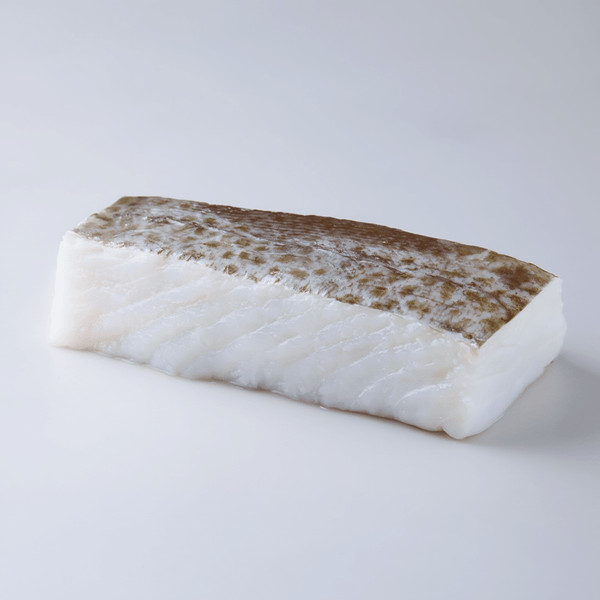
Science is clear: eating fish regularly reduces cardiovascular risk, improves brain function, strengthens bones, and can increase life expectancy. The WHO, the Spanish Heart Foundation, and the leading medical societies worldwide recommend a minimum consumption of 2-3 servings of fish per week. In this article, we analyze what scientific evidence says about the benefits of fish, break down the key nutrients (omega-3, iodine, calcium, vitamins B, A, and E), compare the nutritional profile by type of fish, and give you the keys to optimally incorporate it into your diet.
What science says: data and studies
We are not talking about opinions or nutritional fads. The scientific evidence on the benefits of fish consumption has been overwhelming and consistent for decades:
- 2021 Meta-analysis (JAMA Internal Medicine): Consuming 2+ servings of fish per week is associated with a 15% reduction in cardiovascular mortality.
- PREDIMED Study (Spain, 2013): A Mediterranean diet rich in fish reduces major cardiovascular events by 30%.
- WHO (2023): Recommends a minimum of 200 mg of daily EPA+DHA (marine omega-3s), equivalent to 2 weekly servings of fatty fish.
- Spanish Heart Foundation (FEC): Recommends 3-4 servings of fish per week, alternating between oily and white fish.
- Harvard Study (2018): People who consume fish 5+ times per week are 15% more likely to live beyond 65 years of age.
The scientific community's conclusion is unanimous: fish is one of the most complete and beneficial foods for human health, and its regular consumption should be a nutritional priority.

Omega-3: fish's star nutrient
Long-chain omega-3 fatty acids (EPA and DHA) are the most studied and valued nutrients in fish. Unlike plant-based omega-3s (ALA, found in walnuts and flaxseed), marine omega-3s have significantly higher bioavailability and direct health effects.
What do marine omega-3s do in your body?
- Reduce systemic inflammation: EPA competes with arachidonic acid (pro-inflammatory) in cell membranes, reducing the production of inflammatory cytokines.
- Protect the heart: They reduce blood triglycerides (up to 30%), blood pressure, heart rate, and the risk of arrhythmias.
- Nourish the brain: DHA constitutes 15-20% of the lipids in the cerebral cortex. It is essential for neuronal transmission, memory, and concentration.
- Protect vision: DHA is a structural component of the retina. Its deficiency is associated with macular degeneration.
- Support fetal development: Crucial during pregnancy for fetal brain and visual development.
Which fish have the most omega-3s?
Oily fish are the main source. Per 100g of edible portion:
- Salmon: 2.2 g of EPA+DHA
- Sardine: 1.8 g
- Mackerel: 1.6 g
- Anchovy: 1.4 g
- Tuna: 1.3 g
- Trout: 0.9 g
- Cod (fresh): 0.3 g (white fish, less fat)
Iodine: the mineral fish provides like no other food
Iodine is an essential mineral for thyroid function. The thyroid needs iodine to produce T3 and T4 hormones, which regulate metabolism, growth, and neurological development. Iodine deficiency is the leading preventable cause of mental retardation worldwide, according to the WHO.
Fish and seafood are the richest dietary sources of iodine:
- Cod: 170 µg per 100 g (113% of the recommended daily value)
- Mussels: 140 µg per 100 g
- Shrimp: 100 µg per 100 g
- Salmon: 50 µg per 100 g
- Tuna: 45 µg per 100 g
Cod stands out especially as a source of iodine, far exceeding other fish. A single 150g serving of cod covers almost double the daily iodine needs of an adult.

Fish vitamins: B12, D, A, and E
Vitamin B12
Vitamin B12 is essential for red blood cell formation, DNA synthesis, and nervous system function. Its deficiency causes megaloblastic anemia and neurological damage. Fish is one of the best sources:
- Sardine: 8.9 µg/100g (371% DV)
- Salmon: 4.7 µg/100g (196% DV)
- Tuna: 4.3 µg/100g (179% DV)
- Cod: 1.0 µg/100g (42% DV)
Vitamin D
Spain has sunshine, but paradoxically, vitamin D deficiency affects 40-60% of the Spanish population. Vitamin D is crucial for calcium absorption, bone health, and immune function. Oily fish is the best dietary source:
- Salmon: 11 µg/100g (73% DV)
- Sardine: 7.9 µg/100g (53% DV)
- Mackerel: 7.3 µg/100g (49% DV)
- Tuna: 4.5 µg/100g (30% DV)
Vitamins A and E
Vitamin A (retinol) is fundamental for vision, skin, and the immune system. Vitamin E acts as an antioxidant, protecting cell membranes. Both are present in oily fish, especially in cod liver (the historical source of these vitamins before modern supplements).
Calcium, phosphorus, selenium, and zinc
Beyond omega-3s and vitamins, fish provides essential minerals that many people do not get in sufficient quantities:
- Calcium: Fish eaten with bones (canned sardines, anchovies) provide up to 382 mg of calcium per 100 g, comparable to a glass of milk.
- Phosphorus: All fish are rich in phosphorus (200-300 mg/100g), essential for bone and dental mineralization.
- Selenium: Tuna, salmon, and cod are excellent sources of selenium (30-90 µg/100g), an antioxidant mineral that protects against cellular damage.
- Zinc: Present in seafood (oysters, crab) and to a lesser extent in fish, it is essential for immunity and wound healing.
Fish and cardiovascular health
The relationship between fish consumption and cardiovascular protection is one of the most solidly demonstrated in nutrition:
Protection mechanisms
- Triglyceride reduction: Omega-3s reduce blood triglycerides by 15% to 30%, one of the most important cardiovascular risk factors.
- Antithrombotic effect: EPA reduces platelet aggregation, decreasing the risk of thrombus formation (clots) in the arteries.
- Anti-inflammatory action: Chronic inflammation is a key factor in atherosclerosis. Omega-3s reduce inflammatory markers (CRP, IL-6, TNF-α).
- Heart rhythm regulation: Omega-3s stabilize the heart's electrical activity, reducing the risk of potentially fatal arrhythmias.
- Blood pressure reduction: Regular fish consumption is associated with 2-4 mmHg reductions in systolic blood pressure.
Concrete data
According to the largest prospective study conducted (EPIC-Heart, 520,000 participants in 10 European countries), people who consume 150 g or more of fish daily have a 12% lower risk of death from cardiovascular disease than those who consume less than 20 g daily.
Fish and brain function
The human brain is composed of 60% fat, and DHA is the most abundant fatty acid in its structure. It is no coincidence that populations with higher fish consumption (Japan, Iceland, Norway) show lower rates of cognitive decline and dementia.
- In adults: Consuming 2+ servings of fish per week is associated with a 20% lower risk of depression (meta-analysis 2016, Journal of Epidemiology).
- In the elderly: Regular fish consumption slows age-related cognitive decline and reduces the risk of Alzheimer's by 36% (Rush University study, 2003).
- In children: Children who consume fish 1+ times per week score 4.8 points higher on IQ tests than those who do not (University of Pennsylvania study, 2017).
- In pregnancy: Omega-3 consumption during pregnancy improves fetal neurological development and reduces the risk of premature birth.
Fish and bone health
Fish contributes to bone health through three avenues:
- Vitamin D: Oily fish is the best dietary source of vitamin D, essential for intestinal calcium absorption.
- Direct calcium: Sardines and anchovies consumed with bones provide calcium in a highly bioavailable form.
- Phosphorus: Works synergistically with calcium in bone mineralization.
A study published in Osteoporosis International (2019) found that postmenopausal women who consumed 3+ servings of fish per week had 4.2% higher bone mineral density than those who consumed less than 1 serving.
Nutrient comparison table by fish type
| Fish | Type | Calories/100g | Protein | Omega-3 | Iodine | Vit. D | Vit. B12 |
|---|---|---|---|---|---|---|---|
| Salmon | Oily | 208 kcal | 20 g | 2.2 g | 50 µg | 11 µg | 4.7 µg |
| Sardine | Oily | 185 kcal | 21 g | 1.8 g | 35 µg | 7.9 µg | 8.9 µg |
| Anchovy | Oily | 131 kcal | 20 g | 1.4 g | 30 µg | 7 µg | 3.7 µg |
| Tuna | Oily | 144 kcal | 23 g | 1.3 g | 45 µg | 4.5 µg | 4.3 µg |
| Mackerel | Oily | 205 kcal | 19 g | 1.6 g | 40 µg | 7.3 µg | 8.7 µg |
| Cod | White | 82 kcal | 18 g | 0.3 g | 170 µg | 1 µg | 1.0 µg |
| Hake | White | 89 kcal | 17 g | 0.3 g | 90 µg | 1.2 µg | 1.1 µg |
| Sea bass | White | 97 kcal | 18 g | 0.6 g | 60 µg | 3.4 µg | 2.0 µg |
| Sea bream | White | 100 kcal | 19 g | 0.5 g | 55 µg | 3.0 µg | 1.5 µg |
How much fish should you eat? Official recommendations
The main health organizations worldwide agree on their recommendations:
- WHO: Minimum 1-2 servings of fish per week (250-500 mg of daily EPA+DHA)
- Spanish Heart Foundation: 3-4 weekly servings, alternating oily and white fish
- Spanish Society of Community Nutrition (SENC): 3-4 weekly servings
- American Heart Association: Minimum 2 servings of fatty fish per week
- EFSA (European Food Safety Authority): 250 mg daily of EPA+DHA for adults
A "serving" is approximately 125-150 g of fish (raw weight). This means that with 3 normal-sized fish meals a week, you are within the recommendations.
Oily fish vs. white fish: which is better?
It's not about choosing one or the other, but combining both:
Oily fish: salmon, sardine, anchovy, tuna, mackerel
- Rich in omega-3, vitamin D, and B12
- Higher in calories (130-210 kcal/100g)
- Ideal for cardiovascular and brain protection
- Stronger flavor
White fish (lean): cod, hake, sea bass, sea bream, sole
- Rich in iodine, protein, and low in calories
- Lower in calories (80-100 kcal/100g)
- Ideal for weight management diets and thyroid function
- Milder flavor, greater culinary versatility
The optimal recommendation is 2 servings of oily fish + 1-2 servings of white fish per week. This way, you cover your omega-3 needs with oily fish and your iodine needs with white fish.
The mercury issue
Mercury in fish is a legitimate concern that requires nuance. Not all fish accumulate mercury equally:
Fish with LOW mercury (safe for frequent consumption)
- Sardine, anchovy, salmon, trout, cod, hake, sea bream, sea bass, small mackerel
Fish with HIGH mercury (limit consumption)
- Swordfish, shark/dogfish, large bluefin tuna, pike
The AESAN (Spanish Agency for Food Safety) recommends that pregnant women, breastfeeding mothers, and children under 10 years old avoid the 4 high-mercury fish. For the rest of the adult population, consumption is advised to be limited to 1-2 servings per month.
The trick is simple: small fish (sardines, anchovies) with short lifespans have negligible mercury levels. Large, predatory, and long-lived fish (large bluefin tuna, swordfish) accumulate more. Choose small and medium-sized fish for frequent consumption.