Summary
The Canary Islands have their own cuisine, distinct from the rest of Spain. African, American, and peninsular influences blend in a gastronomy where mojo sauce, papas arrugadas (wrinkled potatoes), and gofio are hallmarks. In this guide: Canary-style cod: volcanic flavors for an Atlantic fish, Ingredients for 4 people, How to make papas arrugadas.
Canary-style cod: volcanic flavors for an Atlantic fish
The Canary Islands have their own cuisine, distinct from the rest of Spain. African, American, and peninsular influences blend in a gastronomy where mojo sauce, papas arrugadas (wrinkled potatoes), and gofio are hallmarks. Cod arrived in the islands from the fishing grounds of the Sahara and Iceland, and Canarians learned to cook it with ingredients from their volcanic larder.
Canary-style cod combines desalinated cod loins with the two great mojo sauces: red (mojo picón, with pepper and paprika) and green (cilantro or parsley mojo). Accompanied by papas arrugadas—those small potatoes cooked with a lot of salt that end up with wrinkled skin and a white crust—it forms a dish that is pure Canarian identity.
What makes this preparation special is the contrast. The cod, soft and salty. The red mojo, spicy and smoky. The green mojo, fresh and herbaceous. The potatoes, concentrated and earthy. Each bite is different depending on the combination.
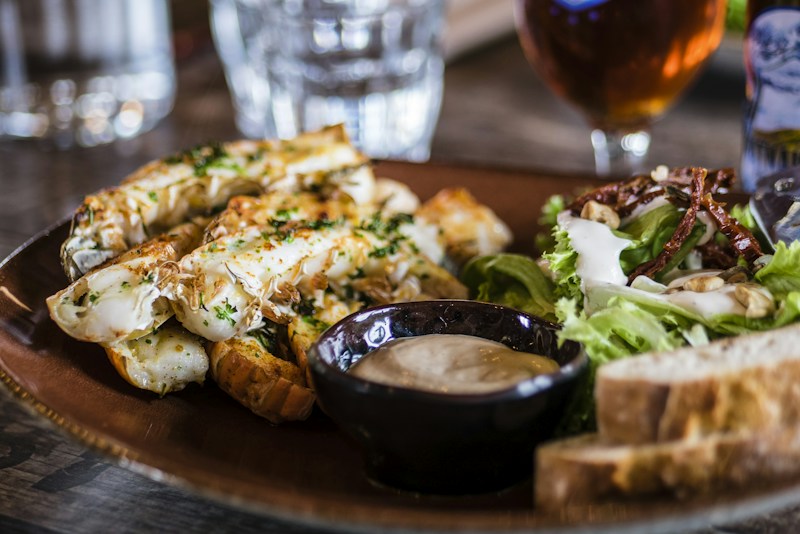
Ingredients for 4 people
For the cod:
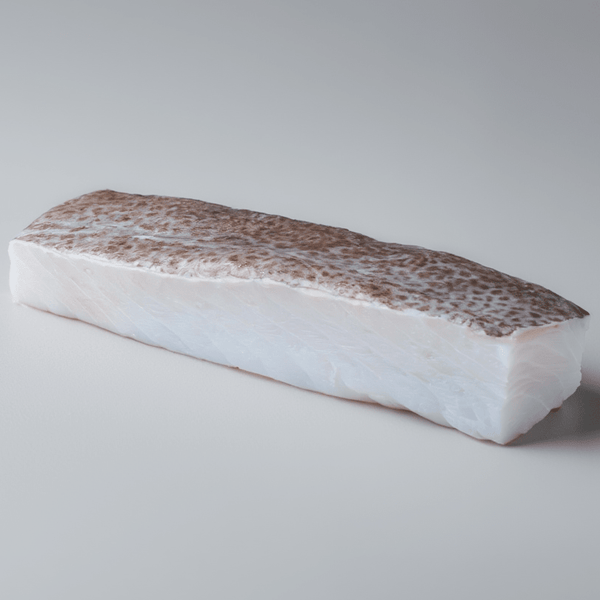
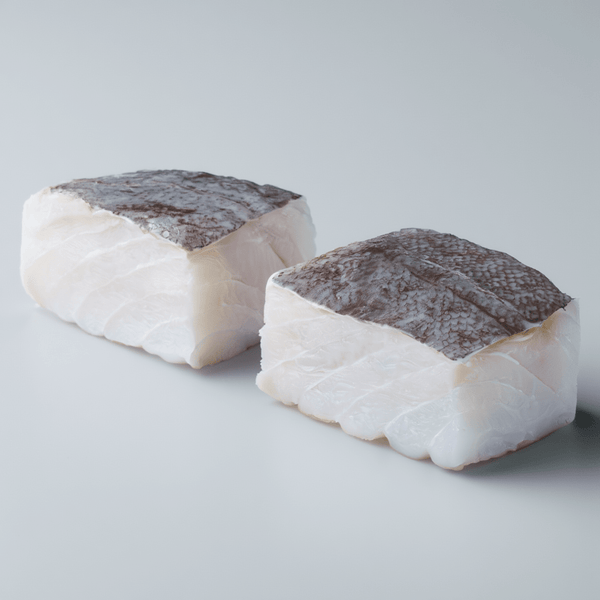
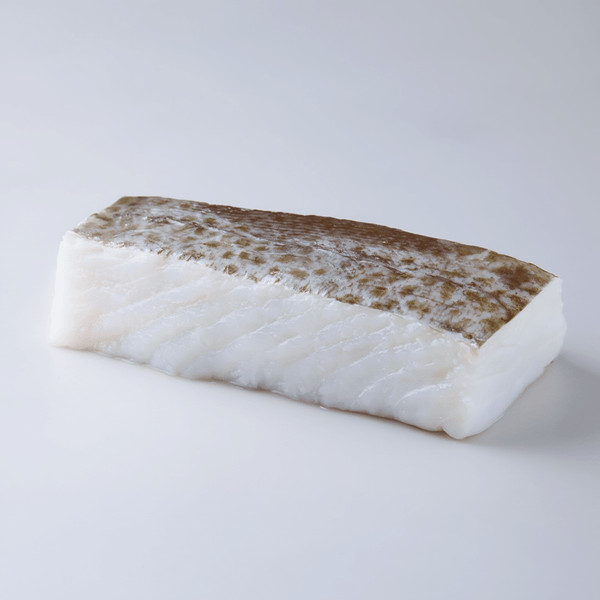
- 600 g desalinated cod (thick loins)
- 500 g small potatoes (Canarian type, bonita or similar)
- 100 g coarse salt (for the papas arrugadas)
- Extra virgin olive oil for frying
- Flour for coating
For the red mojo (picón):
- 4 cloves garlic
- 1 teaspoon cumin seeds (or ground)
- 1 dried choricero pepper (rehydrated) or 1 teaspoon Pimentón de la Vera (smoked paprika)
- 1-2 dried chilies (adjust to spicy taste)
- 100 ml extra virgin olive oil
- 2 tablespoons wine vinegar
- Salt
For the green mojo:
- 4 cloves garlic
- 1 large bunch fresh cilantro (or parsley, if you don't like cilantro)
- 1 teaspoon cumin seeds
- 1 small green pepper
- 100 ml extra virgin olive oil
- 2 tablespoons wine vinegar
- Salt
How to make papas arrugadas (wrinkled potatoes)
Papas arrugadas seem easy, and they are, but they have their technique.
- Wash the potatoes (do not peel them). Choose small potatoes, about the size of a large walnut or a small egg. They should all be of similar size so they cook evenly.
- Place them in a pot and cover with water. Add 100 g of coarse salt for every liter of water. Yes, it seems like a lot. That amount is correct.
- Bring to a boil and cook for 20-25 minutes until tender (prick with a toothpick). Depends on the size.
- Drain almost all the water, leaving only 1-2 cm at the bottom. Return the pot to low heat, uncovered, and let the water evaporate. Move the pot occasionally.
- The potatoes will begin to wrinkle and become covered with a white salt crust. When they are dry and wrinkled, remove from heat.
The secret is in the final evaporation. The potatoes should be dry on the outside, with wrinkled skin and a thin layer of salt crystals. Inside, the flesh is creamy and concentrated.
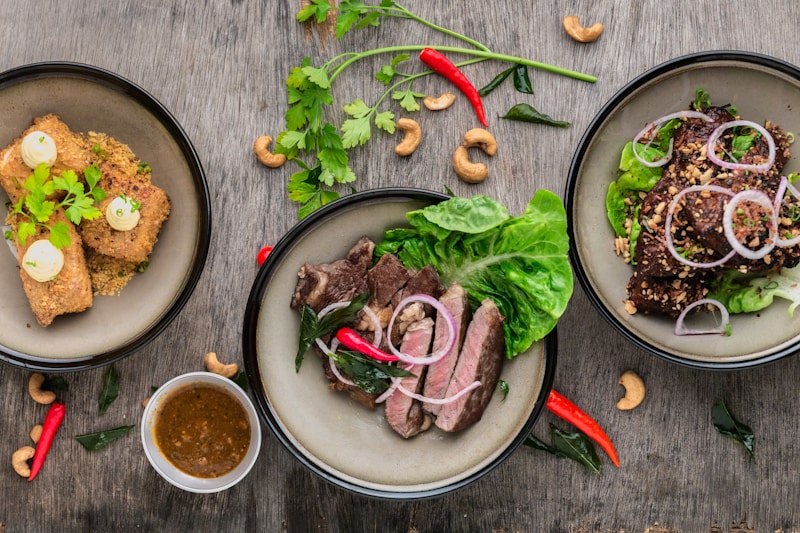
How to make the mojo sauces
Red mojo:
- If using dried choricero pepper, rehydrate it for 20 minutes in hot water and scrape out the flesh. If using paprika, skip this step.
- In a mortar (or blender), crush the garlic with the salt and cumin until a paste forms.
- Add the chopped chili and the choricero pepper flesh (or paprika). Grind until incorporated.
- Gradually add the oil in a thin stream while continuing to stir. Finish with the vinegar.
- Adjust salt and spiciness. The red mojo should have a clear but not aggressive spiciness.
Green mojo:
- Crush the garlic with the salt and cumin in the mortar.
- Add the chopped green pepper and grind.
- Incorporate the chopped cilantro (or parsley). Grind until an irregular green paste is obtained.
- Add the oil in a stream and finish with the vinegar.
- It should be slightly more liquid than the red mojo. If necessary, add a tablespoon of water.
Mojo sauces can be made with a blender, but a mortar gives a more rustic and authentic texture. If using a blender, pulse briefly to avoid making them too smooth.
Preparation and assembly of the cod
- Dry the cod. With kitchen paper, remove all surface moisture from the loins. Damp cod spatters when frying and doesn't brown well.
- Flour. Coat the loins in flour, shaking off the excess.
- Fry. Heat plenty of olive oil in a frying pan over medium-high heat. When the oil is hot (but not smoking), fry the loins for 3-4 minutes on the flesh side and 2 minutes on the skin side. They should be golden on the outside and juicy on the inside.
- Drain. Remove the loins and place them on absorbent paper.
- Assemble the dish. On each plate: a cod loin, a handful of papas arrugadas, a generous drizzle of red mojo on one side and green mojo on the other.
In the Canary Islands, mojo sauces are served in separate sauce boats so that each diner can serve themselves to their liking. Some prefer more red, others more green. Some mix both on the cod. Anything goes.
Canarian cod variations
Canarian sancocho with cod. Sancocho is the most representative dish of Canarian cuisine. It includes salted fish (cherne or cod), sweet potatoes, potatoes, mashed gofio, and mojo. It is a celebratory dish, typical of Good Friday, prepared in large quantities to share with family.
Canarian onion-braised cod. Fried cod loins on a bed of slowly sautéed onion with a touch of vinegar. Served with green mojo. It is simpler than the version with papas arrugadas but just as tasty.
Ropa vieja de bacalao (cod "old clothes"). Made with leftover cod from the previous day, shredded and sautéed with peppers, onion, and chickpeas. It is a typical leftover dish for Lenten Mondays.
To drink, a Lanzarote wine (volcanic Malvasia) or a Tenerife white wine. Canarian wines have a minerality that pairs very well with cod and mojo.
Premium Seafood Products — Bacalalo
Since 1990, selecting the best from the sea at Mercat del Ninot, Barcelona. Refrigerated shipping 24-48h.
View desalinated cod →🛒 Products mentioned in this article
⭐ 4.9/5 · Chilled shipping 24-48h · Since 1990 at Mercat del Ninot
Frequently asked questions
Can I use regular potatoes for papas arrugadas?
Yes, but choose the smallest ones you can find. Canarian potatoes (papa negra or bonita) have a flourier texture that wrinkles better. Waxy potatoes like ratte don't work as well: they stay too smooth and don't absorb the salt in the same way.
Does the red mojo have to be very spicy?
Not necessarily. The level of spiciness is adjusted with the amount of chili. For a mild spice, use only half a chili. For a very spicy mojo, use 2-3 chilies. The Canarian tradition is for it to be spicy but not overpowering: there should be heat, not pain.
Can I make the mojo sauces in advance?
Yes, and they improve with resting. Store them in glass jars in the refrigerator for up to 5-7 days. Take them out 30 minutes before serving so they reach room temperature. The green mojo loses some color over the days, but the flavor remains.
Can Canary-style cod be baked?
Yes. Place the loins in a dish with a drizzle of oil and bake at 200°C for 12-15 minutes. The result is lighter than fried. Then serve with the potatoes and mojo sauces in the same way.
What is gofio and how is it used with cod?
Gofio is flour made from toasted cereals (millet or wheat), a Canarian staple food since pre-Hispanic times. It is kneaded with fish broth or mojo to form a dense ball that is eaten alongside the cod. It is an energetic accompaniment with a toasted cereal flavor that pairs very well.
Cilantro or parsley in green mojo?
In the Canary Islands, fresh cilantro is traditional. Parsley is an alternative for those who don't enjoy the taste of cilantro (some people genetically perceive it as soap). Both versions are legitimate. Cilantro gives a more intense and aromatic mojo; parsley, a milder and more herbaceous one.
Discover more