Summary: Bacalhau à Brás is one of the most iconic dishes in Portuguese cuisine. It is made with shredded cod, very fine matchstick potatoes, and creamy scrambled eggs, all cooked together in a pan with olive oil and sautéed onion. In this guide, you will find the original step-by-step recipe, the story of the tavern keeper Bras in Lisbon's Bairro Alto, a comparison of great Portuguese cod dishes, technique tips to achieve the perfect texture, and answers to 12 frequently asked questions.
Contents
- History of Bacalhau à Brás
- What Makes Bacalhau à Brás Unique
- Ingredients for 4 people
- Step-by-step recipe
- Matchstick Potato Technique
- The Creamy Point of the Egg
- Comparison of Portuguese Cod Dishes
- Pairing and Accompaniment
- Nutritional Information
- Variations of Bacalhau à Brás
- Where to Eat Bacalhau à Brás in Lisbon
- Frequently Asked Questions
History of Bacalhau à Brás
Bacalhau à Brás was born in Lisbon in the mid-19th century, in a tavern in the Bairro Alto district run by a cook known as "Bras." Legend has it that this tavern keeper devised the dish as a creative solution to use up leftover salted cod at the end of the day. He mixed it with very thinly sliced potatoes, sautéed onions, and barely cooked eggs, creating a combination that delighted his patrons and quickly spread throughout the taverns of the Portuguese capital.
Portugal has a relationship with salted cod that is unmatched by any other European country. Portuguese people call it fiel amigo (faithful friend) and boast over a thousand different recipes to prepare it. The tradition of cod began in the 15th century with fishing expeditions to Newfoundland, and for centuries it was the staple food of Lent, humble families, and sailors. Of that thousand recipes, à Brás is probably the one that best represents popular Lisbon cuisine: cheap ingredients, simple technique, and a result that transcends the sum of its components.
In Spain, Bacalhau à Brás has gained popularity in recent decades, especially in Galicia, Extremadura, and areas bordering Portugal. It has also become a common dish in signature tapas in cities like Madrid and Barcelona, where it is served in small portions as a starter or gastronomic tapa.
What Makes Bacalhau à Brás Unique
The greatness of Bacalhau à Brás lies in the contrast of textures and the technique of cooking the egg. Three main ingredients (shredded cod, crispy matchstick potatoes, and egg) are transformed into something greater than the sum of their parts when executed with precision. The potatoes provide crunch, the cod provides salt and depth of flavor, and the egg binds everything with a silky creaminess that coats every bite.
Unlike other Portuguese cod dishes, such as Bacalhau com Natas which is baked au gratin or Gomes de Sá which is assembled with boiled potatoes, à Brás is cooked entirely in a pan in less than ten minutes once all the elements are prepared. It is a last-minute dish, quick to make and served immediately, which makes it ideal for a weeknight dinner as well as for impressing guests without complications.
The onion, although sometimes omitted from the main ingredient lists, is fundamental. Slowly sautéed in olive oil until it becomes sweet and translucent, it acts as the aromatic base upon which the entire dish is built. Without a properly sautéed onion, à Brás loses half its charm.
Ingredients for 4 people
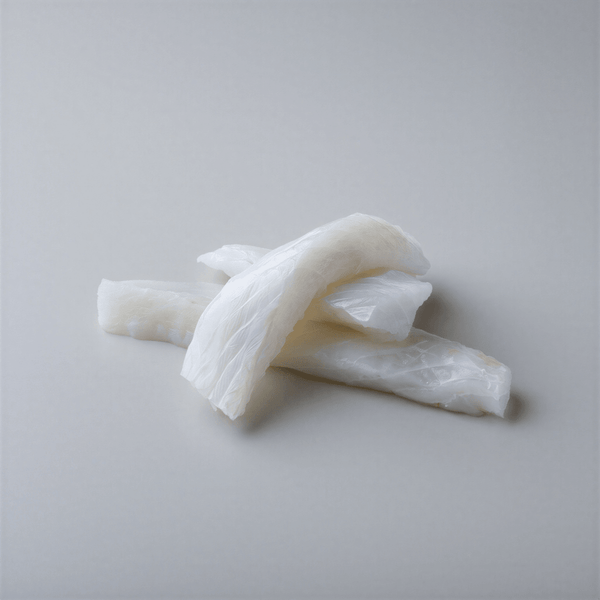
- 400g of desalted and shredded cod — skinless and boneless, in small, uniform flakes
- 400g of potatoes — cut into very fine matchsticks (2-3 mm) or good quality pre-packaged matchstick potatoes
- 6 large eggs — at room temperature
- 2 medium onions — thinly sliced julienne
- 3 cloves of garlic — sliced or finely chopped
- Extra virgin olive oil — generous amount, about 80-100 ml
- 12-15 Portuguese black olives — for garnish
- Fresh parsley — finely chopped, a good handful
- Salt — with caution, as the cod already provides saltiness
- Freshly ground black pepper
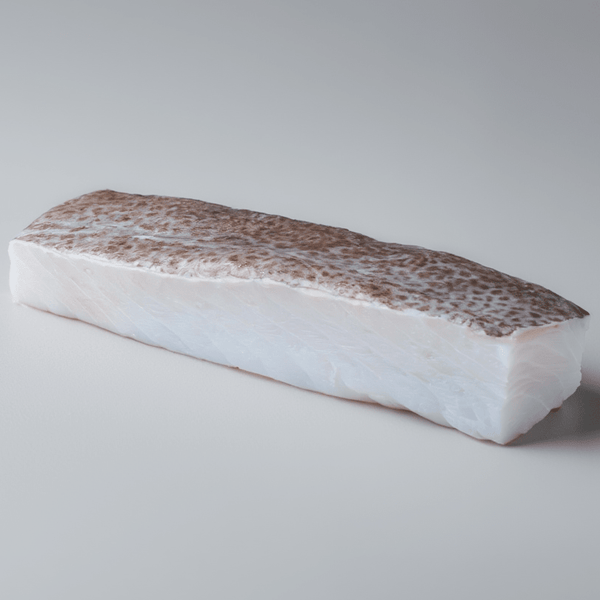
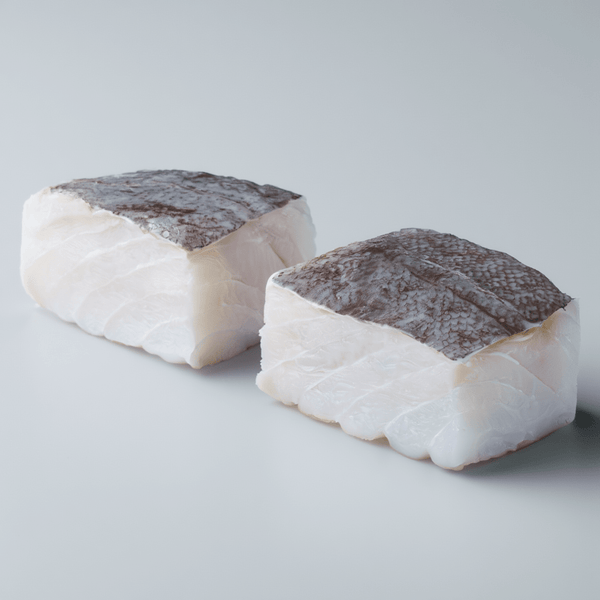
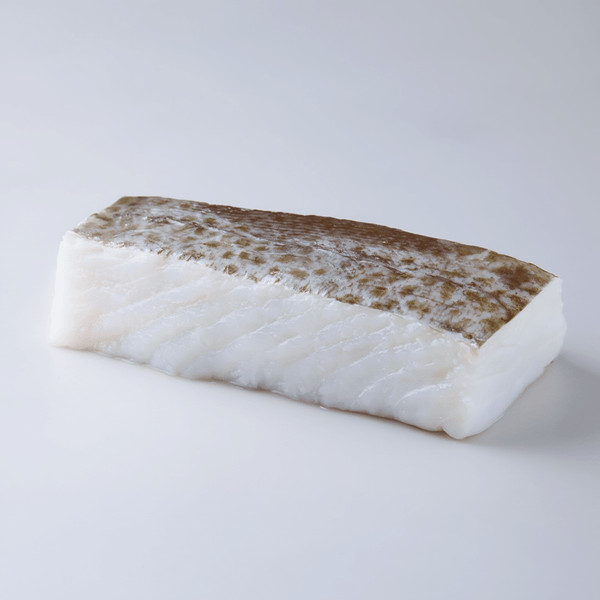
For an optimal result, use quality desalted cod that you can shred yourself, or pre-prepared cod flakes. Good cod makes all the difference in a dish where there are no sauces to mask the raw ingredients. If you need to desalt your own piece, check our guide on how to desalt cod correctly.
Related Bacalalo Products


Recommended Products

Natural Cod Foie Gras - 120g | Smoked Cod Liver from Iceland
3,90 €

CHATKA Wild King Crab 60% Legs 40% Shredded | Large Format 250g
95,00 €

Smoked Cod Carpaccio Artisan Cut | 1 Tray Pack
15,90 €

Dried Cod Cheeks (1 tray) - 500g
19,95 €
Refrigerated shipping 24-48h to the entire Peninsula
Step-by-step recipe
- Prepare and fry the matchstick potatoes: peel the potatoes and cut them into strips 2-3 millimeters thick using a mandoline or a very sharp knife. Dry them with paper towels. Heat plenty of mild olive oil (or sunflower oil) to 180 °C and fry the potatoes in small batches for 2-3 minutes until golden and crispy. Drain them on absorbent paper and set aside.
- Sauté the onion: in a large, deep frying pan (preferably non-stick, 28-30 cm), pour a good splash of extra virgin olive oil. Add the thinly sliced julienne onion and cook over medium-low heat for 15-20 minutes, stirring occasionally, until completely transparent, soft, and sweet. Don't rush this step.
- Add the garlic: when the onion is ready, add the sliced garlic and sauté for two more minutes until fragrant but not browned.
- Sauté the cod: increase the heat slightly to medium. Add the shredded cod to the sautéed mixture and stir for 3-4 minutes to integrate with the onion and absorb the flavors. The flakes should be thoroughly heated but not dried out.
- Add the matchstick potatoes: incorporate the fried potatoes into the pan and mix with gentle movements to avoid breaking them too much. Reduce the heat to medium-low.
- Pour in the eggs: lightly beat the eggs in a bowl (so that streaks of whites and yolks are visible, not a homogeneous mixture). Pour them over the cod and potato mixture. Stir immediately with a wooden or silicone spatula, using constant folding motions for 2-3 minutes. The egg should partially set, remaining creamy, glossy, and slightly moist.
- Serve immediately: remove the pan from the heat when the egg still appears a little liquid (residual heat will complete the cooking). Divide into warm plates, sprinkle with fresh chopped parsley, and garnish with black olives.
Matchstick Potato Technique
Matchstick potatoes are the element that visually distinguishes Bacalhau à Brás from any other dish. They should be cut into strips no thicker than 3 millimeters, as uniformly as possible so they fry evenly. The ideal tool is a mandoline with a julienne attachment, though a sharp knife and patience will yield an equally valid result.
Once cut, it is essential to wash them in cold water to remove excess starch and then dry them thoroughly with a kitchen towel or absorbent paper. Residual moisture causes splattering when frying and, worse, prevents the potatoes from becoming crispy. Fry them in small batches at 180 °C: if you overload the pan, the temperature drops, and the potatoes absorb oil instead of browning.
In Portugal, many home cooks directly use pre-packaged matchstick potatoes from the supermarket, and even restaurants don't consider it heresy. If you opt for this alternative, choose a quality brand with simple ingredients (potato, oil, and salt) and add them at the last minute to maintain their crispness. The advantage of making them homemade is that they are less dry and integrate better with the creamy egg.
The Creamy Point of the Egg
This is the step that separates an ordinary Bacalhau à Brás from an extraordinary one. The technique is similar to French scrambled eggs: low heat, constant movement, and removing it sooner than your instinct tells you. The egg should have a silky, glossy, and slightly trembling texture, never dry or set into firm curds.
The most common mistake is to use too high heat. At high temperatures, the egg sets in seconds, forming dry, rubbery fragments that stick to the potatoes without binding them. Over medium-low heat, the egg distributes evenly and coats each flake of cod and each potato stick in a thin, creamy layer. You must stir constantly with a wide spatula, making folding motions from the edges to the center.
The golden rule is to remove the pan from the heat when the egg still seems too moist. The residual heat from the pan, potatoes, and cod will continue to cook the egg during the minute it takes to serve. If you wait until it looks ready in the pan, it will be overcooked on the plate. It is better to undercook slightly and serve immediately.
Comparison of Portuguese Cod Dishes
Portugal boasts dozens of classic cod preparations, each associated with a region, a history, and a different technique. Below, we compare the four most emblematic to understand what distinguishes à Brás from the rest.
| Dish | Origin | Key Ingredients | Technique | Final Texture |
|---|---|---|---|---|
| Bacalhau à Brás | Lisbon (Bairro Alto) | Shredded cod, matchstick potatoes, eggs, onion, olives | Pan-fried, creamy scrambled egg | Creamy, crispy, loose |
| Bacalhau com Natas | Northern Portugal | Shredded cod, cream, fried potatoes, onion, béchamel | Oven-baked, au gratin with cream and cheese | Gratinated, melting, rich |
| Bacalhau à Gomes de Sá | Porto | Flaked cod, boiled potato, onion, hard-boiled egg, olives | Oven-baked, layered assembly | Firm, juicy, baked |
| Bacalhau Espiritual | Convent, central Portugal | Shredded cod, sliced bread, milk, carrot, béchamel | Oven-baked, soufflé-like with béchamel | Spongy, light, gratinated |
À Brás is the only one of the four great dishes that is cooked entirely in a pan and served immediately. This immediacy is both its greatest virtue (a dish ready in minutes) and its limitation (it doesn't tolerate waiting or reheating). In contrast, Gomes de Sá or Bacalhau com Natas can be assembled in advance and baked at the last minute, making them more practical for meals with guests.
Pairing and Accompaniment
Bacalhau à Brás is a self-sufficient dish that rarely needs a side, but the right wine and accompaniments can elevate the experience. The classic pairing in Portugal is a young, slightly sparkling white Vinho Verde, whose fresh acidity cuts through the richness of the egg and fried potatoes. Other excellent Portuguese options include an Alvarinho from Minho or a full-bodied white from Dão.
If you prefer Spanish wines, an Albariño from Rías Baixas works perfectly for the same aromatic logic: minerality, lively acidity, and citrus notes that cleanse the palate. A Godello from Valdeorras or a young Verdejo from Rueda are also good alternatives. Avoid wines with too much oak or body, as they will compete with the subtlety of the dish.
As for accompaniments, it is common in Portugal to serve à Brás alone, perhaps with a simple green salad dressed with olive oil and wine vinegar. Some restaurants serve it with a few slices of ripe tomato. You can complete a Portuguese meal with a starter soup, such as the classic caldo verde, and a dessert like pastéis de nata.
Nutritional Information
Bacalhau à Brás is a nutritious and energetic dish thanks to the combination of protein from cod and egg with carbohydrates from potatoes. Below are the approximate nutritional values per serving.
| Nutrient | Per serving (approx.) | % Daily Value* |
|---|---|---|
| Energy | 420-460 kcal | 21 % |
| Protein | 32 g | 64 % |
| Total fat | 24 g | 34 % |
| Saturated fat | 5.5 g | 28 % |
| Carbohydrates | 22 g | 8 % |
| Fiber | 2.5 g | 10 % |
| Sodium | 680 mg | 28 % |
| Omega-3 (EPA+DHA) | 0.3 g | — |
*Based on a 2,000 kcal diet. Values are indicative and vary depending on the amount of oil used and the type of cod.
Cod is one of the leanest protein sources from the sea, with barely 1% fat. Eggs provide complete protein and B vitamins, while olive oil adds healthy monounsaturated fats. If you want to reduce calories, use fewer potatoes and more cod, and sauté the onion with less oil.
Bacalhau à Brás Variations
The original recipe allows for adaptations that respect the essence of the dish without betraying it. In Portugal, each family has its own version with slight nuances, and some modern restaurants have created variations that are now classics in their own right.
À Brás with prawns: replace half of the cod with peeled, raw prawns. Add them to the pan one minute before incorporating the eggs so they cook just right. The combination of the cod's saltiness with the prawns' sweetness is exceptional. It's the most popular variation in Algarve coastal restaurants.
À Brás with peppers: add finely sliced red and green peppers to the onion sofrito. Cook them together for the last five minutes of sautéing. They add color, a sweet touch, and a slightly crunchy texture that complements the straw potatoes. This is a common version in the Alentejo.
Mushroom À Brás: for a fish-free version, replace the cod with a mix of mushrooms (button, shiitake, and oyster mushrooms), previously sautéed with garlic until they release all their water and brown. It's not strictly à Brás, but the concept works well and is an option for vegetarians. You can also explore our recipes for using leftover cod flakes for ideas.
Where to Eat Bacalhau à Brás in Lisbon
If you visit Lisbon and want to try an excellent Bacalhau à Brás, several establishments stand out for their version of the dish. Cervejaria Ramiro, on Avenida Almirante Reis, is famous for its seafood but prepares an impeccable à Brás as a starter. In the Alfama neighborhood, Tasca do Chico serves a traditional tavern version with live fado. Solar dos Presuntos, near Praça dos Restauradores, is one of Lisbon's most famous restaurants, and its à Brás has been a benchmark for decades.
For a more modern experience, chef José Avillez's Belcanto, with two Michelin stars, offers a deconstructed version of à Brás that respects the original flavors but reinvents the presentation. However, for many Lisboetas, the best à Brás is eaten at home, prepared by grandma with a worn pan and without measuring ingredients. And this dish, like so many popular recipes, improves with practice, confidence, and the intuitive touch of someone who has been making it all their life.
If you want to explore more classic cod recipes, both Portuguese and Spanish, our guide to recipes with desalted cod brings together ideas for all skill levels.
🛒 Products mentioned in this article
⭐ 4.9/5 · Chilled delivery 24-48h · Since 1990 at Mercat del Ninot
Frequently Asked Questions
What is the origin of the name "à Brás"?
The name comes from the tavern owner Bras (or Brás in Portuguese), who ran a tavern in Lisbon's Bairro Alto neighborhood in the mid-19th century. According to oral tradition, Bras invented the dish to make use of leftover salted cod, combining it with fried potatoes and eggs. Its success was such that customers began to ask for the dish by the cook's name, and thus the denomination was established.
Can Bacalhau à Brás be reheated?
Technically yes, but the result loses a lot of quality. The straw potatoes soften and lose their crispiness, and the egg dries out when reheated. If you have leftovers, the best option is to reheat it over very low heat in a pan with a drizzle of olive oil and a tablespoon of water, covered, for two or three minutes. Even so, it will not be as good as freshly made, so it is advisable to calculate quantities well.
Can I use store-bought straw potatoes?
Yes, and many Portuguese regularly do so at home without any qualms. Store-bought straw potatoes save a lot of time and give a decent result, although their texture is somewhat drier and crispier than homemade ones. Choose a brand with simple ingredients and add them to the pan at the last minute to keep them crispy before mixing with the egg.
What is the difference between Bacalhau à Brás and Bacalhau à Gomes de Sá?
They are two completely different dishes in technique and result. À Brás uses shredded cod, fried straw potatoes, and creamy scrambled egg, all cooked in a pan. Gomes de Sá uses large cod flakes, sliced boiled potatoes, onion, hard-boiled egg, and olives, layered and baked in the oven. The first is creamy and quick, the second is more substantial and can be prepared in advance.
Can Bacalhau à Brás be made with fresh cod?
It can, but the result will not be the same. Salted cod has a firmer texture and a more concentrated flavor that allows it to be shredded into strands that integrate perfectly with the potatoes and egg. Fresh cod is wetter and breaks into soft pieces, losing that characteristic texture. If you still want to try it, lightly roast the fresh cod before shredding it to reduce moisture.
How many calories are in a serving of Bacalhau à Brás?
A standard serving provides approximately 420 to 460 kilocalories, depending on the amount of oil used for frying the potatoes and sautéing the onion. It is a protein-rich and energetic dish thanks to the combination of cod, eggs, and fried potatoes. To make it healthier, you can reduce the proportion of potatoes and increase the cod, or use the technique of baking the potatoes in the oven.
What type of cod is best for à Brás?
Ideally, good quality desalted salted cod, preferably from the loin or center, which has long fibers and shreds well. Avoid tail cuts, which are thinner and fall apart too much. The cod should be in small flakes but still have some presence, not mashed. At Bacalalo you will find premium quality pieces ideal for this dish.
How long does it take to make Bacalhau à Brás?
The total time is about 40-45 minutes, including ingredient preparation. The longest step is sautéing the onion, which takes 15-20 minutes over low heat. Frying the potatoes takes another 10-15 minutes. The final pan phase, from adding the cod until serving, takes no more than 8-10 minutes. If you use store-bought straw potatoes, you can have the dish ready in 25 minutes.
What wine pairs best with Bacalhau à Brás?
The classic pairing is a young, refreshing white Portuguese Vinho Verde, which cuts through the richness of the egg and fried potatoes. Other excellent options include an Alvarinho from Minho, an Albariño from Rías Baixas, or a Godello from Valdeorras. The important thing is that it is a white wine with good acidity and not too much oak, so as not to compete with the delicacy of the dish.
Can Bacalhau à Brás be prepared in advance?
It is not advisable to assemble the complete dish in advance, as the egg will overcook and the potatoes will lose their crispiness. What you can do is prepare all the components separately: shredded cod, sautéed onion, fried potatoes, and beaten eggs. When serving, heat the onion with the cod in the pan, add the potatoes, and pour in the egg. It will be ready in five minutes.
Is Bacalhau à Brás a healthy dish?
It is a nutritious dish with a good protein profile thanks to cod and eggs. However, the presence of fried potatoes and olive oil makes it a caloric recipe if quantities are not controlled. To make it healthier, you can bake thinly sliced potatoes with a little cooking spray until crispy, reduce the amount of oil when sautéing, and increase the proportion of cod relative to potatoes.
Can I add vegetables to Bacalhau à Brás?
The original recipe does not include vegetables beyond onion and garlic, but variations with red and green peppers are very popular in Portugal, especially in the Alentejo region. You can also add sautéed wild asparagus or fresh spinach incorporated at the end with the egg. The important thing is that any addition respects the balance of the dish and does not detract from the fundamental trio of cod, potatoes, and egg.
Related Guides
- 15 desalted cod recipes
- Bacalao al pil pil: Basque recipe step by step
- Cod and chickpea stew: traditional recipe
- How to desalt cod quickly and properly at home
- Baked gratin cod with aioli
- Cod in green sauce with clams
- Cod with potatoes baked or in a stew
It all starts with good shredded cod. Discover our selection of premium desalted cod and salted cod of Icelandic and Norwegian origin at Bacalalo, your trusted store since 1990.