

Summary: Canned light tuna is one of the most consumed products in Spain. Found in practically every pantry, it is versatile, nutritious, and affordable. However, the difference between a mediocre can and a premium quality one can be huge. In this guide, we teach you how to choose the best tu...
Contents
- What exactly is light tuna?
- Types of canned light tuna by packing medium
- Comparison of light tuna brands
- How to read canned tuna labels
- Formats and sizes: which one is right for you?
- Nutritional value of canned light tuna
- Storage and shelf life
- Our recommendations at Bacalalo
- Frequently asked questions about canned light tuna
- Frequently asked questions
- Conclusion
Canned light tuna is one of the most consumed products in Spain. Found in practically every pantry, it is versatile, nutritious, and affordable. However, the difference between a mediocre can and a premium quality one can be huge. In this guide, we teach you how to choose the best light tuna according to your needs, budget, and preferences.
If you're looking for information on albacore tuna, we recommend our complete guide to canned albacore tuna, as these are distinct products with very different characteristics.
What exactly is light tuna?
Light tuna (Thunnus albacares, known as yellowfin) is a species of tuna that inhabits tropical and subtropical waters in all oceans. It is distinguished from albacore tuna by its pinker flesh, firmer texture, and less intense flavor.
In Spain, light tuna accounts for more than 70% of the canned tuna consumed. Its more accessible price and versatility in the kitchen make it the preferred choice for everyday use. To better understand the differences between the two, consult our article on the difference between albacore tuna and light tuna.
Types of canned light tuna by packing medium
Light tuna in olive oil
The most traditional and appreciated option in Spanish gastronomy. Olive oil provides a smooth, rounded flavor that complements the tuna's flesh without masking it. It is the best choice for salads, toasts, and dishes where tuna is the star.
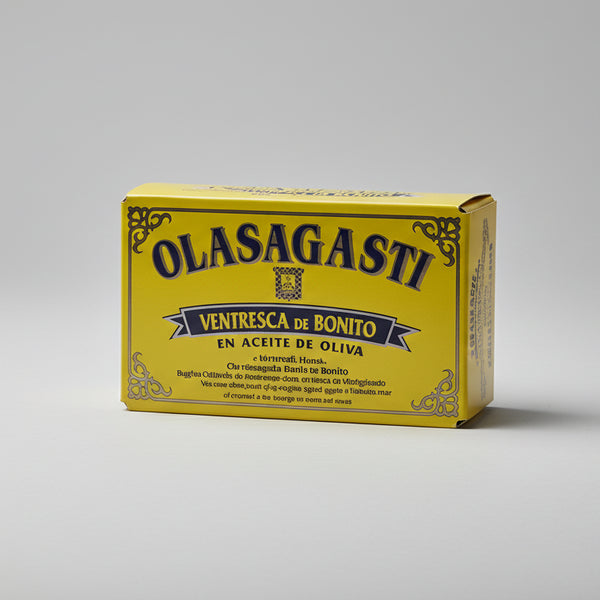
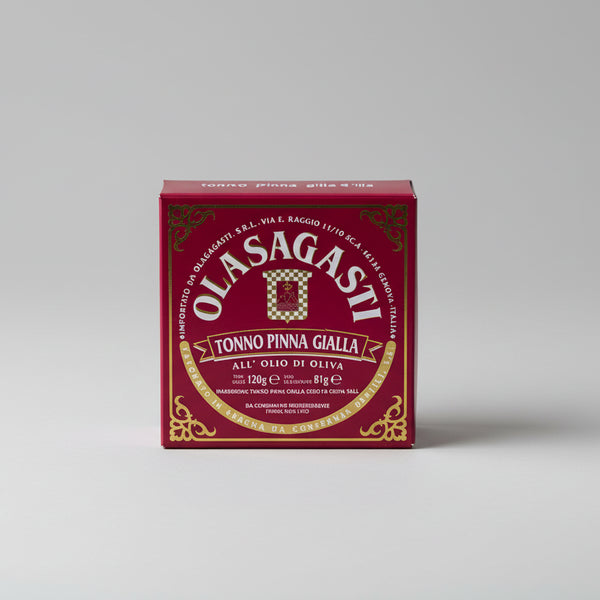
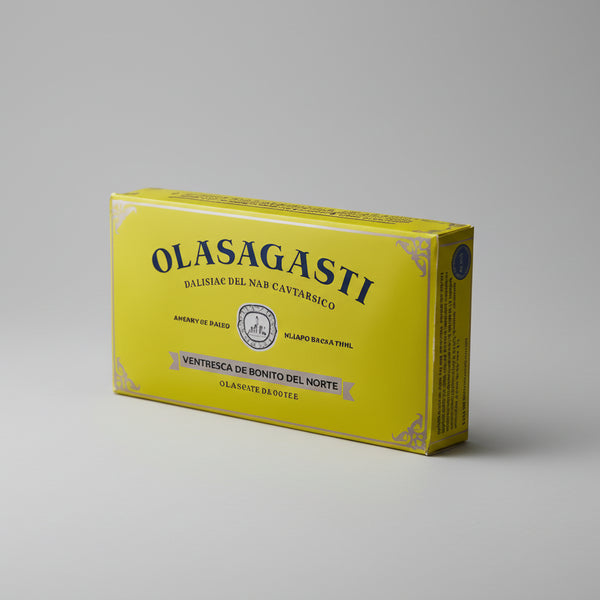
The Olasagasti Light Tuna Loin (120g) is a perfect example: made with quality olive oil, it maintains the tuna's texture and flavor at its best. At €3.95 per can, it offers excellent value for money for daily use.
Light tuna in sunflower oil
A more economical alternative with a more neutral flavor. Sunflower oil does not contribute as much to the final taste, but it allows the tuna's flesh to stand out on its own. It is ideal for recipes where tuna is mixed with other strong ingredients such as tomato sauces or vinaigrettes.
For those looking for quantity at a good price, the La Palmera Tuna in Sunflower Oil (1kg) at €9.90 is an unbeatable option for catering or large families.
Light tuna in escabeche
Escabeche adds a tangy and spiced touch that completely transforms the experience. Vinegar, paprika, bay leaf, and other seasonings create a flavorful liquid that many use as a sauce. Perfect for tapas, sandwiches, and salads with character.
Light tuna in brine
The lightest option, preserved only in its own juices and water with salt. Ideal for calorie-controlled diets or for those who prefer the pure taste of fish. It contains less fat but also less palatability than the oil versions.
Comparison of light tuna brands
Not all light tuna brands offer the same quality. These are the main differences:
Premium brands: Olasagasti and Ortiz
Canneries in the Basque Country and Cantabria lead in quality. They use selectively fished tuna, extra virgin olive oil, and artisanal preparation methods. The loins are whole, the texture is juicy, and the flavor is clean.
The Olasagasti Light Tuna Loins (315g) at €13.95 are a generous format with whole loin pieces, perfect for special salads or dishes where tuna is the absolute star.
Mid-range brands: Dardo and Albo
They offer a remarkable balance between quality and price. The tuna is of good origin, the cuts are regular, and the packing medium is correct. Dardo Light Tuna at €12.90 is a solid reference in this category, with consistent pieces and defined flavor.
Mass-market brands: Calvo, Isabel, Jealsa
Large supermarket brands offer very competitive prices but with notable differences: the tuna is usually presented in smaller pieces (flakes or shredded instead of loins), the oil is of lower quality, and the proportion of meat to liquid is lower.
Related Products from Bacalalo


How to read canned tuna labels
Knowing how to interpret the label will allow you to make better choices without being guided solely by price:
- Species: Look for "Thunnus albacares" (yellowfin/light tuna) or "Thunnus alalunga" (albacore tuna). Be wary of labels that only say "tuna" without specifying.
- Cut format: "Lomos" (loins) or "tronco" (trunk) indicates whole, higher-quality pieces. "Trozos" (pieces) are regular pieces. "Migas" (flakes) or "rallado" (shredded) are remnants, the lowest quality.
- Packing medium: "Aceite de oliva virgen extra" (extra virgin olive oil) > "Aceite de oliva" (olive oil) > "Aceite vegetal" (vegetable oil) (usually sunflower).
- Net weight vs drained weight: Drained weight is the actual meat content. A can might say 120g but contain only 80g of tuna. Good brands have drained weight ratios of 65-75%.
- FAO catching area: Areas 27 (Northeast Atlantic) and 34 (East Central Atlantic) usually offer higher quality tuna for the Spanish market.
- Fishing method: Pole-and-line fishing is more selective and sustainable than purse seine with FAD.
Formats and sizes: which one is right for you?
The ideal format depends on your usual use:
- Small cans (80-120g): Perfect for one person, a salad, or a sandwich. The Olasagasti Light Tuna 120g is ideal for this use.
- Medium cans (200-315g): For couples or recipes requiring more quantity. The Light Tuna Loins 315g yield 2-3 generous servings.
- Large format (270g-1kg): For families or frequent use. The Cantabrian Tuna Olasagasti 270g at €11.95 offers excellent price per gram in premium quality.
- Catering format (1kg+): The La Palmera Tuna 1kg at €9.90 is the most economical option per kilo.
Nutritional value of canned light tuna
Light tuna is a very complete food from a nutritional point of view:
- Proteins: 23-26g per 100g drained product. It is one of the most concentrated protein sources.
- Fats: In olive oil, 8-12g per 100g (mostly healthy fats). In brine, only 1-2g.
- Omega-3: Provides EPA and DHA, essential fatty acids for cardiovascular health.
- Vitamins: Rich in vitamin D, B12, and niacin.
- Minerals: Good source of selenium, phosphorus, and iodine.
The WHO recommends eating fish 2-3 times a week. Canned tuna is a practical way to meet this recommendation.
Storage and shelf life
One of the great advantages of canned tuna is its durability:
- Unopened: The best-before date is usually 4-5 years from manufacturing. Store in a cool, dry place, away from direct light.
- Once opened: Transfer to a glass or ceramic container (never leave in the can), cover with olive oil, and refrigerate. Consume within 2-3 days maximum.
- Curiosity: Many experts claim that canned tuna, like fine wine, improves with age. The flesh becomes more imbued with the oil and spices, gaining in nuances.
Our recommendations at Bacalalo
In our online store, we have selected the best light tuna references to cover all needs:
- For everyday use: Olasagasti Light Tuna 120g (€3.95) — premium quality in a practical format.
- For special recipes: Light Tuna Loins 315g (€13.95) — whole loins with exceptional texture.
- Best price per gram: Cantabrian Tuna 270g (€11.95) — large format, intact quality.
- For catering or families: La Palmera Tuna 1kg (€9.90) — maximum quantity at the best price.
And if you want to explore beyond tuna, discover our complete guide to gourmet preserves or our selection of Gourmet Pantry Assortment with the best references.
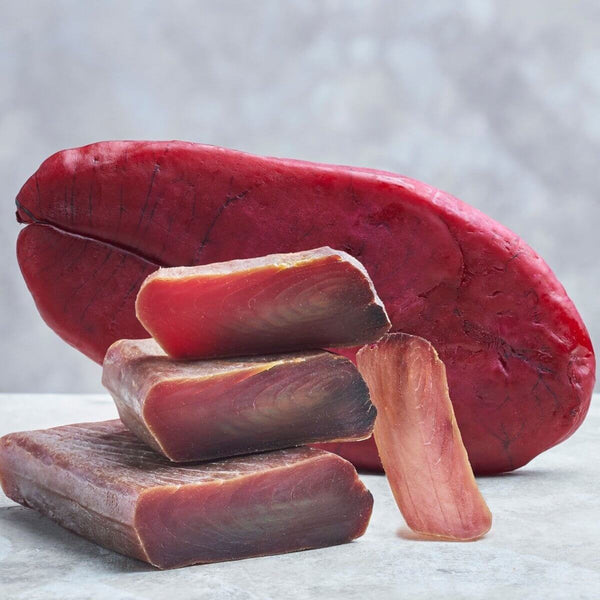
You might also be interested in our guide on tuna belly: what it is and how to cook it, the juiciest and most valued part of tuna.
Frequently asked questions
What is the difference between light tuna and albacore tuna?
They are different species. Light tuna (Thunnus albacares) has pinker flesh, firm texture, and a mild flavor. Albacore tuna (Thunnus alalunga) has white meat, is more tender, and has a more delicate flavor. Albacore tuna is more expensive due to its lower availability and seasonal fishing.
Is tuna in olive oil or sunflower oil better?
Olive oil provides better flavor, more antioxidants, and healthier fats (monounsaturated). Sunflower is more neutral and economical. For eating directly or in salads, olive oil is clearly superior. For cooking or mixing in recipes with strong sauces, sunflower may be sufficient.
How long does canned tuna last once opened?
Once opened, tuna should be transferred to a glass or ceramic container, covered, and refrigerated. Under these conditions, it lasts between 2 and 3 days. Never leave tuna in an opened can, as the metal can transfer metallic flavors and accelerate oxidation.
What do 'tronco', 'lomos', and 'migas' mean for tuna?
These are different cuts of the fish: 'lomos' (loins) are whole, higher-quality pieces; 'tronco' (trunk) are cross-sections of the loin, also of high quality; 'trozos' (pieces) are irregular portions; and 'migas' (flakes) are small fragments, the most economical category but with less aesthetic presentation.
Is it safe to eat canned tuna every day?
Light tuna contains natural mercury, like all large fish. Health authorities recommend moderate consumption: 2-3 servings per week for adults is safe. Pregnant women and children under 3 years old should limit their consumption according to AESAN recommendations.
How do I know if a light tuna brand is good quality?
Look at five indicators: that the species is specified on the label, that the format is 'lomos' (loins) or 'tronco' (trunk) (not flakes), that the medium is olive oil (not generic vegetable oil), that the drained weight/net weight ratio is high (over 65%), and that the FAO fishing area is indicated.
Does canned tuna make you gain weight?
Tuna in brine has barely 100 kcal per 100g and is almost pure protein. In olive oil, it goes up to about 180-200 kcal per 100g, but most are healthy fats. It is a highly recommended food even in weight loss diets due to its high satiety power.
Related Products from Bacalalo


🛒 Products mentioned in this article
⭐ 4.9/5 · 24-48h chilled delivery · Since 1990 at Mercat del Ninot
Discover our premium selection
Seafood products carefully selected since 1990 at Mercat del Ninot, Barcelona. Chilled delivery in 24-48h.
Conclusion
From Mercat del Ninot in Barcelona, we have been selecting the best seafood products for over 35 years. If this guide has been useful to you, explore our catalog at bacalalo.com and receive the same quality we have been selling at the market since 1990 at home.
Related guides
Discover more