

Summary: Canned fish is experiencing a golden age. What for decades was considered a lesser product, for emergencies or picnics, now features on the menus of the best restaurants and the shelves of the most exclusive gourmet stores. And for good reason: a well-made canned fish product is an e...
Content
Canned fish: a world of quality to discover
Canned fish is experiencing a golden age. What for decades was considered a lesser product, for emergencies or picnics, now features on the menus of the best restaurants and the shelves of the most exclusive gourmet stores. And for good reason: a well-made canned fish product is an extraordinary item.
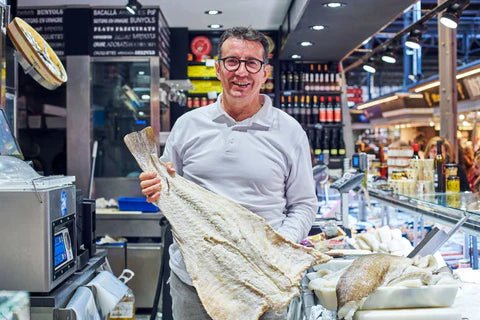
At Bacalalo, since 1990 in Mercat del Ninot in Barcelona, we have been selecting the best canned seafood. We have seen the evolution of the sector, from industrial cans to artisanal, gourmet preserves. And one thing is clear: the difference between a good preserve and a mediocre one is immense.
This guide will teach you how to choose the best canned fish, how to read labels critically, and how to distinguish real quality from empty marketing.
How to read a canned fish label
The label is your best ally in distinguishing quality. Here are the key things to look for:
Ingredients
Generally, the fewer ingredients, the better. A quality preserve has:
- Fish (should be the first ingredient and specify the species)
- Olive oil (or the covering medium)
- Salt
Be wary of long lists with additives, thickeners, flavor enhancers, or colorants. A good product doesn't need any of that.
Covering medium: olive oil vs. sunflower oil
This is probably the most important difference and the easiest to detect:
| Olive oil | Sunflower oil |
|---|---|
| Flavor that complements the fish | Neutral flavor, adds nothing |
| Rich in monounsaturated fatty acids | Rich in omega-6 (less desirable) |
| Indicator of superior quality | Indicator of an economical product |
| Higher price justified | Lower price |
If the label says "vegetable oil" without specifying, it is almost always sunflower or a blend. Premium preserves specify "olive oil" or even "extra virgin olive oil."
Origin of the fish
The best preserves specify not only the species but also the catch area:
- Cantabrian anchovies: FAO Area 27 (Northeast Atlantic)
- Galician sardines: Galician estuaries or Atlantic coast
- Bonito del Norte (Northern albacore tuna): Cantabrian Sea, fishing season from June to October
- Estuary mussels: Galician estuaries
If the label only says "Product of Spain" or worse, "Produced in Spain" (which can mean the fish comes from anywhere), traceability is low.
The best canned fish by type
Cantabrian anchovies
The jewel in the crown of Spanish preserves. Cantabrian anchovies matured in salt for months and hand-filleted are an exceptional product. Look for thick fillets, uniformly pink in color (not brown), and a buttery texture.
Our gourmet selection Cantabrian anchovies are a perfect example: large, buttery, and with that melting quality that makes them irresistible.
Sardines in olive oil
Canned sardines are the most democratic product and, when good, one of the most satisfying. Quality sardines are firm, with intact skin and a spine that can be eaten without problems. The oil should be olive oil, and size matters: smaller sardines (sardinillas) are usually more tender.
If you're looking for exceptional sardines, our Dardo sardines in olive oil are a benchmark for quality. To better understand the size differences, consult our guide on sardine vs. sardinilla.
Marinated mussels
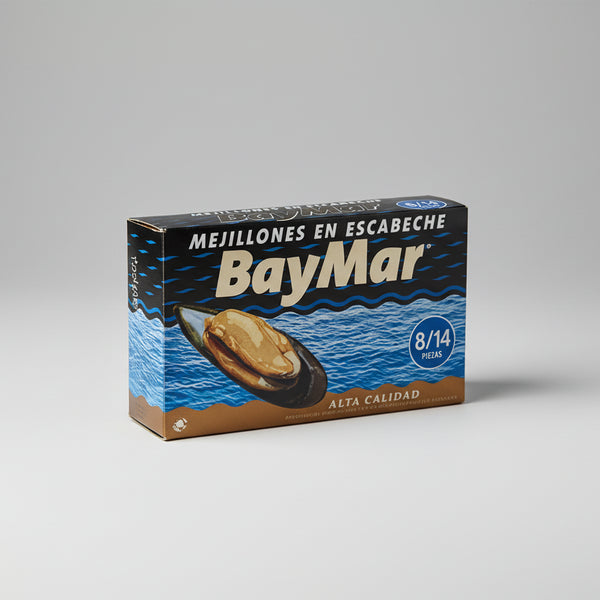
Marinated mussels are a Spanish appetizer classic. The best ones are large, plump, bright orange, and with a well-balanced marinade of vinegar and oil. Those from the Galician estuaries are the most prized.
The marinated mussels we select meet all these criteria. And if you want to delve deeper, don't miss our comparison of the best canned marinated mussels by brand and price.
Bonito del Norte (Northern albacore tuna) in olive oil
Bonito del Norte (Thunnus alalunga) in olive oil is probably the noblest canned fish. Its white, firm flesh and clean flavor clearly differentiate it from skipjack tuna, which is darker and more fibrous.
The quality difference between artisanal Bonito del Norte and industrial skipjack tuna is like comparing Iberian ham with cooked ham. Our Bonito del Norte in olive oil is a must-have for any gourmet pantry. If you want to know more about canned tuna, we recommend our guide on how to choose canned skipjack tuna.
Related products from Bacalalo

Quality ranking: from lowest to highest
Not all canned goods are created equal. This classification will help guide you:
- Basic level: fish in sunflower oil, unspecified origin, many additives. Price: €1-3 per can. Functional but of no gastronomic interest.
- Medium level: fish in olive oil, national origin, few additives. Price: €3-6. Good value for money for regular consumption.
- Premium level: specified species and origin, extra virgin olive oil, artisanal production, few large pieces per can. Price: €6-15. To enjoy as a main dish.
- Gourmet/Author level: limited production, exceptional raw materials, hand-packed, vintages. Price: €15-40+. Fine dining in a can, for special occasions.
How to store and serve canned fish
Although preserves last for years, there are practices that enhance the experience:
- Storage: cool, dry, dark place. Avoid direct sunlight and temperatures above 25°C.
- Maturation: many preserves improve with time, like wine. Sardines and bonito gain complexity between 1 and 5 years. Anchovies are best consumed fresher (6-18 months).
- Serving temperature: take the can out 30-60 minutes before consuming. At room temperature, aromas and flavors are fully expressed.
- Presentation: carefully remove the pieces from the can, place them on a plate, and drizzle with a little of their oil. Never eat directly from the can if you want to appreciate the product.
- Accompaniments: sourdough bread, picos, regañás, olives, fresh tomato, and a good white or young red wine.
Common mistakes when buying canned fish
These are the mistakes we see most frequently in our daily work at Mercat del Ninot:
- Being guided only by price: neither the most expensive is always the best, nor is cheap necessarily bad. The key is on the label.
- Confusing Bonito del Norte with skipjack tuna: they are different species. Bonito del Norte is superior in flavor and texture, but costs twice as much or more.
- Ignoring the covering medium: sunflower oil cheapens the product but adds no flavor. Olive oil is always preferable.
- Not rotating stock: although preserves last for years, it's good practice to follow the FIFO (first in, first out) system. Don't accumulate cans indefinitely.
- Serving cold: preserves straight from the pantry or cold fridge do not express their full potential. Always bring them to room temperature.
- Throwing away the oil: the oil from the preserve is liquid gold. It is infused with the flavors of the fish and is perfect for dressing salads, dipping bread, or preparing vinaigrettes.
Canned fish are one of the great treasures of Spanish gastronomy. Learning to choose them wisely transforms a routine purchase into a gastronomic experience. With the keys in this guide, you will never buy a can of fish again without looking at the label.
Frequently asked questions
Which is better, preserves in olive oil or sunflower oil?
Olive oil is clearly superior: it complements the flavor of the fish, is healthier (rich in monounsaturated fats), and indicates higher quality. Sunflower oil is neutral and used to cut costs. Always look for preserves in olive oil.
How long do canned fish last?
Canned fish lasts for years unopened (the best-before date is usually 4-6 years). Many improve with time: sardines and bonito gain complexity between 1-5 years. Anchovies are best consumed within the first 6-18 months. Once opened, consume within 24-48 hours.
What is the difference between Bonito del Norte and skipjack tuna?
They are different species. Bonito del Norte (Thunnus alalunga) has white flesh, a compact texture, and a clean, delicate flavor. Skipjack tuna (Thunnus albacares) has darker flesh, is more fibrous, and has a stronger flavor. Bonito del Norte is considered gastronomically superior.
How can you tell if a canned fish is of good quality?
Check the label: few ingredients (fish, olive oil, salt), specified species and origin, few large pieces per can (indicates superior size), and artisanal production. Be wary of long ingredient lists, sunflower oil, and vague origins.
Are canned fish served cold or at room temperature?
Always at room temperature. Take the can out 30-60 minutes before consuming. At room temperature, aromas and flavors are fully expressed. Serving preserves directly from the fridge or a cold pantry significantly reduces the gustatory experience.
Can the oil from canned fish be reused?
Yes, and it is highly recommended. The oil is infused with the flavors of the fish and is excellent for dressing salads, dipping bread, preparing vinaigrettes, or adding to pasta and rice dishes. Never throw it away: it is gastronomic liquid gold.
Discover our premium selection
Seafood products selected with care since 1990 in Mercat del Ninot, Barcelona. Refrigerated shipping in 24-48h.
Conclusion
From Mercat del Ninot in Barcelona, we have been selecting the best seafood products for over 35 years. If this guide has been useful to you, explore our catalog at bacalalo.com and receive the same quality at home that we have been selling in the market since 1990.
Related guides
- Gourmet cans for gifting
- Easy gourmet appetizers with preserves
- Sardine vs. Sardinilla: differences
- Grilled sardines: recipe and tips
Products you might be interested in
Discover more