

Summary: Tuna belly (ventresca) is the ventral part of the tuna, the belly area that extends from below the head to the tail. It is the fattiest, most tender, and most prized cut of tuna—the marine equivalent of beef ribeye or Iberian pork "secreto." In Japanese, it is called toro and is the star of high-end sushi, where a single nigiri of otoro (fatty belly) can cost 15-20 euros in a Tokyo restaurant.

What is tuna belly?
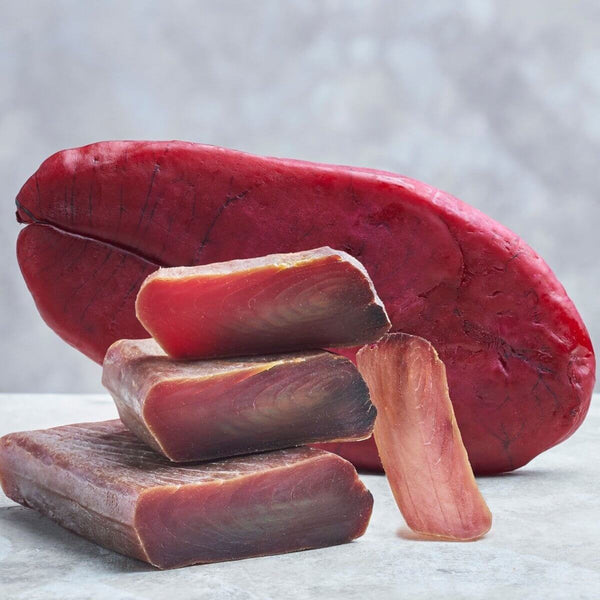
Tuna belly (ventresca) is the ventral part of the tuna, the belly area that extends from below the head to the tail. It is the fattiest, most tender, and most prized cut of tuna—the marine equivalent of beef ribeye or Iberian pork "secreto." In Japanese, it is called toro and is the star of high-end sushi, where a single nigiri of otoro (fatty belly) can cost 15-20 euros in a Tokyo restaurant.

Anatomically, the tuna belly represents only about 10-15% of the tuna's total weight. This area of the fish is where intramuscular fat accumulates, as tuna need energy reserves for their long oceanic migrations through cold waters. This fat, infiltrated between the muscle fibers, is what gives tuna belly its buttery texture, extraordinary juiciness, and deep, intense flavor.
In Spain, the tradition of utilizing tuna belly dates back to the almadrabas (traditional tuna traps) in southern Andalusia and Murcia, where bluefin tuna has been caught since Phoenician times. The almadraba fishermen always knew that the tuna's belly was the most prized part, reserved for the skipper's family or special occasions. Today, tuna belly has become more accessible thanks to gourmet canned tuna, which has brought this delicacy to any table.
It is important not to confuse tuna belly with other cuts. The loin is the dorsal part, leaner and firmer. The ijada is the lateral part, intermediate in fat. The morrillo is the area near the head, also highly valued. And cocochas (hake or cod cheeks), although not from tuna, are sometimes compared for their gelatinous texture. Tuna belly is specifically the belly, and any piece not from that area, no matter how it is labeled as "ventresca," is not the real thing.
Why tuna belly is the most prized part
Tuna belly concentrates the qualities that every gourmand seeks in a premium product: texture, flavor, and history. These are the specific reasons why it is the king cut of tuna:

- Intramuscular fat: between 15-25% fat (compared to 2-5% in the loin), infiltrated between the muscle fibers like the marbling of good wagyu. This results in a texture that melts in the mouth without needing to chew.
- Concentrated Omega-3: the fat in tuna belly is particularly rich in omega-3 fatty acids (EPA and DHA), with up to 3-4 grams per 100g. It is one of the most concentrated natural sources of omega-3 available.
- Complex flavor: fat is a vehicle for flavor, and tuna belly offers notes ranging from clean sea to an almost meaty aftertaste, with hints of nut and butter. When cooked, it develops irresistible toasted and caramelized aromas.
- Relative scarcity: from a 200 kg tuna, the belly represents about 20-30 kg. This limits supply and raises the price, but also ensures that each piece is special.
- Versatility: it can be eaten raw (sashimi, tartare), semi-raw (tataki), grilled, barbecued, confited, or canned. Each method reveals different facets of the same cut.
The Japanese classification of toro
In the Japanese sushi tradition, tuna belly is divided into three categories based on its fat content:
- Otoro (大トロ): the fattiest part, close to the central belly. Pale pink color with very pronounced white streaks. Literally melts in the mouth. It is the most expensive and coveted cut.
- Chutoro (中トロ): medium fat, an intermediate area between the belly and the loin. Perfect balance between the richness of otoro and the meaty flavor of akami. For many, the optimal point.
- Akami (赤身): the lean part of the loin, intense red color. Cleaner, more direct flavor, firmer texture. It is the most common cut of tuna for sashimi.
Fresh vs. canned tuna belly
These are two different products that share a name but offer distinct gastronomic experiences. Both have their place in the kitchen.

Fresh tuna belly
Fresh tuna belly is a seasonal product with limited availability. The bluefin tuna season in the Mediterranean runs from May to July (almadraba season), and outside that window, it is difficult to find fresh bluefin tuna belly. Yellowfin tuna (Thunnus albacares) is more available year-round, but its belly, while good, does not reach the complexity of bluefin.
- Appearance: pinkish meat with well-defined white fat streaks.
- Texture: tender, fatty, almost buttery when raw.
- Price: between 40-80 €/kg for bluefin tuna, 15-30 €/kg for yellowfin.
- Use: pan-fried, grilled, tataki, sashimi, carpaccio.
Canned tuna belly
Canned tuna belly is available year-round and has reached extraordinary quality levels in Spain. The best canneries in Cantabria and Galicia produce tuna belly in olive oil that are true gastronomic treasures, ready to serve directly from the can.
- Appearance: irregular fillets (the natural shape of the belly) in olive oil, sometimes with skin.
- Texture: soft, flaky, melts with a fork. The skin adds gelatin.
- Price: between 30-80 €/kg depending on the brand, type of tuna, and oil used.
- Use: directly from the can as a tapa, in salads, on toast, with peppers.
At Bacalalo, we have a selection of canned tuna and bonito that includes some of the best tuna belly on the market, artisanally prepared with extra virgin olive oil.
Related Products from Bacalalo


How to cook fresh tuna belly
Pan-seared tuna belly (the most popular method)
Pan-searing is the ideal method for tuna belly because it applies intense heat for a short time, creating a toasted exterior crust while the interior remains pink and juicy. The fat in the tuna belly melts slightly with the heat, bathing the meat in its own richness.

- Take the tuna belly out of the fridge 20 minutes before cooking to bring it to room temperature.
- Pat the surface very dry with paper towels (moisture prevents searing).
- Season generously with salt and pepper just before cooking.
- Heat the griddle or skillet over high heat until it smokes lightly. Add a minimal drizzle of oil (the tuna belly has its own fat).
- Place the tuna belly and do not touch it for 90 seconds. A golden crust should form.
- Flip and cook for 60-90 seconds on the other side.
- Remove and let rest for 2 minutes before slicing.
Ideal doneness: seared on the outside, pink on the inside. Overcooked tuna belly loses its fat and dries out, becoming a completely different (and worse) product. If using a thermometer: 45-50 °C (113-122 °F) in the center for a perfect medium-rare.
Tuna belly tataki
Tataki takes minimal cooking a step further: the surface is seared for just 20-30 seconds on each side over very high heat, and then it's sliced thinly. The inside remains completely raw, like sashimi with a crust. It is served with ponzu sauce (soy sauce, lemon, mirin), grated ginger, and spring onion.
Grilled tuna belly
Charcoal provides a smoky flavor that wonderfully complements the fat in tuna belly. The technique is similar to pan-searing but with greater distance from the fire to prevent fat from dripping and causing flare-ups. The result has a more rustic and profound character.
Tuna belly recipes
Pan-seared tuna belly with mild aioli
Ingredients
- 4 portions of fresh tuna belly (150 g each)
- Flaky sea salt (Maldon or similar)
- Freshly ground black pepper
- Extra virgin olive oil
- 1 lemon
For the mild aioli
- 4 tablespoons homemade or quality mayonnaise
- 2 finely grated garlic cloves
- 1 tablespoon lemon juice
- 1 tablespoon extra virgin olive oil
Step-by-step preparation
- Prepare the aioli: mix the mayonnaise with the grated garlic, lemon juice, and olive oil. Let it rest for at least 30 minutes in the refrigerator for the garlic to infuse.
- Bring the tuna belly to room temperature for 20 minutes outside the fridge. Pat dry with paper.
- Heat a griddle or cast-iron skillet over high heat. When smoking, add a drizzle of oil.
- Season the tuna belly with salt and pepper and place it on the griddle. Cook for 90 seconds without touching. Flip. Cook for 60-90 more seconds.
- Remove, let rest for 2 minutes. Slice into thick 1 cm pieces.
- Serve with a spoonful of aioli on the side, flaky sea salt on top, and a squeeze of lemon.
Canned tuna belly salad with roasted peppers
Ingredients
- 1 can of tuna belly in olive oil (200 g)
- 2 roasted piquillo peppers
- 1 large ripe tomato, sliced
- Half a red onion, thinly sliced into rings
- Black olives
- Extra virgin olive oil
- Sherry vinegar
Step-by-step preparation
- Arrange the tomato slices as a base on a large plate.
- Distribute the red onion rings and the piquillo peppers cut into strips.
- Open the can of tuna belly and place the fillets over the vegetables, flaking them slightly with a fork.
- Add the black olives.
- Dress with extra virgin olive oil and a drizzle of sherry vinegar.
- Let it rest for 10 minutes at room temperature before serving so the flavors can meld.
This salad is a complete dish: protein from the tuna belly, vitamins from the fresh vegetables, and healthy fats from the olive oil and the fish itself.

Tuna belly vs. bonito belly: which to choose?
This is the most common question when buying, and the answer depends on what you're looking for. Although often sold under the umbrella of "ventresca," tuna and albacore (bonito del norte) are different species and yield very different cuts:
- Albacore tuna belly (Thunnus alalunga): lighter, finer, and more delicate. Smooth, buttery flavor, silky texture. It is the gourmet option par excellence in canned form and the most prized in northern Spain.
- Tuna belly (light tuna or bluefin tuna, Thunnus thynnus): darker, fattier, and more intense. Bluefin tuna yields the richest and most powerful belly—the basis of sushi otoro.
Which is better? For spreading on bread, cold salads, and elegant appetizers, albacore tuna belly wins for its refinement. For dishes with more character or raw consumption, tuna belly. In our selection of canned tuna and bonito, you will find both, always in olive oil and artisanally prepared.
Canned tuna belly: choosing the best
The canned tuna belly market in Spain is extensive and of very high quality. Here are the keys to choosing:
- Tuna species: Thunnus thynnus (bluefin tuna) belly is the most premium and expensive. Thunnus alalunga (albacore tuna) belly is more accessible and excellent. Thunnus albacares (yellowfin tuna) belly is the most common and economical.
- Oil: extra virgin is the benchmark. Some canneries use olive oil (not extra virgin), which is of lower quality. Sunflower oil is the most basic option. The oil in the can can also be used: it's a delicious sauce for dipping bread.
- Fillet texture: artisanal tuna belly is hand-packed, with irregular fillets and skin included. Industrial versions may be more uniform but less authentic.
- Origin: canneries in the Basque Country (Ortiz, Arroyabe), Cantabria, and Galicia have a centuries-old tradition in canned fish. Look for denominations like "artisanal preparation" or "hand-packed."
Discover our selection of premium tuna and bonito preserves at Bacalalo, featuring selected tuna belly from the best Spanish canneries. You can also explore our complete collection of gourmet preserves to find exceptional products.
Nutritional value and omega-3
Tuna belly is a food with an extraordinary nutritional profile, especially for its healthy fat content:
- Calories: 180-220 kcal per 100g (depends on fat content).
- Proteins: 20-24g per 100g, of high biological value.
- Total fats: 12-18g per 100g, most of which are unsaturated.
- Omega-3 (EPA + DHA): 3-4g per 100g. This is 3-5 times more than the loin of the same tuna and makes tuna belly one of the richest sources of omega-3 available.
- Vitamins: B12 (up to 10 μg/100g), vitamin D (up to 200 IU/100g), niacin, and vitamin A.
- Minerals: selenium, phosphorus, iron, magnesium, and potassium.
The omega-3s in tuna belly contribute to cardiovascular health, brain function, inflammation reduction, and skin health. A 150g serving of tuna belly more than covers the daily omega-3 needs recommended by the WHO (250-500 mg/day of EPA+DHA).
Sustainability and price
Responsible tuna consumption is a relevant issue. Atlantic bluefin tuna (Thunnus thynnus) was on the verge of overfishing, but thanks to strict quotas managed by ICCAT, populations have recovered significantly in the last decade. Today, bluefin tuna fishing is regulated with individual quotas and complete traceability from catch to consumption.
The price of tuna belly reflects its scarcity and quality:
- Fresh bluefin tuna belly: €40-80/kg in season (May-July). Out of season, practically impossible to find fresh.
- Fresh yellowfin tuna belly: €15-30/kg, available year-round.
- Premium canned tuna belly: €8-20 per 100-200g can (equivalent to €40-100/kg).
- Standard canned tuna belly: €4-8 per can.
Is the price worth it? Absolutely. A can of premium tuna belly is an accessible luxury that transforms a simple toast into a gastronomic experience. And a fresh grilled tuna belly for two costs €15-25 — less than a mediocre meal at many restaurants.
🛒 Products mentioned in this article
⭐ 4.9/5 · Chilled delivery 24-48h · Since 1990 at Mercat del Ninot
Discover our premium selection
Seafood products selected with care since 1990 at Mercat del Ninot, Barcelona. Refrigerated delivery in 24-48h.
Conclusions
- What is tuna belly?: Tuna belly is the ventral part of the tuna, the belly area extending from below the head to the tail.
- Why tuna belly is the most valued part: Tuna belly concentrates the qualities that every gourmet seeks in a premium product: texture, flavor, and history.
- Fresh vs. canned tuna belly: These are two different products that share a name but offer distinct gastronomic experiences.
- How to cook fresh tuna belly: Grilling is the ideal method for tuna belly because it applies intense heat for a short time, creating a toasted outer crust while the inside remains pink and juicy.
- Recipes with tuna belly: This salad is a complete dish: protein from the tuna belly, vitamins from fresh vegetables, and healthy fats from olive oil and the fish itself.
Frequently asked questions
What is the difference between tuna belly and tuna loin?
Tuna belly is the ventral part (belly) of the tuna, with 15-25% intramuscular fat. The loin is the dorsal part, much leaner (2-5% fat). Tuna belly is more tender, juicy, and flavorful, but also more expensive and less available. The loin is ideal for preparations where a firm texture is desired; tuna belly, where creaminess is sought.
Can tuna belly be eaten raw?
Yes, tuna belly is the star cut for tuna sashimi (toro). For raw consumption, it must be sashimi-grade (previously frozen at -20 °C for 24h if fresh). Canned tuna belly is already cooked due to the sterilization process, so it is not the same as raw tuna belly.
How long to grill tuna belly?
90 seconds for the first side, 60-90 seconds for the second. The tuna belly should be seared on the outside and pink on the inside. If cooked too long, the fat melts and is lost, leaving a dry and fibrous piece. The ideal internal temperature is 45-50 °C for medium-rare.
What is toro in sushi?
Toro is the Japanese name for tuna belly. It is divided into otoro (the fattiest part, marbled white) and chutoro (medium fat, more balanced). Otoro melts in the mouth and is the most expensive nigiri in sushi. Chutoro offers a balance between fat and meaty flavor that many consider the perfect point.
Does canned tuna belly lose omega-3 with sterilization?
Omega-3s are relatively stable to the heat of the canning process. Studies show that canned tuna belly retains between 70-85% of its original omega-3s. Additionally, some omega-3s migrate to the covering oil, which can also be consumed (and should be: it's an enriched and delicious oil for dipping bread).
What is the best brand of canned tuna belly?
In Spain, canneries in the Basque Country and Cantabria produce the best tuna belly: Ortiz, Arroyabe, Los Peperetes, Güenaga, among others. Always look for bonito del norte or bluefin tuna belly, in extra virgin olive oil, artisanally made. Discover our selection at Bacalalo.
Can I freeze fresh tuna belly?
Yes, fresh tuna belly can be frozen for up to 3 months without significant loss of quality. Wrap it well in plastic wrap, then in a freezer bag, expelling the air. Thaw slowly in the refrigerator (12-24 hours). Never thaw in the microwave or at room temperature, as the texture will deteriorate.
Is bonito del norte belly the same as bluefin tuna belly?
No, they are different species. Bonito del norte (Thunnus alalunga) is smaller and its belly is more delicate and smooth. Bluefin tuna (Thunnus thynnus) produces a fattier, more intense, and more expensive belly. Both are excellent, but they offer distinct taste experiences.
Is tuna belly healthy?
It consists of fillets with a gelatinous texture and intense flavor. Rich in high biological value proteins and fatty acids with beneficial properties for cardiovascular health.
What is the most flavorful part of tuna?
Ventresca: the most valuable and flavorful part Tuna belly, also called ijada, comes from the fish's belly. It is the fattiest area and its texture is especially tender and buttery. Due to these qualities, it is considered: The juiciest part of the tuna.
Buy premium tuna and bonito belly at Bacalalo.
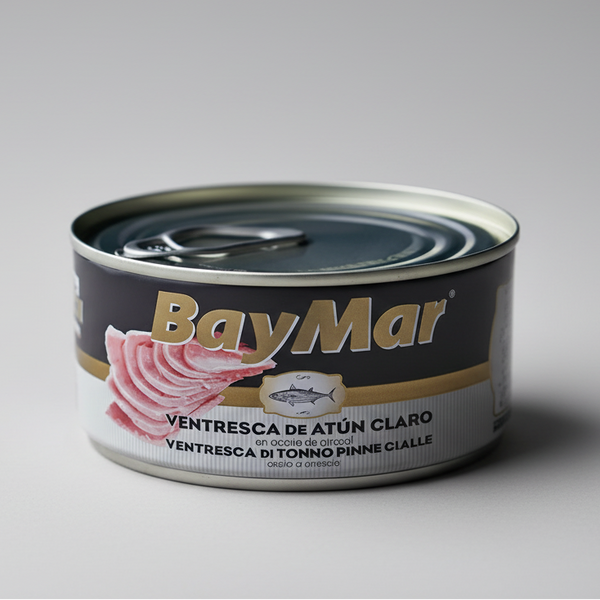
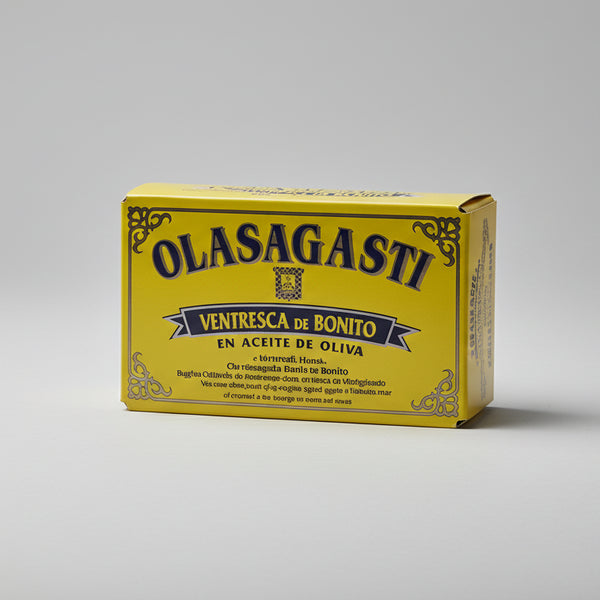
→ Prepare it with Bacalalo products: Olasagasti Bonito del Norte Belly | BayMar Light Tuna Belly 1kg
Products you might be interested in