

Summary: Onion-braised tuna is a Spanish seafood dish where fresh tuna steaks or fillets are seared over high heat and served topped with onions slowly poached until sweet, silky, and almost melted. It's a dish that combines the robust flavor of tuna—a fish with character and an almost meaty texture—with the natural sweetness of onions cooked over low heat for at least an hour.

What is Onion-Braised Tuna?
Onion-braised tuna is a Spanish seafood dish where fresh tuna steaks or fillets are seared over high heat and served topped with onions slowly poached until sweet, silky, and almost melted. It's a dish that combines the robust flavor of tuna—a fish with character and an almost meaty texture—with the natural sweetness of onions cooked over low heat for at least an hour.

The magic of this dish lies in the contrast: the seared tuna, with its golden exterior and pink interior, finds a blanket of sweetness in the poached onions that softens and complements its intensity. It's an seemingly simple dish—tuna and onion, nothing more—but it requires two precise techniques executed with patience: the slow poaching of the onions and the quick searing of the tuna.
In Spain, onion-braised tuna is a classic in coastal kitchens from Cadiz to the Basque Country. Each region adds its personal touch, but the essence is always the same: the perfect communion between the sea (tuna) and the land (onion). It's a tavern dish, a port dish, a dish from a fisherman's boat returning with the day's catch. And it's also a dish that works at the most elegant table if executed with attention to detail.
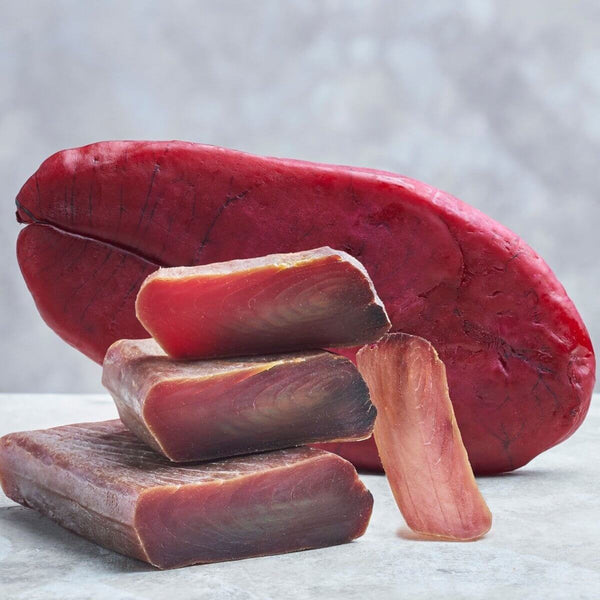
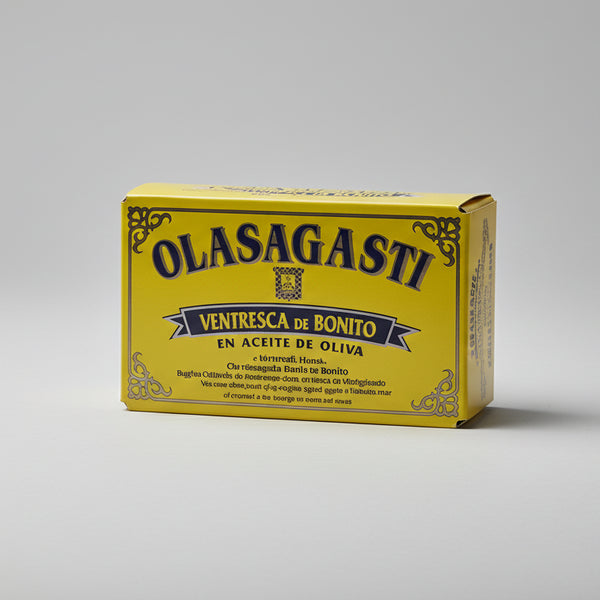
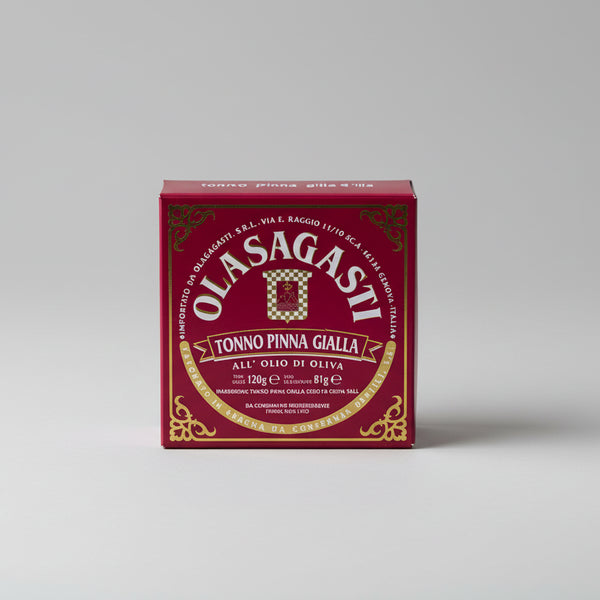
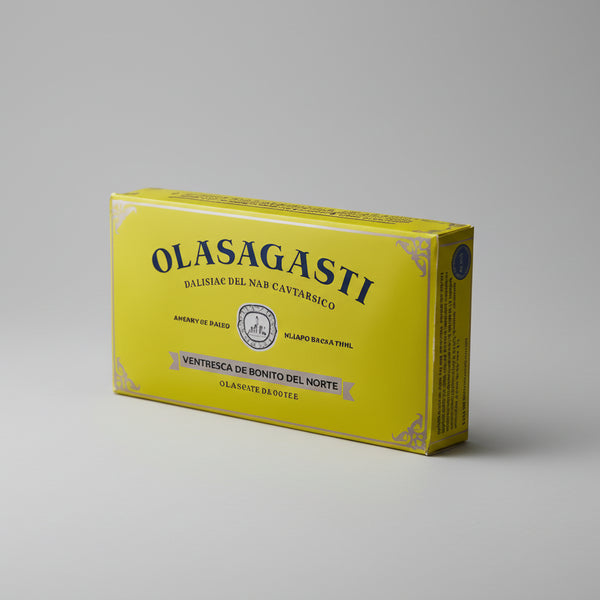
At Bacalalo, we have a special tradition with tuna. In our section on canned tuna and bonito, you'll find premium products that also work for quick versions of this dish, and if you're looking for the premium experience, our guide to tuna belly will open up a world of possibilities.
History: A Fisherman's Dish
Onion-braised tuna has its roots in the seafood cuisine of southern Spain, particularly on the coasts of Cadiz and Huelva, where bluefin tuna fishing using almadrabas has been practiced for over 3,000 years. The Phoenicians already fished for tuna on the coasts of what is now Cadiz, and the Romans built tuna salting factories (the famous cetariae) along the entire Andalusian coastline.

Almadraba fishermen prepared tuna simply and directly: grilled, fried in olive oil, or braised with onions. Onions were a cheap, abundant ingredient that kept well, perfect for long days at sea. The slow poaching technique was likely not a culinary refinement but a practical necessity: in boat kitchens, low heat was safer and more stable.
The result was a dish that transcended its humble origins. As bluefin tuna gained value as a gourmet product, the onion-braised tuna elevated from a sustenance dish to a gastronomic specialty. Today, the best restaurants on the Andalusian coast continue to offer onion-braised tuna as a star dish, prepared exactly as it was centuries ago: onions poached for an hour, tuna seared for a minute on each side.
It's interesting to compare Spanish onion-braised tuna with similar preparations from other maritime cultures. In the French Basque Country, there's thon basquaise, where tuna is cooked with peppers and onions in a tomato-based sauce. In Portugal, atum cebolada is practically identical to the Andalusian version, with the frequent addition of roasted peppers and wine vinegar. In Ecuador, encebollado is a completely different dish: a hearty tuna soup with yucca, lime-cured onion, cilantro, and chili, considered the national breakfast and an infallible hangover cure. The coincidence of the name between the Spanish and Ecuadorian versions is not accidental: the dish traveled with Andalusian sailors to the Americas, where it transformed, adopting local ingredients.
Ingredients for 4 people
For the tuna
- 4 fresh tuna steaks, 2-3 cm thick (180-200 g each)
- Coarse salt
- Freshly ground black pepper
- 2 tablespoons extra virgin olive oil
For the poached onions
- 6 large onions (1.2-1.5 kg), finely julienned
- 4 tablespoons extra virgin olive oil
- 1 bay leaf
- 1 sprig fresh thyme (or half a teaspoon dried thyme)
- A pinch of sugar (helps with caramelization)
- 100 ml dry white wine
- Salt
Related Products from Bacalalo


The Perfect Poached Onion: The Key to the Dish
The onion is the soul of this dish. A well-poached onion transforms a simple tuna fillet into a memorable experience. A poorly poached onion—raw, burnt, or bland—ruins the entire dish. Dedicate the necessary time: there are no shortcuts.


- Cut into fine julienne: peel the onions, cut them in half, then finely julienne them along their natural grain. The finer the julienne, the faster and more even the poaching will be. You'll need a lot of onion: it will reduce to about a quarter of its volume during cooking.
- Start over medium heat (10 minutes): heat the olive oil in a wide pan or shallow pot. Add all the onion (it will seem like too much, but it will shrink). Add salt (this helps the onion release water), bay leaf, and thyme. Stir. Cook for the first 10 minutes over medium heat, stirring every 2-3 minutes.
- Low heat (40-50 minutes): when the onion begins to turn translucent, reduce the heat to its lowest setting. Add the pinch of sugar. From here on, the cooking is slow and patient. Stir every 5-8 minutes, scraping the bottom of the pan if it sticks slightly (those stuck bits add flavor). If it dries out too much, add a tablespoon of water.
- Deglaze with wine (5 minutes): when the onion is golden, sweet, and almost melted (about 50-60 minutes from the start), raise the heat to medium and add the white wine. Stir well, scraping the bottom to incorporate all the caramelized flavors. Let the wine evaporate almost completely (3-5 minutes).
- Final result: the onion should be honey-golden in color, with a silky texture, intensely sweet flavor, and no trace of raw harshness. If you taste it and it still has a "sharp" or "strong" note, it needs more time.
Essential tip: patience is the secret ingredient. Do not increase the heat to speed up the process: you will burn the onion on the outside without cooking it through. An hour of slow poaching produces an onion that no shortcut can replicate. You can prepare the onion in advance (it keeps for 3-4 days in the refrigerator) and reheat it when you are ready to cook the tuna.
Step-by-step Preparation
Tuna Preparation (5 minutes)
- Remove tuna steaks from the refrigerator 15-20 minutes before cooking so they reach room temperature. Cold tuna directly from the refrigerator will contract upon contact with heat and become tough.
- Pat the steaks dry with paper towels. Surface moisture prevents a good sear.
- Season generously with salt and pepper just before cooking. Not before, as salt draws out moisture.
Searing the Tuna (4-5 minutes)
- Heat a cast-iron skillet or griddle over high heat until it barely smokes. Add a thin drizzle of olive oil.
- Place the tuna steaks without crowding the pan. If the pan is small, cook in two batches (crowded tuna steams in its own juices instead of searing).
- First side: 60-90 seconds without touching. A golden crust should form.
- Second side: flip with a spatula (never a fork, which pierces and loses juices). Cook for another 60-90 seconds.
- Immediately remove to a plate. The tuna will continue to cook with residual heat.
Doneness: traditional onion-braised tuna is served with a pink center. If you prefer it more done, cook for 30 more seconds per side, but keep in mind that overcooked tuna loses its juiciness and becomes dry and fibrous. The ideal internal temperature is 45-52 °C (113-125 °F) for a pink center.

Assembly and Serving
- Reheat the poached onions if you prepared them in advance.
- Place each tuna steak on a plate.
- Cover generously with the poached onions. Don't skimp: the onion is as much a star as the tuna.
- Drizzle with a little extra virgin olive oil.
- Optional: a touch of fleur de sel and freshly ground black pepper.
Tips for a Perfect Onion-Braised Tuna
- The tuna cut matters: steaks 2-3 cm thick. Thinner ones will overcook before forming a crust. Thicker ones are harder to time. Ask your fishmonger to cut them to the desired thickness.
- Onion variety: sweet onions (Fuentes de Ebro, Vidalia) are the best choice: more natural sugar, less pungency, silkier poaching. Standard white onions also work well. Red onions give a spectacular color but have a stronger flavor.
- Do not wash the tuna: a dry surface is crucial for a good Maillard sear. If the tuna has any blood residue, remove it with paper towels, never with water.
- Cast iron pan: retains much more heat than Teflon and produces a far superior sear. If you don't have one, a thick-bottomed pan is the next best option.
- Tuna freshness: for such a simple dish, the quality of the ingredient is paramount. The tuna should smell of clean sea (never fishy), have a bright cherry-red color (not brown), and a firm texture to the touch.
- Resting: let the seared tuna rest for 2 minutes before serving. The juices redistribute, resulting in a juicier dish.
Variations of Onion-Braised Tuna
Onion-Braised Tuna with Tomato
Add 2 grated ripe tomatoes to the poached onions during the last 10 minutes of cooking. The tomato adds acidity that balances the sweetness of the onion and creates a more complex sauce. This is the most popular variation in eastern Andalusia and Murcia.
Onion-Braised Tuna with Peppers
Add 2 green and 1 red bell pepper, cut into thin strips, along with the onion at the beginning of the poaching process. The result is more colorful and has more texture. This is the Basque version of the dish, more similar to a piperade with tuna.
Ecuadorian Encebollado (Soup)
Ecuadorian encebollado is a completely different dish: a thick tuna soup with cooked yucca, lime-cured red onion, cilantro, cumin, and ají. It's served with chifles (green plantain chips) and lime. It's the national breakfast of Ecuador and an extraordinarily comforting dish. If you have the opportunity to try it, it's a gastronomic experience unlike anything in Spanish cuisine.
Onion-Braised Tuna with Vinegar and Spices
The Portuguese version (cebolada) incorporates red wine vinegar into the poached onions and adds sweet paprika, creating a fuller-bodied sauce with a very appealing sweet and sour note. It's finished with black olives and fresh parsley.
Onion-Braised Tuna with Honey
A modern version that replaces the sugar in the poaching process with a tablespoon of honey, added in the last 5 minutes of cooking. The honey enhances the caramelization of the onion and adds a subtle floral dimension. It works especially well with almadraba bluefin tuna.
Side Dishes and Wine Pairing
Garnishes
- "Patatas panaderas" (Baker's Potatoes): thinly sliced and slowly cooked in olive oil with garlic and bay leaf. The most classic and satisfying accompaniment.
- Green salad: arugula, lamb's lettuce, or a mixed greens with a light lemon dressing. Provides freshness that contrasts with the richness of the dish.
- Piquillo peppers: roasted, in strips, lightly warmed. Their sweetness complements both the tuna and the onion.
- White rice: for a more substantial meal. The rice absorbs the onion sauce exceptionally well.
- Rustic bread: essential for soaking up the onion sauce. A good sourdough bread is the most honest accompaniment.
Wine Pairing
Onion-braised tuna pairs well with both white and light red wines:
- Fino or Manzanilla Sherry: the quintessential regional combination. The salinity of the fino and the sweetness of the onion create a perfect pairing.
- Verdejo from Rueda: fresh, herbal, with just enough acidity to cut through the richness of the tuna.
- Young Mencía red (Bierzo): light, fruity, with soft tannins. Works surprisingly well with seared tuna.
- Rosado de Navarra: the bridge between white and red, ideal if you don't want to overcomplicate things.
Conclusions
- What is Tuna with Onions?: Tuna with onions (Atún encebollado) is a dish from Spanish seafood cuisine where slices or fillets of fresh tuna are seared over high heat and served covered with onions slowly poached until sweet, silky, and almost melted.
- History: a fishermen's dish: Tuna with onions has its roots in the seafood cuisine of southern Spain, particularly on the coasts of Cadiz and Huelva, where bluefin tuna fishing using almadrabas has been practiced for over 3,000 years.
- Ingredients for 4 people: The onion is the soul of this dish.
- Step-by-step preparation: Cooking point: traditional tuna with onions is served with a pink center.
- Tips for a perfect tuna with onions: Add 2 grated ripe tomatoes to the poached onion during the last 10 minutes of cooking.
Frequently asked questions
Which part of the tuna is best for "encebollado"?
A slice from the center of the loin is ideal: uniform thickness, balanced proportion of meat and some fat. The ventresca (belly) is fattier and more tender but falls apart more easily. The tail is drier. Ask your fishmonger for slices from the center of the loin, 2-3 cm thick.
Can it be made with frozen tuna?
Yes, provided it's quality tuna frozen at sea (flash-frozen). Thaw slowly in the refrigerator for 12-24 hours, never in the microwave or at room temperature. Dry very well with paper towels before cooking. The result will be slightly inferior to fresh, but absolutely valid.
How long should the onion be poached?
Minimum 45 minutes, ideally 60. The onion should be golden, sweet, silky, and without any trace of rawness or sharpness. There's no shortcut: low heat and patience. You can prepare it up to 4 days in advance and reheat.
Should the center of the tuna remain pink?
In the traditional version, yes: seared on the outside, pink on the inside. This is how it's served in the best seafood taverns. But if you prefer your tuna more well-done, cook it for another 30-45 seconds per side. Keep in mind that overcooked tuna becomes dry and fibrous, losing much of its charm.
Can I use canned tuna for this recipe?
The traditional recipe uses fresh tuna, but a quick version with quality canned tuna over poached onions works as an excellent tapa. Use canned belly for better texture. It's not the same dish, but it's delicious in its own way and can be prepared in minutes.
Can the entire dish be prepared in advance?
The poached onion can (up to 4 days in the fridge, it improves with resting). The tuna cannot: it must be seared just before serving. The ideal strategy is to prepare the onion in advance and sear the tuna at the last minute. This way, the final assembly only takes 5 minutes.
What's the difference between Spanish and Ecuadorian encebollado?
They are completely different dishes. The Spanish version is seared tuna with poached onions (a pan-cooked dish). The Ecuadorian version is a tuna soup with yucca, lemon-marinated onions, cilantro, and chili (a spoon dish). They share a name and a main ingredient (tuna + onion) but the execution and result are radically different.
Can I use bonito instead of tuna?
Yes, bonito del norte (northern bonito) works very well in "encebollado." Its meat is slightly milder and less intense than tuna, but the texture is excellent and it combines perfectly with the sweetness of the onion. In the Basque Country, bonito "encebollado" is even more popular than the tuna version.
Discover premium canned tuna and bonito at Bacalalo.