

Summary: This juicy and fluffy cod omelet is prepared in 35 minutes with 6 eggs, 300g of desalted cod, potato, onion, and olive oil. The secret: vigorously beat the eggs to incorporate air, slow-cook the potato, and avoid overcooking the second side. The result is an omelet golden on the outside and wobbly on the inside, with the cod fibers melting into the creamy egg.
Why cod omelet is an unbeatable classic
The cod omelet is one of those dishes that unites all of Spain. From pintxos in the Basque Country to truita de bacallà during Holy Week in Catalonia, and through the taverns of Madrid, the cod omelet is everywhere because it works: it's comforting, inexpensive, easy to prepare, and extraordinarily tasty.
What makes it special compared to the classic Spanish omelet is the texture of the cod. The soft fibers of desalted cod, when cooked with the egg, create a contrast that doesn't exist in any other omelet. The cod provides a subtle seafood flavor that complements without dominating, and an internal juiciness that keeps the omelet moist even hours after making it.
At Bacalalo, our shop in Mercat del Ninot in Barcelona since 1990, the cod omelet is one of the recipes most requested. And we always give the same advice: use good cod and don't overcook it. The rest comes naturally.
Ingredients for 4 servings
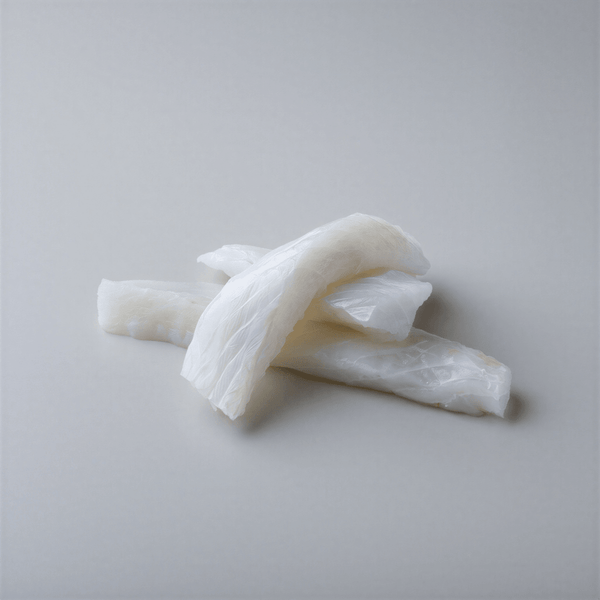
- 300g desalted and shredded cod (or ready-to-use cod flakes)
- 6 large free-range eggs at room temperature
- 2 medium potatoes (300g, Kennebec or Monalisa variety)
- 1 large onion
- 150 ml extra virgin olive oil
- Salt (with caution: cod already contributes salinity)
- Ground black pepper (optional)
- 1 tablespoon milk (optional, for extra fluffiness)
Notes on ingredients
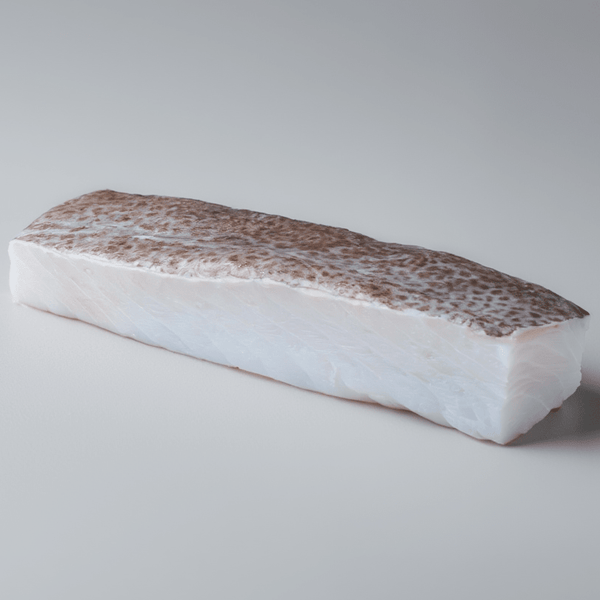
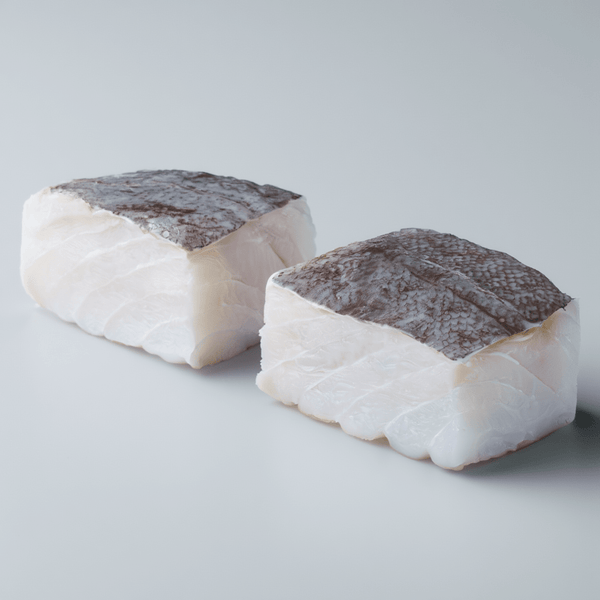
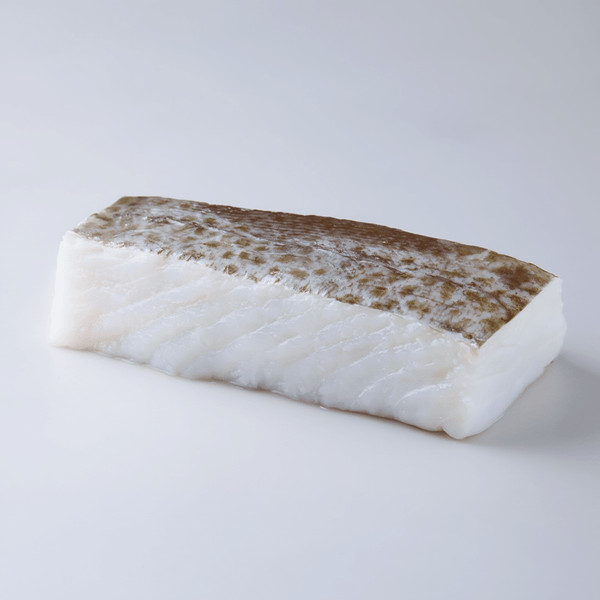
The cod: Cod flakes are the most convenient format for an omelet — they are already chopped and integrate perfectly with the egg. If using fillets, shred them by hand after desaling into irregular pieces of 1-2 cm. Always use Gadus morhua from Iceland or Norway. The difference with lower quality cod is abysmal.
The eggs: Free-range, with an orange, dense yolk. At room temperature — a cold egg from the fridge cooks unevenly and the omelet becomes lumpy.
The potato: Floury variety (Kennebec) that partially breaks down when slow-cooked, integrating with the egg. Waxy potatoes hold their shape but don't melt in the same way.
How to desalt cod for an omelet
Desalting is the most important preliminary step. Poorly desalted cod will ruin any omelet. For this recipe, the ideal point is slightly salted cod — the salt will integrate with the egg and potato during cooking.
Recommended method (12-18 hours for flakes)
- Place the cod flakes in a large bowl with plenty of cold water.
- Store it in the fridge (never at room temperature) for 12-18 hours.
- Change the water every 8 hours (minimum 2 changes).
- Taste a raw piece: it should taste like fish with a mild hint of salt, not pure salt.
Quick method (2-3 hours)
If you're in a hurry, place the flakes under a thin stream of cold running water for 2-3 hours. Constantly moving water desalt faster than stagnant water. It's not the ideal method, but it works for a last-minute omelet.
Once desalted, drain and dry thoroughly with paper towels. Cod with excess water dilutes the egg and the omelet won't set properly.
Step-by-step recipe: juicy and fluffy cod omelet
Step 1: Slow-cook the potato and onion (15-20 minutes)
Peel the potatoes and cut them into thin, irregular slices (about 3 mm). The irregularities are your ally: some parts break down and others retain texture, creating an omelet with more contrast.
Chop the onion into fine julienne. Slowly caramelized onion is one of the secrets to the best cod omelets.
In a 24-26 cm pan, heat plenty of oil over medium-low heat. The potato should slow-cook gently in the oil (gentle bubbles), not fry (aggressive bubbling). Cook for 15-20 minutes until the potato is tender and the onion is translucent and sweet.
Step 2: Incorporate the cod (3-4 minutes)
Add the shredded cod to the pan. Stir gently to combine. Cook for 3-4 minutes over medium-low heat — the cod only needs to heat up and release its flavor into the oil. Overcooking will dry it out.
Drain the entire mixture with a slotted spoon, leaving the oil in the pan. Reserve that oil.
Step 3: Beat the eggs (the key step for fluffiness)
Here's the secret to a fluffy cod omelet:
- Crack the 6 eggs into a large bowl.
- Beat them vigorously for 1 full minute with a fork, using wide movements to incorporate air. This is what makes the omelet fluffy — the air trapped in the egg expands with heat.
- Add the tablespoon of milk (optional but recommended for extra fluffiness).
- Season with a pinch of salt (remember: the cod already contributes saltiness) and pepper.
Pour the eggs over the potato, onion, and cod mixture. Mix well and let rest for 5-10 minutes. This resting allows the ingredients to absorb the egg and the omelet to be more cohesive.
Step 4: Set the omelet (3-4 minutes first side)
Heat 2-3 tablespoons of the reserved oil over medium-high heat. When the oil is hot (it should cover the entire bottom), pour the mixture all at once.
With a rubber spatula, push the edges inward during the first 30 seconds, allowing the liquid egg to flow to the sides. This creates a rounded shape.
Reduce to medium-low heat. Cook for 3-4 minutes without touching. The base browns and sets while the surface remains liquid. Move the pan to check that the omelet moves freely.
Step 5: The flip
The moment of truth. Place a flat plate larger than the pan over it. With a quick and decisive movement, invert the pan and plate. The omelet will be on the plate. Slide it back into the pan.
For a juicy omelet: cook the second side for only 1.5-2 minutes. The center should remain wobbly.
For a firm omelet: 3-4 minutes on the second side.
Step 6: Rest and plating
Slide the omelet onto a plate and let rest for 5 minutes. During this time, the residual heat gently finishes setting the center and the juices redistribute. Slice and serve warm or at room temperature.
7 tips for a fluffy and juicy cod omelet
The difference between a mediocre and an extraordinary omelet lies in these details:
- Beat the eggs vigorously for 1 full minute. The incorporated air is what makes the omelet fluffy. Not 30 seconds: 1 minute with wide movements.
- Add a tablespoon of milk or cream for every 2 eggs. The fat in the milk adds creaminess, and the extra water generates steam that fluffs the omelet from the inside.
- Eggs at room temperature, always. A cold egg cooks unevenly — take them out 30 minutes beforehand.
- Medium-low heat, never high. Gentle heat allows the air trapped in the egg to expand gradually, making the omelet taller and fluffier. High heat seals the surface before the inside rises.
- Cover the pan for the last 2 minutes of the first side. Steam helps set the top surface gently, contributing to fluffiness.
- Do not overcook the second side. 1.5-2 minutes is enough for a juicy omelet. Every extra second reduces moisture and fluffiness.
- Rest for 5 minutes before cutting. Cutting immediately causes juices to escape. Resting allows them to redistribute and the omelet to be juicier when bitten.

Variation: cod omelet with peppers
The cod omelet with peppers is a very popular variant in Navarre and La Rioja, where the pepper is almost a sacred ingredient.
Additional ingredients
- Half a green Italian pepper
- Half a red pepper
- Optional: 1-2 rehydrated choricero peppers
Preparation
Cut the peppers into thin strips. Add them to the pan along with the potato and onion at the start of the slow-cooking process. Peppers need the same time as potatoes (15-20 minutes over medium-low heat) to become tender and sweet.
If using choricero pepper, rehydrate it in hot water for 20 minutes, scrape out the pulp with a knife, and mix it directly with the beaten eggs. It provides a spectacular smoky sweetness.
The result is a more colorful, sweet, and aromatic omelet, with the peppers creating streaks of color that make the cut visually appealing.
Variation: cod omelet with caramelized onion
If you're on the "with onion" team (and you should be), the caramelized onion version is a whole different experience.
The difference from the basic recipe
In the basic recipe, the onion is slow-cooked along with the potato. In this variation, the onion is caramelized separately for 30-40 minutes over very low heat, until it is dark, sweet, and practically melted.
How to do it
- Cut 2 large onions into fine julienne.
- Place them in a pan with 3 tablespoons of olive oil over minimum heat.
- Cook for 30-40 minutes, stirring every 5 minutes. The onion should go from white to golden to dark caramel.
- Add a pinch of sugar at 20 minutes if you want to speed up the caramelization.
Incorporate this caramelized onion directly into the beaten eggs along with the slow-cooked potato and cod. The intense sweetness of the caramelized onion against the saltiness of the cod creates an addictive contrast of flavors.
Other popular variations of cod omelet
Omelet without potato (Basque style)
Only cod (400g), eggs, and onion. Thinner, concentrated flavor, faster cooking. A favorite in the pintxo bars of San Sebastián.
Omelet with spinach
Sauté 200g of fresh spinach with garlic. Add it to the mixture. The omelet is lighter, greener, and nutritionally complete. It works especially well without potato.
Omelet with piquillo peppers
4-5 piquillo peppers cut into strips, mixed directly with the egg. Smoky sweetness that perfectly complements the cod. A Navarrese classic.
Portuguese-style omelet
With very thin fried potato straws, black olives, and plenty of parsley. Crispier inside, with a Mediterranean touch. Spectacular as a tapa.
Common mistakes and how to avoid them
| Error | Consequence | Solution |
|---|---|---|
| Poorly desalted cod | Omelet too salty or bland | Taste a raw piece before cooking |
| Cod with excess water | Omelet that doesn't set well | Dry thoroughly with paper towels |
| Cold eggs from the fridge | Irregular setting, lumpy texture | Take out 30 min before use |
| Heat too high | Burnt outside, raw inside | Always medium-low heat |
| Not letting the mixture rest | Ingredients not integrated | 5-10 min rest before setting |
| Overcooking the second side | Dry omelet, lacking juiciness | Only 1.5-2 min for juicy |
| Cutting without resting | Juices escape onto the plate | 5 min rest before cutting |
Storage and how to reheat cod omelet
The cod omelet has an advantage over many dishes: it's just as good (or better) the next day.
- In the fridge: 2-3 days in an airtight container. Perfect cold as a tapa or pintxo.
- At room temperature: no more than 2 hours for food safety.
- Reheating: pan over low heat with a drop of oil for 2-3 minutes per side. Avoid the microwave — it dries out the egg and the texture becomes rubbery.
- In a sandwich: possibly the best way to eat it the next day. Crusty bread, cold cod omelet, and nothing else.
- Do not freeze: the omelet loses a lot of texture when thawed. It's better to make enough for 2-3 days.
Conclusion
The cod omelet is one of those dishes that demonstrates that Spanish cuisine doesn't need complications to be extraordinary. With basic quality ingredients — good cod, free-range eggs, potato, and onion — you get a dish that works as breakfast, lunch, dinner, tapa, pintxo, or sandwich.
The two secrets to making it juicy and fluffy: beat the eggs to incorporate air and avoid overcooking the second side. Everything else is patience and good ingredients.
Dare to try the variations — with peppers, with caramelized onion, or without potato in the Basque style. Each has its own character, and they all start from the same place: Icelandic cod that lives up to its name.
Frequently asked questions
How many eggs does a cod omelet contain?
The ideal ratio is 1.5 eggs per person. For 4 people, use 6 large free-range eggs at room temperature. If you prefer a juicier, wobblier omelet, increase to 7 eggs.
How to make fluffy cod omelette?
Three steps: 1) Beat the eggs vigorously for 1 minute, incorporating air. 2) Add one tablespoon of milk for every 2 eggs. 3) Cook over medium-low heat — gentle heat allows the air to expand. Cover for the last 2 minutes.
Can cod omelette be made without potatoes?
Yes, it's very popular in the Basque Country. Use 400g of desalted cod, 6 eggs, and plenty of sautéed onion. It turns out thinner, with a more concentrated cod flavor. It cooks faster: 2-3 minutes per side.
Which cod is best for omelette?
The best is shredded cod or cod flakes from Iceland (Gadus morhua). They are the perfect size, integrate better with the egg, and save the shredding step. Avoid low qualities like Ling or pollock.
How to desalt cod quickly for omelette?
Quick method: place the cod flakes under a thin stream of cold running water for 2-3 hours. Moving water desalt faster. Recommended method: immerse in cold water in the fridge for 12-18 hours, changing the water every 8 hours.
Can cod omelette be eaten cold?
Yes, it's excellent cold or at room temperature. Many prefer it cold as a tapa, pincho, or in a sandwich. It keeps for up to 2-3 days in the fridge. To reheat, use a pan over low heat — avoid the microwave.
What is the difference between "tortilla" and "tortillitas de bacalao"?
"Tortilla de bacalao" is a classic Spanish omelette: round, thick, set with egg and potato. "Tortillitas de bacalao" are Andalusian fritters: a batter of flour, egg, and cod, fried by the spoonful, crispy and thin. They are completely different dishes.
Can it be made with already desalted cod?
Yes, it's the most convenient and fastest way. Just pat it dry with paper towels and shred it. At Bacalalo, we offer desalted cod ready to cook, saving you 24-36 hours of desalting time.
What variations does cod omelette have?
The most popular are: with green and red peppers, with caramelized onion, with spinach, with piquillo peppers, without potatoes (Basque style), Portuguese style (shoestring potatoes and olives), and the "vaga" omelette (not flipped, creamy center).
How long does it take to make cod omelette?
About 35 minutes: 15 minutes to confit potatoes and onions, 3-4 minutes for the cod, and 6-8 minutes to set (3-4 per side). Plus the prior desalting (12-36 hours) if using salted cod, or 0 if using already desalted cod.
Related recipes
- Cod Fritters: Crunchy Andalusian Recipe
- Cod Croquettes: Creamy Recipe
- Cod with Tomato: Homemade Recipe
- Brandade de Bacalao: Classic Recipe
- Shredded Cod: Leftover Recipes
Recipe by Marc González Sáez, founder of Bacalalo. Since 1990 in the Mercat del Ninot in Barcelona, selecting Icelandic cod so your recipes turn out like they used to.
Variations and additional tips
Below we compile variations and nuances from previous versions of this guide, merged into a single reference.
What is cod omelette and why is it so popular
Cod omelette is a variation of the Spanish omelette that replaces — or complements — potatoes with desalted, shredded cod. It is a dish with deep roots in Lenten cuisine, when the prohibition of eating meat made cod the king of the table. But its flavor and versatility have made it a classic that is prepared throughout the year.
In the Basque Country, Navarre, and La Rioja, cod omelette is an essential tapa in any pintxos bar. In Catalonia, truita de bacallà is a Holy Week tradition. And throughout Spain, it is one of those dishes where each family has its own version and which always generates debate: with or without potato? onion yes or no? well-cooked or juicy?
What makes cod omelette special compared to other omelettes is the texture of the fish itself. The desalted cod, when cooked with the egg, provides soft and juicy fibers that blend with the creaminess of the egg. The result is an omelette with more character than the classic Spanish one, with a subtle taste of the sea that does not dominate but complements.
At Bacalalo, our shop in the Mercat del Ninot in Barcelona since 1990, cod omelette is one of the recipes our customers ask us for the most. And no wonder: with good quality Icelandic cod, the result is practically guaranteed.

For an omelette for 4-6 people
- 300g desalted cod (equivalent to about 200g dried cod before desalting)
- 6 large eggs (free-range or quality, at room temperature)
- 2 medium potatoes (about 300g, floury variety like Kennebec)
- 1 large onion (optional but highly recommended)
- Extra virgin olive oil (generous, about 150ml)
- Salt (with caution: the cod already adds saltiness)
- Ground black pepper (optional)
Standard method (recommended)
- Place the cod in a large bowl with plenty of cold water. The water should completely cover the cod with a margin.
- Store it in the refrigerator (never at room temperature) for 24-36 hours for thick loins, or 12-18 hours for flakes or thin pieces.
- Change the water every 8 hours (minimum 3 changes for loins, 2 for flakes).
- Taste a small raw piece before cooking. It should taste like fish with a mild hint of salt, not pure salt.
Quick method (emergency)
If you're in a hurry, place the cod in a large bowl under a thin stream of cold running water for 3-4 hours. Constantly moving water desalt faster than stagnant water. It's not the ideal method, but it works.
Once desalted, drain the cod and pat it dry with paper towels. Shred it by hand into irregular strands. For the omelette, the fibers should be medium-sized: not large pieces that dominate each bite, nor strands so fine that they disappear in the egg.
Step 3: Beat the eggs (the crucial moment)
Crack the 6 eggs into a separate bowl. Beat them with a fork for 30-40 seconds. Do not overbeat them: the goal is to mix the egg white and yolk homogeneously, not to incorporate air. Overbeaten eggs produce a drier, fluffier omelette instead of a creamy one.
Add a pinch of salt (remember the cod already provides saltiness) and pepper if using.
Pour the beaten eggs over the potato, onion, and cod mixture. Mix well and let it rest for 5-10 minutes. This resting period is important: it allows the ingredients to absorb the egg and integrate, and the omelette becomes more cohesive when setting.
Step 4: Cook the omelette (the art of flipping)
In the same pan (clean if necessary), heat 2-3 tablespoons of the reserved oil over medium-high heat. When the oil is hot (it should cover the entire base), pour in the egg mixture all at once.
With a rubber spatula, gently push the edges inwards for the first 30 seconds, allowing the liquid egg to flow to the sides. This creates a rounded shape and prevents irregular edges.
Lower the heat to medium-low. Cook for 3-4 minutes without touching. The base should brown and set, while the top surface remains liquid or semi-liquid. Move the pan occasionally to check that the omelette moves freely and hasn't stuck.
Step 6: Plating
Slide the omelette (or flip it onto a plate) and let it rest for 5 minutes before cutting. During this rest, the egg finishes setting slightly with the residual heat, and the juices redistribute.
Serve warm or at room temperature. Cod omelette is excellent freshly made, but also the next day, cold, as an appetizer tapa or in a sandwich.
The "tortilla vaga" (lazy omelette) with cod: express version without flipping
The tortilla vaga (also called tortilla rota, tortilla a medio cuajar or revuelto gordo de bacalao) is a simplified and absolutely delicious version that eliminates the most dreaded step: flipping. It is the perfect recipe for those who want all the flavor of cod omelette without the drama of a flying plate.
What exactly is "tortilla vaga"?
The "tortilla vaga" is, in essence, an omelette that is not flipped. The eggs set on the bottom but remain creamy and semi-set on top, creating a texture between an omelette and scrambled eggs that is addictive. Some call it a "bar omelette" because in many pintxos bars in the Basque Country, the omelette is served exactly like this: with a wobbly center and barely browned edges.
It is not scrambled eggs with a round shape: it has more body and structure than scrambled eggs, but more juiciness than a fully set omelette. It is its own category, and many professional chefs consider it the purest and most flavorful way to prepare an omelette.
Recipe for "tortilla vaga" with cod
- Prepare the ingredients exactly as in the classic recipe: confit potatoes and onions, incorporate the cod, drain, and mix with the beaten eggs.
- In the pan with hot oil, pour the mixture and cook over medium heat.
- With a spatula, gently push the edges towards the center, allowing the liquid egg to flow into the gaps. Repeat this movement 3-4 times during the first 2 minutes.
- When the base is set and browned but the surface is still creamy and shiny, turn off the heat.
- Cover the pan and let it rest for 2 minutes. The residual heat will slightly set the surface without drying it out.
- Slide directly onto the plate without flipping. The top will be creamy, almost liquid in the center.
Why is "tortilla vaga" so good?
The magic of "tortilla vaga" lies in the contrast of textures: a golden and firm base, a creamy and wobbly center, with the cod fibers and potato pieces peeking through the semi-set egg. When cut, the inside flows slightly, creating its own sauce.
Additionally, by not flipping, two risks are eliminated: the omelette breaking when turning it over, and it drying out from overcooking on the second side. The "tortilla vaga" is, paradoxically, harder to mess up than the classic one.
Tips for a juicy and creamy cod omelette
The difference between a mediocre and an extraordinary cod omelette lies in the details. These tricks, accumulated over generations of cooks, make all the difference:
- Room temperature eggs: Take them out of the fridge at least 30 minutes before. A cold egg sets unevenly and produces a lumpy rather than creamy texture.
- Do not overbeat the eggs: 30-40 seconds with a fork, just until the white and yolk are mixed. Overbeating incorporates air and produces a fluffy rather than creamy omelette.
- Rest the mixture: Let the egg, potato, and cod mixture rest for 5-10 minutes before cooking. The ingredients absorb the egg and the omelette becomes more integrated.
- Medium-low heat, never high: An omelette cooked over high heat turns rubbery on the outside and raw on the inside. Patience is key.
- Quality non-stick pan: A good 24-26 cm non-stick pan is the best investment for making omelettes. Avoid old pans with worn non-stick coating.
- Cod, lightly cooked: The cod only needs 3-4 minutes in the pan before mixing it with the egg. It will finish cooking inside the omelette. Overcooking it dries it out.
- Dry the cod well: Cod with excess water dilutes the egg and the omelette does not set well. After desalting, dry it thoroughly with paper towels.
- The last secret flip: When sliding the omelette onto the plate, place another plate on top and flip it so that the most beautiful and golden part is on top. This also helps the residual heat to gently set the center.
Cod omelette without potatoes
The purist version dispenses with potatoes and leaves cod as the absolute protagonist. Use 400g of desalted cod with 6 eggs and plenty of sautéed onion. The result is a thinner omelette, with a more intense cod flavor and a smoother texture. It is the preferred version in many pintxos bars in the Basque Country.
Cod omelette with peppers
Add half a green pepper and half a red pepper, cut into thin strips, to the confit with the potato and onion. The peppers add sweetness, color, and a pleasant textural contrast. It is a very popular variant in Navarre and La Rioja, where sometimes a little rehydrated "pimiento choricero" (chorizo pepper) is also added.
Cod omelette with spinach
Sauté 200g of fresh spinach with a clove of garlic until reduced. Add them to the cod and egg mixture. Spinach adds a green touch, freshness, and extra moisture that makes the omelette juicier. It is a lighter and nutritionally complete variant.
Cod omelette with piquillo peppers
Roasted piquillo peppers (jarred or fresh) cut into strips are a classic accompaniment to cod in northern Spain. Incorporated into the omelet, they provide a smoky sweetness that perfectly complements the fish's flakes. Use 4-5 piquillos cut into strips, mixed directly with the egg.
Portuguese-style Cod Omelet
In Portugal, cod omelet (tortilha de bacalhau) is prepared with very thin fried straw potatoes, black olives, and plenty of parsley. The result is an omelet with more internal crunch thanks to the straw potatoes, and a touch of Mediterranean flavor from the olives. It's spectacular as a tapa.
At Bacalalo, we offer desalted cod, ready to cook, which saves you 24-36 hours of desalting. Perfect for last-minute omelets and for the lazy omelet when you're in a hurry.
Related Guides
Step 1: Properly Desalt the Cod
For cod omelets, the desalting point is more delicate than in other dishes: the cod cannot be too salty (it would make the egg bitter) nor completely bland (it would lose its personality). Desalt it submerged in cold water for 36-48 hours in the refrigerator, changing the water every 8-12 hours. For a normal thickness loin, 36 hours is usually sufficient.
If you use desalted cod loins from Bacalalo, they already have the perfect point and you can skip this step.
Step 2: Poach the Onion and Pepper (the most important step)
In a large skillet, heat the olive oil over medium-low heat. Add the thinly sliced onion and thinly sliced green pepper. Sauté, stirring occasionally, for 20-25 minutes over very low heat. The onion should be completely translucent, soft, and lightly golden, almost caramelized. This step has no shortcuts: slowly poached onion is what gives this omelet its characteristic sweetness.
Add the sliced garlic in the last 5 minutes of poaching so it doesn't burn. When the onion is ready, remove with a slotted spoon and set aside, leaving the oil in the pan.
Step 3: Confit the Cod in the Oil
In the same oil flavored with onion and garlic, add the cod loins skin-side up over very low heat (the oil should not smoke or bubble strongly, approximately 70-80°C). Cook for 6-8 minutes. At this temperature, the cod "confits" instead of frying: it remains juicy, in perfect flakes, and with a delicate, deep flavor.
Carefully remove the loins, remove the skin and bones, and flake the meat into medium pieces with your fingers. Do not crush or chop: the cod flakes are an essential part of the texture of this omelet.
Reserve the resulting oil, which will have absorbed all the flavors of the cod, to set the omelet.
Step 4: Beat the Eggs
In a large bowl, beat the 8 eggs with a whisk or fork. Do not overbeat them: the mixture should be homogeneous but not full of bubbles. Season with black pepper and very little salt (remember that cod is already salty). Add the poached onion with the pepper and the cod flakes to the beaten egg. Mix carefully so that the ingredients are distributed without breaking the flakes.
Let the mixture rest for 5 minutes so that the egg absorbs all the flavors.
Step 5: Set the Omelet
Heat a 26-28 cm non-stick pan with 2-3 tablespoons of the cod confit oil over medium heat. When the oil is hot, pour in the egg and cod mixture. Stir gently with a spatula for the first 30 seconds so that it sets evenly.
When the edges begin to set but the center is still liquid, lower the heat to a minimum. Cover with a lid and leave for 2-3 minutes. The steam helps to gently set the center without burning the bottom.
Step 6: The Flip
This is the moment of tension for any omelet. Place a large flat plate over the pan, and with a quick and secure movement, turn the pan and plate at the same time so that the omelet falls onto the plate. Slide it back into the pan, with the less set side down, and leave for 1-2 more minutes.
The Basque cod omelet should be juicy inside. If you prefer it more set, leave it for 1-2 more minutes on each side. If you prefer it almost liquid in the center, a quick flip is enough.
Step 7: Rest and Serve
Remove the omelet to a cutting board or serving platter and let it rest for 3-4 minutes. During resting, the residual heat slightly finishes setting the interior. Serve hot or at room temperature, which is how it is best enjoyed in the Basque Country.
Expert Tips
Eggs should be at room temperature. Cold eggs from the refrigerator set less uniformly and can result in an omelet with a heterogeneous texture. Take them out of the refrigerator 30 minutes before preparing the omelet.
Do not break the cod flakes. The texture of the Basque cod omelet depends on those medium-sized flakes that appear when cut. If you flake the cod into very small pieces or almost mash it, the result will be more like a scrambled egg with filling than the traditional version.
The confit oil is a treasure. The leftover oil from confiting the cod has a spectacular flavor. Use it to set the omelet and save the rest to dress salads or make a special vinaigrette.
There are no shortcuts for the onion. 20-25 minutes of slow poaching is the minimum. If you skip this step or rush the heat, the onion will be raw or burnt, and the flavor of the omelet will be completely different.
Quality non-stick pan. A non-stick pan in poor condition is the number one enemy of omelets. If your pan has a scratched or peeled coating, you will not be able to flip the omelet without it breaking. It's worth investing in a good pan.
Recommended Products

Natural Cod Liver Foie Gras - 120g | Smoked C...
€3.90

CHATKA Wild King Crab 60% Legs 40% Shredded | ...
€95.00

Smoked Cod Carpaccio Hand-Cut | 1 Tray Pack
€15.90

Dried Cod Tongues (1 tray) - 500g
€19.95
Refrigerated shipping 24-48h throughout the Peninsula
Recipe Variations
Cod omelet with potato. A heartier version that adds 300 g of potato confit in olive oil along with the onion. The result is more similar to traditional Spanish omelet but with the flavor of cod.
Cod omelet with red pepper. Substitute half of the green pepper with red pepper, which adds more sweetness and a more colorful appearance. This version is very popular in Navarre and La Rioja.
Cod omelet with tender garlic shoots. In spring, replace the garlic and pepper with a bunch of chopped tender garlic shoots. The flavor is softer and more delicate, perfectly balanced with the cod.
What to Serve With
- Roasted piquillo peppers in olive oil
- Tomato salad with red onion and oregano
- Country bread for dipping in the sauce
- White wine from the Basque Country: Txakoli de Getaria
- Also very good with natural Asturian cider
- Roasted pepper salad with anchovies (classic Basque pairing)
Why Cod Quality Matters
The cod omelet is a dish of absolute honesty: it has few ingredients and the ingredients are the protagonists. There is no sauce that can cover up mediocre cod, no technique that can compensate for flavorless fish. The Basques, who are the historical masters of cod in Spain, have always insisted that the quality of Gadus morhua is the differential factor.
At Bacalalo, we have known this since 1990, when we opened our store in the Mercat del Ninot in Barcelona. Every loin we sell goes through a selection and curing process that guarantees the flaked texture and deep flavor that this omelet needs. You will find our desalted cod ready to cook and our salted cod for those who prefer the desalting ritual.
Frequently Asked Questions about Cod Omelet
What distinguishes Basque cod omelet from other cod omelets?
The Basque version is characterized by slowly poached onion, sometimes with green pepper, and by cooking the egg to a very juicy point, almost liquid in the center. Other versions include potato, or are cooked more, but the pure Basque version is the simplest and most elegant.
How many eggs are used in a cod omelet?
For 500g of desalted cod and 4 people, 8 eggs is the correct proportion. With fewer eggs, the omelet will be denser and harder to handle. With more, the cod flavor will be too diluted.
Can cod omelet be made without desalting the cod?
No. Salted cod is too salty to eat directly. Desalting is essential, both because of the excess salt and for the cod to regain its juicy texture. Skipping desalting would completely ruin the omelet.
What temperature should the oil be for confiting cod?
Around 70-80°C, which in a home skillet corresponds to the lowest possible heat. If the oil bubbles vigorously, it's too hot and the cod will fry instead of confit. A good kitchen thermometer will help you control this precisely.
Can I make the omelet without flipping it?
Yes, you can finish cooking it directly in a covered pan or put it in the oven at 180°C for 5 minutes. The result will be less juicy in the center than the flipped version, but easier to execute for those who are afraid of flipping.
Why is my cod omelet watery?
Cod releases water during cooking, especially if it's not well drained. To avoid this: dry the cod well after confiting, remove any excess water that the onion and pepper might release during poaching, and don't cover the pan for too long while setting.
Can cod omelet be eaten cold?
Yes, and many prefer it that way. At room temperature, the flavors are better appreciated than when freshly made. It's perfect for lunchboxes, picnics, or as part of a tapas platter.
How long does cod omelet keep?
It lasts 2 days in the refrigerator, well covered. It's not a dish that freezes well (the egg changes texture when thawed). To reheat, always prefer a pan or oven to a microwave, which dries out the egg.
What kind of cod is best for the omelet?
Thick loins are ideal because they yield large, juicy flakes. Cod crumbs also work but the result is more like a scrambled omelet. Avoid very thin cod slices that completely fall apart during cooking.
Can cheese be added to cod omelet?
It's not traditional, and cheese can mask the delicate flavor of the cod. If you want something creamier, add a tablespoon of liquid cream to the beaten egg before setting.
Is cod omelet a dish for Holy Week?
It has that cultural association because cod was the substitute for meat on days of abstinence. But it's so good that it's eaten all year round, and in the Basque Country, it's part of the regular menu regardless of the season.
How many calories does cod omelet have?
Approximately 280-320 kcal per serving (1/4 of an omelet), depending on the amount of oil used. It's a protein-rich dish, with healthy fats from olive oil and few carbohydrates. Nutritionally very balanced.
Cod omelet: a jewel of Spanish cuisine
The cod omelet is one of those recipes that demonstrates that Spanish cuisine shines when it combines humble ingredients with technique and care. With flaked cod, well-poached onion, and perfectly beaten eggs, you get a dish that works as a light dinner, a bar tapa, or the centerpiece of a family meal. It's a recipe with more than 6,600 monthly searches in Spain, and for good reason: it's easy, versatile, and delicious.

The secret to a good cod omelette lies in three things: the shredding of the cod (fine, without large pieces), the candied onion (sweet and melting, never raw), and the cooking point (creamy inside, never dry). In this guide, we explain how to master all three. At Bacalalo, we prepare cod omelettes daily in our workshop at Mercat del Ninot, and this is our go-to recipe.
What cod to use for the omelette
For the omelette, you need shredded cod, so there's no need to buy the most expensive cuts:
- Shredded cod: the ideal option. It's already shredded and is the most economical cut. This is what we use at Mercat del Ninot for our omelettes.
- Tail or trimmings: these also work well. Shred them with your fingers after desalting them.
- Loins: these work but it's a waste to use a premium loin to shred it. Save them for baking or Biscay-style cod.
You'll need about 200-250g of desalted cod for an omelette for 4 people. If you use salted cod, remember to desalt it well: shredded cod only needs 24-36 hours of desalting.
A trick we use at Mercat del Ninot: after shredding the cod, quickly sauté it in a dry pan (without oil) for 1-2 minutes. This evaporates residual moisture and concentrates the flavor. Wet cod dilutes the eggs and makes the omelette watery and bland. This step is especially important if you have desalted it for a long time or if you use vacuum-packed cod.
1. Prepare the cod (5 minutes)
If using shredded cod, drain it well and gently squeeze it with your hands to remove excess water. If using loins or trimmings, shred them with your fingers into small, irregular pieces (1-2 cm). Check for any bones.
2. Candy the onion (15-20 minutes)
Dice the onions finely or julienne them. In a large pan (the one you'll use for the omelette, ideally 24-26 cm), heat the oil over medium-low heat. Add the onion and cook slowly for 15-20 minutes, stirring occasionally. The onion should become completely soft, sweet, and translucent. This step is non-negotiable: poorly sautéed onion ruins the omelette.
3. Add the cod to the onion (3-4 minutes)
Slightly increase the heat to medium. Add the shredded cod to the pan with the sautéed onion and cook for 3-4 minutes, stirring, so that the cod integrates with the onion and absorbs the flavors. Remove from heat and let cool for 5 minutes.
4. Mix with the eggs
Beat the eggs in a large bowl with black pepper (no salt). Add the cooled onion and cod mixture to the beaten eggs. Mix well but do not over-beat. Let rest for 10 minutes for the flavors to meld.
5. Cook the omelette (3-4 minutes per side)
Heat the pan with a drizzle of oil over medium-high heat. When the oil is hot (but not smoking), pour in the mixture all at once. With a spatula or fork, gently stir the edges for 30 seconds to create an irregular texture. Reduce heat to medium and cook for 3-4 minutes on the first side.
6. Flip it
Place a flat plate larger than the pan on top. With a firm, decisive motion, flip it over. Slide the omelette back into the pan on the uncooked side. Cook for 2-3 more minutes if you want it juicy (recommended) or 3-4 if you prefer it more set.
7. Rest and serve
Transfer the omelette to a plate and let it rest for 5 minutes before cutting. This allows the center to set without overcooking. The perfect omelette should be golden brown on the outside and creamy (almost liquid) on the inside.
Tips for a creamy cod omelette
- Don't over-beat the eggs: beat them only until the yolks and whites are mixed. If you beat them too much, the omelette becomes rubbery.
- Candied onion, never raw: at least 15 minutes over low heat. Onion adds sweetness and juiciness. Raw, it contributes poor flavor and texture.
- Setting point: remove it from the heat when the center still seems too liquid. The residual heat will finish cooking it. It's better to undercook than overcook.
- Drain the cod well: excess water from the cod dilutes the eggs and makes the omelette watery.
- Non-stick pan: use a good quality non-stick pan of 24-26 cm. It makes flipping easier and prevents sticking.
- 10-minute rest: let the egg+cod+onion mixture rest before cooking. Flavors integrate better and the texture is improved.
Cod omelette with potato
The most hearty version: add 2 medium potatoes cut into small cubes and candied in oil before mixing with the cod and onion. A complete omelette.
Mini omelettes (cod fritters)
Make individual small omelettes the size of a tapa, frying them in abundant oil. They are crispy on the outside and juicy on the inside. Perfect for tapas and appetizers.
Storage and consumption
- Room temperature: cod omelette is delicious at room temperature (like all Spanish omelettes). Consume within 4-6 hours.
- Refrigerator: up to 2 days, well covered. Take it out 20 minutes before consuming to allow it to warm up slightly.
- Do not reheat: cod omelette is best eaten at room temperature or slightly warm. Reheating it in the microwave makes it rubbery.
- For on-the-go: it's perfect for picnics, excursions, and packed lunches. Cut into portions and wrap in aluminum foil.
Nutritional information
- Calories: 280-320 kcal per serving (1/4 of omelette)
- Protein: 22-26 g (from cod and eggs) — complete protein with all essential amino acids
- Fats: 18-22 g (from oil and eggs) — healthy fats from olive oil and yolk
- Carbohydrates: 5-8 g (from onion) — practically low carb
- Choline: good source thanks to eggs, essential for brain and liver function
- Selenium: 45-55 µg per serving, over 80% of the RDI, thanks to cod
It is a dish high in quality protein and low in carbohydrates. Cod provides complete protein with very little fat, and eggs are one of the best sources of bioavailable protein. For people looking for a protein-rich, satisfying dinner with few carbohydrates, cod omelette is an excellent option.

From the perspective of omega-3 intake, cod has less than salmon or sardines (it is a white fish), but it compensates with its exceptional protein profile and low caloric content. The combination with eggs creates a dish with an almost perfect amino acid profile.
A bit of history: cod omelette in Spain
The cod omelette has deep roots in Spanish Lenten cuisine. For centuries, the Church prohibited the consumption of meat during the 40 days of Lent and on Fridays throughout the year. Salted cod, cheap and available all year round, became the perfect substitute. Cod omelettes were an ingenious way to stretch the ingredient: with a few flakes of cod, several eggs, and onion, an entire family could have a good dinner.

Today, the Lenten tradition has lost prominence, but the cod omelette has remained one of the most beloved tapas in bars across Spain. In the Basque Country and Navarre, it is especially prepared during Holy Week, while in Catalonia, bunyols de bacallà (cod fritters) are the local version of the concept. At Bacalalo, in the Mercat del Ninot, we prepare omelettes and fritters all year round because they are, quite simply, too good to limit to a specific season.