Summary: Premium canned sardines are distinguished by the origin of the fish (Galician estuary or Cantabrian sardines), the artisanal process (manual cleaning, hand-packing), quality extra virgin olive oil, and a maturation period that intensifies their flavor. The best preserves age like wine: a 3-5 year old can can surpass one made with fresh fish. In this guide, we explain how to choose, preserve, and enjoy canned sardines with 5 gourmet recipes.
What makes a canned sardine premium?
Not all canned sardines are equal. The difference between a supermarket can of sardines and a premium preserve is comparable to the difference between table wine and a "crianza" (aged) wine. The factors determining quality are:
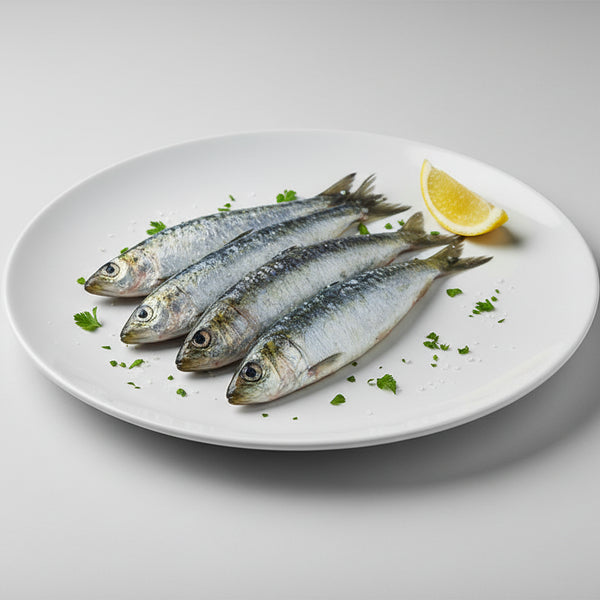
The fish: The best sardines are caught in the Galician Rías Baixas or in the Cantabrian Sea, where cold, plankton-rich waters produce sardines with more intramuscular fat. This fat is what provides juiciness and flavor. Sardines are fished in their optimal season (June-October) when they have the highest fat content.
The process: In artisanal canneries, sardines are cleaned and packed by hand — one by one. Workers (traditionally women, the "packers") select each piece by size and appearance. It is a meticulous job that cannot be automated without losing quality.
The medium: Quality extra virgin olive oil, not sunflower oil or refined olive oil. The oil permeates the sardine for months, and a bad oil contaminates the product. The best canneries specify the type of oil on the label.
Maturation: Like wine, canned sardines improve with time. Proteins and fats slowly break down inside the can, developing more complex umami flavors. A 2-3 year old can is notably superior to a freshly made one. Some canneries sell "gran reserva" cans aged 5-8 years.
How to choose premium canned sardines
When you're in the aisle or shopping online, look for these indicators:
- Number of pieces: In premium sardines, less is more. A can with 3-4 large sardines is better than one with 8-10 small ones. Large ones have more fat and flavor.
- Preserving medium: Look for "extra virgin olive oil" on the label. Discard "vegetable oil" or "sunflower oil."
- Origin: Galicia and northern Spain produce the best. Look for indications like "Rías Baixas," "Cantabrian," or recognized Galician canneries.
- Manufacturing date: Not the expiration date. Sardines improve with age. If you can choose, buy cans manufactured 2-3 years ago.
- Price: Premium sardines cost 4-8 euros per can. Below 2 euros, it's unlikely they are artisanal.
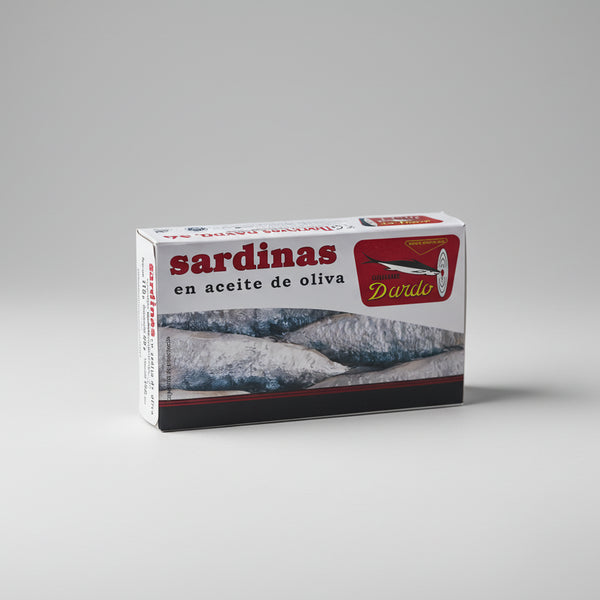
- Packaging: Serious canneries pay attention to presentation. Decorated cans, detailed information about origin and process.
Best brands of premium canned sardines
| Brand | Origin | Specialty | Approx. price |
|---|---|---|---|
| Real Conservera Española | Galicia | Aged, gourmet | 6-12 EUR |
| Conservas de Cambados | Galicia | Spicy small sardines | 5-8 EUR |
| Güeyu Mar | Asturias | Grilled and smoked | 8-15 EUR |
| Baymar | Galicia | Quality-price ratio | 3-6 EUR |
| Los Peperetes | Galicia | Family artisanal | 5-9 EUR |
| Ramón Peña | Galicia | Classic Galician | 4-7 EUR |
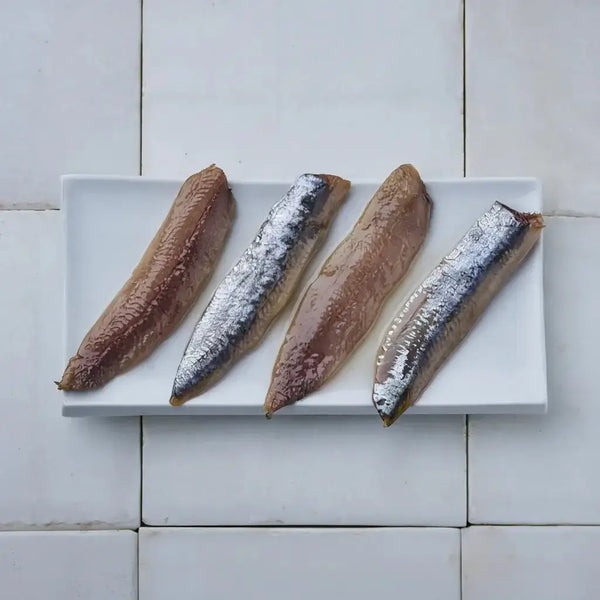
For more information on high-end smoked sardines, read our article on gourmet smoked sardines. And for a general guide to canned fish, see our guide to choosing and preserving the best canned fish.
Sardines and premium preserves at Bacalalo
We select the best Spanish canneries. Sardines, small sardines, and signature preserves.
View sardine collectionPreservation and aging: sardines like wine
Canned sardines are one of the few foods that genuinely improve with time. The process is fascinating:
- Year 1: fresh flavor, firm texture, the layers of the sardine are clearly distinguishable. Good, but with potential.
- Years 2-3: proteins begin to break down (proteolysis), generating free amino acids that provide umami flavor. The texture softens. This is the sweet spot for most.
- Years 4-6: complex, deep flavor, with notes reminiscent of cured ham. The sardine melts in the mouth. Only the best preserves reach this level.
- Years 7+: reserved for the highest quality preserves. The flavor is extraordinarily concentrated. Comparable to a grand cru.
To age correctly:
- Store the cans in a horizontal position (like wine bottles).
- Maintain a stable temperature between 15-20 °C. Avoid extreme heat.
- Flip the cans every 3-4 months to redistribute the oil.
- Store in a dark, dry place — light and humidity accelerate can degradation.
Recipe 1: Premium sardine toast with tomato and basil
The purest way to enjoy quality sardines. No cooking needed.
Ingredients (2 people): 1 can of premium sardines, 4 slices of toasted sourdough bread, 2 ripe tomatoes, fresh basil, extra virgin olive oil, Maldon sea salt flakes.
Preparation: Toast the bread. Rub with half a tomato to infuse it. Place 1-2 sardines on each toast. Garnish with basil leaves, a drizzle of extra virgin olive oil (different from the can's oil), and a few Maldon sea salt flakes. Serve immediately.
The trick is to use the oil from the can as a dressing: it has concentrated sardine flavor and is liquid gold. Pour it over the tomato on the bread.
Recipe 2: Mediterranean salad with sardines
A complete and nutritious salad in 10 minutes.
Ingredients (2 people): 1 can of sardines, mixed greens, cherry tomatoes, cucumber, black olives, red onion, capers, vinaigrette with the can's oil.
Preparation: Assemble the salad with the greens, sliced cherry tomatoes, cucumber slices, olives, and thinly sliced red onion. Place the whole sardines on top. Make the vinaigrette with the oil from the can, Sherry vinegar, a pinch of mustard, and honey. Garnish with capers.
Recipe 3: Pasta with sardines, Sicilian style
Inspired by Sicilian "pasta con le sarde" but with canned sardines.
Ingredients (2 people): 200g spaghetti, 1 can of sardines, 2 cloves garlic, dried chili flakes, 30g pine nuts, 30g raisins, fresh fennel (or its seeds), toasted breadcrumbs.
Preparation: Cook the pasta al dente. In a frying pan, brown the sliced garlic and chili flakes in the sardine can's oil. Add pine nuts and raisins, cook for 2 minutes. Stir in the crumbled sardines and mix everything. Drain the pasta and add it to the pan, stirring to combine. Serve with toasted breadcrumbs on top (the Sicilian "mollica") and fennel fronds.
Recipe 4: Piquillo peppers stuffed with sardines
An elegant tapa that's ready in 5 minutes without cooking.
Ingredients (4 people): 12 piquillo peppers, 2 cans of sardines, 100g cream cheese, chopped chives, lemon.
Preparation: Mix the crumbled sardines with the cream cheese, a squeeze of lemon juice, and the chives. Stuff the piquillo peppers with a spoon. Arrange on a platter and drizzle with the oil from the cans. You can serve them as is (cold) or grill for 5 minutes in the oven.
Recipe 5: Homemade sardine pâté
A spreadable pâté for snacking that's made in 2 minutes with a blender.
Ingredients: 1 can of sardines (with its oil), 80g cream cheese, 1 tablespoon lemon juice, black pepper, chives.
Preparation: Put all ingredients into a blender (sardines with their oil, cream cheese, lemon, pepper). Blend until a homogeneous cream is obtained. Serve in a bowl with chopped chives and accompany with toast, crackers, or vegetable sticks.
This pâté keeps for 3-4 days in the refrigerator and is perfect to have a high-quality appetizer always ready.
Nutritional values of canned sardines
| Nutrient | Per 100 g (drained) |
|---|---|
| Calories | 208 kcal |
| Proteins | 24.6 g |
| Fats | 11.5 g |
| Omega-3 | 1.5 g (EPA + DHA) |
| Calcium | 382 mg (38% RDI) |
| Vitamin D | 4.8 µg (24% RDI) |
| Vitamin B12 | 8.9 µg (356% RDI) |
Sardines are one of the most nutritionally complete foods: high-quality protein, omega-3 (anti-inflammatory), calcium (if eaten with bones, which are soft in preserves), vitamin D, and B12. They are one of the fish with the lowest mercury accumulation due to their small size.
Discover our premium selection
Carefully selected seafood products since 1990 at Mercat del Ninot, Barcelona. Refrigerated delivery in 24-48h.
Conclusion
Premium canned sardines are much more than a cheap appetizer. They are a gourmet product with a century-old canning tradition, an exceptional nutritional profile, and culinary versatility ranging from simple toast to elaborate pasta dishes.
Choosing wisely is key: Galician or Cantabrian origin, extra virgin olive oil, a few large pieces, and if possible, let them mature for a few years. A can of good sardines aged 3 years is a gastronomic experience that surprises anyone who tries it for the first time.
At Bacalalo, we select sardines and preserves from the best Spanish canneries. Discover our premium sardine collection and experience the difference of an artisanal preserve.
Premium canned sardines
From the best Galician and Cantabrian canneries. Artisanal selection.
Buy premium sardinesFrequently asked questions
Do canned sardines improve with age?
Yes. Quality canned sardines improve significantly during the first 3-5 years. Proteins break down, generating umami flavor, and the texture softens. Store them horizontally, at 15-20 °C, and turn them every 3-4 months.
How much do premium sardines cost?
Between 4-12 euros per can, depending on the brand, harvest, and maturation time. Aged cans of 5+ years from canneries like Real Conservera Española can exceed 12 euros. Baymar offers excellent value for money around 3-6 euros.
Can you eat the bones of canned sardines?
Yes, and it is recommended. The bones soften completely during the sterilization and maturation process. They are an excellent source of calcium. In well-aged premium sardines, the bones are practically imperceptible.
How long do canned sardines last?
The best-before date is usually 4-6 years from manufacturing, but quality sardines last much longer if the can is intact. It is not uncommon to consume cans of 8-10 years in perfect condition. Once opened, consume within 2-3 days refrigerated.
Do canned sardines contain mercury?
Sardines are one of the fish with the lowest accumulation of mercury, thanks to their small size and low position in the food chain. They are safe for regular consumption, even for pregnant women (according to AESAN, up to 3-4 servings per week).
Which is better: sardines in olive oil or escabeche?
It depends on taste. In extra virgin olive oil, the sardine flavor is purer and more direct — ideal for tasting. In escabeche, there is more complexity of flavors (vinegar, paprika, bay leaf) — ideal for tapas. For aging, olive oil sardines are better.
How many canned sardines can I eat per week?
AESAN recommends consuming fish 3-4 times a week. Sardines, being small blue fish with low mercury, can be included in 2-3 of those servings without problem. They provide essential omega-3, calcium, and vitamin D.
Should I use the oil from the can or discard it?
Always use it, especially if it's extra virgin olive oil. It is infused with the flavors and omega-3s of the sardine. It's perfect as a dressing for toasts, salads, or pasta. Discarding it is wasting the best part of the can.
Marc González Sáez
Since 1990 in the Mercat del Ninot, Barcelona. We select cod and seafood products directly from the producer. It's not marketing — there are verifiable factors.