Summary: Tiradito is the most refined jewel of Peruvian cuisine. Often confused with ceviche, this dish has its own personality: wafer-thin slices of raw fish bathed in a spicy citrus sauce, served immediately without prior marination. It is elegant, fresh, vibrant, and surprisingly...
Table of Contents
- What is tiradito and how does it differ from ceviche?
- The key: choosing the right fish
- Basic recipe: Classic white fish tiradito
- 4 spectacular tiradito variations
- Common mistakes when preparing tiradito
- Presentation: how to plate like a chef
- Wine pairing for tiradito
- Nutritional value of tiradito
- Frequently asked questions about fish tiradito
- Frequently asked questions
- Conclusion
Fish Tiradito: Elegant Peruvian Recipe Step-by-Step
Tiradito is the most refined jewel of Peruvian cuisine. Often confused with ceviche, this dish has its own personality: wafer-thin slices of raw fish bathed in a spicy citrus sauce, served immediately without prior marination. It is elegant, fresh, vibrant, and surprisingly easy to prepare at home.
Unlike ceviche, where the fish is cut into cubes and marinated in lime for minutes, tiradito is inspired by Japanese sashimi: the fish is cut into thin slices and the sauce is added just before serving. It is Nikkei fusion (Peruvian-Japanese) at its finest.
In this guide, we teach you everything: the correct cutting technique, the basic recipe for tiradito leche de tigre, four spectacular variations, and the presentation secrets that will turn your dish into a gastronomic work of art.
What is tiradito and how does it differ from ceviche?
Tiradito was born in Lima, Peru, as a result of the encounter between Peruvian culinary tradition and Japanese technique. Japanese immigrants of the 19th century brought with them the art of fine sashimi cutting, which Peruvian cooks fused with local flavors: aji amarillo, lime, cilantro.
The fundamental differences with ceviche are:
| Characteristic | Tiradito | Ceviche |
|---|---|---|
| Cut | Thin slices (3 mm) | Cubes (2 cm) |
| Marination | No marination, sauce at the moment | 5-15 minutes in lime |
| Sauce | Processed and strained leche de tigre | Direct lime juice |
| Texture | Silky, almost raw | Semi-cooked by the acid |
| Onion | Never includes onion | Always includes red onion |
| Serving | Flat, on an extended plate | In a bowl or glass |
Tiradito is a more elegant and delicate dish than ceviche. It is perfect as an appetizer for a formal dinner or as a sophisticated starter.
The key: choosing the right fish
Not just any fish will do for tiradito. You need sashimi-grade fish (suitable for raw consumption) with these characteristics:
- Absolute freshness: The fish should smell of clean sea, with firm and bright flesh. Ask your fishmonger to confirm that it is suitable for raw consumption.
- Firm texture: You need a fish that can be cut into thin slices without falling apart.
- Mild to moderate flavor: Very strong-flavored fish would compete with the leche de tigre.
Best fish for tiradito
- Sea bass (róbalo): The Peruvian classic. White, firm flesh and delicate flavor.
- Corvina: Similar to sea bass, excellent for beginners.
- Salmon: Not traditional but works spectacularly. Its fat provides a silky texture that melts in the mouth. Bacalalo's hand-cut smoked salmon (€23.90), cut into thin slices, creates an unorthodox but absolutely delicious tiradito.
- Bluefin tuna: For a powerful tiradito, with more personality. Our bluefin tuna belly provides intramuscular fat that melts in the mouth and elevates the tiradito to restaurant level.
- Sole: Very delicate, ideal for tiradito with a mild leche de tigre.
Safety tip: For raw consumption, fish must have been frozen at -20°C for at least 24 hours (or purchased already frozen on board) to eliminate the risk of anisakiasis. Your trusted fishmonger can advise you.
Basic recipe: Classic white fish tiradito
Ingredients (for 4 people as a starter)
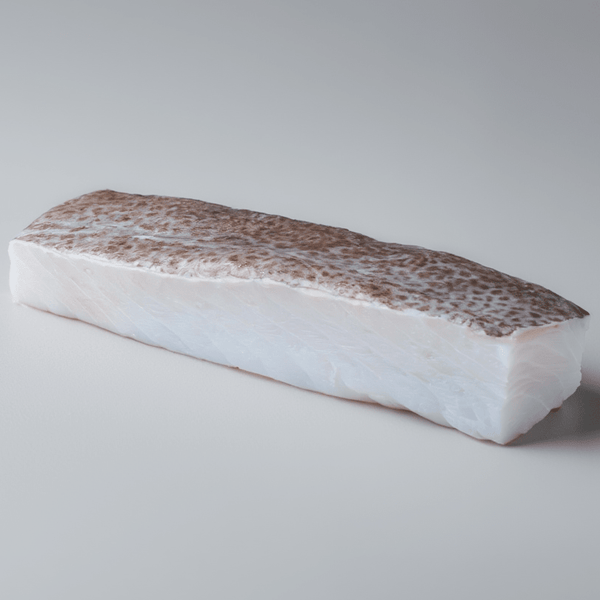
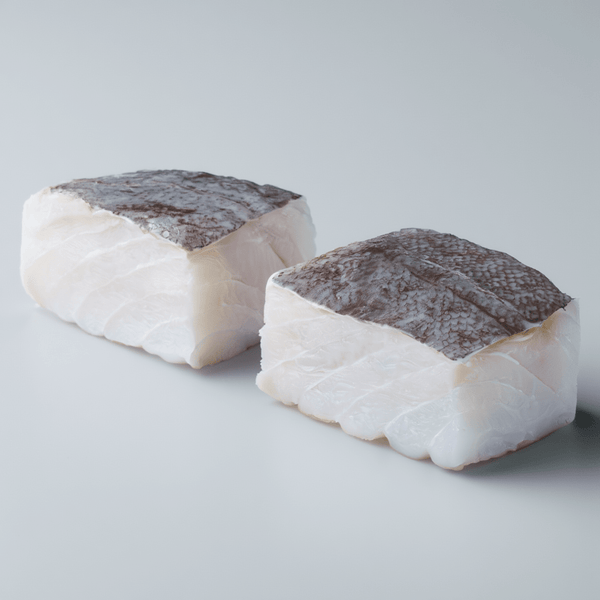
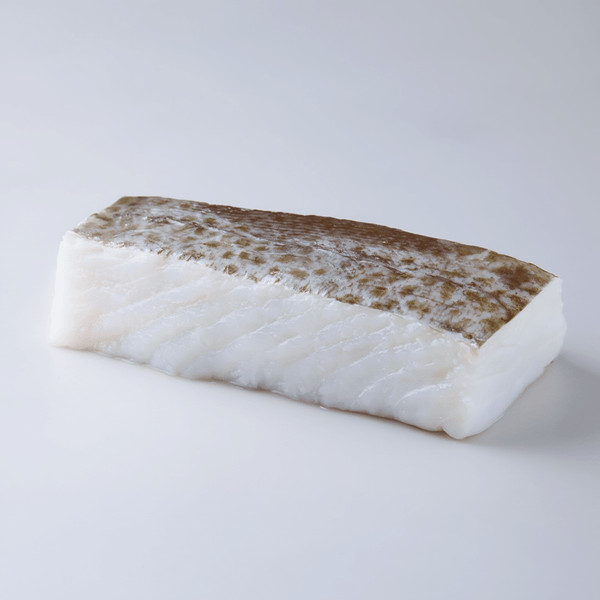
- 400 g sea bass or corvina loin (sashimi grade)
- 6-8 limes (you'll need approximately 150 ml of juice)
- 1 fresh aji amarillo (or 1 tablespoon aji amarillo paste)
- 1 small garlic clove
- 1 cm fresh ginger
- Salt and white pepper
- Fresh cilantro
- Extra virgin olive oil
- 1 teaspoon fish sauce (optional, for umami)
Preparation of the leche de tigre
Leche de tigre is the soul of tiradito. It is different from ceviche's: here it is processed and strained to obtain a silky sauce.
- Cut the fish trimmings (the parts left after filleting) into small pieces. You'll need about 50g.
- In a blender, combine: fish trimmings, freshly squeezed lime juice, seeded aji amarillo, garlic, ginger, a generous pinch of salt, white pepper, and a dash of fish sauce.
- Blend for 30 seconds until a homogeneous mixture is obtained.
- Strain through a fine-mesh sieve, pressing to extract all the liquid. Discard the solids.
- Taste and adjust salt and acidity. It should be quite acidic, slightly spicy, and with body.
- Refrigerate until serving. The leche de tigre should be very cold.
Fish cutting technique
The cut is what distinguishes a homemade tiradito from a professional one:
- Chill the fish: 15-20 minutes in the freezer before cutting. Cold firms the flesh and makes cutting easier.
- Use a very sharp knife: A sashimi knife (yanagiba) is ideal, but a well-sharpened chef's knife will work.
- Cut diagonally: Place the loin with the thickest part towards you. With the knife tilted at 45°, cut slices 3-4 mm thick with a single fluid motion. Do not saw.
- Arrange immediately: Place each slice directly on the serving plate, slightly overlapping, forming a fan or row.
Assembly and serving
- Arrange the fish slices on a cold plate (put it in the fridge 10 minutes beforehand).
- Just before serving, pour the cold leche de tigre over the slices.
- Finish with a drizzle of extra virgin olive oil, cilantro leaves, a few grains of Maldon salt and, if desired, very thin slices of aji amarillo for decoration.
- Serve immediately. Tiradito does not wait.
Related Bacalalo Products


4 spectacular tiradito variations
1. Nikkei salmon tiradito with passion fruit sauce
The Peruvian-Japanese fusion at its finest. Substitute sea bass with Domínguez smoked salmon (€8.90) cut into thin slices. Prepare the leche de tigre by adding 50 ml of strained passion fruit pulp and replace the aji amarillo with soy sauce. Garnish with black sesame seeds and chives.
2. Tuna tiradito with rocoto pepper
For spice lovers. Use bluefin tuna loin cut into thick slices (5 mm). The leche de tigre is prepared with rocoto pepper (spicier than yellow), lime juice, and a touch of honey. Garnish with crispy sweet potato chips and microgreens.
3. Octopus tiradito with smoked olive oil
Cook Galician-style octopus and cut it into thin 3mm slices. Bathe with a mild leche de tigre (more lime, less aji) and finish with smoked olive oil, paprika from La Vera, and fried capers. A dish that fuses Peru with Galicia.
4. Vegetable tiradito with mushrooms and truffle
For diners who don't eat fish. Slice raw portobello mushrooms very thinly with a mandoline. Bathe with a fish-free leche de tigre (lime, aji, ginger, cilantro) and finish with truffle oil and parmesan shavings. Surprisingly delicious.
Common mistakes when preparing tiradito
- Marinating the fish: Tiradito is NOT marinated. The sauce is added at the moment of serving. If you bathe the fish beforehand, it cooks due to the acid and you lose the silky texture.
- Poor quality fish: No cooking can camouflage bad fish. Invest in sashimi quality.
- Dull knife: A knife that doesn't cut cleanly will destroy the fish fibers, creating irregular and unpleasant slices.
- Serving lukewarm: Everything should be cold: the plate, the fish, and the leche de tigre. Lukewarm tiradito loses all its grace.
- Unstrained leche de tigre: Unstrained pieces of aji or ginger ruin the silky texture that defines tiradito. Always strain it.
- Excessive ingredients: Tiradito is minimalism. Don't overload it with toppings. Less is more.
Presentation: how to plate like a chef
The presentation of tiradito is as important as its flavor. Follow these guidelines:
- Plate: Use large, flat, white plates. Negative space is your ally.
- Arrangement: The slices should be slightly overlapping, like fish scales. Never piled up.
- Color: Add strategic pops of color: the green of cilantro, the orange of aji, the pink of radish.
- Texture: A crunchy element (sweet potato chips, cancha corn, fried onion) elevates the dish.
- Final touch: A drizzle of extra virgin olive oil forming a line or in drops. Maldon salt over the slices.
Wine pairing for tiradito
Tiradito calls for fresh and aromatic drinks:
- Pisco Sour: The quintessential Peruvian pairing. The acidity of the cocktail complements that of the dish.
- Albariño: Its citrus acidity and minerality are perfect.
- Champagne or Cava Brut: The bubbles cleanse the palate between bites.
- Japanese beer: If you're going the Nikkei route, a cold Asahi or Kirin.
- Dry Sake: For the salmon and soy variation.
Nutritional value of tiradito
Tiradito is one of the healthiest dishes you can prepare:
- Calories: 120-150 kcal per serving
- Protein: 20-25 g
- Fats: 3-5 g (mostly omega-3 if using salmon or tuna)
- No cooking: Retains all vitamins and minerals from fresh fish
- Rich in vitamin C: Thanks to the lime juice
It is a perfect dish for low-calorie diets, protein diets, and for those looking to eat healthy without sacrificing spectacular flavors.
Frequently asked questions
What is the difference between tiradito and ceviche?
Tiradito is cut into thin slices (like sashimi) and the sauce is added just before serving, without marination. Ceviche is cut into cubes and marinated in lime for 5-15 minutes. Tiradito never has onion and has a silkier texture. It is a Peruvian-Japanese (Nikkei) fusion.
What fish is best for tiradito?
The best are sea bass (róbalo), corvina, sole, salmon, and bluefin tuna. The key is that it must be sashimi-grade fish, fresh, and with firm flesh. It must have been frozen at -20°C for 24 hours to eliminate the risk of anisakiasis.
What is tiradito's leche de tigre?
Leche de tigre is the tiradito sauce, made with lime juice, fish trimmings, aji amarillo, garlic, ginger, salt, and white pepper. Everything is blended together and strained to obtain a silky and aromatic sauce that is poured over the fish slices at the moment of serving.
Can tiradito be prepared in advance?
The cut fish can be refrigerated for up to 2 hours beforehand, covered with plastic wrap. The leche de tigre can be prepared hours in advance and stored in the refrigerator. But the combination (sauce over fish) must be done just before serving, as the acid cooks the fish.
Is it safe to eat raw fish in tiradito?
Yes, provided the fish is sashimi-grade and has been previously frozen at -20°C for at least 24 hours to eliminate anisakiasis. Buy from trusted fishmongers who handle fish for raw consumption. Avoid it if you are pregnant or have a compromised immune system.
Can tiradito be made with smoked salmon?
Yes, although it is not the traditional recipe, smoked salmon cut into thin slices creates a delicious tiradito. The fat in the salmon provides a silky texture and the smoking adds an extra dimension. It pairs very well with a leche de tigre with passion fruit and soy sauce.
What can I substitute aji amarillo with?
If you can't find fresh aji amarillo, use aji amarillo paste (in Latin stores or online). Alternatively, mix roasted yellow bell pepper with a pinch of cayenne. Habanero is too spicy. Bottled aji amarillo paste is the most practical and faithful substitute to the original flavor.
Related Bacalalo Products
Conclusion
From Mercat del Ninot in Barcelona, we have been selecting the best seafood products for over 35 years. If this guide has been useful to you, explore our catalog at bacalalo.com and receive the same quality we have sold at the market since 1990 at home.
Related guides
Discover more