Summary
Suquet is one of the oldest dishes in Catalan cuisine. It originated on fishing boats, where fishermen cooked the day's catch in a pot with seawater, potatoes, and a basic sofrito. In this guide: Salt Cod Suquet: The Cuisine of Catalan Fishermen, Ingredients for 4 people, The Sofrito: The base of everything.
Salt Cod Suquet: The cuisine of Catalan fishermen
Suquet is one of the oldest dishes in Catalan cuisine. It originated on fishing boats, where fishermen cooked the day's catch in a pot with seawater, potatoes, and a basic sofrito. The word "suquet" comes from "suc" (juice): the dish is defined by its short, concentrated broth, halfway between a soup and a stew.
Traditionally, suquet is made with rockfish: monkfish, scorpionfish, conger eel. But desalinated cod is an alternative that has been prepared in Catalan homes for centuries, especially during Lent. Cod brings a natural gelatin to the suquet that thickens the broth and gives it body. The result is different from fresh fish suquet, but just as good.
What turns a simple fish stew into an authentic suquet is the "picada": a paste of almonds, garlic, parsley, and sometimes saffron that is added at the end, transforming the broth into something silky and aromatic. Without picada, it's not suquet.
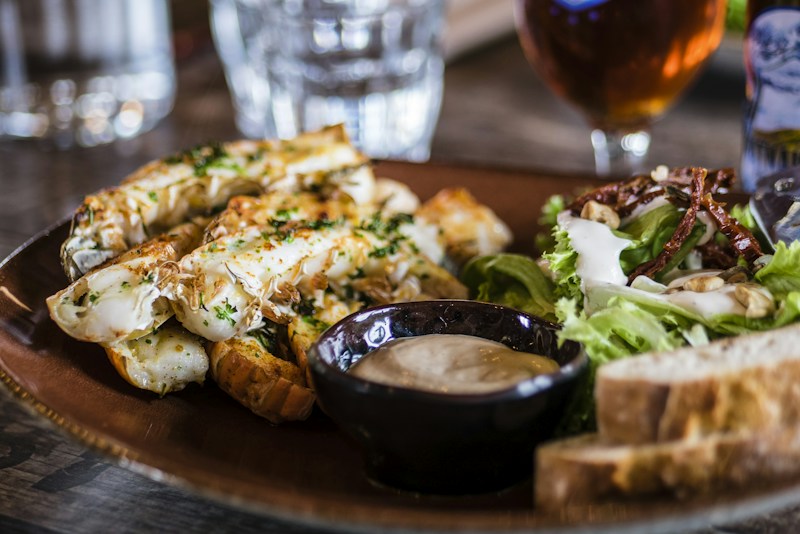
Ingredients for 4 people
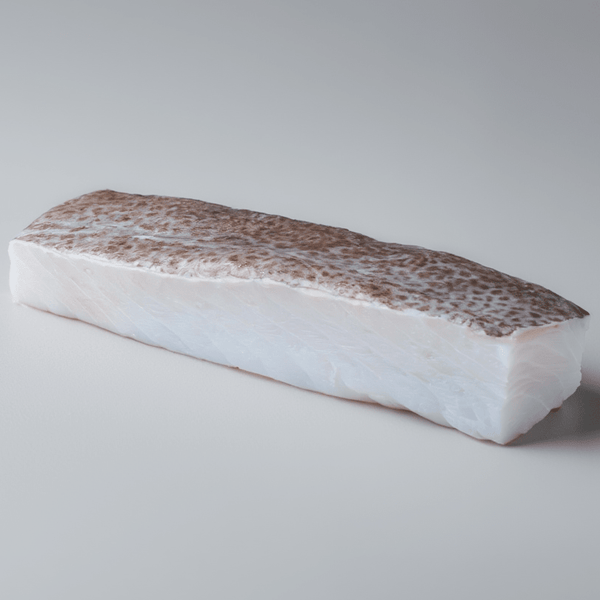
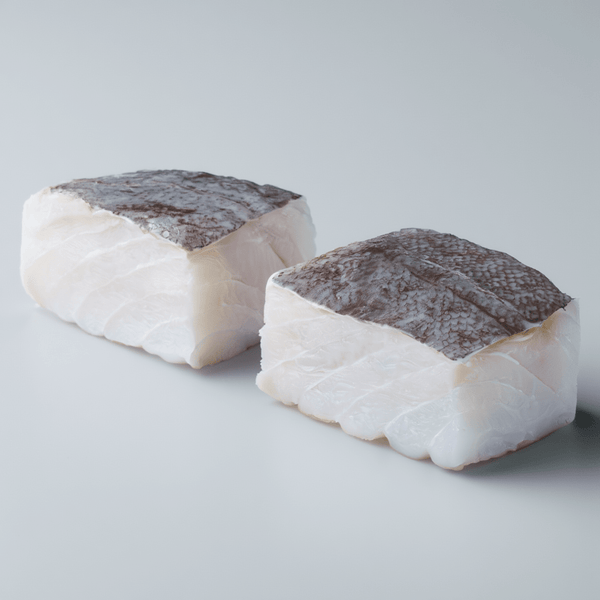
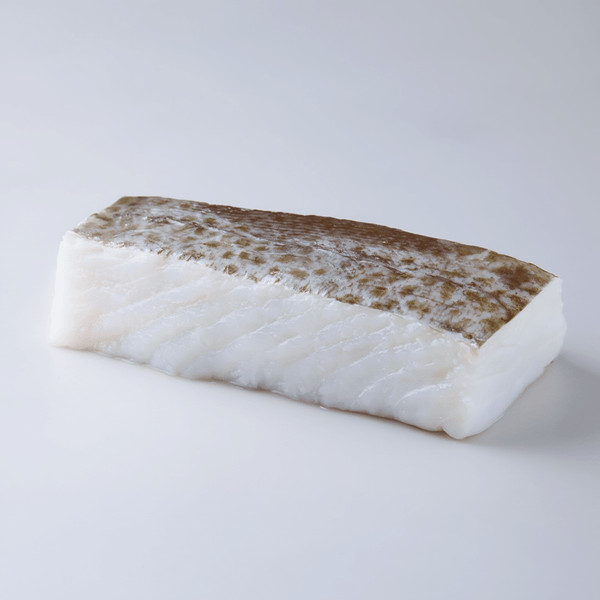
- 600 g desalinated cod (thick cuts)
- 500 g potatoes
- 1 medium onion
- 2 ripe tomatoes (approx. 300 g)
- 4 cloves of garlic
- 100 ml extra virgin olive oil
- 1 bay leaf
- A pinch of saffron (8-10 threads)
- 200 ml fish stock or water
- Salt and black pepper
For the picada:
- 20 toasted almonds (skinless)
- 2 cloves of garlic
- A handful of fresh parsley
- 8-10 saffron threads (the same or additional)
- 1 small slice of fried bread (optional)
- 2-3 tablespoons of stew broth
The picada is the secret of suquet. The combination of almonds, garlic, and saffron creates a natural thickener that binds the broth without the need for flour or roux.
The sofrito: The base of everything
The sofrito (Catalan sofrito) is the foundation of suquet. And it requires patience.
- Heat the oil in a wide, shallow pot (the traditional cassola) over medium heat.
- Add the finely chopped onion. Cook for 12-15 minutes, stirring occasionally, until golden and soft.
- Grate the tomatoes (the skin remains in your hand). Add the pulp to the pot. Cook for 15-20 minutes over medium-low heat, stirring regularly, until the tomato darkens, loses water, and becomes concentrated. You'll know it's ready when the oil begins to separate from the tomato.
Don't rush the sofrito. A rushed sofrito — cooked for 5 minutes over high heat — leaves the stew acidic and tasting of raw tomato. A good sofrito needs half an hour. It's the step that makes the difference between a correct homemade suquet and a memorable one.
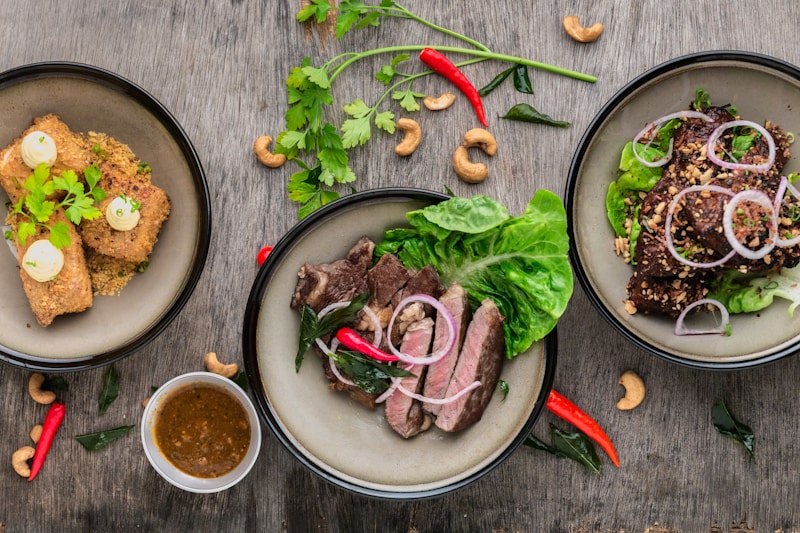
Step-by-step guide to salt cod suquet
- Prepare the potatoes. Peel them and cut them into 1.5 cm thick slices. Some recipes call for "cascarlas" (breaking them with a knife) so they release more starch. Both options work.
- Add the potatoes to the sofrito. Mix well so they soak up the tomato and oil. Cook for 2-3 minutes, stirring.
- Add the liquid. Pour in the fish stock (or hot water) along with the bay leaf and saffron. It should cover the potatoes. Bring to a boil, reduce heat, and cook for 18-20 minutes until the potatoes are almost tender.
- Prepare the picada in the meantime. In a mortar, crush the peeled garlic with a pinch of salt. Add the toasted almonds and mash until you get a coarse paste. Incorporate the chopped parsley and saffron. If using fried bread, add it too. Mix with 2-3 tablespoons of hot stew broth until you get a homogeneous paste.
- Add the cod. Place the cod pieces on top of the potatoes, skin side up. Do not stir. Cook for 8-10 minutes over low heat.
- Incorporate the picada. Pour the picada over the stew. Shake the pot in circular motions (do not use a spoon) to integrate it. Cook for 3-4 minutes more.
The suquet is ready when the broth has a slightly thick, almost unctuous texture. If it's too liquid, carefully remove the cod and reduce the broth over high heat for 5 minutes before reassembling.
The picada: technique and variations
The picada is made with a mortar. Food processors or blenders work, but a mortar produces an irregular texture that integrates better into the broth. The almonds are partially crushed, with small pieces that add a subtle crunch to the dish.
Hazelnut variation. In some areas of Baix Empordà, part of the almonds are replaced by toasted hazelnuts. The flavor is deeper and earthier.
Maria biscuit variation. It sounds strange, but in some homes on the Costa Brava, a Maria biscuit is used instead of fried bread. It adds a very subtle sweetness that rounds out the dish.
Saffron vs. food coloring. Use real saffron. Food coloring provides color but zero flavor. Saffron gives the suquet a floral and bitter aroma that is part of its identity.
Pairing and serving
Serve the suquet in the same clay pot, directly from the stove to the table. It's a dish that doesn't need plating: the steaming pot is its best presentation.
Accompany with a mild aioli (garlic and oil emulsion, no egg) served separately. Each diner adds the desired amount. The aioli dissolves in the hot broth and enriches it in a spectacular way.
The ideal wine is a full-bodied Catalan white. A Xarel·lo from Penedès fermented in oak barrels, or a Garnacha Blanca from Terra Alta. If you prefer something fresher, a Picapoll from Pla de Bages.
Crusty bread for dipping in the broth. Essential.

Premium Seafood — Bacalalo
Since 1990, selecting the best from the sea at Mercat del Ninot, Barcelona. Refrigerated shipping 24-48h.
View desalinated cod →🛒 Products mentioned in this article
⭐ 4.9/5 · Cold shipping 24-48h · Since 1990 at Mercat del Ninot
Frequently asked questions
What is the difference between suquet and zarzuela?
Suquet is a short-broth stew with only one type of fish (or seafood). Zarzuela has several fish and seafood, more broth, and is usually more festive. Suquet is boat cuisine; zarzuela is celebration cuisine.
Can I use boxed fish stock?
You can, but choose a good quality one. Industrial fish stocks are often very salty and have an artificial flavor. If you don't have homemade fish stock, use water and enhance the flavor with the picada and a good sofrito. Water is better than bad fish stock.
Can suquet be made with fresh cod?
Yes. Use thick fillets of fresh cod and reduce cooking time to 6-7 minutes. The broth will be cleaner and milder, without the intensity provided by desalinated cod. Both versions are valid.
What is a cassola and why does it matter?
A cassola is a Catalan shallow, wide clay pot with low sides. It distributes heat evenly and allows the broth to reduce while the fish cooks gently. If you don't have one, use a deep frying pan or a conventional clay pot.
Can I add seafood to cod suquet?
You can add a few prawns or langoustines in the last 4-5 minutes of cooking. But cod suquet, in its purest form, is a dish with a single main ingredient. Cod has enough character not to need reinforcements.
Can suquet be reheated?
Yes, and it improves. The broth settles and the potatoes absorb more flavor. Reheat over very low heat, without boiling. If the broth has thickened too much in the refrigerator, add a tablespoon of hot water.
Discover more