Summary
Galician-style octopus (or pulpo á feira) is one of the most iconic dishes of Spanish cuisine. In this guide: History and origin of Galician-style octopus, Ingredients for Galician-style octopus (4 servings), How to cook octopus: tricks for tender results.
Galician-style octopus (or pulpo á feira) is one of the most iconic dishes of Spanish cuisine. It's a dish that appears simple, but involves careful cooking techniques and respect for the product. In this guide, we'll tell you its history, the tricks to make it tender, and the traditional recipe step by step.
History and origin of Galician-style octopus
Galician-style octopus has its roots in the fairs and pilgrimages of inland Galicia, especially in the A Ulloa region (Lugo). Interestingly, it did not originate on the coast but inland: the pulpeiras were women specialized in cooking octopus in large copper cauldrons during local festivals. The dish became popular in the 19th century and has since become a symbol of Galician gastronomy.
The correct name in Galician is polbo á feira (fair octopus), which refers to its festive origin. Today it is served throughout Spain and is one of the most internationally recognized tapas.
The secret has always been the same: quality product and precise cooking. There is no sauce that can mask poorly cooked octopus.
Ingredients for Galician-style octopus (4 servings)
- 1 whole octopus, 1.5-2 kg (fresh or previously frozen)
- Coarse salt
- Pimentón de la Vera (sweet and, optionally, spicy)
- Extra virgin olive oil
- Boiled potatoes (optional but traditional in many versions)
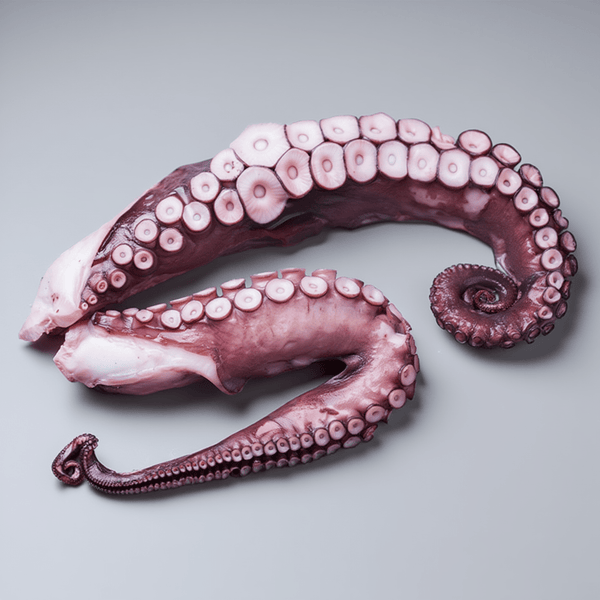
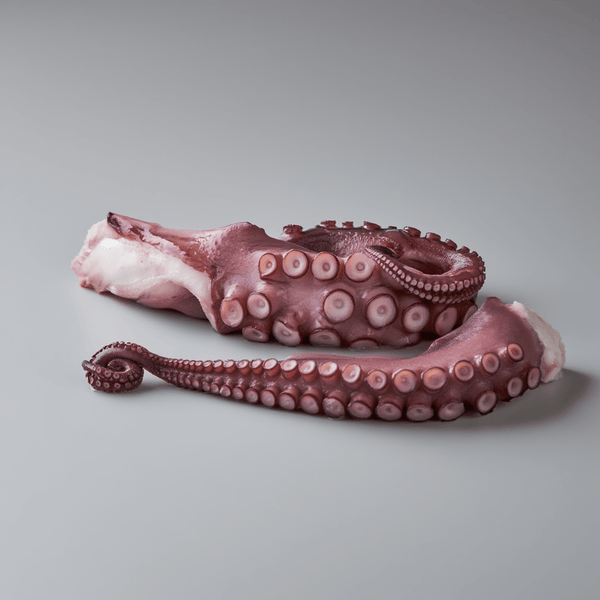
Note on octopus: if fresh, it should be frozen for at least 48 hours beforehand. Freezing breaks down muscle fibers and helps it become tender. If you buy it frozen, it's already ready.
How to cook octopus: tricks for tender results
Cooking is the critical step. This is where the dish is made or broken. These are the tricks that make all the difference:
The trick of "scaring" the octopus
This involves submerging the octopus in boiling water and removing it three times before letting it cook. Each immersion lasts 3-5 seconds. This process causes the tentacles to contract gradually and prevents the skin from detaching during cooking. It's the most common technique and the one we recommend.
Unsalted water
The cooking water should not contain salt. Salt is added later, when plating. If you cook the octopus in salted water, the skin will detach and the texture will be rubbery.
Time control
For a 1.5-2 kg octopus, the cooking time is 30-40 minutes over medium heat (the water should simmer gently, never boil vigorously). The definitive test: prick the thickest part of the tentacle with a toothpick. If it slides in and out without resistance, it's ready.
| Octopus weight | Cooking time | Heat |
|---|---|---|
| 1 kg | 25-30 min | Medium-low |
| 1.5 kg | 30-35 min | Medium-low |
| 2 kg | 35-40 min | Medium-low |
| 2.5 kg or more | 40-50 min | Medium-low |
Resting in its water
Once cooked, leave the octopus to rest in its own cooking water for 10-15 minutes. This allows it to finish tenderizing without overcooking. It's a step that many skip, but it makes a difference.
Step by step: complete Galician-style octopus recipe
- Prepare the octopus: If fresh, freeze it at least 48 hours prior. Thaw in the refrigerator the night before. Clean under running water, removing any sand remnants and the ink sac if present.
- Boil water: Use a large pot with plenty of water (without salt). Once it comes to a rolling boil, hold the octopus by the head.
- "Scare" the octopus: Submerge it in the boiling water for 3-5 seconds and then remove it. Repeat 3 times. The tentacles will gradually curl.
- Cook over medium heat: After the third "scare," leave the octopus submerged. Lower the heat so the water simmers gently (never a vigorous boil). Cook according to weight (see table).
- Test for doneness: Prick the thickest part of a tentacle with a toothpick. If it slides in without resistance, it's ready. If it's resistant, cook for another 5 minutes.
- Rest: Turn off the heat and leave the octopus in its water for 10-15 minutes.
- Cut: Remove the octopus from the water, drain it, and cut it into 1 cm thick slices with scissors. Scissors work better than a knife for a clean cut.
- Plate: Arrange the slices on a wooden plate (tábula). Drizzle generously with extra virgin olive oil, coarse salt, and plenty of Pimentón de la Vera.
Traditional presentation
Galician-style octopus is traditionally served on a wooden plate (tábula or pulpeira board). The slices are arranged in a uniform layer and seasoned in order: first the oil, then the coarse salt, and finally the pimentón. Some add sliced boiled potatoes as a base.
The key visual is that the pimentón forms a uniform red layer over the slices. It is served hot, directly from the kitchen to the table.
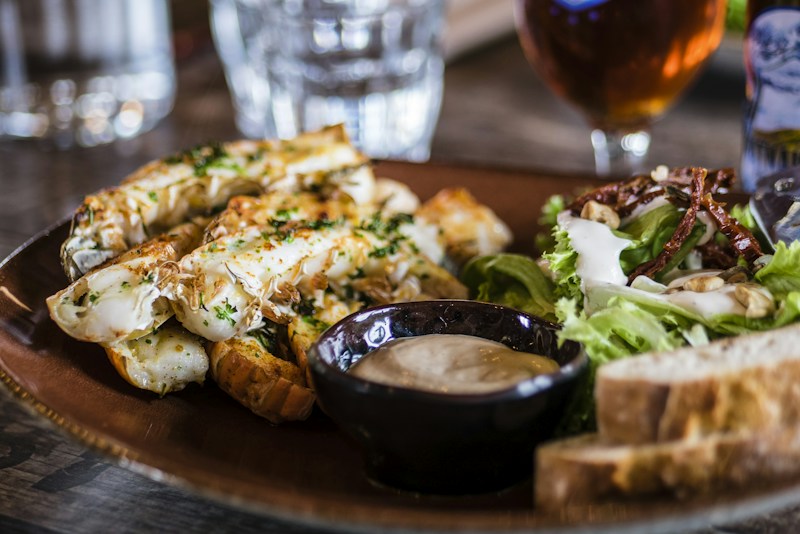
Premium Seafood — Bacalalo
Since 1990, selecting the best from the sea at Mercat del Ninot, Barcelona. Refrigerated shipping 24-48h.
See Galician octopus →Wine Pairing: what to drink with Galician-style octopus
Classic pairings include:
- Albariño (Rías Baixas): the most classic option. Its acidity and fruity notes balance the richness of the octopus and pimentón.
- Godello (Valdeorras): fuller-bodied than Albariño, ideal if the pimentón is spicy.
- Ribeiro: young, fresh wines, served in a ceramic cup as tradition dictates.
- Mencía (young red): for those who prefer red wine, a light Mencía from Ribeira Sacra works surprisingly well.
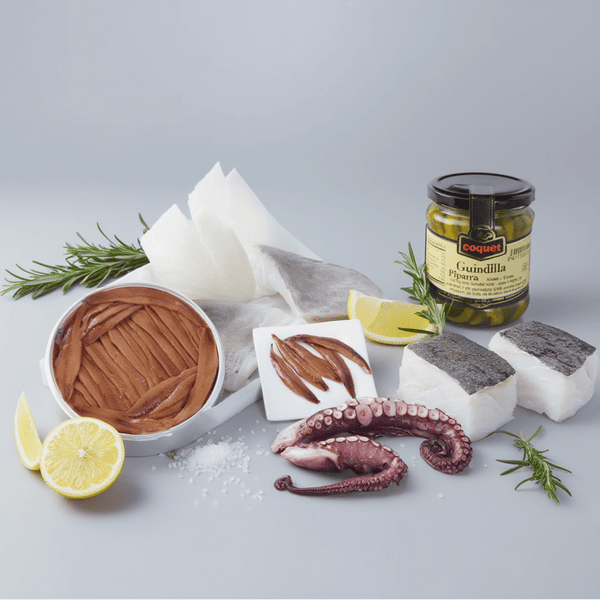
If you're looking for quality seafood products for your recipes, at Bacalalo we have a selection of gourmet preserves perfect to complement your dishes. You can also explore our complete collection of selected seafood products.
🛒 Products mentioned in this article
⭐ 4.9/5 · Cold shipping 24-48h · Since 1990 at Mercat del Ninot