Cod with leeks "a la marinera" is a comforting Basque recipe that combines the smoothness of confit leeks with the creaminess of aromatic pil-pil sauce. Leeks cooked slowly until they melt, cod that releases its gelatin into a silky broth, and a result that looks like it came from a restaurant, all with a surprisingly simple technique. Here's how to make it, step by step.
Origin: Cod "a la marinera" in Basque cuisine
Cod "a la marinera" is one of the great recipes in the Basque repertoire. The concept is simple: cod cooked slowly in a fatty medium (olive oil) at a low temperature, extracting the fish's gelatin to form a creamy emulsion. It's the same principle as pil-pil, but with more nuances and more generosity in the complementary ingredients.
The version with leeks is a variation that has become established in recent years, especially in cider houses and restaurants in Gipuzkoa and Bizkaia. The leek provides a vegetable sweetness that balances the saltiness of the cod and the intensity of the garlic. It doesn't compete with the main ingredient, but rather complements it.
What makes this recipe special is the technique of confiting leeks in a pressure cooker. Instead of briefly sautéing the leeks (which leaves them fibrous), we cook them under pressure until they melt into a silky cream that integrates with the cod sauce. The result is a dish with a texture impossible to achieve with other techniques.
Why leeks and cod are a perfect match
Leeks belong to the allium family, like garlic and onion, but with a milder aromatic profile and a more pronounced natural sweetness. When slowly confited, they develop caramelized notes that contrast with the residual saltiness of the desalted cod.
From a nutritional point of view, leeks are rich in fiber, potassium, and B vitamins. Combined with cod (high-quality lean protein, omega-3, vitamin B12), they form a nutritionally complete and balanced dish.
But the main reason is simpler: they taste good together. The earthy sweetness of the leek, the creaminess of the confited cod, and the subtle pungency of the garlic create a balance of flavors that works without the need for exotic spices or complicated techniques. It's product-focused cooking, direct and honest.
Ingredients for 4 servings
| Ingredient | Quantity | Notes |
|---|---|---|
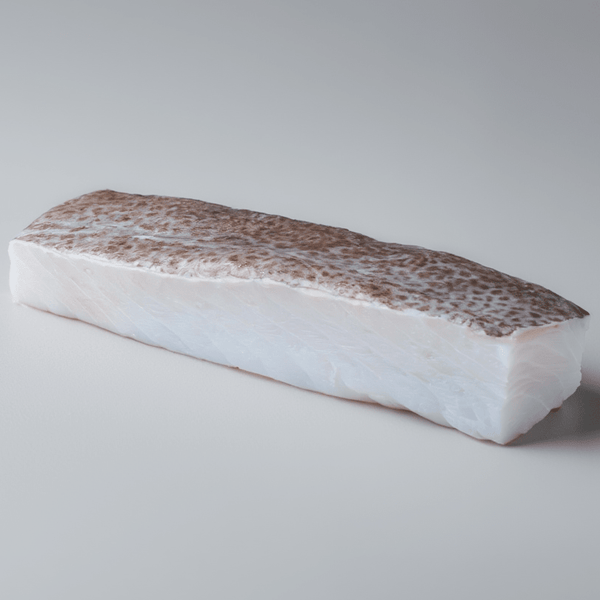
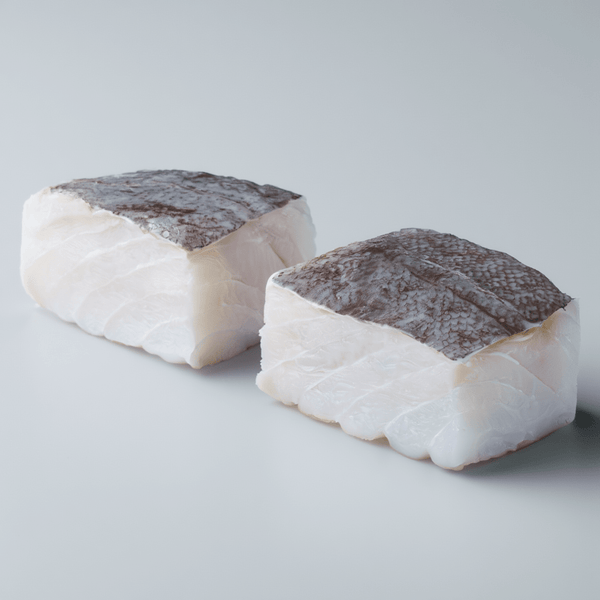
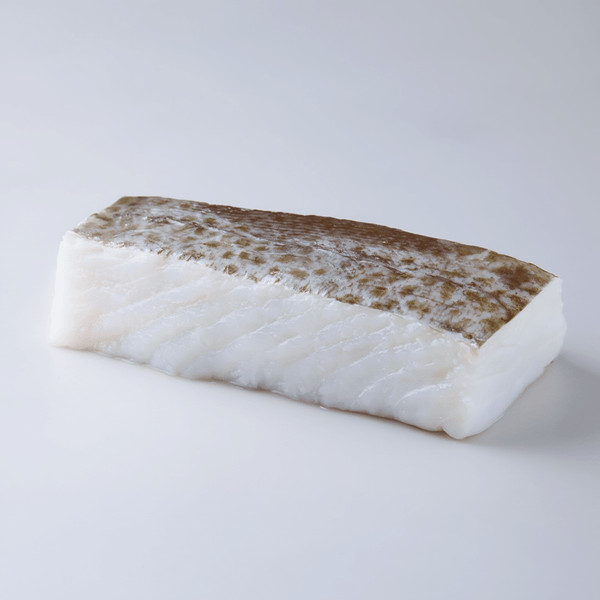
| Desalted cod loins | 4 pieces (150-180 g each) | Gadus morhua, with skin |
| Leeks | 4 medium | Only the white and light green parts |
| Extra virgin olive oil | 200 ml | Mild, arbequina type |
| Garlic | 6 cloves | Peeled, thinly sliced |
| Dried chili | 1 unit | Optional, deseeded |
| Fish stock | 200 ml | Homemade or good quality |
| Salt | To taste | Taste first, the cod already has salt |
| Fresh parsley | A bunch | Finely chopped for garnish |

Smoked Cod in Oil, Thinly Sliced - 1000g
Available at Bacalalo.com with refrigerated delivery in 24-48h
Step 1: Confit leeks in a pressure cooker
This is the trick that makes all the difference. Instead of sautéing the leeks in a pan (which leaves them with a fibrous texture), we are going to confit them in a pressure cooker to obtain a creamy sauce.
- Clean the leeks: remove the outer layers, cut off the root and the dark green part. Use only the white and light green parts.
- Cut the leeks into thick slices, 2-3 cm.
- Put the leeks in the pressure cooker with 3 tablespoons of olive oil, a pinch of salt, and 50 ml of water.
- Close the pot and cook under pressure for 8-10 minutes from when the valve rises.
- Allow the pressure to release naturally (do not force it open).
- When opened, the leeks will be practically melted, with a soft cream texture.
If you don't have a pressure cooker, you can confit the leeks in a covered saucepan over very low heat for 40-45 minutes, stirring occasionally. The result will be similar but will take longer.
Step 2: Prepare the cod
While the leeks are confiting, prepare the cod:
- Pat the cod loins dry with paper towels. Surface moisture prevents the oil from penetrating well.
- Check for any loose scales or bones. Run your fingers over the surface of the flesh.
- Leave the cod at room temperature for 15-20 minutes before cooking. The thermal shock between the refrigerator and the pan is the enemy of pil-pil.
Well-desalted cod should have a pleasant but not excessive saltiness. If you taste a thin flake and it's too salty, soak it in cold water for another 30 minutes. If it's bland, it means it has been desalted too much (this is harder to correct, but a pinch of salt when serving will compensate).
Step 3: Pil-pil with leek flavor
This is where the magic happens. We are going to make a classic pil-pil but incorporating the flavor of the confited leeks.
- In a wide clay or cast iron casserole, heat the remaining olive oil (about 150 ml) over low heat.
- Add the thinly sliced garlic and the chili. Cook over very low heat until the garlic is pale golden (3-4 minutes). Remove the garlic and chili and set aside.
- With the oil still warm (not hot, about 60-70 degrees), place the cod loins skin-side down.
- Cook over minimum heat for 8-10 minutes. The cod should cook slowly, almost confiting. You will see the oil begin to whiten slightly: this is the cod's gelatin emulsifying with the oil.
- Carefully flip the loins and cook for 3-4 more minutes on the other side.
- Remove the loins and set aside, covered.
Now, with the gelatinous oil in the casserole:
- Add the confited leeks to the oil and mix well.
- Gradually add the fish stock, moving the casserole in circles (not with a spoon) so that the emulsion doesn't break.
- You will see the sauce thicken and take on a beautiful pale green color. This is the leek pil-pil.
- Return the sliced garlic to the sauce.
- Taste for salt and adjust if necessary.
Step 4: Assembly and presentation
- Place the cod loins back into the casserole, on top of the leek sauce bed.
- Let them heat through for 2-3 minutes over minimum heat, spooning the sauce over the cod.
- Sprinkle the fresh chopped parsley on top.
- Serve directly in the clay casserole, which keeps the heat and makes for a rustic and elegant presentation.
The ideal accompaniment is good quality bread for dipping in the sauce. It also works with thick-sliced boiled potatoes. Avoid strong-flavored accompaniments that compete with the subtlety of the leek and cod.
Professional tips
- Oil temperature: the most common mistake is cooking cod with oil that is too hot. Pil-pil requires low temperatures (60-70 degrees) so that the gelatin is extracted without the protein contracting and hardening.
- Circular motion: to emulsify the sauce, move the casserole in circles over the heat; do not stir with a spoon. The circular motion creates the vortex that integrates the gelatin with the oil.
- Skin is essential: never remove the cod skin for this recipe. The skin is where the highest concentration of gelatin is found, which is what thickens the sauce.
- Seasonal leeks: winter leeks (November to March) are sweeter and more tender than summer leeks. If you cook this recipe out of season, add a teaspoon of sugar to the confit to compensate.
- Bone broth: if you can, prepare the broth with cod bones and heads. It adds more gelatin to the dish and enhances the flavor. Cook bones with leek, carrot, and bay leaf for 30 minutes.
Recipe variations
Version with clams
Add 500g of fresh clams during the last 5 minutes of cooking. Open them directly over the leek sauce. The clam juice enriches the sauce and adds a touch of sea flavor that complements the cod.
Version with squid ink
Add a packet of squid ink to the leek sauce. The color will be spectacular (green-black) and the flavor will gain an intense marine dimension. Visually, it's very striking for a dinner party.
En papillote version
If you prefer a lighter version, place the cod on a bed of confited leeks in parchment paper, close the papillote, and bake at 180 degrees for 15 minutes. It loses the pil-pil sauce but gains in lightness.
Frequently asked questions
Can I use frozen leeks?
Yes, but the result will be different. Frozen leeks release more water when thawed and are not as creamy when confited. If you use them, thaw them completely first and drain them well. The pressure cooker confit works just as well, but reduce the water to only 2 tablespoons.
Can it be made without a pressure cooker?
Yes. Confit the leeks in a covered saucepan over very low heat for 40-45 minutes with oil and a little water. The result is similar but requires more time and supervision to prevent sticking.
What wine pairs with this dish?
A Getaria txakoli is the classic option and the one that works best. Its acidity cuts through the richness of the pil-pil and its slight fizziness refreshes the palate. Alternatives: a Godello from Valdeorras or a Verdejo from Rueda with some aging.
Can I reheat this dish?
Yes, but with care. Reheat over very low heat to avoid breaking the sauce emulsion. If the sauce separates when reheating, add a tablespoon of cold broth and move the casserole in circles until it emulsifies again. Never reheat in the microwave: it destroys the texture of the pil-pil.
How many calories does this dish have?
Approximately 400-450 kcal per serving, including the olive oil in the pil-pil. It is a dish rich in healthy fats (omega-3 from cod, oleic acid from olive oil) and protein. Leeks provide fiber and very few calories. It is nutritionally dense and filling.
Does any cut of cod work?
For pil-pil, you need cuts with skin and a good proportion of gelatin. Loins are ideal. The center also works well. Avoid the tail (too thin, dries out) and flakes (no skin to emulsify). The "bajocao" (lower part of the loin) works surprisingly well due to its high concentration of gelatin.
🛒 Related products from Bacalalo
⭐ 4.9/5 · Cold shipping 24-48h · Since 1990 at Mercat del Ninot
Conclusions
Cod "a la marinera" with confited leeks is one of those recipes that seems sophisticated but is based on a simple technique executed with patience. The secret lies in two things: confiting the leeks until they melt (the pressure cooker is your ally) and keeping the temperature low so that the cod releases its gelatin without hardening.
The result is a comforting dish with a silky pale green sauce that combines the best of Basque pil-pil with the earthy sweetness of leek. It works equally well for an informal family dinner as for impressing guests.
Authentic Basque cuisine, with a touch of patience and quality produce. Nothing more is needed.
Related articles: