Pasta with anchovies and tomato is one of those humble-looking Italian dishes that, nevertheless, conceal one of the most potent flavor combinations in Mediterranean cuisine. It doesn't use cream, it doesn't use fancy cheeses, and it doesn't need an endless list of ingredients: just good tomatoes, a handful of anchovies in oil that melt in the pan, and a well-made garlic soffritto. In 20 minutes, you have a restaurant-quality dish.
In this recipe, we explain why anchovy and tomato work so well together, what type of anchovy to use (and why salted anchovies won't work here), a step-by-step guide to making the garlic and anchovy soffritto, the two main Italian variations (arrabbiata with chili and puttanesca with capers), and tips for making your anchovy pasta sauce smooth and velvety.
Why anchovy and tomato work so well: umami
The key lies in one word: umami, the fifth taste, that savory and deep flavor we associate with meat broths, aged Parmesan, or mushrooms. Both tomato and anchovy are two of the ingredients with the most natural umami in the pantry, and when you combine them, they don't just add up, they multiply.
Ripe tomatoes contain a lot of glutamate, the amino acid responsible for umami. Cured anchovies, for their part, provide nucleotides (inosinate) generated during their maturation in salt. When the glutamate from the tomato and the inosinate from the anchovy coincide in the same bite, the umami effect is disproportionately amplified. That's why a tomato sauce with a couple of anchovies tastes much more "rounded" and profound than the same sauce without them, even if you don't taste the fish.
And this is the second important point: well-used anchovies don't "taste like fish." When they melt in hot oil, they disappear as a fillet, leaving only their salty and savory flavor. Many people who think they don't like anchovies happily eat a plate of pasta with tomato without realizing that it contains half a can of them.
What kind of anchovy to use: in oil, so it melts into the sauce
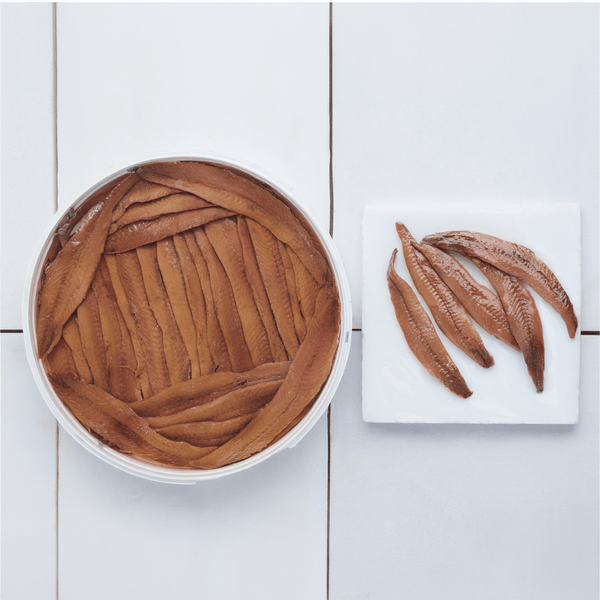
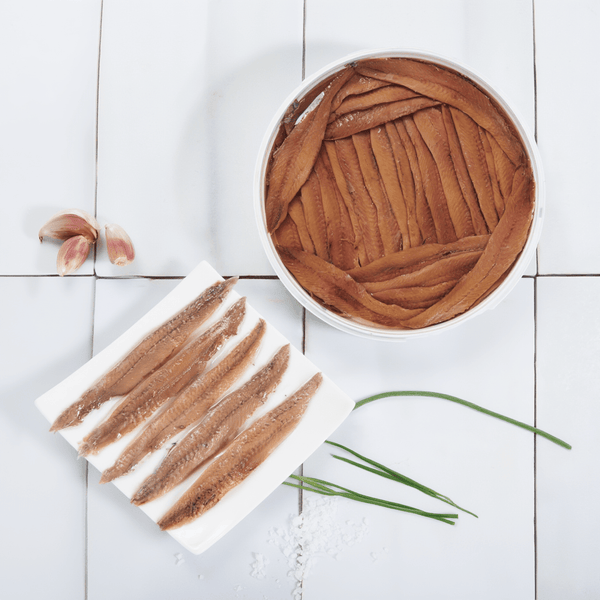
For this recipe, you need anchovies in oil, meaning the already cured and cleaned fillet that comes in a can or jar, ready to eat. Do not use unrinsed salted anchovies or fresh anchovies: here we don't want a whole fillet; we want the fish to melt into the soffritto and disappear.
- Anchovies in oil (the correct choice): fillet cured in salt and preserved in olive oil. It melts in seconds upon contact with hot garlic and releases all its umami. This is the base of authentic Italian sauce.
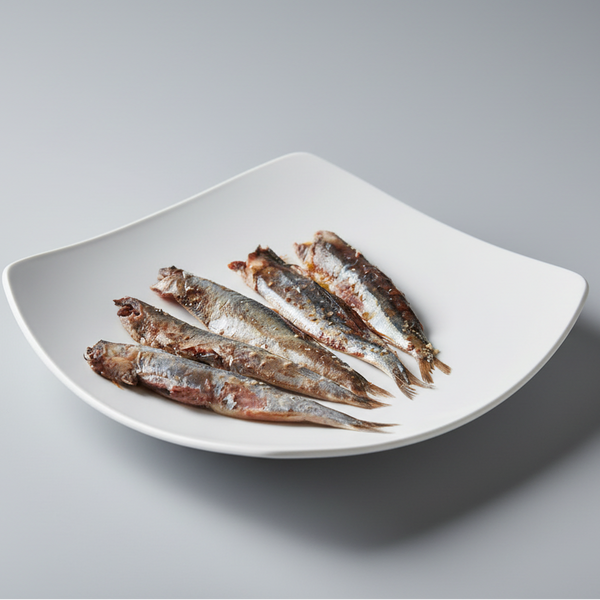
- Salted anchovies: can be used, but must be desalted and cleaned first; they provide a more intense and rustic flavor. If using, reduce the salt in the dish.
- Marinated anchovies (boquerón en vinagre): no. The vinegar breaks the balance of the sauce and won't melt properly.
Quality matters. A well-cured Cantabrian anchovy has an unctuous flesh and just the right amount of salt; cheap anchovies are often saltier and drier, requiring adjustment to the entire dish. If you want to choose well, in our Cantabrian anchovy collection you'll find selected sizes and brands for cooking and for a platter. For this recipe, any standard-sized fillet in oil is perfect: there's no need to use a "00" grade for a sauce.
Ingredients (for 2 people)
- 200 g dried pasta (spaghetti, bucatini, or short pasta like penne)
- 6-8 anchovy fillets in olive oil
- 400 g natural crushed tomatoes (or quality canned tomatoes)
- 3 cloves garlic
- 4 tablespoons extra virgin olive oil (including some of the oil from the anchovy can)
- 1 chili pepper or a pinch of chili flakes (optional, to taste)
- A handful of fresh chopped parsley
- Salt (very little, anchovies are already salty) and black pepper
- Optional for serving: grated Parmesan or Pecorino cheese
Note that the tomato is a protagonist, not just a simple accompaniment: with 400 g of good crushed tomatoes and 6-8 anchovies, you have the right balance of acidity, sweetness, and umami for two generous servings.
Step-by-step preparation
1. Put the pasta water on
Bring a large pot of salted water to a boil (less salt than usual, because the sauce will already be flavorful). The cooking water will be your best ally at the end to bind the sauce, so don't throw it away.
2. The garlic and anchovy soffritto
In a large pan, heat the olive oil over medium-low heat with the sliced or minced garlic. Let the garlic brown very gently, without burning (burned garlic makes the whole sauce bitter). When it starts to color, add the drained anchovies and, if using, the chili. With a wooden spoon, mash them: in less than a minute, you'll see how they completely melt into the oil. That golden, salty oil is the base of the entire dish.
3. The tomato
Raise the heat to medium and add the crushed tomatoes. Stir to integrate the anchovy soffritto and simmer for 15-20 minutes over low heat, stirring occasionally, until the sauce loses its raw acidity, darkens, and begins to release oil around the edges. Taste before salting: it almost certainly won't need salt, just a touch of pepper. If it's too acidic, a pinch of sugar will correct it.
4. Cook the pasta and bind the sauce
While the sauce finishes, cook the pasta one minute less than the package instructions (it should be al dente). Before draining, reserve a ladleful of the cooking water. Drain the pasta and transfer it directly to the pan with the tomato and anchovy sauce. Sauté for one minute over high heat, adding a splash of the cooking water: the starch will make the sauce silky and cling to the pasta. Finish with chopped parsley.
5. Serve
Serve immediately, with a drizzle of raw olive oil and, if you like, grated Parmesan or Pecorino. In traditional puttanesca, cheese is not used, but in your home, you make the rules.
Variations: arrabbiata and puttanesca
Pasta arrabbiata with anchovies (spicy)
Arrabbiata ("angry," because of the spice) is the version with chili. It starts with the same base of garlic, anchovy, and tomato, but adds more dried chili or chili flakes to the soffritto, to your preferred level of spiciness. It's the ideal option if you like the contrast between the spice, the sweetness of the tomato, and the saltiness of the anchovy. Traditionally, it's made with penne (penne all'arrabbiata).
Pasta puttanesca (with capers and olives)
Puttanesca is the great Neapolitan tomato and anchovy recipe, and probably the best demonstration of this umami. On the base of garlic, anchovy, and tomato, capers, pitted black olives, and optionally, chili, are added. The result is an intense, salty, and aromatic sauce, without any cheese. If you liked the basic recipe, puttanesca is the next natural step.
Tips for making it perfect
- Don't burn the garlic. The soffritto is made over low heat. Burned garlic makes the whole dish bitter, and there's no way to fix it.
- Melt the anchovy thoroughly. If pieces remain, someone will notice "the fish." Mash it with a spoon until it completely melts into the oil.
- Taste before salting. Between the anchovies and the reduction of the tomato, salt is almost never needed. Salt at the very end, if at all.
- Reserve cooking water. This is the trick that separates homemade pasta from restaurant pasta: the starch binds the sauce and makes it shiny.
- Pasta al dente. Cook it one minute less and finish it in the pan with the sauce. This way it absorbs flavor and doesn't get soggy.
- Use good tomatoes. Natural crushed tomatoes or quality Italian canned tomatoes make all the difference; watery tomatoes result in a poor sauce.
What type of pasta to use
This sauce works with almost everything, but there are favorites:
- Spaghetti and bucatini: the classics. Bucatini (hollow spaghetti) traps the sauce inside and is spectacular with puttanesca.
- Penne and rigatoni: short pasta with ridges holds tomato sauce very well; penne is the traditional format for arrabbiata.
- Linguine: a thin and elegant alternative to spaghetti.
If you want the tomato-free version, with just garlic, anchovies, oil, and chili, we have our recipe for pasta with anchovies in 15 minutes and spaghetti with anchovies. Both are the "white" cousin of this recipe: same anchovy, different sauce.
Frequently Asked Questions
What anchovies are used for pasta with tomato?
Anchovies in olive oil, the cured fillet from a can or jar. They melt into the garlic soffritto and blend into the sauce. Do not use unsalted anchovies without desalting them, or marinated anchovies.
Does pasta with anchovies and tomato taste very fishy?
No. When the anchovy melts in hot oil, it loses its fishy taste and only contributes umami and a salty note. Most people don't realize it contains anchovy; they just notice that the sauce tastes deeper.
How many anchovies per person?
About 3-4 fillets per person (6-8 for two) provide the right amount of flavor without being overpowering. If you like it more intense, increase to 5 per person; if you want it subtle, reduce to 2.
Do I need to add salt to the sauce?
Almost never. Anchovies already provide plenty of salt. Always taste before salting and only adjust at the very end if necessary.
What is the difference between arrabbiata and puttanesca?
Arrabbiata is garlic, anchovy, tomato, and chili (spicy). Puttanesca adds capers and black olives, and often also chili. Both start from the same tomato and anchovy base.
Do you add cheese?
Not in traditional puttanesca. In the basic tomato and anchovy version, a little grated Parmesan or Pecorino when serving is very good, although not essential.
Can I use fresh tomatoes instead of crushed?
Yes, with ripe peeled and crushed tomatoes, but it will take longer to reduce the sauce, and it's advisable to remove excess water. For everyday cooking, good quality natural crushed tomatoes yield excellent and quicker results.