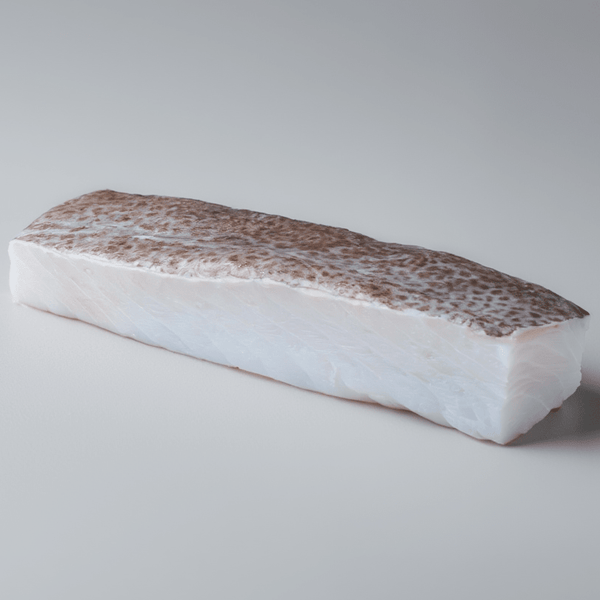
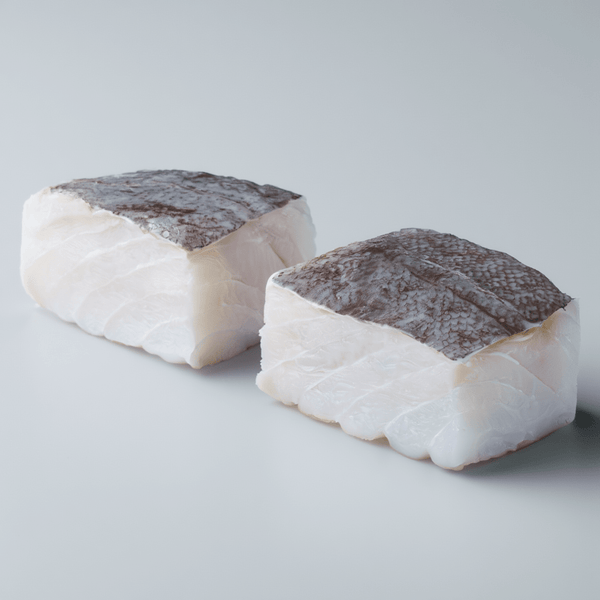
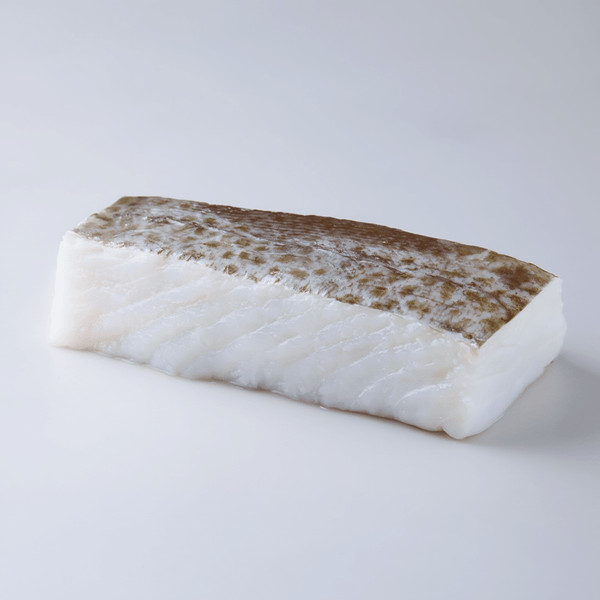
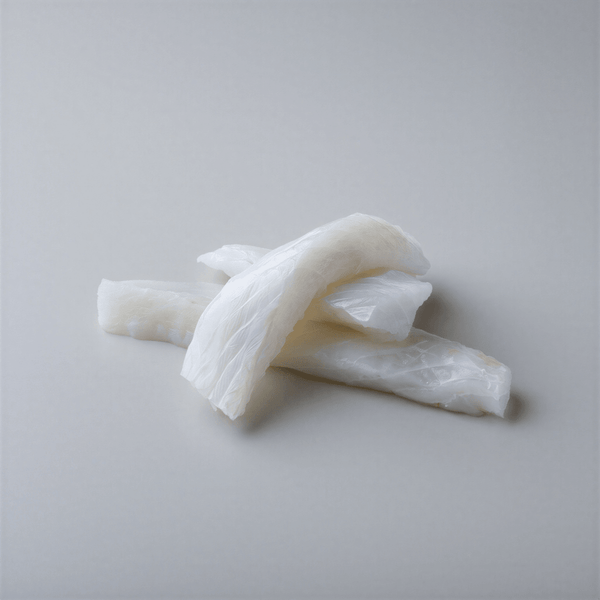
When you buy cod, you're not just buying fish: you're buying an origin. The difference between cod from Iceland and cod from the Baltic Sea is as great as the difference between a Guijuelo ham and a supermarket ham. Same category, completely different product.
In this 2026 guide, we analyze the 4 main origins you find in Spain, compare flavor, texture, and price, and give you the honest ranking no supermarket will tell you.
The 2026 Ranking — Executive Summary
- 🥇 Icelandic Cod — the global premium. Thick flakes, firm, ideal for pil-pil
- 🥈 Norwegian Cod (Lofoten/Skrei) — very close to Icelandic at a lower price
- 🥉 Faroe Islands Cod — decent quality, economical price
- 4. North Sea / Baltic Cod — industrial, everyday use
- 5. Spanish Atlantic / Galician Cod — rarity, lighter product
What Determines Cod Quality (It's Not Just the Country)
Before comparing origins, here are the 4 factors that truly determine quality:
- Sea temperature: colder waters → fish with more subcutaneous fat → firmer, juicier flesh
- Fishing season: winter cod (January-April) is the best quality. This is when the fish is at its peak, before spawning
- Size of the piece: 4-6 kg cod yield better cuts than 1-2 kg cod
- Post-fishing curing: artisanal dry salting (20-25 days) > industrial brine (7-10 days)
An Icelandic cod with quick industrial curing can be worse than a Norwegian one with long artisanal curing. Origin helps, but curing is key.
🥇 Icelandic Cod — the Global Premium
Why it's the Best
- Coldest waters of the North Atlantic (4-6°C in summer, 0-2°C in winter)
- Fish with higher subcutaneous fat content — juicier after cooking
- Thicker flakes — better withstand cooking without falling apart
- High natural gelatin — crucial for pil-pil
- Sustainable management: Iceland has strict fishing quotas (MSC certification)
2026 Price of Icelandic Cod
- Extra artisanal jowl: 32-42 €/kg
- Loin/fillet: 25-30 €/kg
- Tail: 22-25 €/kg
- Shredded: 18-22 €/kg
When to buy Icelandic
Whenever you can, for recipes where cod is the star: pil-pil, baked, grilled, bacalao al ajoarriero. Its texture is noticeable even to the untrained palate.
🥈 Norwegian Cod — the Great Competitor
Characteristics
- Waters of the Norwegian Sea (Lofoten, Vesterålen) — cold but somewhat warmer than Iceland (5-8°C)
- Very high quality, 85-95% of Icelandic quality
- Skrei: migratory Norwegian variety from January-April, exceptional, limited season
- Higher production volume → more stable prices
2026 Price of Norwegian Cod
- Extra jowl: 26-34 €/kg (15-20% less than Icelandic)
- Loin/fillet: 22-27 €/kg
- Tail: 18-22 €/kg
- Shredded: 15-19 €/kg
- Skrei (seasonal): 28-38 €/kg — comparable to Icelandic
When to buy Norwegian
For 90% of recipes. Best value for money on the market. If it's Skrei season (January-April), take advantage: fresh Skrei rivals the best salted Icelandic cod.
🥉 Faroe Islands Cod — Quality and Economical
Characteristics
- Islands between Scotland and Iceland — cold waters but less so than Iceland
- Gadus morhua from the Northwest Atlantic
- Good quality, though not premium
- Lower fat content than Iceland/Norway → slightly leaner meat
2026 Price
- Jowl: 22-28 €/kg
- Loin: 18-22 €/kg
- Tail: 15-18 €/kg
When to buy Faroese
If you want cod from cold waters without paying premium prices. Good base for brandade, fritters, and croquettes. For pil-pil, it's a bit short on gelatin.
4. North Sea / Baltic — the Industrial
This is the cod that dominates supermarkets. UK, Denmark, Germany, Poland. Less cold waters (8-12°C), lower fat content, generally smaller pieces.
- Price: 12-18 €/kg desalted vacuum-packed
- Use: everyday, stews, elaborate recipes where the flavor is camouflaged
- Avoid for pil-pil or baked cod as a star dish
Detailed comparison: Mercadona vs Lidl vs Aldi 2026.
5. Spanish Atlantic / Galician — Rarity
Practically nonexistent in the market. Spanish waters are not optimal for Gadus morhua (higher temperatures) and historical overfishing has reduced populations. The "Galician cod" you find in stores is usually imported cod (Norway/Iceland) cured in Galicia following local tradition.
How to Verify Origin in the Store
By European regulation, ALL fish must be labeled with:
- Scientific name (Gadus morhua)
- FAO capture area (e.g., "FAO 27 - Northeast Atlantic")
- Specific subarea (e.g., "Iceland", "Norway", "Faroe")
- Fishing method (fishing gear)
If the label only says "Atlantic" without a subarea, it's industrial. If there's no scientific name, don't even bother — there's a risk it could be ling or pollock.
Ranking by Practical Use
- Traditional Basque pil-pil: Iceland > Norway Skrei > Norway > Faroe. North Sea does not work.
- Baked cod (main dish): Iceland ≈ Norway > Faroe > North Sea
- Brandade / fritters: any origin works (flavor is camouflaged)
- Vigilia Stew: any origin works
- Cod cheeks and derivatives: Iceland for the quality of the noble cuts
- Navarran ajoarriero: Icelandic or Norwegian shredded cod
- Gourmet gift: Iceland (origin label sells itself)
Salted vs. Desalted Cod: Does Origin Matter?
No. The origin is the same. An Icelandic cod salted at home that you desalinate yourself yields the SAME result as a professionally desalted Icelandic cod.
The difference lies in convenience:
- Salted cod: more economical per kg, requires 36-48h of home desalting
- Artisan desalted cod: more expensive but ready to cook
If you have time, salted cod is the best deal. See how to desalinate cod at home.
Related Guides
- Icelandic vs. Norwegian Cod: Real Differences
- Gadus morhua vs. Other Species
- Price of Salted Cod by Cut 2026
- Frozen vs. Fresh vs. Salted Cod
Discover our premium selection
Seafood products selected with care since 1990 at Mercat del Ninot, Barcelona. Refrigerated shipping in 24-48h.
Conclusion: Origin Matters, But Curing Does Too
Practical rule for 2026:
- For recipes where cod is the star: look for Iceland (or Norwegian Skrei in season)
- For quality everyday use: Norway is the winner in price/quality balance
- To save without losing minimum quality: Faroe
- For elaborate recipes (where cod flavor is secondary): North Sea supermarket cod will do
And remember: origin only matters if the curing is artisanal. An Icelandic cod with quick industrial curing loses its differential compared to a well-salted Norwegian one done by hand.
If you want Icelandic cod with artisanal curing traced from boat to Mercat del Ninot, see our selection. Refrigerated shipping 24-48h.