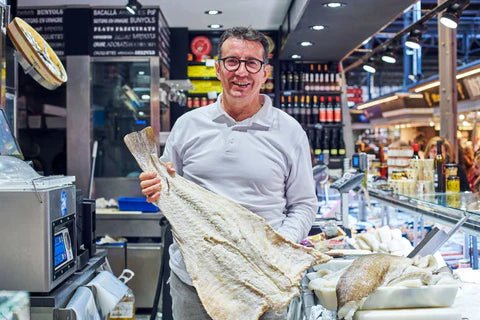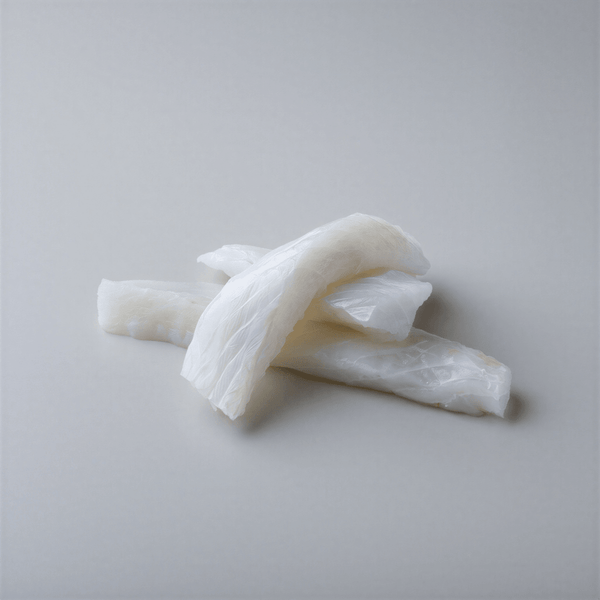


How much does good salted cod really cost in 2026? At the Mercat del Ninot in Barcelona, we've been watching prices fluctuate week by week since 1990. This guide is an honest X-ray of what you pay (and what you should pay) for each cut of quality salted cod.
Spoiler: if they're selling you Icelandic cod cheeks for €18/kg, there's a trick.
Prices at a glance: 2026 table by cut
This is the price reference in €/kg for quality salted cod (Gadus morhua) with artisanal curing:
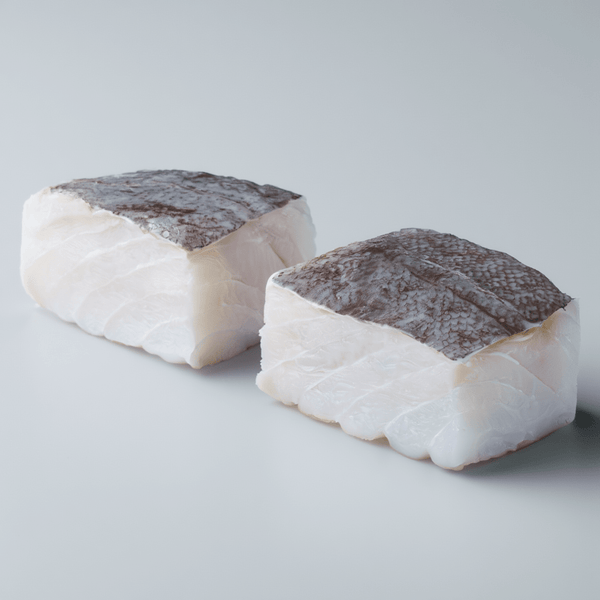
- Extra cheek: 32-42 €/kg
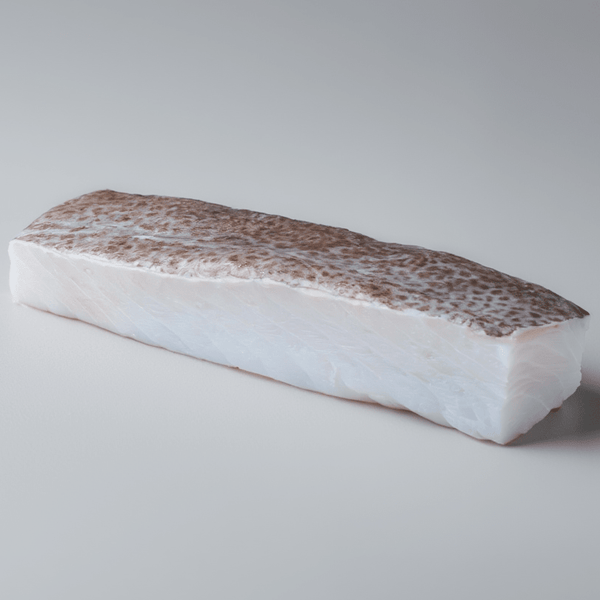
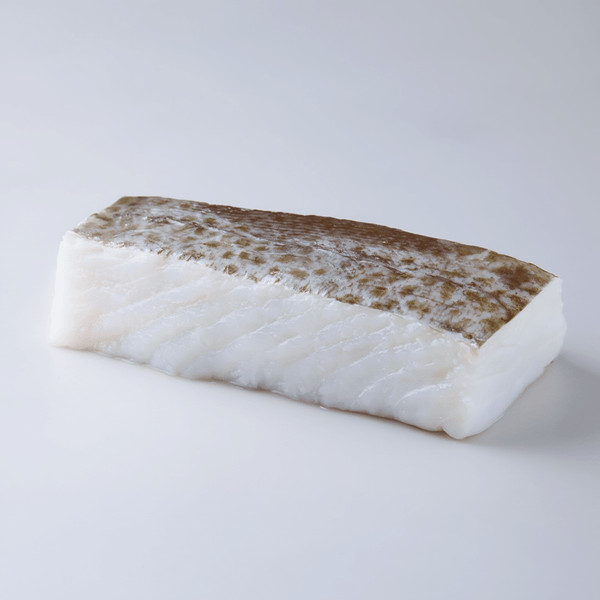
- Loin (penca or lomo): 25-30 €/kg
- Tail: 22-25 €/kg
- Flakes / shredded: 18-22 €/kg
- Belly (ventresca): 28-35 €/kg (thin cut, limited)
- Derivatives (cheeks, tripe, swim bladder): 25-45 €/kg depending on the piece
Below €15/kg, you're no longer paying for real cod: it's probably ling, pollock, or another species sold as cod.
What factors determine the price of salted cod
1. Fish origin
Icelandic cod costs 15-25% more than Norwegian, and 25-40% more than Faroese or Baltic Sea cod. The reason is technical: the colder waters of the North Atlantic produce fish with firmer flesh, thicker flakes, and lower water content after salting. The texture changes notably in pil-pil and baked dishes.
2. Curing time and method
Artisanal curing lasts 20-25 days with sea salt. Industrial curing is accelerated to 7-10 days with common salt and brine, resulting in softer cod with less concentrated flavor. Long curing increases the cost because it requires space, time, and expertise.
3. Cut and weight of the piece
For the same origin, larger pieces are worth more. A 500g cheek has much more fleshiness and better yield than two 250g cheeks. "Extra" cuts (more than 60% usable meat) are the most expensive.
4. Certification and traceability
Cod with MSC certification (sustainable fishing) or full traceability from boat to store costs 5-10% more. It's a small extra that guarantees you're not getting an imitation species.
Price per cut: what exactly are you paying for
Cheek — the king cut (32-42 €/kg)
It's the front part of the loin, the noblest. Boneless, with compact and very juicy flesh. From a whole cod, only a few whole cheeks are obtained, which is why the price increases. Ideal for pil-pil, grilled, and baked. If you're going to invest in a cut, invest here.
Loin (penca or lomo) (25-30 €/kg)
The central cut of the loin. Less fleshy than the cheek but equally firm. It's the most versatile cut: suitable for almost all traditional recipes (ajoarriero, with potatoes, Cadiz-style fried). Best value for money for daily use.
Tail (22-25 €/kg)
The end part of the fish. More bones, less meat. But with a more intense flavor because it concentrates more fat. Ideal for stews, Lenten soups, and rice dishes where flavor trumps texture. Don't discard it: well-cooked, it's spectacular.
Flakes / shredded (18-22 €/kg)
Small pieces or already shredded by the salter. It's the most economical option and perfect for brandada, fritters, croquettes, and esqueixada. If you don't need aesthetics, you save here without losing flavor.
Derivatives (cheeks, tripe, swim bladder, roasted cheek)
These are the delicacies of cod. Cheeks 30-45 €/kg, tripe 25-30 €/kg. Little product per piece, much artisanal extraction work. For special occasions. Explore our cod derivatives collection if you want to try lesser-known textures.
Supermarket vs. artisanal salted cod: real price difference
Honest comparison 2026:
- Mercadona / Lidl / Aldi: 12-18 €/kg (industrial cod, quick curing, sometimes mixed species)
- Neighborhood fishmonger: 18-24 €/kg (variable, depends on supplier)
- Specialty store / online: 22-42 €/kg (artisanal, traceable, selected cut)
The €10/kg difference between industrial and artisanal seems a lot. In reality, for 4 servings, it's an extra €2.50 per diner. It depends on whether it's an everyday meal or an important recipe.
When to buy salted cod (and when not to)
The best time to buy is November-January: the best pieces of the season arrive (cod is fished in the North Atlantic between January and April, cured with salt for a few months and arrives in Spain in late autumn). Prices are more stable.
The worst time is March: demand skyrockets due to Easter and Lent, with 5-15% price increases and stock shortages of noble cuts.
Tip: salted cod lasts 6-8 months in the refrigerator. If you plan ahead, buy before Easter and freeze what you don't use.
Where to buy quality salted cod without overpaying
Practical recommendations:
- Always ask for the origin. If they can't tell you, change stores.
- Ask to see the whole piece if buying in a physical store. Avoid opaque pre-cut fish.
- Check the color: good salted cod is uniform ivory-white, not yellowish or grayish.
- The salt should be dry, not moist or caked.
- Online look for traceability: a store that tells you which boat, which month, and which port it comes from.
At Bacalalo, we have been working with whole Icelandic cod since 1990, curing it artisanally at the Mercat del Ninot and shipping it refrigerated throughout Spain. See available cuts and prices.
Related Guides
- Icelandic vs. Norwegian Cod: Real Differences
- Frozen vs. Fresh vs. Salted Cod: Which to Choose
- How to Desalt Cod Well at Home
- Loin vs. Shredded Cod: When to Use Each
Discover our premium selection
Seafood selected with discernment since 1990 at Mercat del Ninot, Barcelona. Refrigerated shipping in 24-48h.
Conclusion: what salted cod to buy and at what price
Quality salted cod costs between €22 and €35/kg for the standard cut (loin/penca). If you're offered less than €15/kg, demand a certificate of origin: there's a high probability it's not Gadus morhua. If you see more than €45/kg, you're paying for a brand or special belly cut.
For smart spending: flakes for brandada and fritters, loin for baked dishes and traditional recipes, and cheeks only for special occasions. With this combination, you cover all cod cooking without inflating the bill.
Want to be on the safe side? Check out our selection of salted cod from Mercat del Ninot, with transparent prices by cut and refrigerated 24-48h shipping.