

Quick Summary: Frozen cod is the best-selling in supermarkets due to price and convenience, but it loses texture and gelatin compared to fresh and salted cod. Fresh cod is seasonal and delicate. Salted cod (salt-cured) is the traditional format that offers the best texture and flavor for most classic recipes, but requires prior desalting. Each format has its ideal recipe. In this guide, we explain when to use each one with real data.
The three formats of cod: what they really are
Before comparing, you need to understand what you're looking at each time you see cod in the supermarket or fishmonger. Because it's not always what it seems.
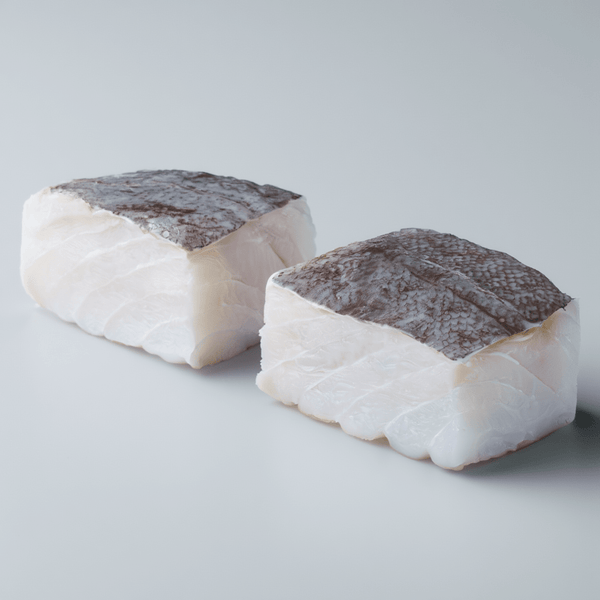
Frozen cod: pieces of cod (Gadus morhua or other species like Gadus macrocephalus) that are caught, processed, and frozen on board the vessel or at the plant. It is the best-selling format in Spanish supermarkets. Mercadona, Lidl, Carrefour — all have several options for frozen cod in bags or trays.
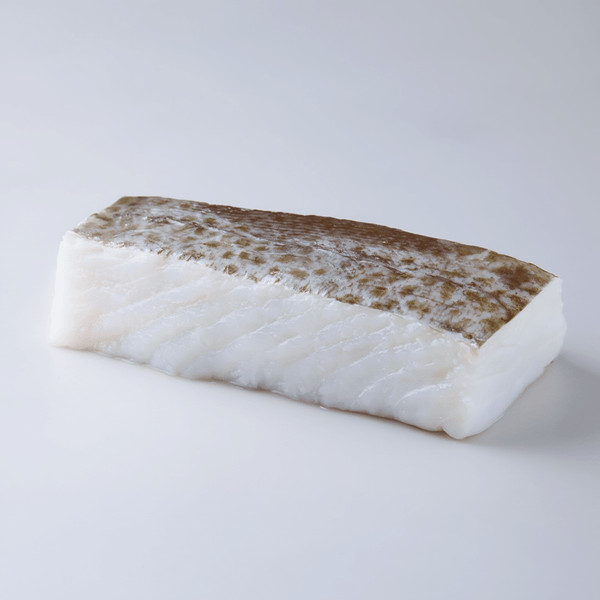
Fresh cod: cod that has not been frozen or salted. Only available in season (mainly winter) and in fishmongers with good supply. It is the most perishable format — lasting 2-3 days in the refrigerator.
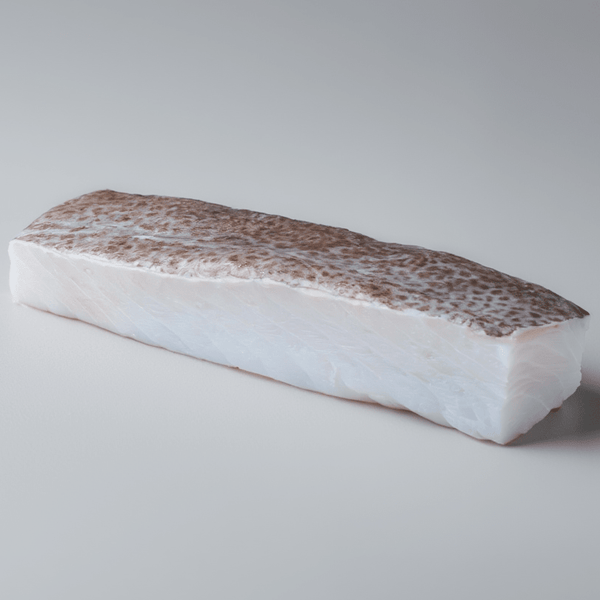
Salted cod (cured): the traditional format that has been feeding Europe for centuries. The cod is gutted and salt-cured for weeks or months. The salt extracts water, transforms the protein, and concentrates the flavor. It requires desalting before cooking (24-48h in cold water).
There is a fourth format worth mentioning: desalted cod (ready to cook), which is sold in supermarkets as a convenience product. It is salted cod that has been industrially desalted and vacuum-packed. Convenient, but with less control over the salt level than home desalting.

Frozen cod: what they don't tell you
Frozen cod dominates the market for an obvious reason: price and convenience. You take it out of the freezer, thaw it, and cook it. No desalting, no waiting. But there are things the packaging doesn't tell you.
The species matters a lot. Not all frozen cod is Gadus morhua (Atlantic cod, the genuine article). Many frozen supermarket products are Gadus macrocephalus (Pacific cod), a species with more watery flesh, less texture, and milder flavor. The label should indicate the species — but you have to look for it in the fine print.
The glazing counts. Frozen cod has a protective layer of ice (glazing) that can represent between 10% and 30% of the total package weight. When you buy 400g of frozen cod, you may be buying 280-360g of actual fish. Regulations require declaring the net weight without glazing, but the presentation can be confusing.
The texture changes. Freezing breaks down the cellular structures of the fish muscle. Upon thawing, the cod releases water and loses the firmness and gelatin that characterize quality cod. The result is drier, less cohesive meat, especially if the cold chain has experienced variations.
Water absorption. Many frozen products have been treated with polyphosphates that retain water, increasing the weight. When cooked, they release all that water into the pan, preventing a good sear and producing a "boiled" effect instead of browning.
Fresh cod: seasonality and handling
Fresh cod is an exceptional product when available and in good condition. It is the format that allows you to appreciate the natural texture of the fish without alterations.
Season: the best fresh cod arrives in Spain between November and March, from North Atlantic fisheries (Norway, Iceland, Faroe Islands). Out of season, the "fresh" cod you find will likely have been thawed — which is not illegal (it must be indicated) but negates the advantage of fresh.
Signs of freshness: firm flesh to the touch that springs back when pressed, pearly white color without yellowish tones, clean sea smell (never ammoniacal), shiny skin if present. The eyes should be transparent and convex if it's a whole fish.
Culinary advantage: the texture of quality fresh cod is unique — firm yet tender, with defined flakes that separate cleanly. For simple preparations where fish is the star (baked with a drizzle of EVOO, grilled), fresh is unbeatable.
Limitation: lasts 2-3 days in the refrigerator. It does not allow for the planning time that salted or frozen cod does.
Salted cod: the art of curing
Salted cod is much more than fish with salt. It is a biochemical transformation that fundamentally changes the product.
During salt curing (weeks or months), several processes occur: the salt extracts up to 70% of the water from the fish, proteins are partially denatured (similar to what acid does in a ceviche, but slower), and umami flavor compounds develop that do not exist in fresh cod.
The resulting texture is unique: firmer than fresh, with gelatin between the flakes that creates a creamy mouthfeel. This gelatin is why desalted salted cod is the ideal format for dishes like pil-pil, where the emulsion is achieved precisely thanks to it.
Desalting is key: poor desalting ruins any cod, no matter how good. The correct method: pieces in abundant cold water, change the water every 8 hours, 24-48h depending on thickness. Skin always facing up (salt is heavy and sinks). Never use hot water — it would partially cook the exterior.

Premium salted cod: verified origin
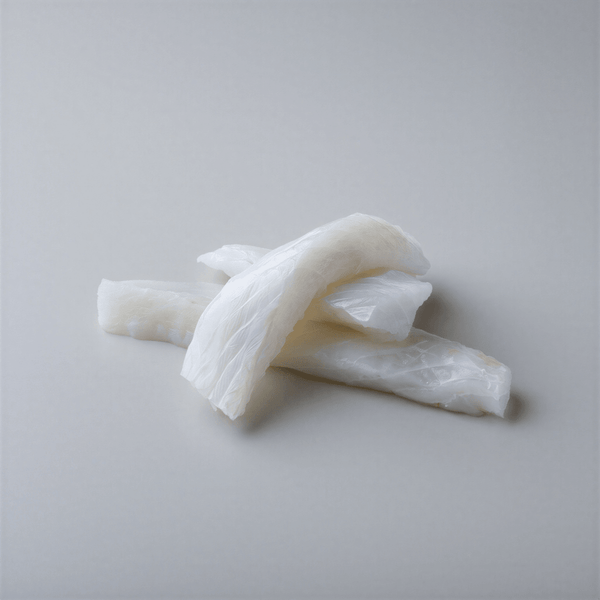
At Bacalalo, we select Gadus morhua from the North Atlantic, salt-cured with controlled maturation. Loins, flakes, cheeks, and more — since 1990 in Mercat del Ninot.
Comparative table by recipe
| Recipe | Frozen | Fresh | Salted (desalted) | Best option |
|---|---|---|---|---|
| Pil-pil | ❌ Doesn't emulsify | ⚠️ Little gelatin | ✅ Perfect | Salted |
| A la vizcaína | ⚠️ Acceptable | ⚠️ Falls apart | ✅ Traditional | Salted |
| Brandada | ⚠️ Functional | ❌ Lacks flavor | ✅ Essential | Salted |
| Fritters | ⚠️ Very watery | ⚠️ Functional | ✅ Better texture | Salted |
| Simple baked | ⚠️ Functional | ✅ Excellent | ✅ Excellent | Fresh or salted |
| Grilled | ❌ Releases water | ✅ Ideal | ✅ Very good | Fresh |
| Salad | ✅ Sufficient | ✅ Good | ✅ Good | Any |
| Croquettes | ✅ Functional | ⚠️ Mild flavor | ✅ More flavor | Salted |
| Esqueixada | ❌ Not suitable | ❌ Not traditional | ✅ Mandatory | Salted |
Real price comparison
| Format | Supermarket price/kg | Specialty store price/kg | Real price per kg edible* |
|---|---|---|---|
| Frozen (supermarket) | €8-14/kg | — | €10-18/kg (excluding glazing) |
| Fresh | €14-22/kg | €18-28/kg | €18-35/kg (boneless and skinless) |
| Salted (undesalted) | €12-18/kg | €16-30/kg | €16-30/kg (salted yields more) |
| Desalted (ready) | €14-20/kg | €20-35/kg | €14-35/kg (ready to cook) |
*The real price per kg edible accounts for glazing in frozen, bones and skin in fresh, and considers that salted cod absorbs water during desalting (gaining between 20-30% of weight).
The science behind the texture
Why does salted cod have a better texture than frozen for most recipes? The answer lies in biochemistry.
Salt acts on the muscle proteins of fish in a controlled manner. It partially denatures myosin and actin (the main muscle proteins), creating a denser and firmer protein network. Additionally, it preserves intercellular collagen which, when cooked, turns into gelatin — that shiny, unctuous substance that makes cod pil-pil emulsify.
Freezing acts differently and more destructively. The ice crystals that form within the muscle cells break cell membranes. Upon thawing, the water that was inside the cells escapes (that water you see in the tray), carrying away soluble proteins and flavor. The result is drier meat, with less ability to retain juices when cooked.
For dishes where the texture of cod is crucial (pil-pil, brandada, esqueixada), the salted format is clearly superior. For dishes where cod is mixed with other ingredients (croquettes, salads), the difference matters less.

Buying guide according to your recipe
If you are going to make pil-pil, vizcaína, brandada or esqueixada: salted cod, no alternative. These recipes were created for this format and depend on its unique properties.
If you are going to make baked or grilled cod as a main dish: fresh cod in season (November-March) or well-desalted salted cod out of season. Frozen works but the difference is noticeable.
If you are going to make croquettes, fritters or fillings: salted cod provides more concentrated flavor, which is what you need when the fish is mixed with béchamel or other ingredients. Frozen works but you will need more quantity for the same result.
If you want convenience and price: supermarket frozen cod works for simple preparations where cod is not the absolute star. Look for Gadus morhua (not macrocephalus) and check the glazing percentage on the label.
Frequently asked questions
Is Mercadona's frozen cod Gadus morhua?
Mercadona sells several frozen cod products. Some are Gadus morhua (Atlantic) and others Gadus macrocephalus (Pacific). Always check the label: the species should appear next to the commercial name. Gadus morhua is of higher gastronomic quality.
How long does it take to desalt salted cod?
It depends on the thickness of the piece. Thick fillets: 48 hours with 3 water changes. Medium pieces: 36 hours with 2-3 changes. Flakes and thin pieces: 24 hours with 2 changes. Always in cold water in the refrigerator, never at room temperature.
Can already desalted salted cod be frozen?
Yes, and it's a very practical trick. Desalt a large piece, portion it, and vacuum-freeze the portions. You'll have cod ready to cook with the texture of salted cod and the convenience of frozen cod. It lasts 2-3 months in the freezer.
Why does frozen cod release so much water when cooked?
Two reasons: freezing breaks down muscle cells (releasing intracellular water when thawed) and many frozen products contain polyphosphates that artificially retain water, which is then released with heat. To minimize this, thaw slowly in the refrigerator and pat dry thoroughly before cooking.
Is fresh cod better than salted cod?
Not necessarily — they are different products with different uses. Fresh cod has a cleaner, more delicate flavor, ideal for simple preparations. Salted cod has more flavor complexity (umami) and a better texture for traditional recipes like pil-pil. They are complementary, not substitutes.
How much does a kg of real cod cost after deducting the glaze?
The glaze on supermarket frozen cod can represent 10-25% of the weight. If you pay €12/kg and the glaze is 20%, the real price of the fish is €15/kg. Always look for the net weight without glaze on the label, which by law must be declared.
🛒 Our premium alternative
⭐ 4.9/5 · 24-48h cold shipping · Since 1990 at Mercat del Ninot
Conclusion
Frozen cod dominates the market due to price and convenience, but it is not the best format for most traditional Spanish recipes. Salted cod, with its superior texture, natural gelatin, and developed flavor, is the ingredient that classic recipes demand. And fresh cod, when available, is a luxury for simple preparations.
The advice is clear: if you cook cod recipes regularly, learn to work with salted cod. Desalting is a simple process that only requires planning. The result on the plate is incomparably better than supermarket frozen cod.