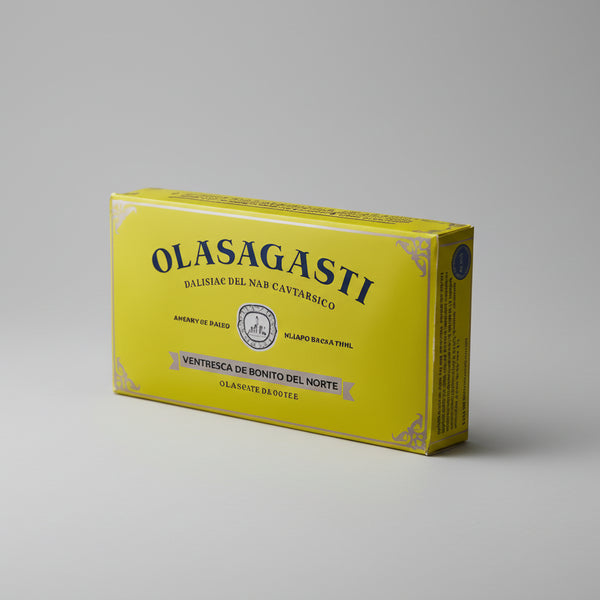
Quick summary: Canned tuna from supermarkets (Hacendado, Carrefour, Lidl) costs between €1-3 per can, but uses less premium parts of the fish, refined oil, and industrially farmed tuna. Gourmet preserves (Ortiz, Arroyabe, Cantabrian canneries) cost 3-5x more, but offer selected belly or loin, EVOO, and sustainable fishing. The actual price difference per gram of drained product is less than it seems. In this article, we analyze 8 brands with verifiable data to help you make an informed decision.
What's really inside a can of tuna?
Open a can of supermarket tuna and open a can of gourmet tuna. The difference is obvious before you even taste anything: color, texture, amount of oil, size of the pieces. But what really matters is on the label, in the fine print that almost no one reads.
A tuna preserve essentially has three components: the fish, the covering medium (oil, escabeche, or natural), and salt. The quality of each of these three elements determines the final product. And this is where the gap between supermarket and gourmet becomes enormous.
The fish can be skipjack tuna (Thunnus albacares, the most common in supermarkets), albacore tuna (Thunnus alalunga, more highly valued) or bluefin tuna (Thunnus thynnus, the absolute premium). Within each species, the part of the fish matters: loin, belly, chunks or flakes. And the fishing method influences the quality of the meat.
The oil can be extra virgin olive oil, refined olive oil, sunflower oil, or a blend. The taste difference is abysmal. And the production process — cooking, canning, aging — makes the difference between an industrial preserve and an artisanal one.

Types of canned tuna: not all are the same
The first distinction you should understand is between tuna species. Opening a can of "light tuna" is not the same as opening a can of "albacore tuna," even though both are presented as "canned tuna."
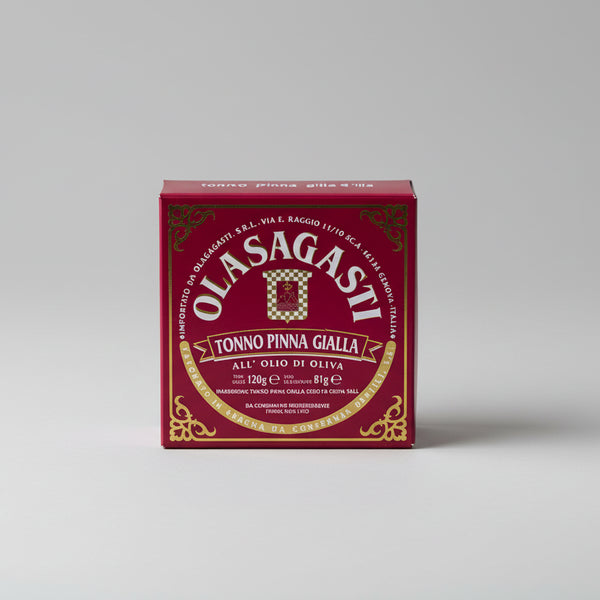
Skipjack tuna (Yellowfin / Thunnus albacares): the most widely produced globally. Pinkish meat, mild flavor, firm but not very complex texture. It is the base of most supermarket preserves. It is massively fished by purse seine in tropical oceans.
Albacore tuna (Thunnus alalunga): whiter meat, more delicate texture, finer flavor. It is fished in the Cantabrian Sea and the North Atlantic, mainly with hooks (selective fishing). Cantabrian canneries have been working with it for over a century.
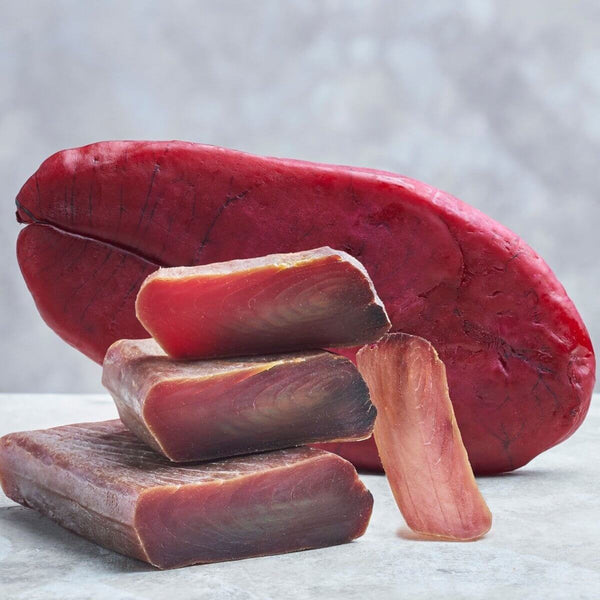
Bluefin tuna (Thunnus thynnus): the king of tuna. Intense red meat, complex flavor, marbled fat like a good ham. Scarce, expensive, and regulated. In preserves, it is a high-end product, with prices exceeding €30 for a small can.
When a can simply says "tuna" without specifying, it is almost always skipjack tuna. And within skipjack tuna, the parts of the fish are crucial:
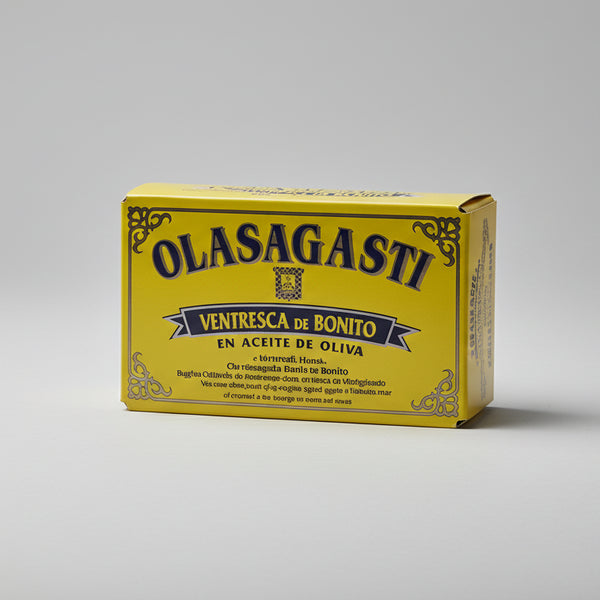
- Belly (Ventresca): the fattiest and most tender part of the belly. Buttery texture, intense flavor. The most valued part.
- Loin: the noble parts of the loin, in large pieces. The standard presentation in quality preserves.
- Chunks: irregular pieces from different parts. Functional product, less presentable.
- Flakes/shredded: remnants from processing. The most economical option.
Supermarket brands in detail
Hacendado (Mercadona): Spain's best-selling private label. Their tuna in olive oil at €1.50-2.50 is what millions of families buy every week. It uses industrially farmed skipjack tuna, olive oil (not extra virgin), and presents the pieces in medium-sized chunks. It serves as an economical protein, but the flavor is linear and the texture can be dry in leaner pieces.
Nixe (Lidl): similar in price range to Hacendado. Skipjack tuna in sunflower or olive oil. Batches can vary significantly in quality depending on the current supplier. Aggressive pricing, functional quality.
Carrefour (private label): offers several ranges, from the most basic (skipjack tuna in sunflower oil) to a "Carrefour Selección" line that includes albacore tuna in EVOO. The basic range is comparable to Hacendado; the Selección range takes a notable step up.
Día: probably the most economical option on the market. Cans under €1 with skipjack tuna in vegetable oil. Minimally functional product — for salads where tuna is just an ingredient, not the star.

Gourmet brands: what sets them apart
The premium canneries of Cantabria and Galicia have been perfecting the art of tuna preservation for over a century. It's not empty marketing — it's a radically different process.
Ortiz: Spain's best-known gourmet brand. Their albacore tuna in EVOO is the benchmark. Hook-and-line fishing, cooking in its own juices, manual packing, quality EVOO. Price: €5-8 per 112g can. Available in supermarkets but with consistent quality.
Arroyabe: family cannery from Bermeo (Bizkaia). Albacore tuna and bluefin tuna in EVOO. Less presence than Ortiz but comparable or superior quality according to many experts. Similar price to Ortiz.
Conservas de Cambados / Güeyu Mar: the ultra-premium segment. Albacore belly, bluefin tuna in Arbequina olive oil, controlled aging. Prices from €10-25 per can. A product for tasting, not for salad.
The process difference is key: premium canneries slowly cook the fish in its own juices before canning — which develops flavor. Industrial preserves cook the fish already canned with the oil, a faster process but one that does not allow for the same flavor development. Subsequent aging (months or years in the can) also improves artisanal preserves, as with wine.
Complete comparison table
| Brand | Species | Oil | Part of the fish | Approx. Price | €/100g drained |
|---|---|---|---|---|---|
| Hacendado | Skipjack tuna | Refined olive oil | Chunks | €1.80 (80g) | ~€3.60 |
| Nixe (Lidl) | Skipjack tuna | Sunflower/olive | Chunks | €1.60 (80g) | ~€3.20 |
| Carrefour | Skipjack tuna | Olive oil | Chunks/loin | €2.20 (80g) | ~€4.40 |
| Carrefour Selección | Albacore tuna | EVOO | Loin | €4.50 (112g) | ~€5.60 |
| Ortiz | Albacore tuna | EVOO | Loin | €6.50 (112g) | ~€8.10 |
| Arroyabe | Albacore tuna | EVOO | Loin | €7.00 (112g) | ~€8.75 |
| Güeyu Mar | Albacore tuna | Arbequina EVOO | Belly | €12.00 (112g) | ~€15.00 |
| Premium preserves | Bluefin tuna | Premium EVOO | Belly | €18-30 (112g) | ~€22-37 |
The oil: the big differentiator no one looks at
Most consumers compare tuna and forget about the oil. Big mistake. In a preserve, the oil is not just a preservation medium — it's an integral part of the flavor and experience.
Sunflower oil: neutral, cheap, adds no flavor. It fulfills the function of preserving the fish, and that's it. This is what you'll find in the most economical supermarket ranges.
Olive oil (refined): a step up, but the refining process removes many of the polyphenols and aromatic compounds that make olive oil special. It is technically olive oil, but without the complexity of extra virgin.
Extra virgin olive oil (EVOO): the standard for gourmet preserves. It provides fruitiness, bitterness, and spiciness that complement the fish's flavor. In the best preserves, the EVOO is specifically selected to pair with the type of fish — Arbequina for milder flavors, Picual for more intensity.
A trick few people know: the oil from a good preserve is edible and delicious. If, when opening the can, you feel the need to drain and discard the oil, the preserve is not good. In a premium preserve, you dip bread in that oil, and it's an experience in itself.
The real price per gram of drained tuna
Here's the data that changes the perspective of the comparison.
An 80g net can of Hacendado has approximately 50g of drained weight (the rest is oil). At €1.80, you pay €3.60 for every 100g of real tuna.
A 112g net can of Ortiz has approximately 80g of drained weight. At €6.50, you pay €8.10 for every 100g of real tuna.
The actual difference is 2.25x, not 3.6x as it seems when comparing can prices directly. And the species is different (skipjack tuna vs albacore tuna), the part of the fish is different (chunks vs loin) and the oil is different (refined vs EVOO).
Is it worth paying 2.25x more for a substantially superior product? That depends on how you use it.
Gourmet preserves selected by experts
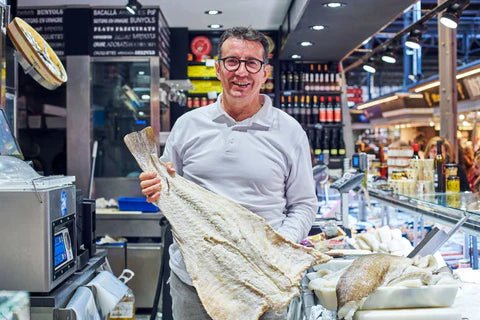
At Bacalalo, we work directly with artisanal canneries from the Cantabrian Sea. Albacore tuna, belly, and anchovies in EVOO — products you won't find in the supermarket.
When to buy supermarket and when to buy gourmet
Buy supermarket when:
- Tuna is an ingredient in a salad, pie, or pasta where it competes with many other flavors
- You need economical protein for quick weekday meals
- You're preparing food for many people and the budget is limited
- The tuna is shredded and mixed with mayonnaise or other strong sauces
Buy gourmet when:
- Tuna is the star of the dish — on toast, on a conserve board, as a main appetizer
- You want to enjoy the flavor of the fish, not mask it
- It's for a special occasion, a gift, or a gastronomic experience
- You value knowing exactly what species, where it comes from, and how it was made
The honest truth is this: there are contexts where a can of Hacendado at €1.80 is the right decision, and there are contexts where a can of Ortiz at €6.50 is a bargain for what it offers. The key is knowing when to distinguish.

Frequently asked questions
Which canned tuna is the best from the supermarket?
In terms of value for money, the "Selección" ranges from Carrefour and El Corte Inglés offer albacore tuna in EVOO at intermediate prices (€4-6). They are the best option within the supermarket if you are looking for a jump in quality without reaching artisanal cannery prices. Hacendado is the best option purely for price if the tuna is a background ingredient.
Is it safe to eat canned tuna every day?
AESAN recommends limiting the consumption of large tuna (bluefin, bigeye) due to its mercury content. For canned skipjack tuna (Yellowfin), moderate consumption of 2-3 cans per week is generally safe for adults. Pregnant women and children should follow more restrictive specific recommendations.
How much real tuna is in a supermarket can?
The drained weight (tuna without oil) is usually between 55-65% of the declared net weight. An 80g net can contains approximately 45-52g of real tuna. Gourmet preserves usually have a higher proportion of fish vs. oil (65-75%).
Why is Albacore tuna more expensive than skipjack tuna?
Three reasons: 1) The species (Thunnus alalunga) is less abundant than skipjack tuna. 2) It is caught using more selective methods (hook and line vs. industrial seine), which makes harvesting more expensive. 3) The meat is more delicate, and artisanal processing requires more labor. The result is a qualitatively different product.
Is it worth buying tuna in EVOO vs. sunflower oil?
If you're going to eat the tuna as is (on toast, on a platter), absolutely yes. EVOO adds flavor complexity and is part of the gastronomic experience. If you're going to drain the oil and mix the tuna with mayonnaise for a sandwich, the savings from sunflower oil make more sense.
Do gourmet canned tuna expire?
Technically, they have a best-before date (generally 4-5 years), but many artisanal preserves improve with age, similar to wine. Canneries like Güeyu Mar produce vintage editions. The key is to store them in a cool, dry place, without sudden temperature changes.
🛒 Our premium alternative
⭐ 4.9/5 · Cold shipping 24-48h · Since 1990 at Mercat del Ninot
Conclusion
The difference between supermarket tuna and gourmet tuna isn't just about price — it's about species, part of the fish, oil, process, and maturation. The actual price difference (2-2.5x when calculated per drained gram) is smaller than it seems, and the quality difference is greater than you imagine if you've never tried an artisanal preserve.
Our advice: keep both options at home. Supermarket cans for weekday cooking (salads, pasta, empanadas). And one or two cans of artisanal preserves for when you want to truly enjoy the product, with good bread and a glass of white wine. That's eating wisely.