Summary: Pairing canned goods with wine is not a mystery: it's logic. Saltiness, fat, smokiness, acidity — each canned food has a dominant profile that calls for a specific type of wine. In this guide, we explain the combinations that work, those that don't, and why, so you don't have to rely on labels or sommeliers with an agenda.
Table of Contents
- The 4 principles of canned food pairing
- Cantabrian anchovies + wine
- Caviar + wine and sparkling wines
- Smoked sardines + wine
- Northern albacore tuna + wine
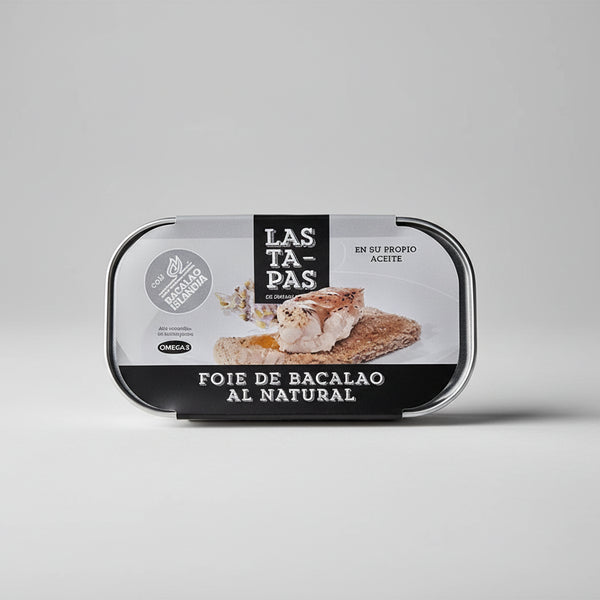
- Smoked cod + wine
- Pickled mussels + wine
- Canned goods platter: what to serve
- Canned goods with beer: when it works
- Vermouth: the Spanish wildcard
- Pairing mistakes to avoid
- Frequently Asked Questions
The 4 principles of canned food pairing
Before diving into specific combinations, there are four principles that explain why certain pairings work and others don't. If you understand these four points, you'll be able to improvise pairings with any canned food without needing to consult a guide.
1. Wine acidity cleanses fish fat
Canned fish has fat — both from the fish itself and from the oil it's preserved in. This fat coats the palate after each bite. A wine with good acidity (young whites, brut sparkling wines, cold-climate whites) cleanses this fatty layer and leaves the palate ready for the next bite. This is why acidic whites and sparkling wines work almost universally with canned goods.
2. Red wine tannins react poorly with fish
The tannins in red wine interact with the fatty acids in fish, producing an unpleasant metallic sensation. The more tannins the wine has and the fattier the fish, the worse the combination. That's why the general rule of "white wine with fish" isn't prejudice: it's chemistry. Exceptions exist (very light reds, with almost no tannins) but they are precisely that: exceptions.
3. Canned food salinity calls for freshness in wine
Canned fish — especially anchovies, sardines, and cured products — has a significant salt content. Salt amplifies the perception of alcohol and bitterness in wine. A wine with high alcohol (more than 13.5%) or very bitter becomes harsh alongside a salty product. Fresh wines, with moderate alcohol and good fruit, work much better.
4. Smokiness requires harmony or contrast, never competition
Smoked products (smoked sardines, smoked cod) have a powerful aromatic profile that can harmonize with the toasted notes of a barrel-aged wine or can be contrasted with the pure freshness of an unoaked wine. What doesn't work is a wine that competes with the smoke — an "roble" (oaked) red, for example, which has tannins AND wood, creating an overload of dark flavors without relief.

Cantabrian anchovies + wine
Cantabrian anchovies are the most challenging and most rewarding pairing in the world of canned goods. Their profile is extreme: high salinity, intense umami, concentrated fat. The wine that accompanies them needs enough character to hold its own but enough freshness to cleanse.
Pairings that work
Fino or Manzanilla: this is the perfect pairing. The natural salinity of Fino and Manzanilla (aged under flor, notes of almond, yeast, and sea) harmonizes with the saltiness of the anchovy instead of competing with it. They are two products of the sea — one liquid, one solid — that speak the same language. Manzanilla from Sanlúcar is especially appropriate due to its lightness and characteristic saline touch.
Cava brut nature: the bubbles and acidity of cava precisely cleanse the fat of the anchovy. Brut nature (no added sugar) is essential: any residual sweetness clashes with the anchovy's salinity and creates an unpleasant imbalance.
Champagne brut: same principle as cava but with more aromatic complexity. A Blanc de Blancs Champagne (100% Chardonnay) is especially elegant with high-quality anchovies. It's a luxurious pairing, but absolutely legitimate.
Txakoli: this Basque wine with high acidity, light body, and a slight spritz has a natural territorial and gastronomic affinity with Cantabrian anchovies. It's as if they evolved together.
Albariño: the acidity, medium body, and white fruit notes of Galician Albariño balance the intensity of the anchovy well. It's a safe and widely available option.
What doesn't work
Tannic reds: Rioja Reserva, Ribera del Duero, Cabernet Sauvignon — all produce metallic notes with anchovies. It's not snobbery: it's a real chemical reaction.
Sweet or semi-sweet whites: the sugar and salt of the anchovy mutually amplify each other unpleasantly. The result is a confused and unpleasant palate.
Powerful rosés: full-bodied, deeply colored rosés have enough tannins to create the metallic problem, though to a lesser extent than reds.
Gourmet Canned Goods — Artisan Selection
Anchovies, sardines, northern albacore tuna, belly. Expertly selected since 1990.
View Canned Goods →Caviar + wine and sparkling wines
Caviar has an iodized, buttery, and slightly saline profile that is more delicate than most imagine. The pairing must respect this delicacy, not crush it.
Champagne brut: the classic pairing par excellence. The bubbles cleanse the palate of the caviar's fat, the acidity balances the salt, and the complexity of the Champagne adds layers of flavor without overpowering. A Blanc de Blancs is ideal for its finesse. A vintage Champagne is even better.
Chilled vodka: not wine, but it's the traditional Russian pairing that works on a different principle: the extreme cold and neutrality of the spirit cleanse the palate without adding any flavor that competes with the caviar. It's the purest pairing possible.
Cava Gran Reserva: the Spanish alternative to Champagne that works admirably with caviar. A Gran Reserva aged for at least 30 months has the necessary complexity to accompany caviar without embarrassment.
What doesn't work: any wine with pronounced oak (new barrels), sweet wines, reds. Caviar calls for neutrality or extreme finesse in the drink.
Smoked sardines + wine
Smoked sardines combine three elements that condition the pairing: abundant omega-3 fat, smokiness, and salinity. They need a wine that cuts through the fat, respects the smoke, and isn't afraid of the salt.
Albariño: the best accessible pairing for smoked sardines. Its acidity cleanses the fat, its medium body handles the smokiness, and its white fruit provides a fresh and pleasant contrast.
Godello: if you want more body than Albariño without losing freshness, Godello from Bierzo or Valdeorras is the option. It has more structure and mineral notes that dialogue well with the smokiness.
Cava brut nature: works with virtually any smoked canned good. The bubbles and acidity effectively cut through the sardine's fat and refresh the smoke between bites.
Dry Riesling (trocken): the crisp acidity of dry German or Alsatian Riesling is an extraordinary pairing with smoked goods. Its mineral and hydrocarbon notes surprisingly complement the smoky notes of the sardine. If you've never tried this combination, it's worth it.
Vinho Verde: the slight effervescence, high acidity, and low alcohol content of Portuguese Vinho Verde make it an informal and refreshing accompaniment for smoked sardines as an appetizer.
Northern albacore tuna + wine
Northern albacore tuna has the most agreeable profile of all canned goods for pairing: delicate flavor, moderate fat, low salinity (compared to anchovies or sardines). It accepts a wider range of wines.
Verdejo: a young, well-made Verdejo from Rueda has the acidity and herbaceous fruit that complement the tuna's smoothness without overpowering it. It's the perfect "bar pairing": accessible, widely available, and always works.
Young white Rioja: young Riojan Viura or Garnacha blanca has a slightly fuller body than Verdejo, with floral notes that pair well with tuna in a salad or sandwich.
Navarra Rosado: this is the exception to the anti-rosé rule. Navarra Garnacha rosés have a light body, minimal tannins, and fresh red fruit that works surprisingly well with northern albacore tuna, especially if accompanied by salad or peppers.
Pickled tuna: pickled foods have their own acidity that calls for a wine with comparable acidity. An Albariño, a Godello, or even a Fino work well. Avoid very soft or low-acid whites, which fall flat against the vinegar of the pickle.
Smoked cod + wine
Smoked cod is a low-fat white fish with a pronounced smokiness. Its ideal pairing seeks to complement the smoke without adding heaviness.
Barrel-aged white Rioja: the vanilla and toasted notes from the barrel directly dialogue with the cod's smokiness, creating a harmony of toasted registers that enhance each other. It's one of the most elegant and lesser-known pairings in Spanish gastronomy.
Chablis: at the opposite end — unoaked Chardonnay, pure acidity and minerality — Chablis contrasts with the smokiness rather than harmonizing. The result is equally valid but with a different aesthetic: pure freshness against smoke. It works especially well with smoked cod on toast with cream cheese.
Champagne or brut cava: the versatility of brut sparkling wines is once again demonstrated here. The bubbles refresh the smokiness and the acidity cleanses the salt from the cod's prior curing.

Pickled mussels + wine
Pickled mussels are the canned food with the most inherent acidity, thanks to the vinegar in the pickling sauce. This acidity conditions the pairing: you need a wine that can stand up to the vinegar without being neutralized.
Fino or Manzanilla: the acidity and salinity of Fino are at home with the acidity of the pickle. It's a pairing that seems intuitive and is: both products are Mediterranean, acidic, and dry.
Txakoli: its high acidity and lightness make it perfect for pickled foods. It cleanses, refreshes, and doesn't compete.
Young Verdejo: the herbaceous acidity of Verdejo complements the paprika in pickled mussels in a surprisingly pleasant way. It's an accessible and satisfying pairing.
What doesn't work: low-acid wines (very tropical Chardonnays, Viognier) fall flat and become cloying against the vinegar of the pickle. Reds, due to the universal problem of tannins with seafood.
Canned goods platter: what to serve
When assembling a platter of assorted canned appetizers — anchovies, smoked sardines, albacore tuna, mussels — you need a drink that works with all profiles simultaneously. You can't switch wines with every canned item.
The perfect option: Manzanilla. It works with salty canned goods (anchovies), smoked (sardines), mild (albacore tuna), and acidic (pickled mussels). It is the most versatile wine for a canned goods platter.
The universal option: brut nature cava. It cleanses any fatty profile, refreshes any salinity, and doesn't compete with any smokiness. If you don't know what to serve, brut nature cava never fails.
The informal option: white vermouth. With ice, an olive, and an orange slice, it is the quintessential appetizer accompaniment in Spain. It works with all canned goods and creates a casual atmosphere that invites unpressured snacking.
Canned goods with beer: when it works
Beer is a perfectly legitimate alternative to wine for accompanying canned goods, with some conditions.
Mild lager (Pilsner, Helles): low bitterness, medium effervescence, clean flavor. Works with any canned food as a neutral and refreshing accompaniment. It's the "safe" option that never clashes.
Wheat beer (Weizen, Witbier): its slightly creamy body and mild bitterness especially complement smoked goods (sardines, cod) and anchovies. The banana and clove notes of Bavarian Weizen are an interesting contrast to the smoke.
IPAs and very bitter beers: do not work well with salty canned goods. The bitterness of hops is amplified by salt and creates an aggressive sensation in the mouth. Avoid with anchovies and cured products.
Dark beers (Stout, Porter): their roasted notes and intense bitterness compete with smoked goods and flatten the flavors of more delicate canned items. Best avoided.

Vermouth: the Spanish wildcard
Vermouth deserves its own section because it is, arguably, the most natural drink to accompany canned goods in the Spanish context. "La hora del vermut" — that midday aperitif with canned goods, olives, and pickles — is a cultural institution that works perfectly from a gastronomic point of view.
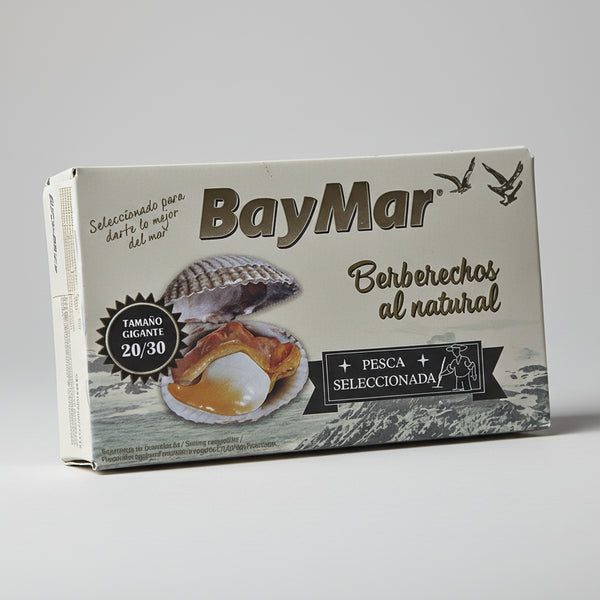
Red vermouth: sweeter and spicier, it works best with mild canned goods (albacore tuna, cockles) and those with an acidic component (pickled foods). Its sweetness balances the acidity of the pickle.
White vermouth: drier and more herbaceous, it works best with salty canned goods (anchovies) and smoked ones (sardines). Its slight bitterness cleanses fat without adding sweetness.
Serving: always with ice, an olive, and an orange or lemon slice. The cold temperature is essential for vermouth to work as a palate "cleanser" between bites of canned food.
Pairing mistakes to avoid
1. Serving wine too warm. Whites and sparkling wines for canned goods should be served chilled (6-10°C). A warm white loses all its ability to clean fat and refresh.
2. Choosing sweet wine with salty canned goods. The salt + sweet combination in liquid is very different from the salt + sweet combination in solid food. In wine, sweetness amplifies the perception of salt unpleasantly.
3. Serving red wine "because it's all there is." If you only have red wine, it's better with northern albacore tuna than with anchovies or smoked goods. And a young, light red is better than a Reserva with prominent tannins.
4. Forgetting the temperature of the canned goods. Pairing works best when both elements are at their optimal temperature. Canned goods at room temperature (18-22°C), chilled white wines (6-10°C), very cold sparkling wines (4-8°C).
5. Overcomplicating unnecessarily. Fino with anchovies. Cava with everything. Albariño with sardines. The most effective pairings are the simplest. You don't need a sommelier; you need a clear principle and a quality product.
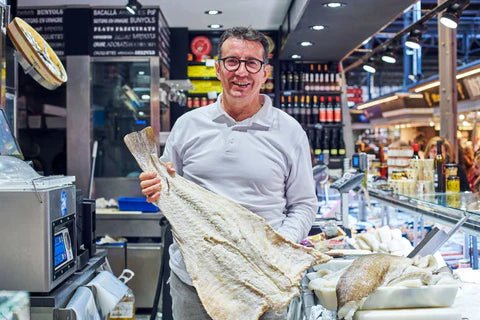
Find the perfect preserves for your pairing at Bacalalo. Since 1990 at Mercat del Ninot, selecting the best from the sea so you just have to open the can and uncork the bottle. It's not marketing — there are verifiable factors.
Gourmet Preserves — Artisan Selection
Anchovies, sardines, albacore tuna, belly. Selected by experts since 1990.
View Preserves →🛒 Related Products from Bacalalo
Cantabrian Anchovies "00" Gourmet Selection
Premium 00 size, artisanally prepared
€38.90
View product →⭐ 4.9/5 · Refrigerated shipping 24-48h · Since 1990 at Mercat del Ninot
Frequently Asked Questions
Which wine pairs best with Cantabrian anchovies?
Fino or Manzanilla de Sanlúcar are the perfect pairing: their natural salinity harmonizes with that of the anchovy. Brut nature cava and Txakoli are excellent alternatives. Avoid any red wine with tannins and any sweet white wine.
Can you drink red wine with canned fish?
It is not generally recommended. The tannins in red wine react with the fatty acids in fish, producing metallic flavors. The exception is very light red wines (Beaujolais, young Mencía) served chilled with mild preserves such as albacore tuna.
What wine accompanies a varied preserves board?
Manzanilla de Sanlúcar is the perfect choice: it works with salty, smoky, mild, and acidic profiles. Brut nature cava is the universal alternative. For an informal setting, white vermouth with ice.
Does champagne pair with caviar?
It is the classic pairing par excellence and works perfectly. A Brut Blanc de Blancs Champagne or a vintage Champagne are the best options. The bubbles cleanse the fat of the caviar, the acidity balances the salt, and the complexity of the wine adds layers without dominating.
Which beer goes well with preserves?
Mild lagers (Pilsner, Helles) and wheat beers (Weizen, Witbier) are the best options. Avoid IPAs and highly bitter beers, which are amplified by the saltiness of the preserves. Dark beers (Stout, Porter) compete with smoked flavors.
Does vermouth pair with anchovies?
Yes, it's a classic Spanish pairing. White vermouth (drier) works better with anchovies than red (sweeter). Served with ice, an olive, and an orange slice, it's the perfect companion for aperitif time.
What temperature to serve wine with preserves?
Whites: 6-10°C. Sparkling wines: 4-8°C. Finos and Manzanillas: 6-8°C. Vermouth: with ice. Preserves, on the other hand, should be at room temperature (18-22°C). The temperature contrast between cold wine and room temperature preserves is part of the pleasure of pairing.
Related articles:
- Gourmet Preserves: A Guide to Recognizing Real Quality [2026]
- 10 Appetizers with Gourmet Preserves to Impress Without Cooking
- Gourmet Smoked Sardines: A Little-Known Pleasure
- Albacore Tuna in Olive Oil: How to Choose the Best
- Preserves for Gifting: Gourmet Lots that Surprise
- Cantabrian Anchovies: Complete Guide
Discover our premium selection
Seafood products carefully selected since 1990 at Mercat del Ninot, Barcelona. Refrigerated shipping in 24-48h.