Summary: Bacalhau pastéis (Portuguese codfish croquettes) are one of Portugal's most iconic recipes, completely different from Spanish croquettes. Without béchamel, without breading, with a potato and shredded cod base, they are deep-fried directly in hot oil, forming golden ovals with a crispy exterior and a moist center. We explain the original Portuguese recipe step-by-step, with authentic technique and a comparison between both traditions.
Contents
- Bacalhau pastéis: history and Portuguese tradition
- Spanish croquettes vs. Portuguese pastéis: comparative table
- Ingredients for bacalhau pastéis
- Preparation: original recipe step-by-step
- The shaping technique: two spoons
- Tips for perfect bacalhau pastéis
- Variations of bacalhau pastéis
- Frequently Asked Questions
Bacalhau pastéis: history and Portuguese tradition
Portugal is, without question, the land of codfish. The Portuguese have a saying: "there's a codfish recipe for every day of the year." And among the 365 possible recipes, bacalhau pastéis (also called bolinhos de bacalhau) hold a privileged place as a national tapa, an omnipresent appetizer, and a gastronomic symbol.
Bacalhau pastéis were born in the popular kitchens of Lisbon in the 18th century, when salted cod was a staple food for fishermen and working classes. The combination of cod and potato — both cheap and nutritious — produced a hearty appetizer that could be prepared in large quantities and fried on demand.
What makes Portuguese pastéis unique is their radically different technique from Spanish croquettes. They don't contain béchamel. They are not breaded. The mixture is shaped with two spoons into pointed ovals and fried directly, creating an irregular crispy crust that encloses a moist and fibrous interior where the cod flakes are perfectly discernible.
In any tasca in Lisbon, Porto, or the Algarve, you'll find bacalhau pastéis as a mandatory appetizer. They are served hot, freshly fried, often accompanied by tomato rice or simply with a cold beer. In bakeries and churrerías, you'll even find them at room temperature, as a snack to go.
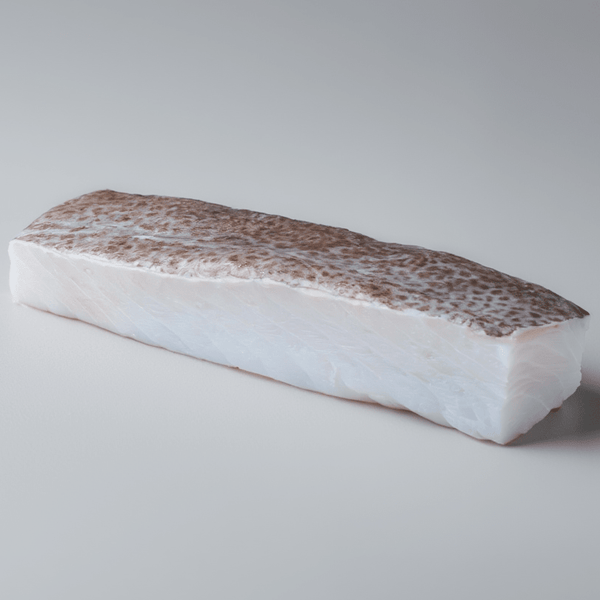
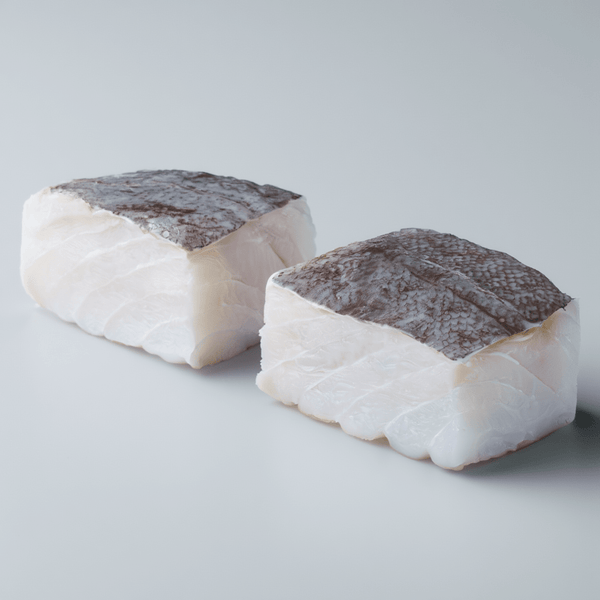
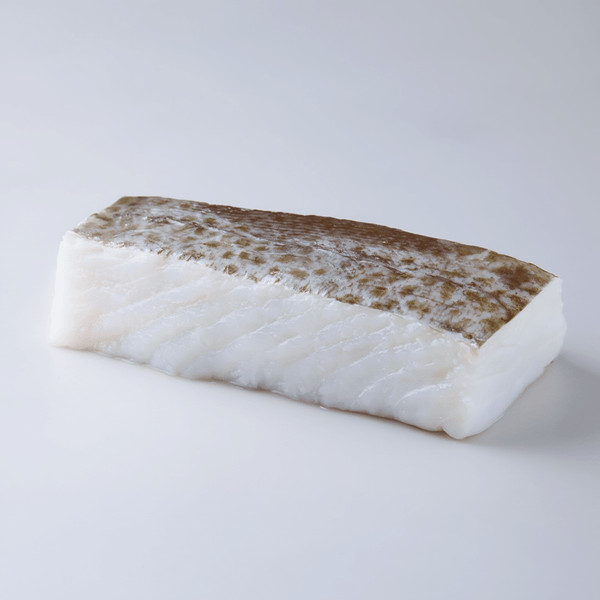
The quality of the cod is absolutely crucial in this recipe. The Portuguese know this better than anyone: a good bacalhau pastel needs cod with long fibers, clean flavor, and firm texture. The Icelandic cod we sell at Bacalalo is exactly the type of cod used by the best Portuguese tascas — in fact, Portugal is one of the largest importers of Icelandic cod in the world.
Spanish croquettes vs. Portuguese pastéis: comparative table
Although both dishes share the protagonist (codfish), the technique, texture, and presentation are completely different:
| Characteristic | Spanish Croquette | Portuguese Bacalhau Pastel |
|---|---|---|
| Base | Béchamel (butter, flour, milk) | Mashed cooked potato |
| Breading | Egg + breadcrumbs | No breading (fried directly) |
| Shape | Cylindrical or rounded oval | Pointed oval (quenelle) |
| Exterior Texture | Uniformly crispy (breadcrumbs) | Irregular, rough crispiness |
| Interior Texture | Creamy, melting, uniform | Fibrous, moist, flakes visible |
| Cod Flavor | Softened by béchamel | Intense, full protagonist |
| Cod Proportion | 20-30% of total | 40-50% of total |
| Dough Resting Time | 4-8 hours (mandatory) | 1-2 hours (sufficient) |
| Accompaniment | Alone or with salad | Tomato rice or beer |
Ingredients for bacalhau pastéis
For about 25-30 pastéis
- 400 g of dried shredded cod (previously desalted) — higher proportion than in Spanish croquettes
- 400 g of starchy potato (Kennebec or Agria)
- 2 large eggs
- 1 small onion, extremely finely chopped
- 3 cloves of garlic, very finely chopped
- Fresh chopped parsley (generous, Portuguese style)
- Ground black pepper
- 1 tablespoon of olive oil (optional, for the dough)
- Oil for frying (mild olive or sunflower, abundant)
Important note: The original Portuguese recipe DOES NOT include onion, only cod, potato, egg, and parsley. Some modern versions include onion and garlic for more flavor. We provide both options.
Icelandic Cod: The Portuguese Choice


Preparation: original recipe step-by-step
Step 1: Desalting the cod (24-36 hours in advance)
Place the shredded cod in a large bowl with cold water in the refrigerator. Change the water every 8 hours, at least 3 times. The cod for pastéis should be well desalted but with a hint of salt — not bland. Taste a flake before draining: it should be pleasantly salty, not excessively so.
Drain thoroughly and pat dry with paper towels or a clean cloth, pressing to extract as much water as possible. Wet cod results in pastéis that fall apart in the oil.
Step 2: Cooking the potato
Boil the potatoes whole with their skin in salted water for 25-30 minutes. Peel while hot and mash with a fork. Never use a blender — the starch will activate and the dough will become elastic and gummy. A rustic mash with a few small lumps is exactly what we're looking for.
Step 3: Preparing the cod
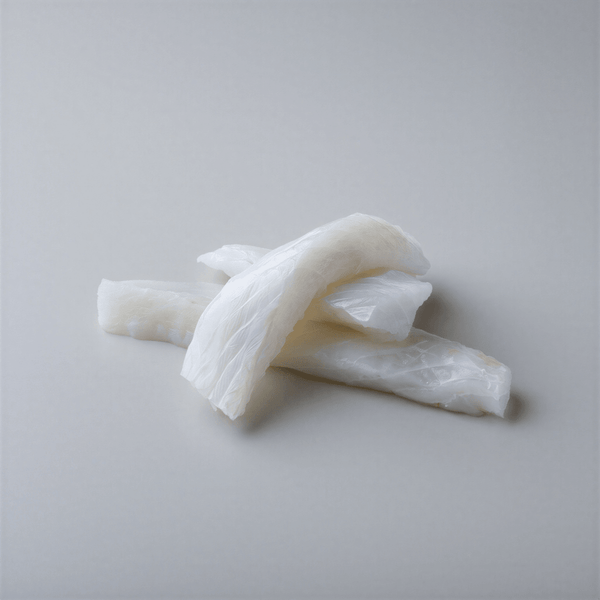
Purist version (without onion): Place the drained and dry cod in a bowl. Shred it with your fingers, making sure to remove any bones or skin you find. You want long, loose fibers.
Version with soffritto: Chop the onion extremely finely (almost transparent). Sauté it in one tablespoon of olive oil over low heat for 8-10 minutes. Add the minced garlic and cook for 2 minutes. Incorporate the shredded cod and sauté for 3-4 minutes over medium heat. Set aside.
Step 4: Making the dough
In a large bowl, mix the hot mashed potato with the cod (or cod soffritto). Work with a wooden fork, integrating both ingredients without crushing the cod fibers — they should be visible and noticeable in the final dough.
Add the chopped parsley generously (Portuguese people are generous with parsley), black pepper, and, optionally, a tablespoon of olive oil to give elasticity to the dough.
Separate the egg whites from the yolks of the 2 eggs. First, add the yolks to the dough and mix well. Beat the egg whites until soft peaks form (they don't need to be stiff, just frothy) and fold them into the dough with enveloping movements, from bottom to top. Beaten egg whites are the secret to light pastéis with an airy interior.
Let the dough rest in the refrigerator for 1-2 hours, covered with cling film.
The shaping technique: two spoons
The shaping is what visually distinguishes a bacalhau pastel from a croquette. The classic shape is a pointed oval, similar to a quenelle, achieved with two soup spoons.
Step-by-step technique:
- Take a generous portion of dough with one soup spoon.
- With the second spoon, shape the dough by passing it from one spoon to the other, 2-3 times, forming an oval with tapered ends.
- Slide the dough directly from the spoon into the hot oil.
If you can't master the two-spoon technique, you can shape the pastéis with wet hands, forming pointed ovals. The important thing is that they are not perfect balls — the irregular surface creates more contact points with the oil and produces more crispy areas.
Frying: Heat abundant oil to 180°C (slightly hotter than for breaded croquettes, because pastéis don't have a breadcrumb coating to protect them). Fry in batches of 4-5 units for 3-4 minutes, turning them with a slotted spoon. They should be dark golden, not pale — the more intense color indicates that the crust has formed correctly.
Drain on paper towels and serve hot. Bacalhau pastéis are best enjoyed immediately — unlike Spanish croquettes, they don't improve with resting.
Tips for perfect bacalhau pastéis
- 1:1 Ratio: The authentic Portuguese recipe calls for the same amount of cod as potato. Don't skimp on the cod — it's the absolute star.
- Stiffly beaten egg whites: This is the best-kept secret of professional pastéis. Beaten egg whites add air to the mixture, creating a lighter and fluffier interior.
- Hot potato, cold cod: Mix the freshly mashed potato (hot) with the cold cod. The heat from the potato "cooks" the cod slightly, integrating the flavors without the need for sautéing.
- Handful of parsley: In Portugal, they're not shy with parsley. Use at least 3-4 tablespoons of fresh chopped parsley. It's an ingredient, not a garnish.
- Dry the cod as much as possible: Excess water is the number one enemy. After draining, pat it firmly with paper towels. Wet cod results in pastéis that fall apart when fried.
- 180°C, no less: Pastéis are fried without breading, so they need a higher temperature to quickly create the outer crust. At 160°C, they absorb oil; at 180°C, they seal.
- Dark golden, not pale: A bacalhau pastel should have a deep, almost toasted golden color. A light color indicates insufficient frying, and the interior will be pasty.
Variations of bacalhau pastéis
Baked bacalhau pastéis
In Portugal, it's common to prepare a baked version for family meals: the same mixture, shaped into larger balls, baked at 200°C for 20-25 minutes with a drizzle of oil. They are not as crispy as the fried ones, but they are lighter and very popular as a main dish accompanied by salad.
Pastéis com queijo (with cheese)
A modern variation that adds 50g of grated cured cheese (São Jorge or Manchego type) to the mixture. The cheese adds umami and helps bind the mixture. They are served in many Lisbon tascas as a premium version.
Pastéis de bacalhau com azeitonas (with olives)
Chopped black olives mixed into the dough. The salty-bitter contrast of the olive with the cod is surprising. Especially popular in Alentejo.
Spicy pastéis
Add a teaspoon of piri-piri (Portuguese chili) or spicy paprika to the dough. This is a variation from Portugal's former African colonies (Mozambique, Angola) that has gained popularity in modern tascas.
Frequently Asked Questions
What is the main difference between a Spanish croquette and a bacalhau pastel?
The fundamental difference is the base: the Spanish croquette uses béchamel (butter, flour, and milk) and is breaded. The Portuguese bacalhau pastel uses mashed cooked potato, has no béchamel or breading, and is deep-fried directly. The result is completely different textures: creamy in the Spanish, fibrous in the Portuguese.
Why are they called pastéis and not croquettes in Portugal?
In Portuguese, "pastel" (plural "pastéis") refers to both sweet and savory items with molded dough. The word "croquete" exists in Portugal but specifically refers to croquettes with béchamel, usually made with meat. Bacalhau pastéis are a distinct category with a different technique.
Can I prepare the dough the day before?
Yes, the dough can be prepared up to 24 hours in advance. If you include beaten egg whites, it's best to add them just before frying to maintain sponginess. Store the base dough (potato + cod + yolks) in the refrigerator and beat the egg whites just before use.
Can bacalhau pastéis be frozen?
Yes. Shape the pastéis with spoons, place them on a tray without touching, and freeze for 2 hours. Then transfer them to a freezer bag. To fry, do so directly from frozen at 170°C (slightly less than fresh), adding 1-2 extra minutes.
Why do my pastéis fall apart when frying?
The most common causes are: cod with excess water (dry it as much as possible), dough too soft (add one less egg or more potato), oil at insufficient temperature (it should be at 180°C), or putting too many in at once (fry in batches of 4-5).
What kind of cod do they use in Portugal for pastéis?
Portugal imports massive amounts of cod from Iceland and Norway. The best pastéis are made with quality dried cod, with long, firm fibers. At Bacalalo, we offer exactly that type of premium Icelandic cod used by leading Portuguese tascas.
Are bacalhau pastéis served hot or cold?
Always hot, freshly fried. Unlike Spanish croquettes which hold up well at room temperature, pastéis lose a lot of crispiness as they cool. In Portugal, they are prepared on demand and served immediately. If they cool down, reheat for 5 minutes in an oven at 200°C.
Products you might be interested in
Discover more