Summary: Potato cod croquettes are a traditional Valencian variation that omits béchamel and uses cooked potato as a base. The result is a lighter croquette, with a different texture and a more direct cod flavor. We show you the recipe step by step, compare both techniques, and share tips to make them perfect.
Content
The Valencian tradition of potato croquettes
In the Valencian Community, there is a deep-rooted tradition of preparing cod croquettes using cooked potato instead of béchamel. This recipe has humble roots: in Valencian kitchens centuries ago, potatoes were a cheap and accessible ingredient that allowed salted cod—expensive and prized—to be stretched to feed the whole family.
Valencian cod and potato croquettes are, technically, more similar to Portuguese pastéis de bacalhau than to Spanish croquettes with béchamel. This is no coincidence: the Mediterranean coast shared trade routes with Portugal for centuries, and culinary influences naturally crossed borders.
What distinguishes the Valencian version is the use of floury potatoes (Kennebec or Agria type), which, when cooked and mashed, create a compact dough capable of binding the shredded cod without the need for flour or milk. The result is a lighter croquette, with a more pronounced cod flavor and an interior texture that is more reminiscent of a fritter than a classic croquette.
In Valencian markets, especially during Lent and Holy Week, these potato and cod croquettes are a classic sold already formed, ready to fry. At Bacalalo, we have Valencian customers who buy shredded cod specifically for this recipe, and the feedback is always the same: with good Icelandic cod, the result is incomparable.
Potato vs. Béchamel Croquettes: Comparative Table
Before you start cooking, it's useful to understand the differences between both styles. Each has its advantages:
| Characteristic | With Potato (Valencian) | With Béchamel (Classic) |
|---|---|---|
| Base | Mashed cooked potato | Béchamel (butter + flour + milk) |
| Interior texture | Firm, compact, fritter-like | Creamy, fluid, melting |
| Cod flavor | More intense and direct | Softer, enveloped in creaminess |
| Difficulty | Easy (no risk of lumps) | Medium (béchamel requires technique) |
| Lactose-free | Yes (naturally dairy-free) | No (contains butter and milk) |
| Approx. calories | ~70-80 kcal per unit | ~90-100 kcal per unit |
| Resting time | 1-2 hours | 4-8 hours |
| Origin | Valencia / Portugal | Central Spain / Basque Country |
Ingredients for cod and potato croquettes
For about 25-30 croquettes
- 400 g floury potatoes (Kennebec or Agria, NOT new potatoes)
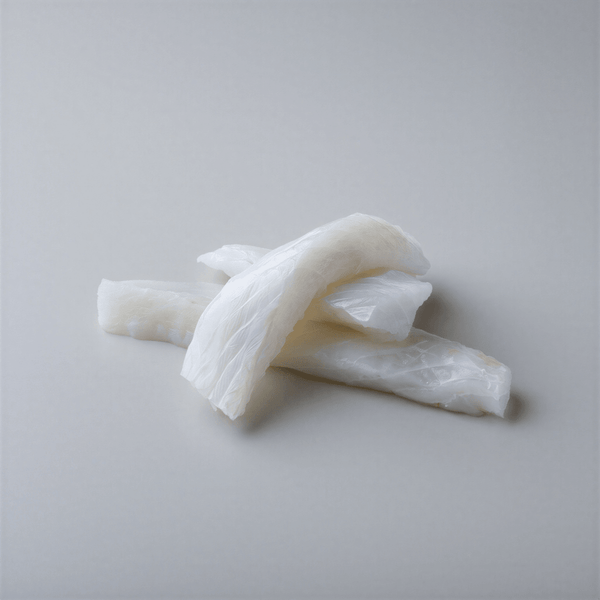
- 300 g dried shredded cod (previously desalted)
- 1 small onion, very finely chopped
- 2 cloves garlic, minced
- 2 eggs (1 for the dough + 1 for breading)
- Fresh parsley, chopped (generous amount)
- Ground black pepper
- Extra virgin olive oil
- Fine breadcrumbs for breading
- Oil for frying (mild olive or sunflower)
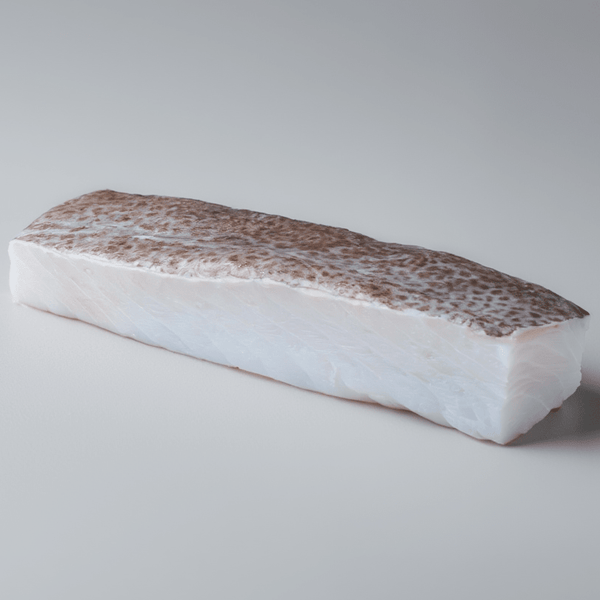
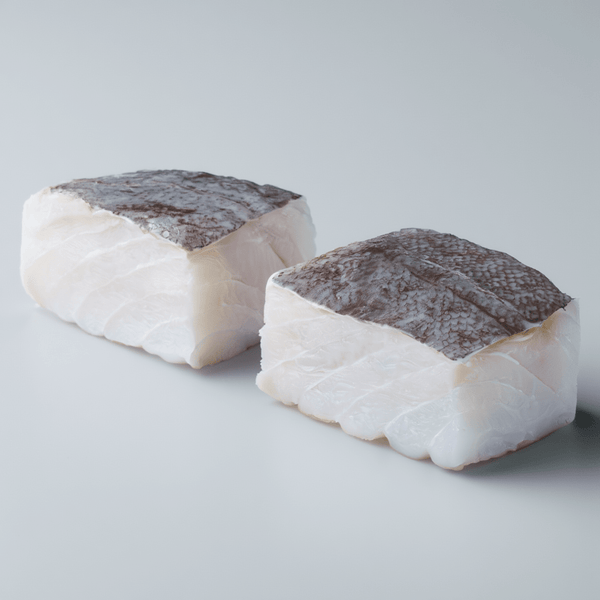
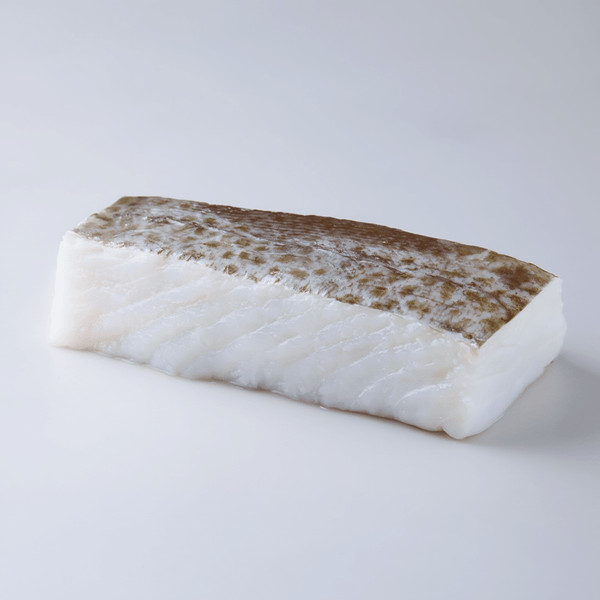
The perfect cod for your Valencian croquettes


Step-by-step preparation
Step 1: Prepare the potato
Wash the potatoes and boil them whole, with skin, in salted water for 25-30 minutes until a knife passes through them easily. It's important to boil them with the skin on so they don't absorb too much water – a soggy potato makes soft croquettes.
Peel the potatoes while hot (using a cloth) and mash them with a fork or potato masher. Do not use a blender: the starch becomes overactive and the dough will be gummy and elastic. A rustic purée, with a few small lumps, is perfectly fine.
Step 2: Prepare the cod
If using dried shredded cod, desalt it beforehand in cold water in the refrigerator for 24-36 hours with 3 water changes. Drain and dry thoroughly.
In a frying pan with a drizzle of olive oil, sauté the chopped onion over medium heat for 8-10 minutes. Add the garlic and cook for 2 more minutes. Incorporate the shredded cod and sauté for 5 minutes, stirring to integrate it with the sofrito. Set aside.
Step 3: Mix the dough
In a large bowl, mix the warm mashed potato with the cod sofrito. Work the mixture with a fork until homogeneous. Add 1 beaten egg, generously chopped parsley, and black pepper to taste. Mix well.
Taste for salt – between the cod and the salt from the potato water, you may not need to add more. The dough should be compact and manageable, not sticky. If it's too wet, add a tablespoon of breadcrumbs to absorb the excess.
Let the dough chill in the refrigerator for at least 1-2 hours. Cold dough is much easier to shape.
Step 4: Shape and bread
With slightly damp hands, shape oval or round croquettes the size of a large walnut. The classic Valencian shape is slightly flattened, like a thick disc, unlike the cylindrical Castilian croquette.
Beat the second egg in a deep plate. Dip each croquette in the beaten egg and then in fine breadcrumbs, pressing lightly so they adhere well.
Step 5: Fry
Heat plenty of oil to 170-180°C (340-350°F). Fry the croquettes in batches of 5-6 units for 2-3 minutes until uniformly golden. Drain on absorbent paper.
Serve hot, accompanied by homemade aioli or simply with a squeeze of lemon – Valencian style.
Tips for perfect potato croquettes
- Floury potatoes, always: Floury potatoes (Kennebec, Agria, Monalisa) have more starch and less water, producing a compact dough. New or waxy potatoes (Charlotte type) release a lot of water and result in croquettes that fall apart.
- Boil with skin: The skin acts as an impermeable barrier. Potatoes boiled with their skin absorb 30% less water than peeled ones.
- Mash, never blend: A potato ricer or a fork are your allies. A blender breaks down starch chains and produces a gummy, unformable purée.
- Cod-to-potato ratio: The ideal ratio is 40% cod - 60% potato. Less cod and they will taste only of potato; more cod and the dough won't bind well.
- Plenty of parsley: In the Valencian recipe, parsley is not decorative but a protagonist. It provides freshness that counteracts the density of the potato.
- Flattened shape: Potato croquettes fry better when slightly flattened because heat penetrates more evenly and the center doesn't remain cold.
Variations of the Valencian recipe
With roasted red pepper
Add 2 roasted and chopped red peppers to the dough. They provide sweetness and color, creating a beautiful contrast when cutting the croquette. Very popular in the Alicante area.
With sweet potato
Substitute half of the potato with roasted sweet potato. Sweet potato adds a subtle sweetness that combines surprisingly well with salted cod. It's a modern variation that is very popular.
Fritter style (unbreaded)
In some areas of Valencia, they are prepared unbreaded: balls are formed directly with the dough and fried in hot oil. The result is more similar to a fritter – a thin, direct crispy exterior, without the breadcrumb coating.
With hard-boiled egg
Add 2 chopped hard-boiled eggs to the dough. This is a classic Lenten variation that provides extra protein and a pleasant texture when bitten.
Storage and freezing
Cod and potato croquettes keep and freeze just as well as béchamel ones:
- In the fridge: Raw dough lasts 2-3 days covered with film. Raw breaded croquettes last 24 hours.
- Frozen: Place the breaded croquettes on a tray without touching. Freeze for 2 hours, then transfer them to a freezer bag. They last up to 3 months.
- Frying from frozen: No need to thaw. Fry them directly from frozen at 170°C (340°F), adding an extra 1-2 minutes to the frying time.
- Already fried: They keep in the fridge for 2 days. Reheat in an oven at 180°C (350°F) for 10 minutes to regain crispiness.
🛒 Products mentioned in this article
⭐ 4.9/5 · 24-48h refrigerated delivery · Since 1990 at Mercat del Ninot
Frequently asked questions
Why do Valencian croquettes use potato instead of béchamel?
It's a deeply rooted tradition in Valencian cuisine with humble origins. Potato was cheaper and more accessible than the butter and milk needed for béchamel. Furthermore, potato allows the cod flavor to be more prominent and produces a naturally lactose-free croquette.
What kind of potato should I use?
Floury potatoes like Kennebec, Agria, or Monalisa. These varieties have more starch and less water, which produces a compact dough that shapes well. Avoid new or waxy potatoes (Charlotte, baby), which release too much water.
Can these croquettes be made without egg?
Yes. Mashed potato has enough binding capacity to hold its shape without egg. Omit the egg from the dough and for breading, use water with a tablespoon of chickpea flour instead of beaten egg.
Are they suitable for coeliacs?
The dough itself is naturally gluten-free (potato + cod + egg). To make them suitable for coeliacs, substitute breadcrumbs with gluten-free breadcrumbs or crushed cornflakes for breading.
Can I make the dough with instant mashed potatoes?
It is not recommended. Instant or boxed mashed potatoes have too homogeneous a texture and often contain additives that alter the flavor. Fresh cooked potato is irreplaceable for this recipe — you only need 30 minutes of cooking.
What is the difference between potato croquettes and Portuguese pastéis de bacalhau?
They are sister dishes. Portuguese pastéis de bacalhau have a higher proportion of cod, are shaped into pointed ovals, and are fried without breading. Valencian croquettes usually have more potato, are breaded in breadcrumbs, and are disc-shaped. The basic technique is very similar.
What sauce best accompanies these croquettes?
Homemade aioli is the classic Valencian accompaniment. A squeeze of lemon, tartar sauce, or parsley mayonnaise also work very well. Avoid strong sauces that mask the flavor of the cod.
Products you might be interested in
Discover more
Discover our premium selection
Seafood products carefully selected since 1990 at Mercat del Ninot, Barcelona. Refrigerated shipping 24-48h.