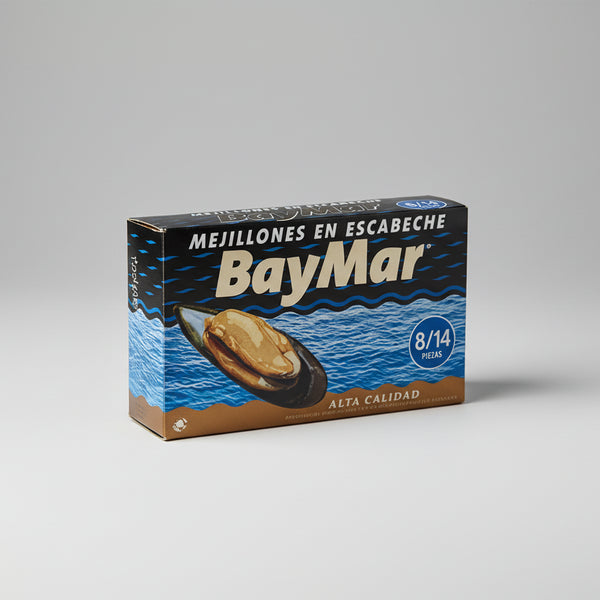
Summary: There's a phenomenon in Spanish gastronomy that has been accelerating for years: canned fish and seafood have crossed the line that separated them from "emergency food" to become luxury, even collectible, products. The best restaurants in the world feature canned goods on their menus. Collectors seek out 10-year-old vintage cans. Baskets of artisanal canned goods are among the most appreciated gifts for Christmas and weddings.
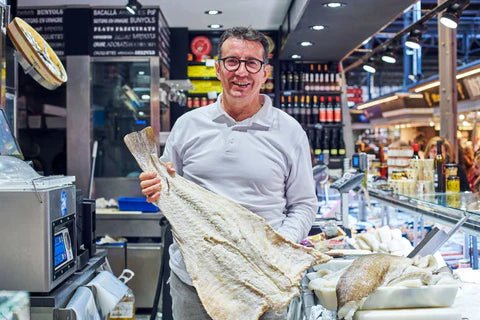
At Bacalalo, since 1990, we have been working with the best from the sea in Barcelona's Mercat del Ninot, and gourmet canned goods are an essential part of our selection. In this guide, we explain what makes a canned product truly gourmet, what types there are, how to choose them, and how to build a gift basket that truly impresses.
Contents
What Makes a Canned Product "Gourmet"
The word "gourmet" is so overused that it has lost some of its meaning. In the context of canned seafood, a gourmet canned product is one that meets these criteria:
1. Raw Material from Controlled Origin
A gourmet canned product starts with the best available fish or seafood. Mussels from Galicia raised on rafts (Mejillón de Galicia IGP), clams from Carril, anchovies from the Cantabrian Sea, almadraba tuna... The specific origin matters and is stated on the label.
2. Artisanal Preparation
The difference between an industrial production line and artisanal preparation is enormous. In artisanal canned goods:- Fish or seafood is cleaned and prepared by hand
- Cooking and curing times are controlled piece by piece
- Canning is manual or semi-manual
- Production quantities are limited
This explains the price difference: it's not marketing, it's real labor.
3. Extra Virgin Olive Oil or Quality Coverings
The covering oil is not a minor detail. In a gourmet canned product, the oil is part of the product: it integrates with the fish during maturation and becomes another ingredient. The extra virgin olive oil from good anchovies or tuna can is perfectly usable as a dressing.
4. Adequate Maturation
The best canned seafood needs time. A freshly canned anchovy and an anchovy matured for 18 months are different products. Time allows the flavors to integrate and the product to reach its optimal point.
5. Complete Traceability
The label of a gourmet canned product should tell you the exact species, the catch area (FAO area or more specific denomination), the fishing method, the date of preparation, and the producer's name.
Types of Gourmet Canned Seafood
The world of premium canned seafood is much broader than it seems. These are the main categories:
Canned Oily Fish
Cantabrian Anchovies: the most iconic product of Spanish canning. Anchovies (Engraulis encrasicolus) caught in the Cantabrian Sea between April and June, cured in salt for 12-18 months, and hand-filleted in olive oil, represent the peak of artisanal canning. The best come from Santoña, Laredo, and Bermeo.
Almadraba Tuna: bluefin tuna (Thunnus thynnus) caught using the traditional almadraba (fixed net system in the Strait of Gibraltar) during the annual migration season. The belly (ventresca) and loin of almadraba tuna are products that rival the best Japanese sashimi in price and quality.
Sardines in Olive Oil: thoroughly covered in our specific guide. The best canned sardines of Galician and Portuguese origin are collectible products that improve with age.
Mackerel (verdel): the great forgotten of premium canning. Cantabrian mackerel in olive oil is a product with an intense flavor, very rich in omega-3, and at a significantly lower price than tuna or anchovies.
Northern White Tuna (Bonito del Norte): the albacore tuna (Thunnus alalunga) from the Cantabrian Sea, with lighter and more delicate flesh than bluefin tuna. In olive oil, it is a benchmark product in Basque and Cantabrian gastronomy.
Canned Shellfish
Galician Mussels: mussels raised in the Galician estuaries (Mejillón de Galicia IGP) are large, meaty, and have a deep flavor. In escabeche, marinara sauce, or natural, they are a global reference. The best cans contain less than 10 pieces per can.
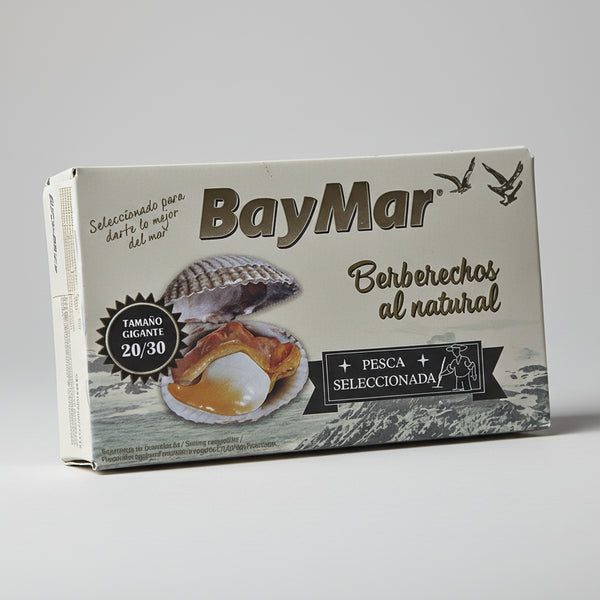
Cockles: a delicate product. Cockles from the Galician estuaries (especially those from the Arosa estuary) in natural brine are extraordinary: smooth texture, clean iodized flavor. The best cans contain 50-70 small, tender pieces.
Clams: clams in natural brine or green sauce are an accessible luxury. Carril clams (Galicia) are the highest quality standard.
Razor Clams: delicate texture and pronounced flavor. In natural brine, they retain much of their marine character.
Octopus in Olive Oil: Galician octopus (Octopus vulgaris) in olive oil is a benchmark product. The best canned octopus uses octopus cooked to its exact point, neither overcooked nor undercooked.
Scallops and Queen Scallops: Galician queen scallops in scallop sauce or escabeche are one of the great luxuries of Galician canning.
Roes and Substitutes
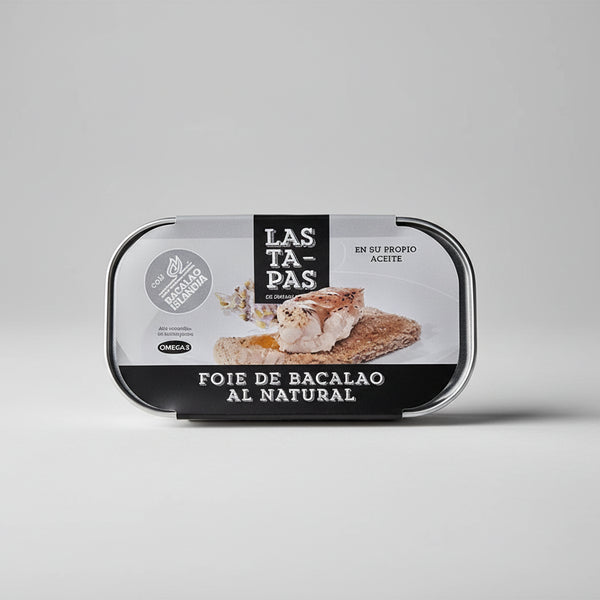
Hake Roe: delicate, with a mild flavor. In olive oil or natural, they are an elegant appetizer.
Lumpfish Roe: not caviar but a very common visual and functional substitute in presentation cuisine.
Trout and Salmon Roe: similar texture to caviar, more accessible flavor. Excellent for toast, canapés, and presentation dishes.
Caviar: the pinnacle of marine luxury. From organic Riofrío caviar (produced in Granada) to Osetra from the best European farms.
Gourmet canned seafood at Bacalalo: artisanal selection with over 30 years of experience choosing the best from the sea at Barcelona's Mercat del Ninot. See our selection of gourmet canned goods
How to Read a Gourmet Canned Product Label
Correct labeling is your first tool for identifying quality:
What Should Appear
- Product name and species: "Cantabrian Anchovies (Engraulis encrasicolus)"
- Catch area: FAO zone, geographical denomination, or PGI
- Fishing method: "artisanal catch", "purse seine", "almadraba"
- Ingredients in descending order: extra virgin olive oil must be explicitly stated
- Preparation date or lot number: allows for calculation of maturation time
- Producer and origin: name and location of the manufacturing company
What You Should Avoid
- "Vegetable oil" without specifying which (usually lower quality sunflower oil)
- No mention of catch area (could be fish from anywhere in the world)
- No preparation date (impossible to know the product's maturation)
- Generic denominations such as "Mediterranean anchovies" without further detail
Related Products from Bacalalo


Recommended Products

Fresh Coastal Sardines - 4-Piece Pack | ...
2,95 €

Whole Dried Tuna Loin Gourmet Extra Central Lo...
95,00 €

Cockles in Natural Brine 30/40 Pieces - 111g | Ba...
7,95 €

Northern White Tuna Loins in Olive Oil Glass Fr...
13,95 €
Refrigerated shipping 24-48h throughout the Iberian Peninsula
The Best Regions and Denominations of Origin
Cantabrian Sea (anchovies, bonito, mackerel)
The Cantabrian coast — from the Basque Country to Cantabria and Asturias — has the greatest tradition of artisanal oily fish canning in Spain. Santoña (Cantabria) is the world capital of canned anchovies.
Galicia (shellfish, mussels, tuna)
The Galician estuaries produce the best seafood in Europe. Galician Mussels have PGI status. The cockles, clams, razor clams, and queen scallops from the estuaries are global benchmarks.
Strait of Gibraltar (almadraba tuna)
The municipalities of Barbate, Conil, Tarifa, and Zahara de los Atunes are the setting for the almadraba fishing of bluefin tuna, which since Phoenician times has produced the best tuna in the world.
Portugal (sardines, bacalhau)
The Portuguese canning industry has its own iconic identity. Portuguese canned sardines are collector's items (cans from La Brújula, Tricana, or Porthos are design works). Canned bacalhau is less common but exists.
How to Build a Perfect Gourmet Canned Goods Basket
Artisanal canned goods baskets are one of the most valued corporate and personal gifts. The key lies in the combination and presentation.
For a Starter Basket (3-5 products)
- 1 can of Cantabrian anchovies (the star product)
- 1 can of Galician pickled mussels (size ≤10 pieces)
- 1 can of natural cockles
- 1 can of sardines in olive oil (matured for ≥1 year)
- 1 jar of trout or salmon roe
For a Premium Basket (6-8 products)
- 1 can of Cantabrian anchovies (top artisanal brand)
- 1 can of almadraba tuna belly
- 1 can of queen scallops in scallop sauce
- 1 can of natural razor clams
- 1 can of cockles (small size, ≥50 pieces)
- 1 jar of caviar (Osetra or Riofrío)
- 1 can of pickled mussels
- 1 can of octopus in olive oil
For the Corporate Basket (Corporate Gift)
Prioritize products with distinctive packaging, add a tasting note with serving instructions, and combine with good extra virgin olive oil and a Cava or Txakoli. A well-presented premium canned goods basket has a huge impact with a reasonable investment (€50-200 depending on the level).
How to Store and Serve Gourmet Canned Goods
Storage
- Unopened cans: cool, dark place (cellar, pantry). No need for refrigeration. Avoid direct light and sudden temperature changes.
- Opened cans: transfer contents to a glass container, cover with the original oil, and refrigerate. Consume within 2-3 days.
- Glass jars: follow the same instructions. Once opened, consume within the time indicated on the packaging.
Serving
Gourmet canned goods deserve proper serving:
- Take them out of the refrigerator (if chilled) 15-20 minutes before serving. Cold dulls aromas.
- Use serving plates and do not serve directly from the can (unless in an informal and deliberate context).
- The oil in the can is part of the product: use it for dressing or dipping bread.
- Always accompany with quality bread: sourdough, rye, or toasted bread with oil.
Pairing
Gourmet canned seafood calls for wines with acidity and freshness:- Albariño (Rías Baixas): the perfect pairing for any Galician canned good.
- Txakoli: with Cantabrian anchovies and bonito.
- Cava Brut Nature: versatile, cleanses the palate between different canned goods.
- Manzanilla or Fino: with shellfish and more intense anchovies.
- Vermouth: the quintessential Spanish aperitif with any canned good.
Frequently Asked Questions about Gourmet Canned Goods
1. What differentiates gourmet preserves from supermarket preserves?
The quality of the raw material (species, origin, fishing method), the production process (artisanal vs. industrial), the covering oil, and the maturation of the product.2. Are gourmet preserves worth the price difference?
Yes, when the price difference reflects a real difference in process and origin. An artisanal anchovy from Santoña and an industrial anchovy from the Mediterranean are not the same product: the difference is noticeable with the first bite.3. How long do gourmet preserves last?
Most last between 4 and 6 years in perfect condition. Some preserves in olive oil (sardines, anchovies) can keep perfectly for 10-15 years or more and improve with time.4. Can gourmet preserves be given as Christmas gifts?
It is one of the most valued gifts because it combines real quality, a long shelf life, and the possibility of personalizing it according to the recipient's taste.5. Which preserves improve with time?
Anchovies, sardines in olive oil, and bonito del Norte are the products that benefit most from maturation. After 12-18 months, the flavors integrate remarkably.6. Are gourmet preserves cooked or raw?
The preservation process (sterilization or heat pasteurization) cooks the product. Preserves in their natural state or in olive oil are completely ready to eat directly.7. Are canned fish and seafood healthy?
Very. They are rich in omega-3, high-quality proteins, minerals (iodine, zinc, calcium in seafood), vitamin D, and B12. Preserves in olive oil add the properties of the oil.8. How do I know if a gourmet preserve is truly artisanal?
Read the label: it should indicate artisanal production, the producer's name, specific catch area, and production date. Artisanal productions usually have limited runs and prices that reflect this.9. What preserves do you recommend for someone who hasn't tried gourmet preserves before?
Start with Galician mussels in escabeche (the most accessible flavor product) and some good sardines in olive oil. They are the easiest to appreciate without prior experience.10. Can I buy gourmet preserves online with guarantees?
Yes. Preserves are stable products that perfectly withstand transport. Buy from specialized stores that guarantee product traceability and have a proven reputation.🛒 Products mentioned in this article
⭐ 4.9/5 · Chilled delivery 24-48h · Since 1990 at Mercat del Ninot
Conclusion
Gourmet seafood preserves represent one of Spain and Portugal's great gastronomic heritages, unjustly undervalued for decades. Today, the best artisanal producers compete in international markets with the world's most exclusive products.
At Bacalalo, we have spent more than 30 years at Barcelona's Mercat del Ninot selecting the best seafood preserves with the same criteria we apply to cod: controlled origin, artisanal production, and quality that speaks for itself.
Whether you are looking for a special gift or want to elevate your pantry to another level, we are here to advise you.
Discover our selection of gourmet seafood preserves at Bacalalo — delivery throughout the Peninsula
Discover more