Summary: Arguiñano-style Bacalao al pil pil is an emblem of Basque cuisine. It is prepared with only four ingredients—desalted cod, olive oil, garlic, and chili—and the secret lies in the constant movement of the pan to emulsify the fish's gelatin with the oil. Inspired by Karlos Arguiñano's version from his Antena 3 show, this recipe guides you step-by-step to achieve a silky pil pil sauce at home.

What is Bacalao al pil pil?
Bacalao al pil pil is one of the most iconic dishes of Basque gastronomy. Its name comes from the sound the oil makes as it bubbles over low heat—pil, pil, pil—as the cod's natural gelatin melts with the olive oil and garlic juices to create an emulsified sauce without any added thickener.
It's a dish that seems simple but hides a technique that intimidates many home cooks: emulsification. The key is to understand that the collagen released by the cod skin acts as a natural emulsifier, similar to the lecithin in egg yolk in mayonnaise. When you move the pan with the right motion, the fat molecules from the oil and the water from the gelatin combine into a creamy, slightly thickened, greenish-white sauce.
In the Basque Country, this dish has been prepared since at least the 18th century. Fishermen cooked it directly on their boats with the most basic ingredients available. Today, it remains the star dish of grills and gastronomic societies in Bilbao, San Sebastian, and throughout Euskadi.
What does bacalao al pil pil contain?
Authentic bacalao al pil pil uses only four ingredients: desalted cod (with skin, which releases the gelatin), extra virgin olive oil, garlic, and chili. It contains no flour, egg, cream, or any thickener: the sauce thickens on its own thanks to the collagen released by the cod skin when emulsified with the oil. That is precisely the magic of the dish and the hardest part to master.
The ingredient that truly makes a difference is the raw material: you need good desalted cod with skin and well-hydrated, because without gelatin, no emulsion is possible. That's why a thick loin or cocochas—rich in collagen—thicken the pil pil much better than flakes or trimmings. With quality ingredients, the rest is technique and patience.
The Arguiñano style: what makes it different?
Karlos Arguiñano has been preparing pil pil for decades on his Antena 3 television show, and his version has become a benchmark for millions of Spanish households. What distinguishes his approach is not so much a secret ingredient as a philosophy: extreme simplicity and respect for the product.
Arguiñano emphasizes several points that other cooks sometimes overlook:
- Quality cod: always with skin and well desalted. The skin is essential because it is the source of gelatin that creates the emulsion.
- Smooth extra virgin olive oil: never an intense oil that would mask the flavor of the fish. Arguiñano usually recommends an arbequina variety oil or similar.
- Minimal heat: pil pil is made over very low heat. If the oil smokes, it's too hot.
- Patience with the emulsion: constant circular wrist movements. Arguiñano always says the trick is "not to rush."
- Garlic in slices, not chopped: thin slices that brown evenly and release their flavor without burning.
His version also incorporates Ibarra chili peppers, which add a mild spicy touch, very typical of the North. It's not an aggressive heat but a counterpoint that enhances the creaminess of the sauce.
Ingredients for 4 servings
| Ingredient | Quantity |
|---|---|
| Desalted cod loins (with skin) | 4 pieces (~800 g) |
| Extra virgin olive oil | 250 ml |
| Garlic cloves | 6 cloves |
| Ibarra chili peppers | 2-3 units |
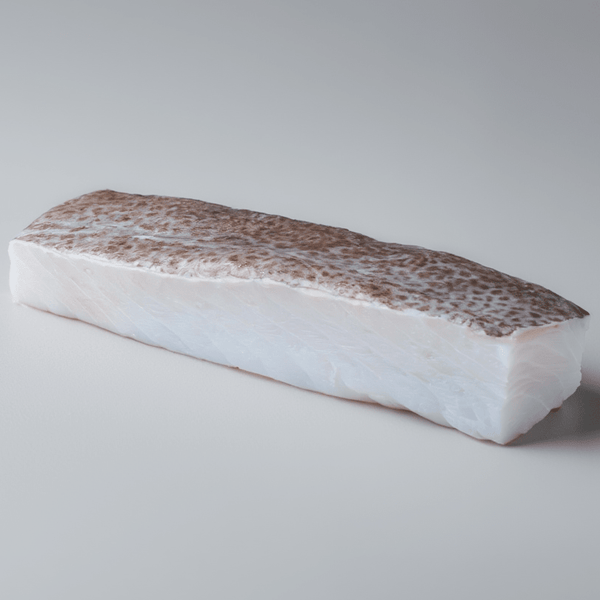
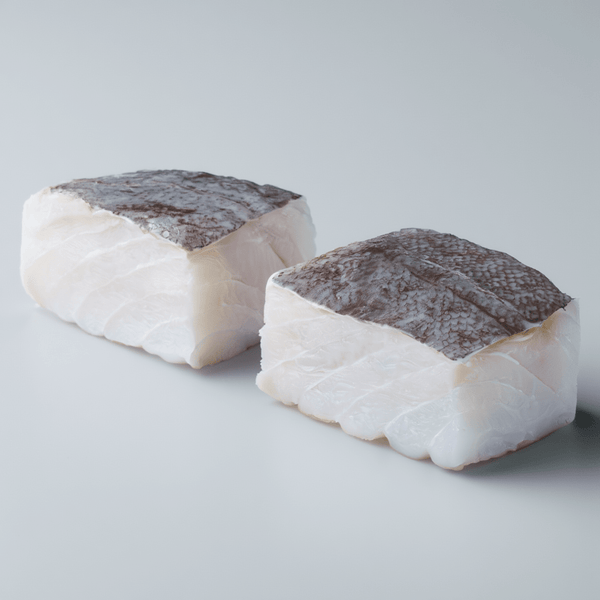
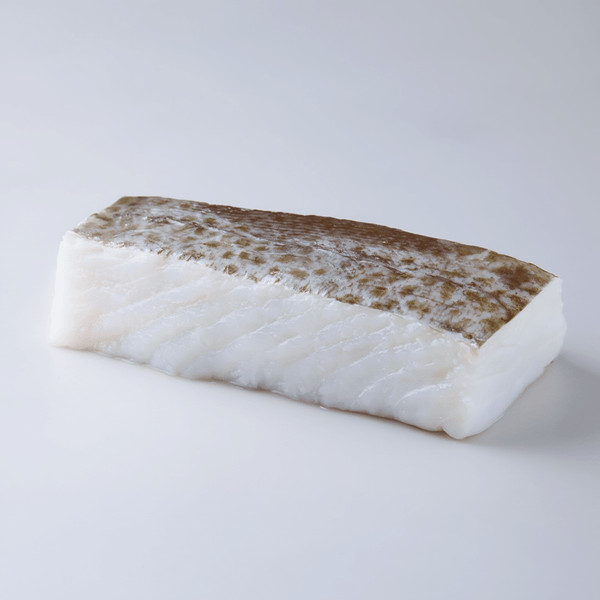
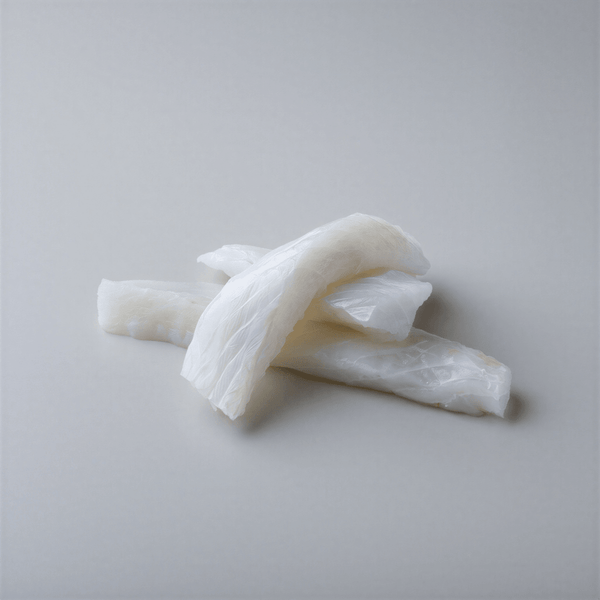
Desalted cod ready for your pil pil
Cod is the absolute star of this dish. For a perfect pil pil, you need thick loins, with skin, well desalted.
View desalted cod collectionStep-by-step recipe, Arguiñano style
Step 1 — Prepare the cod. Dry the desalted cod loins with kitchen paper. It is essential that they are very dry so they don't splatter when they come into contact with the oil. Check for any large bones by running your fingers over the surface.
Step 2 — Confit the garlic and chili. Pour the 250 ml of olive oil into a wide, shallow earthenware casserole dish. Place it over medium-low heat. When the oil is warm (never hot), add the thinly sliced garlic and chili peppers. Let them brown slowly for 3-4 minutes. Remove the garlic and chili peppers with a slotted spoon and set them aside on a plate.
Step 3 — Cook the cod. With the heat on minimum, place the cod loins in the oil skin-side up. This is key: the skin releases gelatin into the oil. Cook for 5-6 minutes without touching the fish. Then carefully flip it over (skin-side down) and cook for another 5-6 minutes.
Step 4 — Remove the cod. Carefully remove the loins and set them aside on a plate, covered with aluminum foil to keep them warm. The oil in the casserole should look slightly cloudy: that's the dissolved cod gelatin. If it's completely transparent, the cod hasn't released enough gelatin (it might have lacked skin).
Step 5 — Emulsify the pil pil sauce. This is the magical moment. Remove the casserole from the heat and let it cool slightly for 2-3 minutes (the oil should be warm but not boiling, around 50-60 °C). Start moving the casserole with a circular wrist motion, as if gently shaking it. The oil will begin to thicken and change color, becoming whitish and creamy. This can take 3-5 minutes of constant movement.
Step 6 — Assemble and serve. When the sauce has a creamy and cohesive consistency, return the cod loins to the casserole, skin-side up. Add the reserved golden garlic and chili peppers on top. Serve directly in the earthenware casserole dish, very hot.
5 infallible tricks for the perfect emulsion
The emulsion is what separates a mediocre pil pil from a memorable one. These are the tricks Arguiñano and Basque chefs use:
- Correct temperature: the oil should be between 50-60 °C when emulsifying. If it's too hot, the emulsion breaks. If it's cold, it won't emulsify. Arguiñano's trick: you should be able to dip your finger for 2 seconds without burning yourself.
- Constant circular motion: hold the casserole with both hands and make circular back-and-forth movements. Do not use a spoon or whisk. It's the inertia of the liquid that creates the emulsion.
- Cod with plenty of skin: the more skin the cod has, the more gelatin it will release, and the easier it will be to emulsify. A skinless loin won't produce pil pil.
- If the emulsion breaks: add a tablespoon of cold water to the hot oil and keep moving. The thermal shock helps re-emulsify. Another option: remove a little oil and continue with less quantity.
- Clay pot: it maintains heat evenly and allows for gradual cooling, ideal for controlling the emulsion temperature.
Common mistakes when making pil pil
- Too high heat: the most frequent mistake. Pil pil is made over minimal heat. If the oil bubbles vigorously, it's too hot.
- Cod without skin: no skin, no gelatin, and without gelatin, no emulsion is possible.
- Moving the cod while it cooks: it needs to rest in the oil untouched. Moving it breaks the flakes and makes subsequent removal difficult.
- Using intense olive oil: a powerful Picual will mask the flavor of the cod. Use Arbequina, Hojiblanca, or a mild extra virgin olive oil.
- Attempting to emulsify with boiling oil: emulsification is done off the heat or over minimal heat. Never with the oil above 60 °C.
- Poor desalting: overly salty cod will ruin the dish. Desalt for 48 hours, changing the water every 8 hours.
If you need to learn the desalting process in detail, consult our complete guide to desalting cod at home.
Timing table according to loin thickness
| Loin thickness | Time per side | Total time |
|---|---|---|
| Thin (2 cm) | 3-4 min | 6-8 min |
| Medium (3 cm) | 5-6 min | 10-12 min |
| Thick (4+ cm) | 7-8 min | 14-16 min |
Recommended accompaniments
Pil pil is traditionally served on its own, directly in the earthenware casserole. But if you want to complete the meal:
- Crusty bread: essential for dipping into the sauce. A country bread with a good crust is ideal.
- Potatoes "panadera" style: thinly sliced and baked with a little oil. They absorb the sauce wonderfully.
- Roasted piquillo peppers: their sweetness contrasts with the richness of the sauce.
- Simple green salad: lettuce, a good drizzle of oil, and sherry vinegar.
What Arguiñano would never do: serve it with rice. Pil pil is a dish that calls for bread and little else.
Pil pil variations
Although the classic recipe is minimalist, there are interesting variations:
- Pil pil de kokotxas: cod cheeks or "kokotxas" release even more gelatin than the loins, so the emulsion is easier and the sauce creamier. See our complete guide to kokotxas for more details.
- Green pil pil: chopped parsley is added to the emulsion, giving it an intense green color. Very popular in gastronomic societies.
- Pil pil with txangurro: some modern chefs add txangurro (spider crab) meat on top of the already plated cod.
- Pil pil on MasterChef: pil pil has been a star challenge on MasterChef Spain. Discover the details in our article about MasterChef's pil pil.
Nutritional values per serving
| Nutrient | Per serving |
|---|---|
| Calories | ~450 kcal |
| Protein | 38 g |
| Fats | 32 g |
| Carbohydrates | 2 g |
It is a dish high in protein and healthy fats (omega-3 fatty acids from cod + oleic acid from olive oil). Virtually carb-free, ideal for ketogenic or low-carb diets.
🛒 Products used in this recipe
⭐ 4.9/5 · Refrigerated shipping 24-48h · Since 1990 at Mercat del Ninot
Conclusion
Arguiñano-style Bacalao al Pil Pil proves that great dishes don't need endless ingredient lists. With just cod, olive oil, garlic, and chili, you can achieve a restaurant-worthy dish. The key lies in the technique: low heat, patience with the emulsion, and quality cod with good skin.
If it's your first time, don't get frustrated if the emulsion isn't perfect on the first try. It's normal. Practice the wrist movement and remember: oil temperature is everything. With two or three attempts, you'll master the technique and have a dish that impresses at any table.
For optimal results, it all starts with good cod. At Bacalalo, we work directly with producers and select thick loins with skin, perfect for pil pil. Discover our selection of desalted cod and prepare a pil pil like Arguiñano's in your own kitchen.
Premium desalted cod for pil pil
Thick loins with skin, ideal for achieving the perfect emulsion.
Buy desalted codFrequently Asked Questions
Why isn't my pil pil emulsion forming?
The most common causes are: oil too hot (it should be 50-60°C), cod without skin (no gelatin without skin), insufficient or too abrupt movement. Try removing it from the heat, letting it cool a bit, and restarting a gentle circular motion. If it still doesn't work, add a tablespoon of cold water.
How long does it take to make cod pil pil?
About 35 minutes in total: 5 minutes to confit the garlic, 10-12 minutes to cook the cod (5-6 per side), and 5-8 minutes to emulsify the sauce. The preparation (drying the cod, slicing garlic) takes another 10 minutes.
Can pil pil be made with frozen cod?
Yes, but it must be completely thawed in the refrigerator (24 hours) and dried very well. Frozen cod tends to release more water, making emulsion difficult. The result is acceptable but inferior to desalted salted cod, which has more gelatin in the skin.
What is the difference between pil pil and Bacalao a la Bilbaína?
Pil pil only uses oil, garlic, and chili — the sauce is emulsified with the cod's gelatin. Bacalao a la Bilbaína includes choricero peppers and onion, and the sauce is thicker and reddish. They are different Basque dishes, though they share the main ingredient.
Can pil pil be reheated?
Yes, but with care. Heat it over very low heat and move the pan so the emulsion doesn't break. Never use a microwave: uneven heating will curdle the sauce. Ideally, it should be eaten freshly made.
Which olive oil is best for pil pil?
A mild extra virgin olive oil, such as Arbequina or Hojiblanca. Avoid intense oils like Picual or Cornicabra, which mask the flavor of the cod. The quality of the oil matters because you use a lot of it, and it is a fundamental part of the sauce.
Which part of the cod is best for pil pil?
The loins (central and thickest part) are ideal. They should have intact skin and a minimum thickness of 3 cm. Tails or thin parts break down too quickly. Kokotxas also work very well due to their high gelatin content.
Does pil pil contain onion?
No. Traditional pil pil does not contain onion or any other ingredient beyond cod, oil, garlic, and chili. If you add onion, it is technically no longer a pil pil but another dish. The purity of ingredients is what makes this recipe special.
Can pil pil be made with other fish?
Technically yes, but the result is not the same. Gelatinous fish like hake or monkfish can partially emulsify. However, salted cod has a much higher concentration of gelatin in its skin, so the emulsion is much more stable and creamy.
How many calories does bacalao al pil pil have?
Approximately 450 kcal per serving. Although it contains a good amount of olive oil, not all of it is consumed — a good portion remains in the pan. It is a dish rich in protein (38 g) and healthy fats (omega-3 + oleic acid), and practically no carbohydrates.
Marc González Sáez
Since 1990 at Mercat del Ninot, Barcelona. We select cod and seafood directly from the producer. It's not marketing — there are verifiable factors.
Variations and additional tips
Below we compile variations and nuances from previous versions of this guide, merged into a single reference.
History and origin of pil pil
Bacalao al pil pil was born in Bilbao between the 18th and 19th centuries, although its exact origin is debated. The most accepted theory is that it originated in the neighborhoods of Bilbao's Old Town, where cooks prepared salted cod — imported from northern Europe through Cantabrian ports — with olive oil and garlic.
The name "pil pil" has two popular explanations:
- Onomatopoeia: The sound the oil makes when it gently trembles over low heat: "pil... pil... pil...". This is the most poetic explanation and probably the closest to reality.
- From Basque: Some philologists link it to "pilpildu" (something that trembles or vibrates), a perfect description of the moving oil.
What is undeniable is that pil pil is a dish of humble cuisine that ascended to haute cuisine. Chefs like Martín Berasategui, Juan Mari Arzak, and Pedro Subijana have reinterpreted it without altering its essence: emulsion as an act of culinary alchemy.
If you want to explore another great Basque cod classic, don't miss our article on Bacalao al Pil Pil in MasterChef, where we analyze the contestants' versions.
The science of pil pil emulsion
To master pil pil, you need to understand what happens at a molecular level. It's not mysticism — it's pure biochemistry.
Cod gelatin: the natural emulsifier
Cod is exceptionally rich in collagen, the structural protein that holds fish tissues together. When collagen is slowly heated (from 50-60°C), it denatures and turns into gelatin — a soluble protein that dissolves in the liquid medium.
Gelatin has a unique property: it is amphiphilic, meaning it has a part that attracts water and another that attracts fat. This makes it a perfect natural emulsifier, capable of creating a stable bridge between olive oil and the micro-droplets of water that the cod releases during cooking.
Why skin side up?
The highest concentration of collagen in cod is between the skin and the flesh (the subdermal layer). Cooking with the skin side up allows this gelatin to dissolve directly into the oil, maximizing the emulsion. If you cook with the flesh side up, you lose gelatin and the sauce is thinner.
Circular motion: the physics of emulsion
Shaking the pan in circles is not a ritual — it's fluid mechanics. Circular motion creates centrifugal forces that break down water droplets into progressively smaller micro-droplets, increasing the surface area of contact with the dissolved gelatin in the oil. The smaller the droplets, the more stable the emulsion and the thicker the sauce.
The critical temperature: 60-70 °C
| Temperature | What happens | Result |
|---|---|---|
| < 50 °C | Collagen does not denature | No emulsion possible |
| 50-60 °C | Collagen begins to convert to gelatin | Incipient emulsion |
| 60-70 °C (OPTIMAL) | Maximum gelatin production without protein damage | Perfect and stable emulsion |
| 70-80 °C | Proteins coagulate excessively | Cod dries out, unstable emulsion |
| > 80 °C (bubbles) | Frying — water evaporates violently | No emulsion. Fried cod in oil |
Desalting: 48-72 hours beforehand
Pil pil requires properly desalted salted cod. The process cannot be rushed — insufficient desalting leaves the dish excessively salty, and excessive desalting produces bland cod that doesn't emulsify well (salt helps release the gelatin).
- Thick loins (3+ cm): 48-72 hours in the refrigerator, changing water every 8-12 hours.
- Medium loins (2 cm): 36-48 hours.
- Ideal salt point: Taste a small piece cooked in the microwave for 30 seconds. It should be slightly salty — not bland, not too salty. Pil pil does not use additional salt.
Prefer to skip the desalting? Our desalted cod loins arrive ready to cook.
View desalted codIngredients list (4 servings)
| Ingredient | Quantity | Note |
|---|---|---|
| Desalted cod loins | 4 pieces (200 g each) | Central part, with skin |
| Extra virgin olive oil | 250 ml | Mild (Arbequina or Hojiblanca) |
| Garlic cloves | 6 units | Thinly sliced |
| Dried chili pepper | 1-2 units | Piparra or cayenne |
About the oil
Use a mild extra virgin olive oil. Intense oils like Picual or Cornicabra can overpower the flavor of the cod. Arbequina or Hojiblanca varieties are ideal. And yes, you need 250 ml of oil: it seems like a lot, but it is the medium in which it cooks and emulsifies. It doesn't "get used up" — it transforms into the sauce.
Step-by-step pil pil cod recipe
Total time: 50 minutes (30 prep + 20 cooking). Difficulty: medium-high (emulsion technique requires practice).
Step 1: Dry the cod
Dry the desalted cod loins with paper towels on all sides. The skin should be completely dry. Check for any loose scales or bones.
Step 2: Place in cold oil
Place the loins in a clay casserole dish or wide pan with the skin side up. Pour cold olive oil until it covers the loins halfway. Important: start with cold oil, without preheating.
Step 3: Confit slowly
Turn the heat to minimum and add the sliced garlic and chili around the loins. Cook for 15-20 minutes over very low heat. The oil should gently tremble — if you see bubbles, lower the heat or remove it from the burner for a moment.
During this time, the cod's gelatin is slowly dissolving into the oil. You will see that the oil around the skin becomes slightly cloudy — that is the gelatin.
Step 4: Remove elements
When the garlic is golden (not burnt), remove it with a slotted spoon and set aside. Remove the chili. Very carefully, take out the cod loins and set them aside on a plate, covered with aluminum foil.
Step 5: The emulsion (the key moment)
With the oil at 60-70 °C (hot but not bubbling), begin to move the casserole in wide, steady circles. The movement should be firm, deliberate, as if you were shaking a paella. Keep the heat on low.
After 3-5 minutes of continuous movement, the oil will progressively thicken and whiten. This is the magical moment: you are creating the emulsion. Keep stirring until the sauce has a creamy consistency, like a light off-white-greenish mayonnaise.
Step 6: Assemble and serve
Return the fillets to the casserole, skin side up. Cook for 2-3 more minutes over low heat, basting the fillets with the pil pil sauce using a spoon. Top with the reserved golden garlic. Serve directly in the earthenware casserole.
The 7 most common pil pil mistakes (and how to avoid them)
- Oil too hot: If the oil bubbles, emulsion is impossible. Always keep the heat on low. When in doubt, turn it down even more.
- Poor quality cod: Cheap cod, with little gelatin, won't emulsify. Invest in good quality central cod fillets.
- Incorrect desalting: Cod that is too salty will overpower the dish; cod that is too bland won't release enough gelatin into the oil.
- Skin side down: The gelatin is concentrated between the skin and the flesh. Skin up, always.
- Intense Picual oil: Very fruity oils mask the flavor of the cod. Use mild varieties.
- Impatience with movement: Emulsion requires 3-5 minutes of constant stirring. If you stop after 2 minutes because "nothing is happening," you'll lose it.
- Moving the fillets during cooking: Let the fillets confit in peace. Moving them breaks their structure and hinders gelatin release.
How to save a broken pil pil
Even experienced cooks suffer from broken pil pils. If your sauce has separated (oily appearance with whitish residue floating), don't throw everything away — it can be fixed.
Method 1: Cool and re-stir (orthodox)
- Remove the fillets from the casserole.
- Let the oil cool to 50-55 °C (lukewarm).
- Add 1-2 tablespoons of very cold water.
- Stir again in wide circles for 3-4 minutes.
- The thermal contrast and extra water reactivate the emulsion in most cases.
Method 2: Rescue with a cococha
Introduce a raw cod cococha into the separated oil. Cocochas have a much higher gelatin concentration than fillets. Confit the cococha for 5 minutes over low heat, then remove and re-stir. The extra gelatin should rescue the emulsion.
Method 3: Blender (unorthodox but effective)
Transfer the oil to a tall glass and blend for 5 seconds with an immersion blender on low speed. It works, but Basque purists will disapprove. Reserve this method for emergencies.
If you are working with cod cocochas, the pil pil emulsion is even easier thanks to their very high gelatin content.
Martín Berasategui's pil pil
The chef with the most Michelin stars in Spain adds a touch of fresh chopped parsley, integrated into the emulsion (blended with a few spoonfuls of sauce), and a few drops of Jerez vinegar at the end to the classic pil pil. The result is a pil pil with green notes and a hint of acidity that balances the richness of the oil.
Cocochas pil pil
Cocochas (cod cheeks) are the part that contains the most gelatin. Cocochas pil pil is easier to emulsify, and the texture of the cocochas — somewhere between gelatinous and meaty — is an experience in itself. The technique is identical, but the emulsion forms faster (2-3 minutes of circular motion).
Black cod pil pil
A modern version that replaces Atlantic cod with black cod (Anoplopoma fimbria), a much fattier fish. The result is an even creamier, almost buttery emulsion, but with a different flavor — sweeter and with less marine character.
Pil pil with kokotxas and clams
The most luxurious version combines cod fillets, cocochas, and clams in the same casserole. The clams open during the last 3 minutes of cooking, and their juice enriches the emulsion. It's the celebratory pil pil.
For more classic Basque cod recipes, check out our article on bacalao a la bilbaína.
Wines
| Wine | Why it works | Approx. Price |
|---|---|---|
| Txakoli (Getariako) | Acidity and bubbles cut through richness | €8-15 |
| Albariño (Rías Baixas) | Marine minerality and freshness | €10-18 |
| Godello (Valdeorras) | Enough body for the oil | €10-20 |
| Verdejo (Rueda) | Herbal and fresh | €7-12 |
Accompaniments
- Crusty bread: Essential for dipping in the sauce. Lightly toasted sourdough slices.
- Confit potatoes: Cooked at low temperature in olive oil, as a mild complement.
- Gernika peppers: Fried, as a classic Basque garnish.
- Green salad: Just arugula or lamb's lettuce with a squeeze of lemon to balance.
Desalted cod ready for your pil pil — selected central fillets
View desalted cod🛒 Products used in this recipe
⭐ 4.9/5 · Cold shipping 24-48h · Since 1990 in the Mercat del Ninot
What is bacalao al pil pil and why is it so captivating?
Bacalao al pil pil is a dish from Basque gastronomic tradition where cod fillets are slowly cooked in olive oil flavored with garlic. Its name imitates the soft sound -- pil, pil, pil -- that the oil makes when bubbling at low temperature in the earthenware casserole.
What makes pil pil a fascinating dish is its sauce. It contains no flour, no egg, no cream, nor any external thickener. The sauce forms because the cod skin releases collagen which, when hydrolyzed into gelatin, emulsifies with the olive oil through mechanical movement. It is, essentially, a fish mayonnaise made without egg.
This apparent simplicity hides a real difficulty. If the oil is too hot, the gelatin denatures. If the cod has no skin, there is no collagen. If you don't move the casserole correctly, the emulsion won't form. Every detail counts, and that's why pil pil is considered one of the acid tests of Spanish cuisine.
History of pil pil in Basque cuisine
The origin of bacalao al pil pil is placed in the Basque Country at the beginning of the 19th century, specifically in the kitchens of the Vizcayan arrantzales (fishermen). Oral tradition says that the dish was born by accident: a cook who was confiting cod in oil noticed that, when he moved the casserole, the oil mysteriously thickened. What seemed like a mistake turned out to be one of the greatest discoveries of Spanish gastronomy.
Cod arrived in the Basque Country from Newfoundland, Iceland, and Norway, brought by the Basque fishermen themselves who were the first Europeans to exploit the North Atlantic fishing grounds. Salted on board for preservation, cod became an essential protein in the Basque diet, especially during Lent and Fridays of abstinence.
The gastronomic societies (txokos) of San Sebastián and Bilbao were the laboratory where pil pil was perfected. In these spaces, groups of men cooked and shared recipes, turning the preparation of pil pil into a ritual passed down from generation to generation. Each txoko had its technique: some moved the casserole in circles, others back and forth, and debates about the correct method were endless.
Today, bacalao al pil pil is on the menu of almost all Basque restaurants, from cider houses to Michelin-starred establishments. In 2023, the Real Sociedad Bascongada de los Amigos del País included it among the ten dishes that define Basque culinary identity.
The science of emulsion: why it binds without egg or flour
Pil pil sauce is an oil-in-water emulsion, similar to mayonnaise. But while mayonnaise uses egg lecithin as an emulsifier, pil pil uses cod collagen.
Here's what happens step by step in the casserole:
- Collagen hydrolysis (50-70 C). Cod skin contains large amounts of type I collagen. When heated between 50 and 70 degrees, the collagen fibers break down and transform into soluble gelatin that dissolves in the oil.
- Albumin release. The cod flesh releases small amounts of albumin (that whitish substance you see coming out), which acts as a co-emulsifier and stabilizes the mixture.
- Mechanical emulsification. By moving the casserole, the motion breaks the oil into micro-droplets. The gelatin positions itself at the interface between water and oil, with its hydrophilic part oriented towards the water and its hydrophobic part towards the oil, preventing the droplets from regrouping.
- Stabilization. As more gelatin is incorporated, the emulsion becomes more stable and the sauce gradually thickens until it reaches the consistency of a light mayonnaise.
There are two critical temperature thresholds. Below 50 C, collagen does not hydrolyze, and the skin does not release gelatin. Above 80 C, gelatin denatures and loses its emulsifying capacity. The operational window is narrow -- between 55 and 70 C -- which is why temperature control is the most important factor for pil pil.
Cod from cold waters (Iceland, Norway) accumulates significantly more collagen than that from temperate waters because collagen acts as a thermal insulator. This explains why Icelandic cod is superior for pil pil: more gelatin, easier emulsion, and a richer sauce.
Which cod to choose: penca, cocochas, tail, and loin
The choice of cut is the most influential factor in the difficulty and outcome of the pil pil. Not all cuts release the same amount of gelatin, and the difference between success and failure begins at the fishmonger.
Penca (the star piece for pil pil)
The penca is the thickest part of the loin, near the head. It's the piece that concentrates the most gelatin after the cocochas: its skin is thick, its flesh firm, and its thickness (4-5 cm) allows for slow cooking without falling apart. If you're only buying one cut for pil pil, make it penca. At Bacalalo, we sell it specifically selected for pil pil.
Cocochas (guaranteed emulsion)
Cod cocochas (cheeks) are the muscle from the lower jaw and contain an extraordinary concentration of gelatin. They emulsify in half the time of fillets and produce a denser, richer sauce. They are the preferred cut in Basque gastronomic societies, although their price is higher.
Central loin
The central loin fillets offer a good balance between flesh and gelatin. They are somewhat thinner than the penca (3-4 cm), requiring more care with temperature so they don't fall apart before releasing enough collagen.
Tail
The tail has less gelatin and is thinner, which increases the difficulty. However, it is the most economical cut and, with patience, also produces a good emulsion. The trick is to add one or two loose cocochas to the oil to boost the collagen content.
Comparative table of cuts for pil pil
| Cut | Gelatin | Thickness | Pil pil difficulty | Approx. Price (500 g) | Best for |
|---|---|---|---|---|---|
| Penca | Very high | 4-5 cm | Medium | 13-15 EUR | Classic pil pil, presentation |
| Cocochas | Extraordinary | 2-3 cm | Low | 19-22 EUR | Easy pil pil, fine dining |
| Central loin | High | 3-4 cm | Medium-high | 21-23 EUR | Versatile use, oven, pil pil |
| Tail | Medium-low | 2-3 cm | High | 11-13 EUR | Stews, green sauce, economical pil pil |
| Flakes/Bits | Very low | Variable | Not recommended | 8-10 EUR | Croquettes, omelets, fritters |
Non-negotiable requirements for pil pil: the cod must have skin (no skin, no emulsion), a minimum thickness of 3 cm (thin pieces fall apart), and be properly desalted (36-48 hours changing water). If you don't want to risk desalting yourself, professional desalted cod comes with the exact right amount of salt.


Step-by-step pil pil cod recipe
This is the traditional pil pil cod recipe, the one made in Basque txokos. Total time: 40-50 minutes. Difficulty: medium-high.
- Dry the cod very well (5 minutes). Remove all moisture from the surface with kitchen paper, paying special attention to the skin. Water is the enemy of the emulsion: it prevents the gelatin from dissolving correctly in the oil. Leave the pieces at room temperature for 15 minutes before starting.
- Confit the garlic and chili pepper (4-5 minutes). Pour the 300 ml of olive oil into a wide earthenware casserole. Heat on very low, add the garlic slices and chili peppers. Brown them slowly until golden but never burnt (burnt garlic makes the whole preparation bitter). Remove them with a slotted spoon and set aside on a plate.
- Check the oil temperature. The oil should be between 60 and 70 degrees: it should not smoke or bubble vigorously. If you insert the wooden handle of a spoon, it should produce fine, gentle bubbles. If the bubbles are large and violent, remove from the heat and wait 2 minutes.
- Place the cod skin-side down (8-10 minutes). Place the pieces with the skin facing up and the flesh in contact with the oil. Do not move them during this time. You will see a whitish substance beginning to release from the surface: this is the albumin and gelatin beginning to release. Keep the heat to a minimum.
- Carefully turn it over (5-7 minutes). With the help of a wide slotted spoon, flip each piece so that the skin is at the bottom, in direct contact with the oil. The skin is the main source of collagen: this direct contact accelerates the release of gelatin. Cook for 5-7 more minutes without touching.
- Remove the cod. Carefully take out the pieces and place them on a plate preheated in the oven at 60 degrees. Cover them with aluminum foil. In the casserole, there will be oil charged with gelatin: this is where the magic happens.
- Lower the oil temperature. Remove the casserole from the heat and wait 1-2 minutes. The oil should cool down to about 55-60 degrees. If you have a kitchen thermometer, use it: this step makes all the difference.
- Emulsify the sauce (8-15 minutes). Hold the casserole with both hands and start moving it with circular and back-and-forth motions, without using any utensils. Do not stir with a spoon or whisk. The movement should be constant but gentle: imagine you are shaking a pan to make a crepe. The oil will gradually become opaque and thicken.
- Use thermal shock if it doesn't thicken. If after 5 minutes the sauce shows no signs of emulsifying, place the casserole over low heat for 10-15 seconds and remove it again. This thermal shock usually unblocks the emulsion. Repeat as many times as necessary, always alternating seconds on the heat and half a minute off.
- Return the cod and plate. When the sauce has the consistency of a light mayonnaise — opaque, creamy, coating the back of a spoon — return the cod pieces to the casserole, generously coat them with the sauce, sprinkle the golden garlic and chili peppers on top, and serve immediately in the earthenware casserole itself.
Arguiñano method vs. Berasategui method
Karlos Arguiñano and Martín Berasategui represent two schools of pil pil. Both Basques, both renowned, but with distinct techniques worth knowing.
Arguiñano's pil pil: tradition and patience
Karlos Arguiñano advocates the most traditional method. In his pil pil cod recipe, he exclusively uses an earthenware casserole, moves the casserole with wide circular motions, and never rushes the process. He prefers thick loins with skin (minimum 4 cm), adds the chili pepper as an integral part of the dish, and serves it in the same casserole. His most repeated advice: "Don't rush; if the pil pil doesn't emulsify in 10 minutes, it will in 15." Arguiñano also recommends tilting the casserole to one side to work the emulsion in the area where the oil collects, gradually incorporating the rest.
Berasategui's pil pil: precision and technique
Martín Berasategui applies a more technical and controlled approach. He uses a digital thermometer to maintain the oil between exactly 60 and 65 degrees. He emulsifies the sauce in a separate bowl: he pours the gelatinous oil into a wide bowl and works it with wrist movements while adding spoonfuls of the cod's cooking broth. This allows him absolute control over the texture. Berasategui also strains the oil before emulsifying to remove solid residues, achieving a perfectly homogeneous sauce texture.
Quick comparison
| Aspect | Arguiñano | Berasategui |
|---|---|---|
| Emulsifying container | Earthenware casserole (same) | Separate bowl |
| Temperature control | Intuition + wooden handle | Digital thermometer |
| Movement | Wide circular, whole casserole | Wrist movement in bowl |
| Final texture | Rustic, with character | Fine, homogeneous |
| Difficulty | Medium | Medium-high |
| Best for | Home cooking | Restaurant-quality result |
For an easy pil pil cod at home, the Arguiñano method is more accessible and more forgiving of errors. The Berasategui method requires more precision but produces a more refined result. Both are perfectly valid; choose the one that best suits your confidence level in the kitchen.
Tips for a perfect pil pil sauce
- Temperature between 55 and 70 degrees, always. This is the window where gelatin emulsifies. Above 80 degrees, it denatures irreversibly. If you don't have a thermometer, make sure the oil never smokes.
- Move the entire casserole, never with a spoon. A spoon or whisk breaks the emulsion's structure. Hold the casserole with both hands and make circular and back-and-forth movements.
- Dry the skin with paper and a pinch of coarse salt. Rub the skin with coarse salt and remove with kitchen paper: this extracts residual moisture that paper alone cannot remove.
- Add kokotxas for reinforcement. If using loins and the sauce isn't thickening, add one or two raw kokotxas directly to the oil. Their gelatin contribution unblocks the emulsion almost instantly.
- A tablespoon of desalted water. The last soaking water contains dissolved albumin that acts as a co-emulsifier. Add it when you move the casserole.
- Earthenware casserole, not a thin pan. The thermal inertia of earthenware maintains a more stable temperature than metal. If you only have a pan, use a thick-bottomed one and adjust the heat more frequently.
- Tilt the casserole. If there's a lot of oil, tilt it to one side and work the emulsion in the part where it accumulates. Gradually incorporate the oil from the other side.
- Do not mix oil types. Use only one type of EVOO to maintain constant viscosity throughout the preparation.
- Real patience. Emulsification can take 8-15 minutes. It's common for nothing to happen for the first 5-6 minutes and then suddenly start. Don't give up.
How to fix a curdled pil pil sauce
A curdled pil pil sauce is frustrating but has a solution. These are the four rescue methods, from the simplest to the most drastic:
- Remove and rest. Take the casserole off the heat, wait 2-3 minutes, and start moving it again with gentle circular motions. Often, the emulsion just needed to cool down.
- Thermal shock. Alternate 10 seconds over very low heat with 30-40 seconds off, always moving. The change in temperature reactivates the emulsifying capacity of the gelatin.
- Reconstruction in a bowl. Pour the curdled sauce into a clean bowl. Add a teaspoon of warm water to the bowl and gradually incorporate the sauce while moving with your wrists, exactly as you would revive a curdled mayonnaise.
- Kokotxa reinforcement. Add a raw kokotxa to the curdled oil. Its high gelatin content provides the missing emulsifier. Cook it for 3-4 minutes and move the casserole again.
The mistake you should never make is to add flour or cornstarch. It will thicken the sauce, yes, but it will no longer be a pil pil; it will become something else. If, after the four methods, it still doesn't emulsify, the problem is with the cod (it probably lacks skin or was too thin), and it's better to use it as cod in sauce.
Kokotxas al pil pil
Kokotxas al pil pil are the preferred version in Basque txokos. Their extraordinary gelatin content makes the sauce emulsify in half the time and with an almost creamy texture. The technique is identical to that of the loin, but the cooking time is reduced to 4-5 minutes per side. It is the perfect option if you are looking for an easy pil pil cod with guaranteed results.
Gambas al pil pil (Shrimp pil pil)
A seafood version that differs from cod pil pil in one key aspect: shrimp do not release enough gelatin to emulsify. The sauce is achieved through the juice of the heads and a bit more movement. It is prepared in an iron skillet, with peeled shrimp (reserving heads for the oil), sliced garlic, and chili. Total time: 12-15 minutes.
Pil pil with chili (traditional version)
The candied cayenne pepper with garlic provides a subtle spiciness that contrasts with the unctuousness of the sauce. It is the most widespread variant after pure pil pil: almost all Basque restaurants include it as standard. The trick is to remove the seeds from the chili so that the spiciness is mild and not aggressive.
Black pil pil (with squid ink)
An innovation of new Basque cuisine: 2-3 teaspoons of squid ink are added to the oil before emulsifying the sauce. The result is visually spectacular—a shiny black sauce—with an iodized touch that enriches the flavor without altering the emulsified texture. It works especially well with thick loin cuts.
Pil pil with choricero peppers
A Navarrese variant that incorporates the hydrated flesh of 3-4 choricero peppers into the oil. The sauce acquires a reddish hue and a sweet flavor that places it somewhere between pil pil and Vizcaína. It's a good entry point for those who find classic pil pil too austere.
Nutritional information and cooking times
| Nutrient | Per serving (with sauce) | % DV* |
|---|---|---|
| Calories | 480-550 kcal | 24-28% |
| Protein | 38-42 g | 76-84% |
| Total Fat | 35-40 g | 50-57% |
| Saturated Fat | 5-6 g | 25-30% |
| Monounsaturated Fat | 24-28 g | -- |
| Carbohydrates | < 2 g | < 1% |
| Sodium | 350-450 mg | 15-19% |
| Omega-3 | 0.3-0.5 g | -- |
*Daily Value based on a 2,000 kcal diet. Values are approximate and depend on serving size and amount of sauce.
Pil pil is caloric due to the olive oil, but most of its fats are monounsaturated (oleic acid), considered heart-healthy. Cod provides high-quality biological protein with almost no carbohydrates. With a light side dish—green salad or roasted peppers—it is a nutritionally complete meal.
Cooking times by cut
| Cut | Confit garlic | Cook flesh side | Cook skin side | Emulsify sauce | Total |
|---|---|---|---|---|---|
| Penca (4-5 cm) | 4-5 min | 10-12 min | 6-8 min | 8-12 min | 30-37 min |
| Center loin (3-4 cm) | 4-5 min | 8-10 min | 5-6 min | 10-15 min | 27-36 min |
| Kokotxas | 4-5 min | 4-5 min | 3-4 min | 5-8 min | 16-22 min |
| Tail (2-3 cm) | 4-5 min | 6-8 min | 4-5 min | 12-18 min | 26-36 min |
Pairing: wine, beer, and cider
Pil pil is a dish with intense flavor and unctuous texture. The ideal pairing seeks acidity and freshness to cut through the richness of the emulsified oil.
Wine
- Txakoli (Getariako Txakolina DO) -- The canonical pairing. Lightly sparkling Basque white wine, with high acidity, citrus notes, and mineral salinity. Serve very cold (6-8 degrees) and pour from a height to activate its bubbles. It is the choice of Basque txokos and cider houses.
- Albariño (Rías Baixas DO) -- Second ideal option: round structure, white peach and mineral aroma, with the necessary acidity to complement the richness of the pil pil without competing with its flavor.
- Godello (Valdeorras DO) -- A lesser-known but excellent alternative: more body than txakoli, floral and herbaceous notes, balanced acidity. Works especially well with kokotxas al pil pil.
Beer
- Basque or craft Pilsner -- Carbonation cleanses the palate between bites. Look for dry, hoppy pilsners, not sweet or dark beers.
Cider
- Natural Basque cider -- Frank acidity and low alcohol content (5-6%) that contrasts with the richness of the dish. It is the pairing of cider houses, where pil pil is served as a second course after cod omelet. Pour to aerate and soften the acidity.
Avoid full-bodied red wines, very alcoholic whites, or dark beers: their potency would override the nuances of the cod and compete with the sauce.
Recommended products for making pil pil at home
For a perfect pil pil, you need thick, skin-on cod from cold waters, and it must be well desalted. These are the products we recommend from our store, all with refrigerated delivery within 24-48 hours throughout Spain:


🛒 Products mentioned in this article
⭐ 4.9/5 · Cold shipping 24-48h · Since 1990 at Mercat del Ninot
Frequently asked questions about cod pil pil
Why doesn't my pil pil sauce thicken?
The three most frequent causes are: skinless cod (no skin means no collagen), oil that is too hot (above 80 degrees Celsius, gelatin is destroyed), and not enough time moving the pot (emulsion needs 8-15 minutes of movement). Check that each piece retains its skin intact, remove from heat to lower the temperature, and continue to stir patiently. Thermal contrast—seconds over low heat and then off—usually unblocks the emulsion.
Can pil pil be made with frozen cod?
It is possible but more difficult. Frozen cod releases much more water, which dilutes the gelatin, and freezing partially breaks the collagen fibers in the skin. The ideal is salted and desalted cod (salting concentrates the gelatin). If you only have frozen cod, thaw it in the refrigerator for 24 hours and dry it extremely well with paper towels before cooking.
Which oil is best for bacalao al pil pil?
Smooth extra virgin olive oil, with a delicate flavor that does not mask the cod. Arbequina, Hojiblanca, and Empeltre varieties are ideal. Avoid intense or spicy oils like young Picual. Do not use sunflower oil or refined olive oil either: the specific viscosity of EVOO is an essential part of the pil pil's texture.
What is the difference between pil pil and green sauce?
Pil pil only contains cod, oil, and garlic; the sauce is formed by emulsifying the fish's gelatin. Green sauce adds flour, fish broth, parsley, and often clams or peas; its sauce is thickened by the flour, not by emulsion. They are sibling Basque dishes, but technically very different.
Can I reheat bacalao al pil pil?
Yes, but with care. Reheat over very low heat in the same pot, stirring just as you did originally. If the sauce separates when reheating, remove from heat and continue stirring: it usually re-emulsifies. Never use a microwave—uneven heating irreversibly destroys the emulsion.
How long does it take to make bacalao al pil pil?
Between 30 and 50 minutes of active cooking, depending on the cut. Broken down: 5 minutes to confit the garlic, 13-18 minutes to cook the cod, and 8-15 minutes to thicken the sauce. If you start with salted cod, add 36-48 hours of prior desalting or use already desalted cod to skip that step.
Is it better to make pil pil with loins or kokotxas?
Kokotxas produce a denser and creamier sauce thanks to their very high gelatin content, and they thicken in half the time. Loins (especially the "penca" cut) offer more meat, are more filling, and allow for more spectacular presentations. Many Basque chefs consider kokotxas pil pil to be the definitive version, but it's ideal to try both.
Can I make pil pil without an earthenware pot?
Yes, although earthenware has thermal inertia that keeps the temperature more stable. With a metal pan, temperature changes are more abrupt, and you will have to adjust the heat more frequently. Avoid thin non-stick pans; if using metal, choose a thick-bottomed frying pan or saucepan (stainless steel or cast iron).
What temperature should the oil be for pil pil?
Between 60 and 70 degrees Celsius during cod cooking, and between 55 and 65 degrees Celsius during the emulsion phase. If you don't have a thermometer, the visual reference is that the oil should not smoke or bubble vigorously. Insert a wooden spoon handle: fine, gentle bubbles indicate the correct temperature; large, violent bubbles mean it's too hot.
What do I do if the cod falls apart in the pot?
If it falls apart, it's because the piece was too thin, the oil was too hot, or you moved it during cooking. For next time, use pieces at least 3 cm thick, keep the heat to a minimum, and do not touch the cod while it's cooking. If it has already fallen apart, use the remnants and gelatinous oil to make a shredded cod with potatoes or baked potatoes with cod.
Does bacalao al pil pil have a lot of calories?
One serving provides about 480-550 kcal, most of which are monounsaturated fats from olive oil (heart-healthy). Not all the oil is consumed: a good portion remains in the pot. Cod itself is a lean fish, very rich in protein and low in fat. With a light side dish like salad or roasted peppers, it's a perfectly balanced meal.
Can you make pil pil for 8-10 people?
The difficulty increases greatly with quantity, because a large pot is difficult to move precisely, and the gelatin-to-oil ratio easily becomes unbalanced. For more than 6 people, make the pil pil in two or three batches using medium-sized pots. Each batch maintains the correct proportions, temperature control, and ease of movement. You can keep finished batches in the oven at 60 degrees Celsius while preparing the next ones.
Related guides
- Cod kokotxas al pil pil: complete recipe
- Baked cod with potatoes: traditional recipe
- Cod in green sauce: the definitive Basque recipe
- Cod in sauce: green, tomato, and Biscayan style
- Recipes with desalted cod: quick ideas
- Cod a la Vizcaína: Basque Country recipe
- Dried cod: all our cuts
- Desalted cod: ready to cook
At Bacalalo, we work only with cod from Iceland and Norway, selected piece by piece so that each cut has the gelatin, thickness, and quality that pil pil demands. Refrigerated shipping throughout Spain in 24-48 hours.
Products you might be interested in
Origin of Pil Pil: From Bilbao to Mercat del Ninot
Bacalao al pil pil is a dish of Basque origin, specifically from Bilbao and its surrounding area. Legend has it that the name comes from the sound the oil makes gently simmering with the cod: "pil pil, pil pil." Whether true or not, the sound exists and is characteristic of this low-temperature cooking process.
In Catalonia, pil pil arrived with the Basque culinary influence and is now a common dish in market cuisine restaurants and in homes that love cod. At Mercat del Ninot in Barcelona, where we have been since 1990, we have seen this recipe evolve over decades. Some make it exactly as their grandparents did in Bilbao, while others have incorporated small personal touches. Both paths lead to the same result if the cod is good and the technique is correct.
For prior desalting:
- Salted cod loins
- Plenty of cold water
- 48-72 hours of desalting in the refrigerator, changing the water every 8 hours
Why Mercat del Ninot Cod is Ideal for Pil Pil
Pil pil is a dish that relies entirely on the quality of the cod. And not just any quality — it specifically depends on the amount of collagen the cod has.
Collagen is the connective tissue protein that, when cooked at low temperatures, transforms into gelatin. This gelatin emulsifies with olive oil to create the pil pil sauce. Without collagen, there is no sauce.
Low-quality cod, poorly cured, or with excess moisture, has less available collagen, and the pil pil does not thicken or thickens very weakly.
At Bacalalo, we select cod with very specific criteria for pil pil:
- Origin: Iceland or Norway (Gadus morhua) — cold waters promote denser, collagen-rich meat
- Minimum curing: 4-5 months, preferably 6 or more
- Skin-on loin: The skin is especially rich in collagen. For pil pil, the skin is essential
- Adequate thickness: A very thin loin does not yield enough gelatin. We look for loins at least 3 cm thick at the center
Related products from Bacalalo


Recommended Products

Natural Cod Liver Foie Gras - 120g | Smoked Co...
3,90 €

CHATKA Wild King Crab 60% Legs 40% Shredded | ...
95,00 €

Smoked Cod Carpaccio Artisanal Cut | 1 Pack
15,90 €

Dried Cod Cheeks (1 tray) - 500g
19,95 €
24-48h refrigerated shipping throughout the Iberian Peninsula
Step 1: The Correct Desalting
Desalting is half the recipe. Improperly desalted cod will ruin even the best pil pil technique.
Desalting protocol for thick loins (pil pil):
- Place the loins in a large bowl or container, completely covered with cold water.
- Cover and refrigerate.
- Change the water every 8 hours: at 8h, 16h, 24h, 32h, 40h, and at 48h you can test for salt.
- For very thick loins (more than 4 cm), it may take up to 72 hours.
Desalting test: Cut a small piece from the center of the loin (the thickest part) and taste it raw. It should taste like cod, with a pleasant saltiness, but not overly salty. If it's still too salty, continue desalting with water changes every 6 hours.
Common mistake: Many people taste the edges of the loin (which desalt quickly) and believe it's ready. The center takes much longer. Always taste the center.
Step 2: Confit the Garlic
Pour the extra virgin olive oil into a shallow, wide pot (iron or ceramic is ideal). Add the sliced garlic cloves and the guindilla peppers (if using).
Turn the heat to the lowest setting. The goal is to confit the garlic, not to fry it. The temperature should be very low — the oil should shimmer gently, never actively boil.
Confit the garlic for 8-10 minutes until it is transparent and very tender. It should not brown — if it browns too much, it will become bitter and ruin the pil pil.
Once the garlic is confited, remove it with a slotted spoon and set it aside. Also set aside the guindilla peppers.
Why remove the garlic? If you leave the garlic in the pot during the pil pil process, the circular motion will crush it and incorporate it into the sauce uncontrollably. It's better to add it at the end, already confited, as an element of presentation and flavor.
Step 3: The Right Temperature — The Key to Everything
This is where many fail. Temperature is the most critical factor in pil pil.
The oil should be between 60 and 70°C. Never above 75-80°C. With a kitchen thermometer, it's easy to control. Without a thermometer, the indicator is that the oil shimmers slightly but does not actively bubble.
If the oil is too hot (frying), the cod cooks too quickly, the gelatin doesn't have time to be released and emulsify, and the cod becomes dry.
If the oil is too cold (less than 55°C), the gelatin is not released properly, and the sauce also won't thicken.
Temperature test without a thermometer: Dip the tip of a toothpick or a small piece of bread. It should bubble gently but not vigorously. The temperature is correct when you can hold your hand 5 cm from the surface of the oil without feeling intense heat.
Step 4: Cooking the Cod
Place the loins in the pot with the skin side down. The skin is the main reservoir of collagen — putting it in direct contact with the oil helps the gelatin release into the oil.
You will immediately notice two things:
- The oil cools slightly — normal, the cod was at refrigerator temperature.
- The cod begins to release a white, viscous gelatin — exactly what we are looking for.
Keep the heat at its lowest and observe. The white gelatin will emerge and accumulate at the bottom of the pot.
Step 5: The Circular Motion — The "Meneíto"
This is where pil pil becomes pil pil.
Hold the pot with both hands (with gloves or kitchen towels, as it will be hot). Make a gentle circular motion, as if swirling a glass of wine to aerate it. You don't have to move the cod — you have to move the pot.
The circular motion causes the gelatin and oil to mix into an emulsion. The gelatin acts as an emulsifier (like the lecithin in egg yolk in mayonnaise) and binds the olive oil, forming a creamy, white sauce.
Rhythm: About 30 seconds of motion, 30 seconds of rest, repeating. During rests, observe how the sauce develops.
Signs that it's going well: The sauce becomes increasingly white and denser. As you continue, the amount of sauce increases. At first, it seems like nothing is happening — keep going, the sauce takes a few minutes to thicken.
Total time: Between 15 and 25 minutes, depending on the thickness of the cod and the amount of collagen. Quality cod from Bacalalo, properly desalted, will thicken the sauce in 15-18 minutes.
Step 6: The Doneness of the Sauce
The pil pil sauce is ready when:
- It coats the back of a spoon without sliding off completely.
- It has the texture of a light béchamel — neither too liquid nor too thick.
- The color is bright, homogeneous cream-white.
- The cod, when gently pressed, yields and flakes apart.
If the sauce is too thin, continue the circular motion for a few more minutes. If the sauce is too thick (rare), you can add a few drops of hot desalting water and continue stirring.
Step 7: Finishing and Presentation
Turn off the heat. Put the confited garlic and guindilla peppers back on top of the cod.
Serve immediately on hot plates. Pil pil doesn't wait — the sauce behaves differently when it cools (it solidifies slightly, like gelatin). If reheating is necessary, do so very gently.
Presentation: The cod on the plate (skin side up, to show the golden color from cooking), generously bathed in the white sauce, with the confited garlic around it and chopped green parsley on top. The contrast of colors is beautiful and, in itself, announces the dish.
Error 1: Oil Too Hot
Symptom: The cod fries instead of confits. The sauce doesn't thicken or thickens very weakly and greasily.
Solution: Reduce the heat to a minimum. If necessary, remove the pot from the heat for a few moments to lower the temperature.
Error 2: Moving the Cod Instead of the Pot
Symptom: The cod breaks into pieces. The sauce may not thicken as well.
Solution: Always move the pot, never the cod. The movement of the pot creates the emulsion naturally.
Error 3: Cod Too Salty (Insufficient Desalting)
Symptom: The sauce has an excessively salty taste that cannot be corrected.
Solution: There is no solution once cooked. Prevent it by ensuring proper desalting and always tasting the center of the loin.
Error 4: Low-Quality Cod (Little Collagen)
Symptom: The sauce doesn't thicken or remains very thin despite correct stirring.
Solution: Buy quality cod, sufficiently cured, with skin. The skin is the collagen reservoir — without it, pil pil is much more difficult.
Error 5: Impatience
Symptom: You increase the heat to speed up the process. The sauce breaks or the cod cooks poorly.
Solution: Pil pil cannot be rushed. 15-25 minutes over minimum heat. Patience.
The Strainer Trick for Beginners
If it's your first time making pil pil and you're unsure about the circular motion, there's a trick that makes the process much easier:
- Transfer the cod to a plate and set it aside.
- Using a slotted spoon or a fine-mesh metal strainer, work the oil and cod juices by moving the strainer in circles inside the pot.
- The friction of the strainer mechanically creates the emulsion.
- Once the sauce thickens, return the cod.
This method is less traditional but works perfectly and allows beginners to achieve excellent pil pil without needing the pot-swirling technique.
Ideal Accompaniments for Cod Pil Pil
Pil pil is a complete dish on its own. But if you want to complement the meal:
Confit potatoes: The same confit technique as the cod — potatoes in oil at 65-70°C for 30-40 minutes until very tender. Served alongside or under the cod.
Quality toasted bread: For dipping in the sauce. This is perhaps the best possible accompaniment. Good toasted sourdough bread and the pil pil sauce for dipping.
Simple green salad: Lamb's lettuce or arugula with lemon vinaigrette. The contrast of acidity and freshness balances the richness of the sauce.
White rice: A base of white rice (not elaborate rice dishes that would compete with the sauce) on which to serve the cod and sauce.
Where to Buy Cod for Pil Pil in Barcelona
For cod pil pil, the quality of the cod is not optional — it is the sine qua non condition.
At Bacalalo, we select loins specifically for preparations like pil pil: thick, with skin, properly cured, with the necessary gelatin to thicken the sauce. Since 1990, we have been at Mercat del Ninot ensuring that the cod you buy is suitable for the dish you want to cook.
If you don't know which loin is best for your pil pil, ask us at the counter. We have been answering this exact question for decades.
Buy quality cod for pil pil at Bacalalo — Mercat del Ninot, Barcelona
🛒 Products mentioned in this article
⭐ 4.9/5 · 24-48h cold shipping · Since 1990 at Mercat del Ninot