Summary: Cod Rioja Style is one of the great dishes of traditional La Rioja cuisine. It consists of desalted cod loins slowly cooked in a sauce made with choricero peppers, onion, garlic, and olive oil. The result is a dish with a deep flavor, featuring a dark red, unctuous, and slightly sweet sauce that envelops the cod and turns it into something extraordinary.

What is Cod Rioja Style?
Cod Rioja Style is one of the great dishes of traditional La Rioja cuisine. It consists of desalted cod loins slowly cooked in a sauce made with choricero peppers, onion, garlic, and olive oil. The result is a dish with a deep flavor, featuring a dark red, unctuous, and slightly sweet sauce that envelops the cod and turns it into something extraordinary.

What distinguishes Cod Rioja Style from other pepper-based preparations (such as Vizcaína or Ajoarriero) is the absolute prominence of the choricero pepper. This dried pepper, with thick skin and a sweet, smoky flavor, is a fundamental ingredient in Riojan cuisine and is what gives the dish its dark red color and unmistakable taste.
Cod Rioja Style is a star dish during Holy Week in La Rioja, but it is eaten year-round in bars and restaurants in Logroño, Haro, Calahorra, and the entire community. During the San Mateo festivities (September), Cod Rioja Style competes with "patatas a la riojana" (potatoes Rioja style) and "chuletillas al sarmiento" (lamb chops cooked over vine shoots) as a signature dish.
The choricero pepper: the soul of the dish
The choricero pepper is a dried (non-spicy) pepper typical of northern Spain, especially La Rioja, the Basque Country, and Navarre. It gets its name because it was traditionally used to make chorizos, but its use in cooking goes far beyond that.
How to prepare choricero peppers
- Open the peppers in half and remove the seeds and stem.
- Soak them in hot water for 30 minutes (or in cold water overnight).
- With a spoon, scrape the flesh from the inside of the skin. The skin is discarded.
- The scraped pulp is what you use for the sauce: it has an unctuous texture and a sweet, slightly smoky flavor.
If you cannot find choricero peppers, you can substitute them with ñoras (smaller, similar flavor) or with a mixture of piquillo peppers + sweet paprika from La Vera. It's not the same, but it's a close approximation.
Ingredients for 4 people
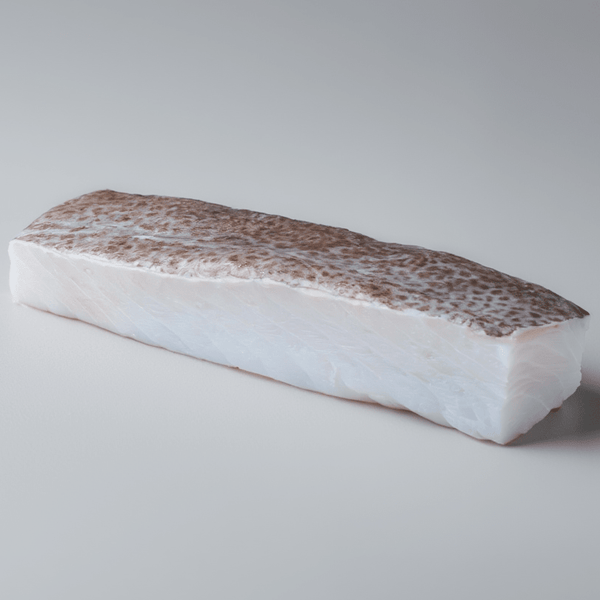
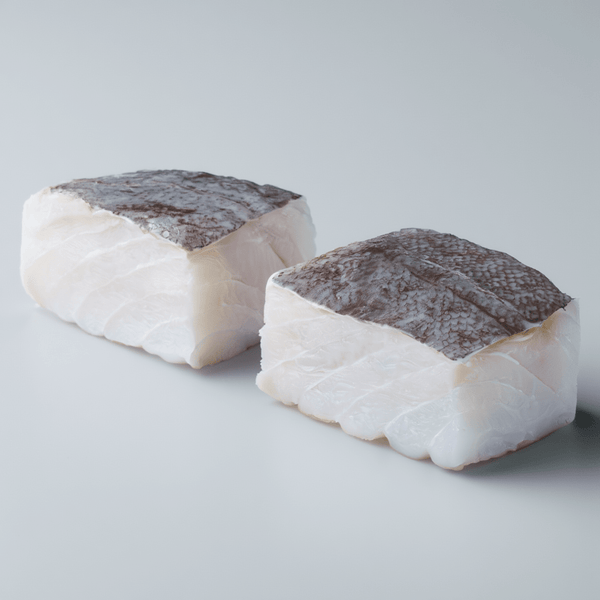
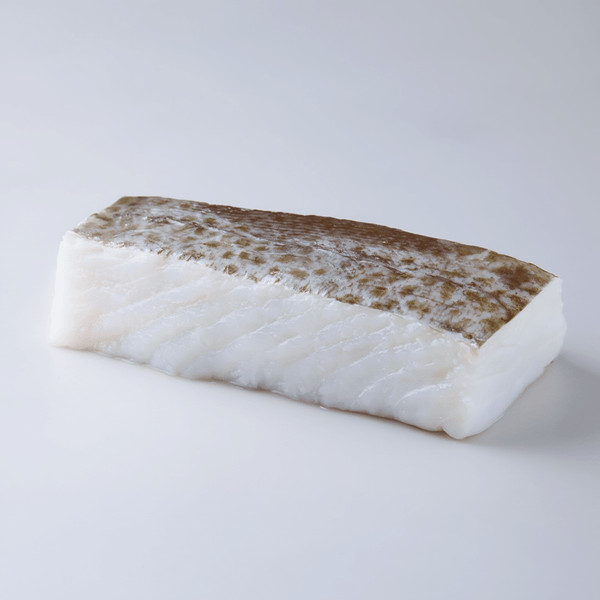
- 4 desalted cod loins of 180-200 g with skin
- 8-10 dried choricero peppers (or 4 tablespoons of preserved choricero pulp)
- 2 large onions, diced
- 4 cloves of garlic, sliced
- 150 ml of extra virgin olive oil
- Flour for dusting (2-3 tablespoons)
- Fresh parsley
- Salt (carefully: the cod already adds saltiness) and pepper
Related Cod Products


Step-by-step preparation
1. Prepare the choricero peppers (30 minutes soaking)
Open the peppers, remove seeds and stem. Soak them in hot water for 30 minutes. Scrape the flesh with a spoon. Reserve the pulp and the soaking water (you will use it if you need to thin the sauce).

2. Sear the cod (4-5 minutes)
Pat the loins dry with paper towels. Lightly dust the flesh side with flour (not the skin side). In a pan with hot oil, sear the loins for 2 minutes on each side until golden. Set aside on a plate. Do not aim for full cooking: just an outer sear.
3. Make the sauce (20 minutes)
In the same pan (or a casserole), with the oil from searing, add the onion and garlic. Cook over medium-low heat for 10-12 minutes until the onion is soft. Add the choricero pepper pulp and mix well. Cook for 5 more minutes. If the sauce is too thick, add a little of the pepper soaking water.
4. Cook the cod in the sauce (12-15 minutes)
Place the reserved cod loins over the sauce, skin side up. Reduce the heat to low, cover, and cook for 12-15 minutes. The gelatin from the cod will release and emulsify with the sauce. Gently rock the casserole (do not stir with a spoon) every 3-4 minutes to help thicken.
5. Rest and serve
Remove from heat, sprinkle with parsley, and let rest covered for 5 minutes. Serve the loins with a generous amount of sauce over and around them.
Tips for a perfect Riojana
- Quality choricero peppers: the sauce is 100% dependent on the peppers. If you use good quality choricero peppers (fleshy, without mold), the sauce will be spectacular. If the peppers are old or poor, the sauce will be bland.
- Flour only the flesh: the skin is not floured. The flour seals the flesh and then helps to slightly thicken the sauce.
- Rocking the pot: as in pil-pil, the circular motion of the pot helps to emulsify the cod gelatin with the oil and sauce.
- Do not salt the sauce: the cod already adds saltiness. Taste at the end and only add salt if absolutely necessary.
- Mandatory resting: the sauce settles and thickens during the 5 minutes of resting. This is when the dish reaches its optimal point.
Variations of Cod Rioja Style
Riojana with potatoes
Add "patatas cascadas" (potatoes broken by hand) to the sauce before the cod. Cook them for 15-20 minutes in the sauce before adding the loins. The starch from the potatoes thickens the sauce and creates a heartier dish.

Riojana with artichokes
In season (November-April), add quartered artichoke hearts. They are cooked together with the onion and provide an elegant bitterness that pairs very well with the sweetness of the choricero.
Riojana with egg
Some Riojan chefs add a poached egg on top of each loin just before serving. The runny yolk mixes with the sauce, creating an irresistible texture.
Riojana vs. Vizcaína: the differences
These are the two great cod dishes with pepper sauce from northern Spain, but they have important differences:

- The pepper: Riojana uses choricero pepper (dried, sweet, smoky). Vizcaína uses choricero pepper + ñora and never tomato.
- The sauce texture: Riojana has more texture, with visible pieces of onion and pepper. Vizcaína is more homogeneous, passed through a food mill or blended.
- The tomato: authentic Vizcaína does NOT contain tomato (it's a widespread myth). Riojana may include a little tomato in some versions.
- Cod cooking: in Riojana, the cod is seared first and then finished in the sauce. In Vizcaína, it is cooked directly in the sauce from the beginning.
How to serve and pair
- Bread: essential for dipping in the sauce. Rustic country bread or Galician baguette.
- Rioja wine: the natural pairing. A Crianza or Reserva Tempranillo has the structure to accompany the intensity of the choricero sauce. If you prefer white, a barrel-fermented Viura.
- Side dish: the dish doesn't need a side dish, but a simple green salad (lettuce, spring onion) as a fresh counterpoint works well.
Nutritional information
- Calories: 340-390 kcal per serving
- Protein: 26-30 g from cod
- Fats: 22-26 g from olive oil
- Carbohydrates: 8-12 g from vegetables
- Vitamin A: high contribution from choricero peppers
Storage and reheating
Cod Rioja style is a dish that lends itself particularly well to family meals and celebrations. It can be prepared in large quantities without losing quality, the presentation in an earthenware casserole is eye-catching and spectacular, and the combination of the intense red of the choricero sauce with the white of the cod is very visually appealing. In La Rioja, it is common to serve it as the star dish for Christmas Eve dinners, Holy Week meals, and weddings.

Cod Rioja style keeps well in the refrigerator for 3-4 days. The choricero pepper sauce even improves the next day, gaining depth and concentration. Reheat over very low heat in the casserole, covered, for 10 minutes. If the sauce has thickened too much, add a tablespoon of the reserved pepper soaking water. Reheated cod remains just as juicy if the heat is low. This dish also works well prepared in advance for dinners or celebrations: make the sauce the day before, store it in the refrigerator, and cook the cod in the sauce just before serving.
The culture of choricero peppers in La Rioja
The choricero pepper is a sacred ingredient in Riojan cuisine. It is cultivated in the orchards of the Ebro River basin, dried in the sun hung in strings on balconies, and preserved throughout the year for use in dishes such as cod Rioja style, Rioja style potatoes, Anguiano beans, and, of course, Riojan chorizo (from which it takes its name). A string of choricero peppers drying in the sun is one of the most iconic images of rural La Rioja. During harvest season (September-October), Riojan towns celebrate pepper festivals and gastronomic competitions where cod Rioja style always plays a prominent role.
Conclusions
- What is Cod Rioja Style?: Cod Rioja Style is one of the great dishes of traditional La Rioja cuisine.
- The choricero pepper: the soul of the dish: The choricero pepper is a dried (non-spicy) pepper typical of northern Spain, especially La Rioja, the Basque Country, and Navarre.
- Ingredients for 4 people: Open the peppers, remove seeds and stem.
- Tips for a perfect Riojana: Add "patatas cascadas" (potatoes broken by hand) to the sauce before the cod.
- How to serve and pair: Cod Rioja style is a dish that lends itself particularly well to family meals and celebrations.
Frequently asked questions
What are choricero peppers?
They are dried (non-spicy) peppers typical of northern Spain, with a sweet and slightly smoky flavor. They are soaked in hot water for 30 minutes, and the inner pulp is scraped out with a spoon. They are essential in Riojan, Basque, and Navarrese cuisine.
Where can I buy choricero peppers?
In markets, grocery stores, and online shops. The already prepared pulp is also sold preserved (in jars), which is more convenient. Look for Riojan or Basque brands for better quality. It consists of desalted cod loins slowly cooked in a sauce made with choricero peppers, onion, garlic, and olive oil.
Can it be made without choricero peppers?
You can substitute them with ñoras (similar flavor) or with piquillo peppers + a teaspoon of sweet paprika from La Vera. It won't be an authentic Riojana, but the result will be good. It consists of desalted cod loins slowly cooked in a sauce made with choricero peppers, onion, garlic, and olive oil.
What is the difference between Riojana and Vizcaína?
Riojana has more texture in the sauce and may include tomato. Vizcaína has a more homogeneous sauce and never includes tomato. Both use choricero peppers. Riojana vs. Vizcaína: the differences These are the two great cod dishes with pepper sauce from northern Spain, but they have important differences: The pepper: Riojana uses choricero pepper (dried, sweet, smoked).
Which cut of cod should I use for Riojana?
Loin with skin is the ideal piece: thick, juicy, and the skin provides gelatin that helps bind the sauce. The penca also works well. It is grown in the orchards of the Ebro River Ribera, dried in the sun, hanging in strings on balconies, and preserved throughout the year to be used in dishes such as bacalao a la riojana, patatas a la riojana, Anguiano beans, and, of course, Riojan chorizo (from which it takes its name).