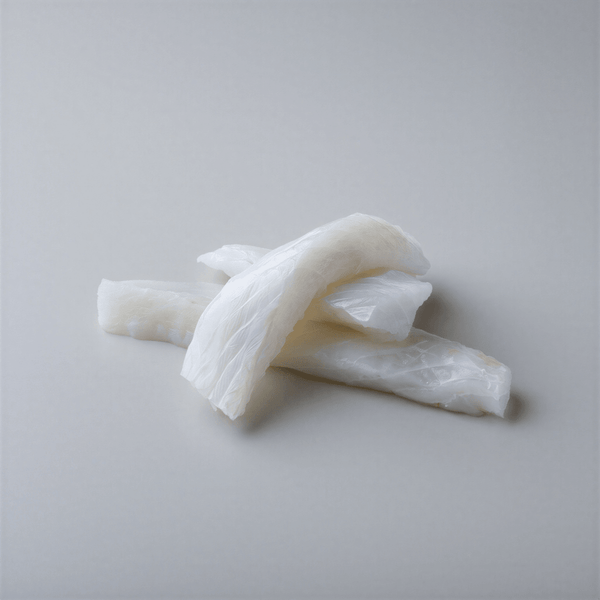
Summary
Each autonomous community has its own Holy Week dishes. Some are shared, others are exclusive to one area. In this guide: The Holy Week dishes that define each corner of Spain, Andalusia: the most intense Holy Week, also at the table, Castile and León: the stew as its flag.
The Holy Week dishes that define each corner of Spain
Each autonomous community has its own Holy Week dishes. Some are shared, others are exclusive to one area. This guide brings together the most representative, organized by community, so you can discover new traditions or prepare that dish that reminds you of home.
We have divided the dishes into savory (starters and main courses) and sweet (desserts), because both categories are equally important at the Holy Week table.
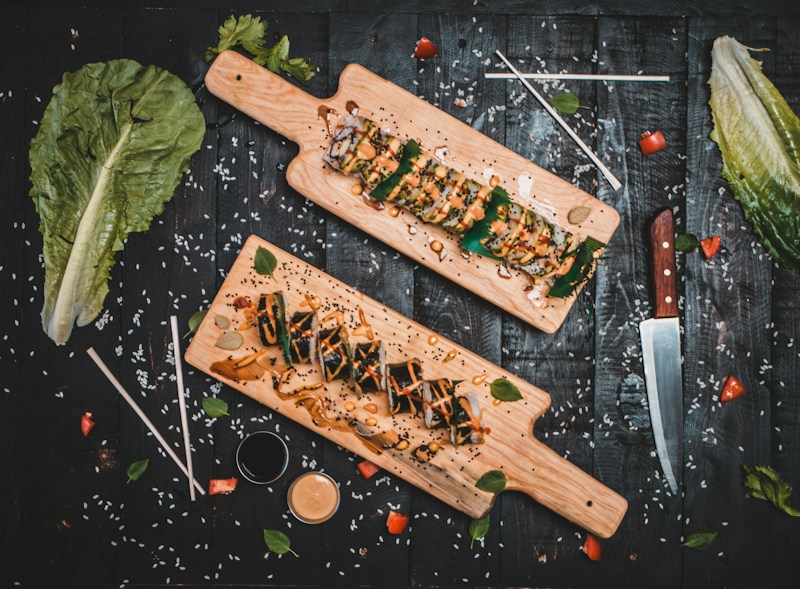
Andalusia: the most intense Holy Week, also at the table
Savory dishes:
- Chickpea stew with cod and spinach: Andalusian version of the Lenten stew, sometimes with a more elaborate sofrito with cumin.
- Cod with tomato: fried cod loins then stewed in tomato sauce with green pepper. A Cordovan dish par excellence.
- Tagarninas esparragadas: wild cardoons (tagarninas) cooked with garlic, fried bread, and paprika. A humble and tasty dish, difficult to find outside Andalusia.
- Cazón en adobo: fish marinated in vinegar, garlic, cumin, and paprika, battered and fried. Typical of Cadiz.
Sweets:
- Pestiños: thin fried dough bathed in honey or sugar. There are some with sesame seeds, with aniseed, or just with honey.
- Wine torrijas: soaked in sweet wine (Muscat or Pedro Ximénez) and bathed in honey.
- Borrachuelos: fried empanadas filled with angel hair squash jam, bathed in syrup. Typical of Malaga.
Castile and León: the stew as its flag
Savory dishes:
- Lenten stew: chickpeas, spinach, cod, hard-boiled egg, and a garlic sofrito with paprika. The Castilian version is the most widespread in Spain.
- Soldaditos de Pavía: strips of cod battered in a saffron mixture and fried. Saffron gives an intense yellow color. A Madrid name, but the dish is Castilian.
- Castilian garlic soup: stale bread, garlic, paprika, broth, and a poached egg. A Lenten dish par excellence in the plateau.
Sweets:
- Milk torrijas: the classic version with infused milk, coated in sugar and cinnamon.
- Flores manchegas / Roscos fritos: fried dough in the shape of a flower, sprinkled with sugar. Made with a special mold.
- Hornazos: enriched bread dough with eggs and oil, sometimes with cured meats. The Salamanca hornazo contains loin, chorizo, and hard-boiled egg inside. It is eaten on Easter Monday.
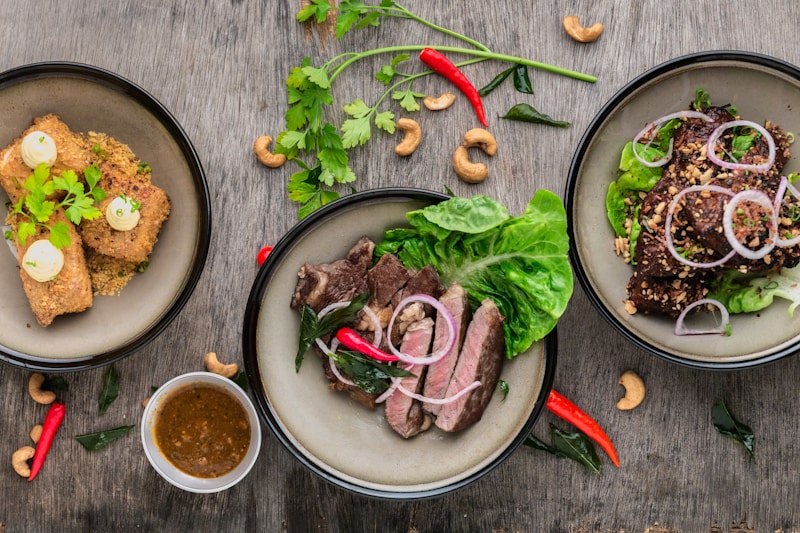
Basque Country: cod elevated to art
Savory dishes:
- Bacalao al pil pil: the quintessential Basque dish. Icelandic cod loins confited in oil with garlic. The emulsion of the cod's gelatin with the oil creates the pil pil sauce.
- Bacalao a la vizcaína: cod loins in choricero pepper sauce. The sauce is made with the pulp of rehydrated dried peppers, onion, and garlic. Intense red color, deep flavor.
- Bacalao al Club Ranero: with green peppers and tomato sauce. A classic Bilbao recipe.
Sweets:
- Leche frita: thick custard, cut into rectangles, battered and fried. Crispy exterior, creamy interior.
- Pantxineta: puff pastry filled with cream and topped with sliced almonds.
Catalonia: bacallà a la llauna and Mona de Pascua
Savory dishes:
- Bacallà a la llauna: cod baked in a tin tray (llauna) with garlic, parsley, paprika, and oil. Simple and direct.
- Bacallà amb samfaina: cod with Catalan ratatouille (eggplant, zucchini, pepper, tomato, and onion).
- Bacallà esqueixat: cold salad of raw shredded cod (desalted) with tomato, pepper, onion, and black olives.
Sweets:
- Mona de Pascua: sponge cake decorated with chocolate eggs. The godfather gives it to the godchild on Easter Sunday. A deeply rooted tradition in Catalonia.
- Bunyetes: thin and crispy fritters sprinkled with sugar. Served during Lent.
- Coca de llardons: sweet coca with pork cracklings (llardons) and pine nuts. It is consumed before the Lenten abstinence and reappears at Easter.
Galicia, Asturias, and Cantabria: sea and spoon
Galicia:
- Empanada de bacalao: thin dough filled with shredded cod, poached onion, pepper, and tomato. Galician empanada is a world unto itself.
- Pulpo á feira: boiled octopus, sliced and seasoned with oil, paprika, and coarse salt. Not exclusive to Holy Week, but it features on many tables.
- Filloas: thin crêpes, sweet (with honey or sugar) or savory (with broth). A Carnival tradition that extends to Lent.
Asturias:
- Fabada de vigilia: fabes (butter beans) with cod and clams instead of chorizo and blood sausage. Same heartiness, Lenten spirit.
Cantabria:
- Cantabrian Anchovies: the salted anchovies from Santoña and Laredo are a cult product. During Holy Week, they are consumed as an appetizer, in sandwiches or on toast.
- Corbatas de Unquera: thin puff pastry in the shape of a bow tie, glazed with sugar. A sweet shared between Cantabria and Asturias.
Levante, Aragon, and Islands: rice, fritters, and monas
Valencian Community:
- Olleta de Cuaresma: Valencian stew of chickpeas, white beans, spinach, and cod. The local version of the Lenten stew.
- Buñuelos de calabaza: fried pumpkin dough, fluffy and sweet. Essential during Fallas and Holy Week.
- Mona de Pascua valenciana: similar to the Catalan one but with local variations.
Aragon:
- Bacalao ajoarriero: shredded cod stewed with tomato, pepper, garlic, and egg. A potent Zaragoza dish.
- Crespillos de borraja: borage leaves battered and fried, sprinkled with sugar. An unusual and addictive sweet-savory treat.
- Almojábanas: fresh cheese and aniseed rings, baked. An Aragonese Lenten sweet.
Balearic Islands:
- Panades: small pies filled with fish, peas, and vegetables. A Lenten version of the Mallorcan panadó.
- Robiols: sweet pastries filled with fresh cheese or angel hair squash jam.
Canary Islands:
- Sancocho canario: salted fish (cherne or cod) cooked with wrinkled potatoes, sweet potato, and mojo picón. A Good Friday dish.
- Truchas de batata: sweet potato pastries. A Christmas dessert that reappears during Holy Week.
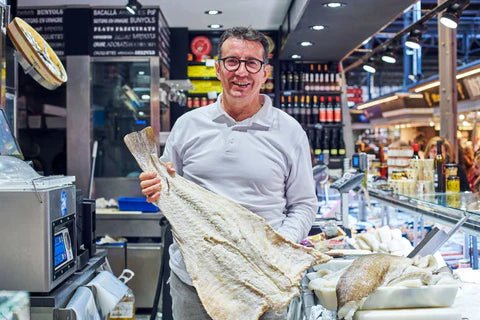
Premium Seafood Products — Bacalalo
Since 1990, selecting the best from the sea at Mercat del Ninot, Barcelona. Refrigerated shipping 24-48h.
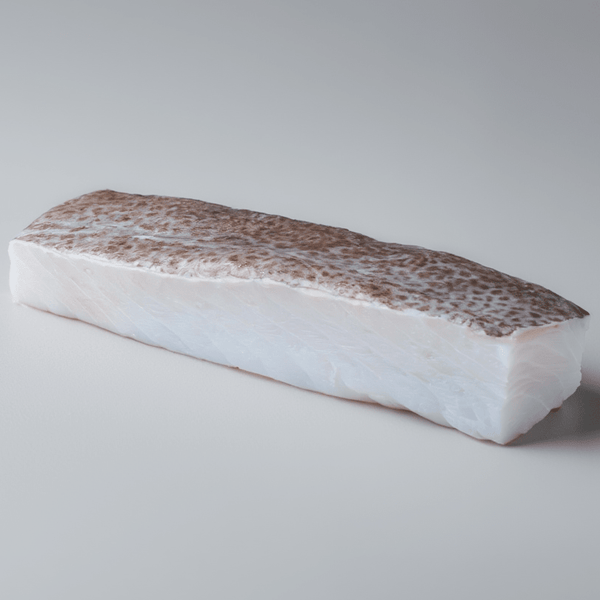
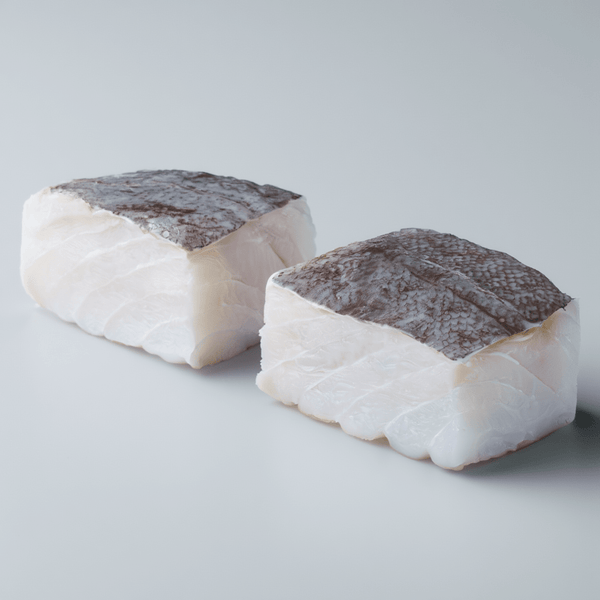
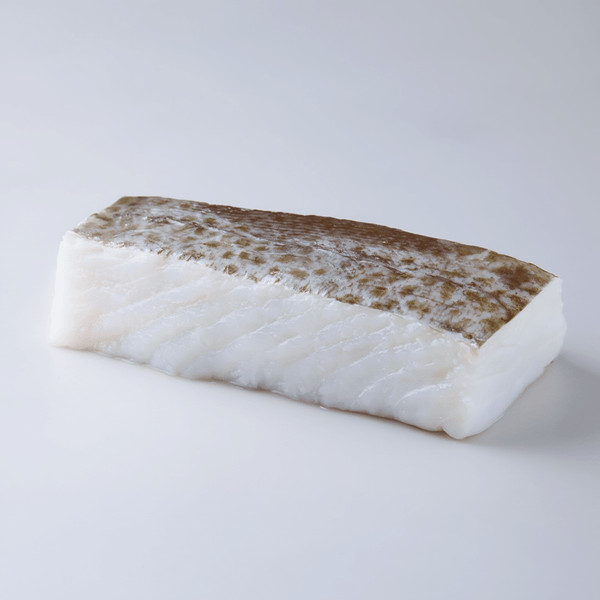
View Icelandic cod →Frequently Asked Questions
What is the most typical Holy Week dish in all of Spain?
The Lenten stew (chickpeas, spinach, and cod) and torrijas (French toast). These are the two dishes eaten in practically all communities, with local variations.
Why does each region have different dishes?
Because the religious rule (not eating meat) was the same, but the available ingredients varied by area. Coastal regions used fresh fish; the interior depended on salted cod. Sweets made use of local products: pumpkin in Valencia, borage in Aragon, milk in the north.
What are the most popular Holy Week desserts?
Torrijas (all of Spain), pestiños (south), wind and pumpkin fritters (center and Levante), filloas (Galicia), leche frita (north), Monas de Pascua (Catalonia and Valencia), and fried flowers (Castilla-La Mancha).
Where to buy quality cod for Holy Week?
On bacalalo.com you can buy premium Icelandic cod with shipping to all of Spain in 24-48 hours. It's the same cod we've been serving since 1990 at our stall in the Mercat del Ninot in Barcelona.
Discover more