Summary: Potaje de vigilia is one of the most historically rich dishes in Spanish cuisine. It originated as an alternative to eating meat during the days of abstinence in Lent and Holy Week, and what began as a religious obligation eventually became one of the most celebrated and anticipated stews on the gastronomic calendar. Today, many families prepare it all year round because it is simply an extraordinary dish.
The combination of creamy chickpeas, tender spinach, and flaked cod forms a symphony of textures and flavors that is unparalleled. The cod provides that characteristic salty depth that permeates the entire broth, while the chickpeas absorb all these nuances, and the spinach adds freshness and a green touch that contrasts with the stew's heartiness.
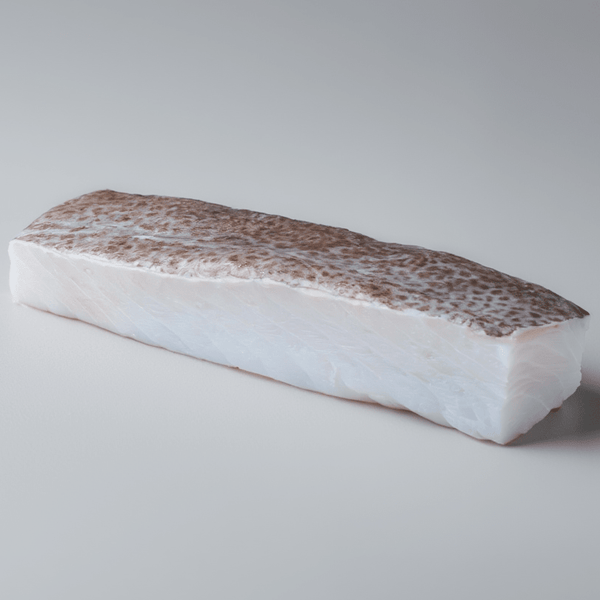
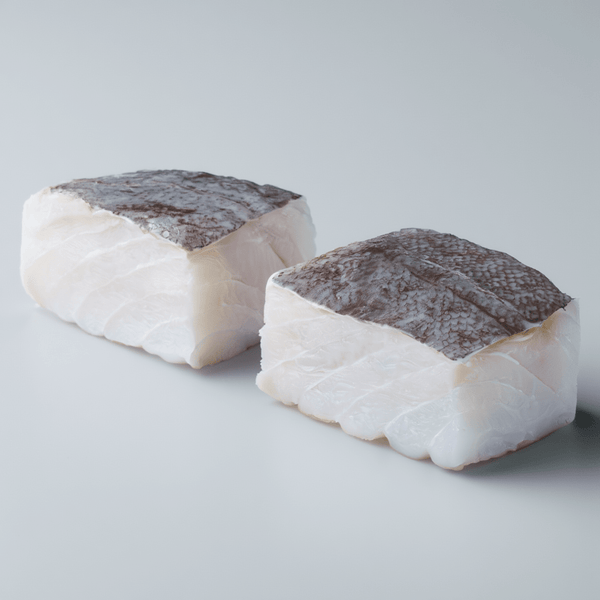
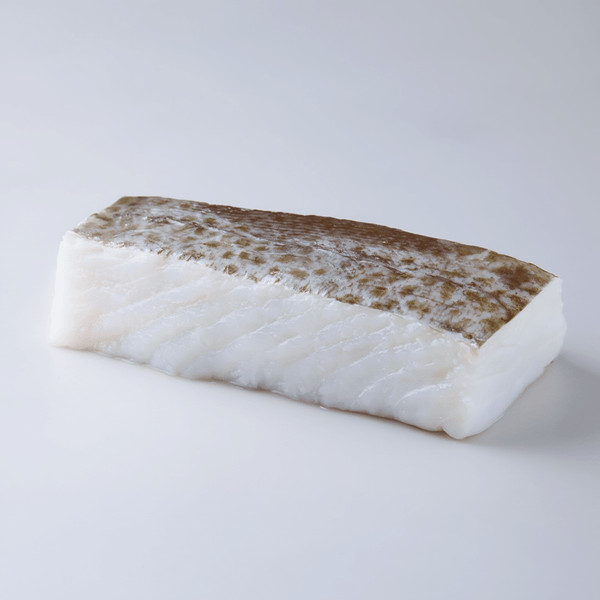
At Bacalalo, since 1990, we have been selecting the best cod in Mercat del Ninot in Barcelona for this and other traditional dishes. We know that for a true potaje de vigilia that honors the recipe, the cod must be top quality: Gadus morhua from cold northern waters, with that flaky texture and deep sea flavor that only the best fish provides. We will show you how to prepare it just as it has always been made in Spanish homes.
Contents
Ingredients for 6 servings
For the stew:- 400 g dried chickpeas (soaked overnight) or 800 g canned cooked chickpeas
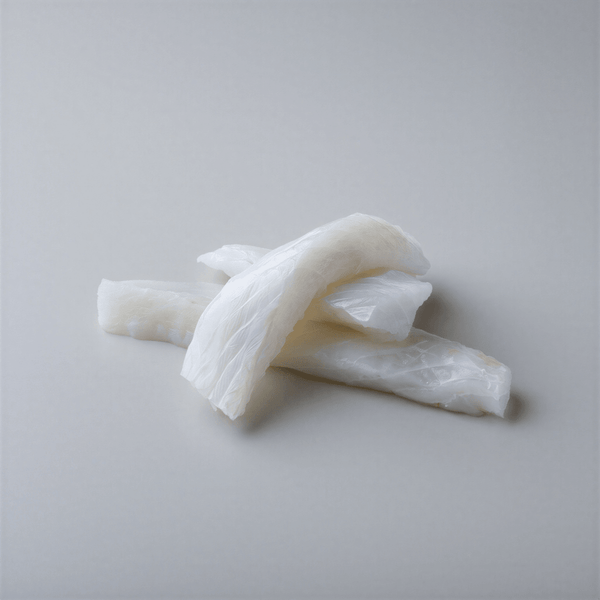
- 600 g desalted cod flakes or loins (or 750 g salted cod)
- 400 g fresh spinach (or 200 g frozen spinach)
- 2 medium onions
- 4 cloves garlic
- 2 ripe tomatoes (or 200 g canned crushed tomatoes)
- 1 green pepper
- 1.5 liters water or light vegetable broth
- 1 bay leaf
- 1 teaspoon sweet paprika
- 1/2 teaspoon ground cumin
- Salt (in moderation, cod already adds salt)
- 5 tablespoons extra virgin olive oil
- Fresh parsley
- 2 cloves garlic
- A handful of fresh parsley
- 1 tablespoon olive oil
- Pinch of saffron threads (optional but highly recommended)
- 2 hard-boiled eggs cut into quarters
Step-by-Step Preparation
Step 1: Soak the Chickpeas (the night before)
If you use dried chickpeas, which is ideal for a truly hearty potaje de vigilia, you need to hydrate them the night before. Cover them with plenty of water (they will triple in volume) and add a teaspoon of baking soda or coarse salt to soften the skin. Soak for a minimum of 10-12 hours.
If you opt for canned chickpeas to save time, drain them and rinse thoroughly with cold water. The final result will be decent, though it won't achieve the creaminess of chickpeas cooked from dry.
Step 2: Desalt the Cod
If using salted cod, submerge it in cold water and change the water every 8-12 hours for 36-48 hours in the refrigerator. For potaje de vigilia, cod flakes are perfect because they integrate better into the stew. If starting with loins, flake them after desalting, removing skin and bones.
You can skip this step by directly purchasing Bacalalo's desalted cod flakes, which are already perfectly hydrated and ready to add to the stew.
Step 3: Cook the Chickpeas
Place the soaked chickpeas in a large pot with plenty of cold water. Add the bay leaf and bring to a boil. Once boiling, reduce the heat to medium-low and cook for 60-90 minutes until tender but not mushy. The time varies greatly depending on the variety and age of the chickpeas.
An important tip: never add cod or salt to the chickpea cooking water. Salt hardens the skin, making the chickpeas chewy. Always season at the end.
Step 4: Prepare the Base Sofrito
In a large, wide casserole, heat the olive oil over medium heat. Sauté the finely chopped onion for 8-10 minutes until translucent and beginning to turn golden. Add the minced garlic and chopped green pepper. Sauté for another 3 minutes.
Stir in the grated or crushed tomatoes, sweet paprika, and cumin. Let the sofrito reduce over medium-low heat for another 8-10 minutes, stirring occasionally. A well-made sofrito is the backbone of this stew.
Step 5: Incorporate the Chickpeas
Add the cooked and drained chickpeas to the sofrito. Stir to ensure they are well coated. Pour in the chickpea cooking broth (or water if using canned chickpeas) until everything is generously covered, approximately 1-1.5 liters. Simmer gently for 15 minutes to allow the flavors to begin to meld.
Step 6: Add the Cod
Add the desalted cod flakes to the stew. If they are fine flakes, 10 minutes over low heat is enough. If they are larger pieces, allow 15 minutes. Cod does not need a lot of cooking; what it needs is enough time to release its juices and season the entire broth.
Step 7: Add the Spinach
When the cod is almost done, add the washed fresh spinach. Fresh spinach will only need 5 minutes of cooking over low heat. If using frozen spinach (already thawed and well drained), add it along with the cod.
Step 8: The Final "Majado" (Pestle & Mortar Paste)
In a mortar, crush two raw garlic cloves with fresh parsley and saffron until a paste is formed. Add a tablespoon of olive oil to bind. Incorporate this paste into the stew during the last 5 minutes of cooking. This step is the secret to stews with character: the raw garlic paste provides a freshness and depth that no other ingredient can.
Carefully adjust the salt, remembering that the cod naturally seasons the broth.
Expert Tips
It tastes better the next day. Potaje de vigilia, like all legume stews, improves greatly overnight. If you can make it the day before, the flavor will be more rounded, and the chickpeas will have absorbed all the nuances of the broth.
The cod-to-chickpea ratio is key. Some stews have too many chickpeas and too little cod, resulting in a bland dish. For 400g of dried chickpeas (which become about 800g cooked), 600g of desalted cod is the ideal ratio.
Never overcook the cod. Cod added to the stew is technically cooked after 10-15 minutes in the broth. If you overcook it, the flakes will disintegrate into fibers, and it will lose all its texture. Always add it at the end.
Saffron paste is not optional in the traditional version. In many modern recipes, saffron is omitted to save money, but in authentic potaje de vigilia, saffron is part of the dish's identity. A few threads toasted dry and then crushed transform the color and aroma of the broth.
Hard-boiled eggs are the classic finishing touch. In many family traditions, potaje de vigilia is served with a hard-boiled egg cut into quarters on each plate. It's not just decorative: the yolk mixes with the broth and gives it a spectacular creaminess.
Related Bacalalo Products


Recommended Products

Natural Cod Foie Gras - 120g | Smoked Cod Liver...
€3.90

CHATKA Wild King Crab 60% Legs 40% Flaked Meat...
€95.00

Smoked Cod Carpaccio Artisan Cut | 1 Tray Pack
€15.90

Dried Cod Cheeks (1 tray) - 500g
€19.95
Refrigerated shipping 24-48h throughout the Peninsula
Recipe Variations
Madrid-style potaje de vigilia. The most classic Madrid version includes cod, chickpeas, spinach, and hard-boiled egg, but also adds a couple of medium potatoes cooked in the stew, which gives it more body and makes the dish heartier.
Cod stew with Swiss chard. In some areas of Castile and Aragon, spinach is replaced with chopped fresh Swiss chard. Swiss chard has a more intense and earthy flavor that complements the cod and chickpeas very well.
Light version without sofrito. For a lighter and more digestible version, the tomato sofrito can be omitted, making a more "natural" stew with only garlic, bay leaf, and spinach. The result is more delicate but equally flavorful.
What to Pair With It
- Country bread or rustic bread for dipping in the broth
- Young red wine: an entry-level Rioja or Ribera del Duero
- Also pairs very well with a full-bodied white wine like a Godello
- Piquillo peppers in oil as a side dish
- Hard-boiled egg in quarters on top of the dish, as tradition dictates
Why Cod Quality Matters
In potaje de vigilia, cod fulfills a dual function: on one hand, it provides its own texture and flavor, and on the other, it salts and perfumes the entire broth during cooking. Second-quality cod, with excessive artificial salt or low-quality fish, ruins the entire broth. In contrast, well-cured and properly desalted Gadus morhua cod transforms the stew into something truly memorable.
At Bacalalo, we have been hand-selecting each piece for over 30 years at Mercat del Ninot. Our desalted cod flakes are perfect for potaje de vigilia: they already have the ideal salt point and are ready to incorporate into the stew. For those who prefer to control the desalting process, we also offer top-quality salted cod.
Frequently Asked Questions about Potaje de Vigilia
When is potaje de vigilia eaten?
Traditionally, it is prepared during Lent and especially during Holy Week, on days of meat abstinence according to Catholic tradition. However, it is so good that today it is eaten all year round, especially in autumn and winter.
Can potaje de vigilia be made with canned chickpeas?
Yes, it's a valid option that saves time. Quality canned chickpeas give good results, although the final texture is slightly less creamy than that of chickpeas cooked from dry. If using canned, add them when the sofrito is ready and let them absorb the broth for 20 minutes before adding the cod.
How much cod should be used in potaje de vigilia?
For 6 people, 600 g of desalted cod (which is equivalent to about 750 g of salted cod before desalting) is the correct amount. Some add less to make it more of a chickpea stew, but the generous proportion of cod is what makes the broth truly flavorful.
Can frozen spinach be used?
Yes, frozen spinach works perfectly in this stew. Thaw it beforehand and squeeze it well to remove excess water before adding it to the stew. If you add it directly from the freezer, the broth will become watery.
How do you know when the chickpeas are done?
The chickpea should be tender when pressed with your fingers, with no hardness in the center, but it should not fall apart. The skin should be thin and imperceptible in the mouth. If they are still a bit firm, add hot water and continue cooking. Never add cold water halfway through cooking, or the chickpeas will harden.
How thick should potaje de vigilia be?
Potaje de vigilia should have a stew-like consistency: neither too watery like a soup, nor so thick that it becomes a paste. To thicken it naturally, mash a few chickpeas with the back of a spoon and return them to the broth. To thin it, add a little more broth or hot water.
Can potaje de vigilia be frozen?
Yes, potaje de vigilia freezes very well. Legumes change texture slightly when thawed (they become a bit more floury) but the flavor is perfectly preserved. Freeze it without the spinach and add it fresh when reheating.
Why is my potaje bland?
There can be several reasons: cod with little flavor (low quality or poorly desalted), a sofrito that hasn't been cooked long enough, or lack of the final "majado" (paste). Try adding the garlic, parsley, and saffron majado we suggest in the recipe: it makes a huge difference.
Can potaje de vigilia be made without cod?
There are vegetarian versions with chickpeas, spinach, and hard-boiled egg that are delicious, but technically they are no longer the traditional potaje de vigilia. Cod is the defining element of this dish.
Is potaje de vigilia healthy?
It is one of the most complete and balanced dishes in traditional Spanish cuisine. It provides complete protein from cod, complex carbohydrates and fiber from chickpeas, iron and folate from spinach, and healthy fats from olive oil. It is low in calories for the level of satiety it provides.
How long does potaje de vigilia keep in the refrigerator?
Well-covered in the refrigerator, it will keep perfectly for 3-4 days. When reheating, if it has thickened too much, add a little water or broth. In fact, many traditional cooks consider potaje de vigilia to be at its peak on the second or third day.
What is the difference between potaje de vigilia and cocido?
Spanish cocido contains meat (chicken, pork, beef) and cured sausages, while potaje de vigilia is a Lenten stew without meat, with cod instead. Both share a base of chickpeas and vegetables, but potaje is by definition a dish for days of abstinence.
Conclusion
Potaje de vigilia with cod is much more than a Holy Week recipe: it is a dish that summarizes centuries of popular Spanish cuisine, of ingenuity to make the best with humble ingredients, and of respect for traditions. Prepare it with time, using good quality cod and chickpeas, and you will understand why this stew remains one of the most beloved in our recipe book.
At Bacalalo, we await you at the Mercat del Ninot in Barcelona with the Gadus morhua cod your potaje deserves. Visit our online store or come and see us in person: since 1990 we have prepared thousands of recipes and are always happy to recommend the cut or desalting point that best suits each dish.
Discover more