Summary: Pairing wine with canned fish doesn't follow exactly the same rules as pairing with fresh fish. Canned goods have additional nuances that completely change the equation: olive oil, salt, pickling brine, smoking. Each preservation process transforms the original flavor...
Contents
- Why pairing with canned fish is different
- General rules for pairing with canned goods
- Cantabrian Anchovies: The star pairing
- Sardines: Character that calls for character
- Pickled Mussels: The acidity game
- Bonito del Norte (White Tuna): Discreet elegance
- Vermouth and other drinks: Beyond wine
- Summary table: What to drink with each canned good
- Frequently asked questions about wine pairing with canned goods
- Frequently asked questions
- Conclusion
Why pairing with canned fish is different
Pairing wine with canned fish doesn't follow exactly the same rules as pairing with fresh fish. Canned goods have additional nuances that completely change the equation: olive oil, salt, pickling brine, smoking. Each preservation process transforms the original flavor of the fish and demands a different approach when choosing a drink.
At Mercat del Ninot in Barcelona, we have been helping our customers combine the best seafood products with the right drinks for over 30 years. And the truth is, canned goods offer much broader pairing possibilities than most people think: from dry whites to light reds, cavas, vermouths, and even craft beers.
In this practical guide, we give you proven combinations that work, general rules for not making mistakes, and exceptions worth knowing about.
General rules for pairing with canned goods
Before diving into specific combinations, there are principles that apply to any canned good:
1. Acidity balances fat
Canned goods in olive oil have a significant fatty component. A wine with good acidity cuts through that fat and cleanses the palate between bites. That's why whites with marked acidity (Albariño, Riesling, Chablis) work so well.
2. Bubbles cleanse the palate
Cava, Champagne, and Prosecco are almost universal options for canned goods. CO2 has a similar effect to acidity: it refreshes the palate and prepares the mouth for the next bite.
3. Tannins clash with salt and fish
Reds with high tannins (Cabernet Sauvignon, young Monastrell) can produce a metallic aftertaste when combined with salted or oiled fish. If you want a red, choose those with soft tannins and low extraction.
4. Intensity should be proportional
Mild canned goods (white tuna, cockles) call for mild wines. Intense canned goods (anchovies, pickled sardines) can handle wines with more character. If the wine overwhelms the product or vice versa, the pairing fails.
5. Territory rules
Products from a region usually combine naturally with wines from the same area. Galician sardines with Albariño, Cantabrian anchovies with txakoli, mussels with Godello. It's no coincidence: regional cuisines have evolved together for centuries.
Cantabrian Anchovies: The star pairing
Cantabrian Anchovies Selección Gourmet are one of the most complex products to pair because they combine intense saltiness, umami, olive oil fat, and a hint of curing. They need a wine that can stand up to them without overpowering them.
Best options
- Cava brut nature: Our favorite combination. The acidity and bubbles balance the salt and fat. A vintage cava with long aging has the complexity to match premium anchovies. This is the pairing we recommend first and foremost to all our customers.
- Champagne blanc de blancs: If you want to go up a notch. The minerality of Champagne Chardonnay with anchovies is a next-level experience.
- Manzanilla de Sanlúcar: The classic Andalusian pairing. Fino and Manzanilla sherries have their own saline notes that create a fascinating dialogue with anchovies. Serve very cold.
- Txakoli: Slightly sparkling, acidic, with an Atlantic character. Cantabrian anchovy with txakoli is the traditional pairing in the Basque Country.
Alternative options
- Red vermouth: In Barcelona, the anchovy appetizer with vermouth is an institution. The sweetness and herbs of the vermouth balance the anchovy's saltiness. With ice and an olive.
- Pilsner beer: For those who prefer beer. Light, bubbly, without excessive bitterness.
Related Bacalalo Products

Sardines: Character that calls for character
Dardo sardines in olive oil have a powerful, direct flavor with personality. They are not a subtle product, and the wine accompanying them should not be either.
Full-bodied whites
- Albariño: The classic Galician pairing. The acidity and white fruit notes of Albariño balance the intensity of the sardine. Sardines in oil on crystal bread with a well-chilled Albariño: simple perfection.
- Godello: More body and less acidity than Albariño. Works especially well with sardines in extra virgin olive oil, where the oil is the star.
- Aged Verdejo: A barrel-fermented Rueda has the structure to withstand the character of a sardine without yielding.
Light reds (yes, it works)
- Young Mencía: The red that works best with canned fish. Low tannin, red fruit, Atlantic freshness. With sardines in oil, it's a surprising combination.
- Light Pinot Noir: A village Burgundy or a cold-climate Pinot Noir. Delicate fruit, imperceptible tannin, high acidity.
Pickled Mussels: The acidity game
Pickled mussels add vinegar and pickling spices to the puzzle. This changes the rules: you need a wine that can coexist with the acidity without the result being too aggressive.
Best combinations
- Garnacha Rosé: With medium body and strawberry notes, rosé is perhaps the most versatile option for escabeches. The fruit softens the vinegar's acidity and the wine's color visually harmonizes with the escabeche's orange hue.
- Young Red (Garnacha or Tempranillo): This is where reds truly shine with canned goods. The escabeche has the flavor intensity to support a light red without the metallic aftertaste appearing.
- Young Verdejo: Fresh, with herbaceous notes that complement the escabeche's spices. A very gastronomic option.
- Fino or Amontillado Sherry: Sherries work exceptionally well with escabeches. Amontillado, with its nutty notes and controlled oxidation, is perhaps the most sophisticated pairing in this entire guide.
Bonito del Norte (White Tuna): Discreet elegance
Bonito del Norte in olive oil is the mildest and most elegant canned good. White loins, firm texture, delicate flavor. It calls for wines that accompany it without overpowering it.
- Unoaked Chardonnay: Clean, with white fruit and moderate acidity. Let the Bonito be the star.
- Young Albariño: The simplest version of Albariño, unoaked, fresh, and direct.
- Cava brut: Bubbles, acidity, versatility. Works with Bonito as it works with almost everything.
- Provençal Rosé: Pale, subtle, with grapefruit notes. A perfect summer pairing.
Vermouth and other drinks: Beyond wine
Not everything has to be wine. These alternatives work exceptionally well with canned goods:
Vermouth
Vermouth is the classic accompaniment to canned goods in Mediterranean appetizer culture. In Barcelona, there's nothing more canonical than anchovies or olives with a red vermouth with ice and orange.
- Red vermouth: With anchovies, olives, and pickles. The sweetness and aromatic herbs create an addictive contrast with the saltiness.
- Dry white vermouth: With white tuna, cockles, and milder products. Lighter than red, it works better with delicate flavors.
Craft beer
- Pilsner: Clean, effervescent, light. The most versatile beer for canned goods.
- Wheat beer: With notes of wheat and citrus. Excellent with sardines and mussels.
- Saison: Fruity, spicy, with acidity. For those looking for something different with anchovies or smoked products.
Non-alcoholic
- Sparkling water with lemon: The bubbles and acidity partially replicate the effect of cava. Simple and effective.
- Premium tonic water: With a slice of cucumber or grapefruit. The bitterness of quinine works surprisingly well with salty canned goods.
- Ginger Kombucha: Fermented, acidic, with natural bubbles. A modern and healthy alternative.
Summary table: What to drink with each canned good
| Canned Good | Best Wine | Alternative | Avoid |
|---|---|---|---|
| Cantabrian Anchovies | Cava brut nature / Manzanilla | Red vermouth / Txakoli | Tannic reds |
| Sardines in oil | Albariño / Godello | Young Mencía / Wheat beer | Sweet wines |
| Pickled Mussels | Garnacha Rosé / Amontillado | Young Red / Verdejo | Very acidic whites |
| Bonito del Norte | Unoaked Chardonnay / Cava | Provençal Rosé / Albariño | Heavily oaked wines |
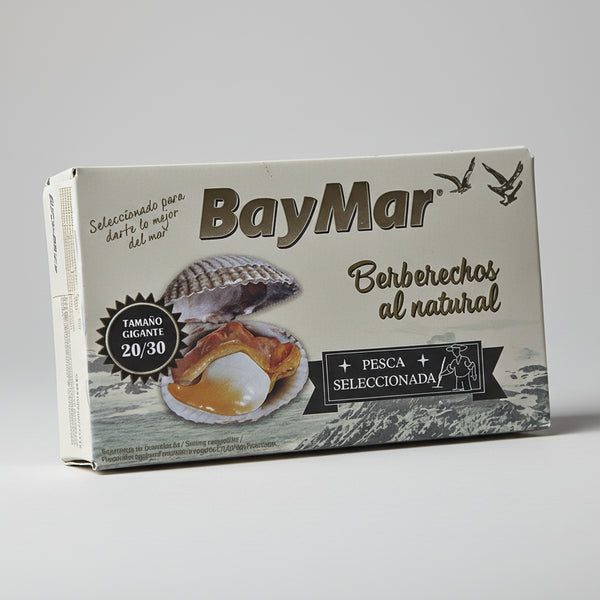
| Cockles | Txakoli / Muscadet | Cava / Sparkling water | Any red |
Frequently asked questions
Can you drink red wine with canned fish?
Yes, but with nuances. Light reds with low tannins like Mencía, Pinot Noir, or young Garnacha work well, especially with pickled goods and sardines. Avoid powerful reds like Cabernet Sauvignon: tannins clash with salt, producing a metallic aftertaste.
Does cava work with all canned fish?
Practically yes. Cava brut or brut nature is the most versatile option because it combines acidity, bubbles, and flavor neutrality. A brut nature works better than a brut because it has less residual sugar.
At what temperature should wine be served with canned goods?
Whites and rosés between 8-10 °C (46-50 °F). Cava and Champagne between 6-8 °C (43-46 °F). Light reds between 14-16 °C (57-61 °F), slightly below usual. Canned goods are served at room temperature to create contrast.
What wine goes best with a mixed board of canned goods?
A cava brut nature is a safe bet that works with everything. If you prefer wine, a quality Albariño has the acidity for anchovies, the body for sardines, and the elegance for Bonito del Norte.
Is vermouth better than wine for canned goods?
They are different experiences. Vermouth is more of an appetizer and informal. Wine allows for exploring more sophisticated nuances. In Barcelona, it's traditional to start with vermouth and pickles, and then move on to wine with canned goods and smoked products.
How many glasses of wine per person should I estimate for an appetizer?
For an appetizer lasting 1-2 hours, estimate 2-3 glasses per person (half a bottle). One bottle yields 5-6 glasses. For 8 people, plan for 4-5 bottles if it's the main drink.
🛒 Products mentioned in this article
⭐ 4.9/5 · Cold shipping 24-48h · Since 1990 at Mercat del Ninot
Discover our premium selection
Seafood products carefully selected since 1990 at Mercat del Ninot, Barcelona. Refrigerated shipping in 24-48h.
Conclusion
From Mercat del Ninot in Barcelona, we have been selecting the best seafood products for over 35 years. If this guide has been useful to you, explore our catalog at bacalalo.com and receive the same quality we have sold at the market since 1990 delivered to your home.
Related Guides
- Canned fish: how to choose the best
- Gourmet cans for gifting
- Easy appetizers with canned goods
- Sardine vs Sardinilla: differences
Products you might be interested in
Discover more