"Maki" is the Japanese word for "roll." Beneath this single term lie at least four different styles, each with its own technique, thickness, and personality. In this guide, we teach you how to make the 6 most popular ones with smoked salmon, the safest and best-tasting ingredient for homemade sushi.
Quick summary: The main makis are hosomaki (thin roll, 1 filling), futomaki (thick roll, several fillings), uramaki (rice on the outside), and temaki (cone). Base recipe: spread seasoned rice on nori, add smoked salmon + filling, roll with a mat, and cut into 6-8 pieces.
The 6 types of maki you can make at home
| Type | Thickness | Characteristics | Difficulty |
|---|---|---|---|
| Hosomaki | 2-3 cm | Thin roll with a single ingredient. Half nori sheet. | Easy |
| Futomaki | 4-5 cm | Thick roll with 3-5 ingredients. Full sheet. | Medium |
| Uramaki | 3-4 cm | Inside-out roll: rice on the outside, nori on the inside. Common topping. | Medium-High |
| Temaki | Cone 10 cm | Hand-rolled cone, no mat. Eaten immediately. | Easy |
| Gunkan | Oval bite | Small oval ball of rice wrapped in a strip of nori, topped with loose filling (ikura, etc). | Medium |
| Inari | Pouch | Fried tofu pouch filled with rice. No nori. | Very easy |
Base ingredients (32 pieces · 4 people)
- 300 g cooked and seasoned sushi rice (check out the perfect sushi rice technique)
- 4 whole nori seaweed sheets
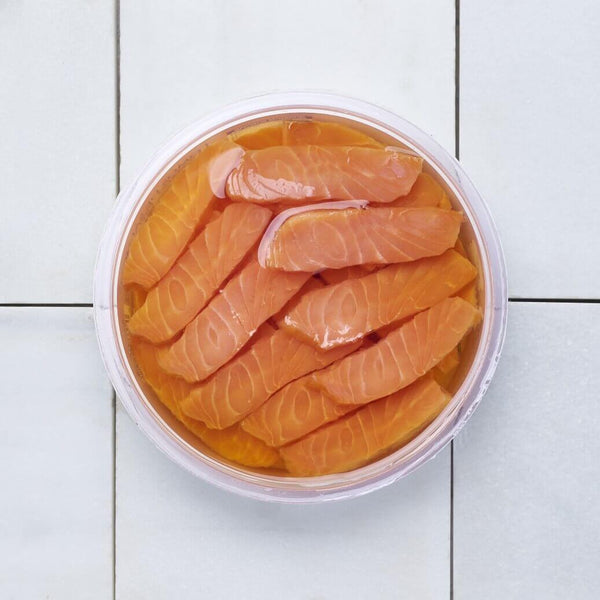
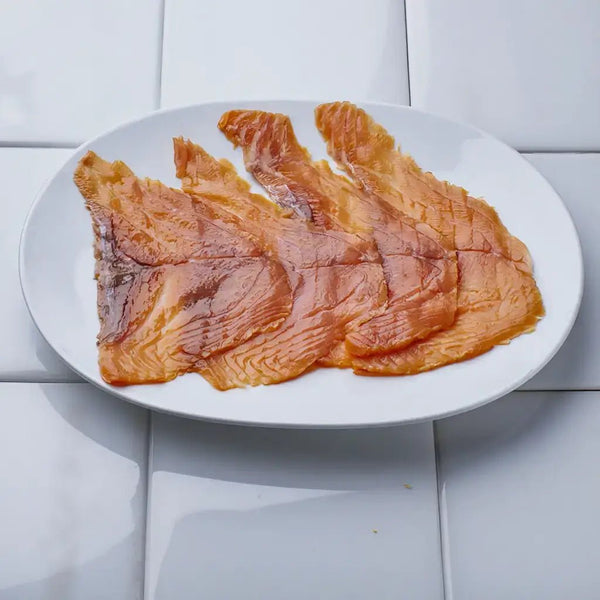
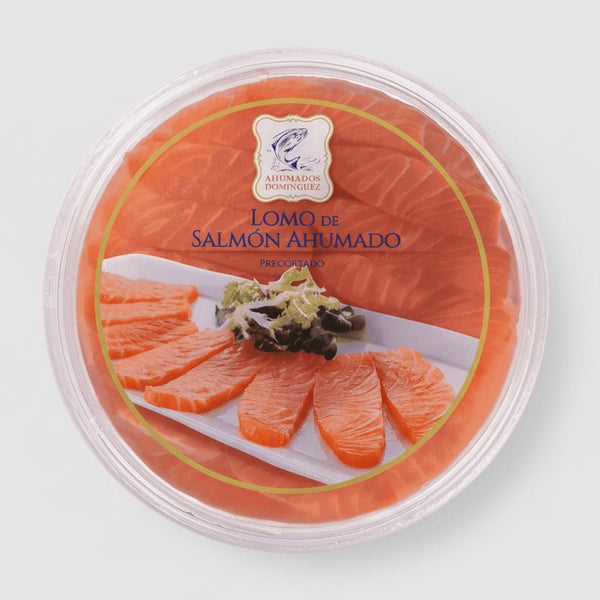
- 150 g Domínguez sliced smoked salmon
- 1 ripe avocado
- 1/2 seedless Dutch cucumber
- 50 g cream cheese
- Fresh chives
- Toasted sesame for uramaki
- 20 g TANIT salmon roe (optional topping)
- Wasabi, low-sodium soy sauce, pickled ginger
Necessary utensils
- Bamboo rolling mat (makisu) with cling film.
- Sharp Japanese knife or very sharp chef's knife.
- Bowl with water and vinegar to moisten hands and knife.
- Wooden paddle (shamoji) or large spoon.
- Damp cloth to cover the rice while you work.
Step-by-step basic technique (classic hosomaki)
- Prepare your workstation. Lay out the rolling mat, ingredients cut into sticks, a bowl of vinegared water, the knife, and the covered rice.
- Place the nori. For hosomaki, cut a nori sheet in half. Place half a sheet on the mat, rough side up.
- Spread the rice. With moistened hands, take about 70g of rice and spread it in a thin layer (barely 5mm thick) over the entire nori, leaving 2cm free at the top edge.
- Place the filling. 2cm from the bottom edge, place a strip of smoked salmon and, if desired, a stick of cucumber or avocado. For traditional hosomaki, only one ingredient.
- Roll. Lift the bottom edge of the mat and roll, covering the filling. Press with the mat to compact and continue rolling until the end.
- Seal. The last centimeter of nori (without rice) is sealed with the moisture from the rice itself. If it doesn't close, wet your finger and run it along the edge.
- Cut. Moisten the knife. Cut the roll in half, align the two halves, and cut each into 3 more pieces: 6 equal pieces per roll.
- Serve. Arrange the pieces with the spiral facing up on the plate. Serve with soy sauce, wasabi, and ginger.
6 specific recipes with smoked salmon
1. Classic Salmon Hosomaki
Half nori sheet + 70g rice + 1 strip of smoked salmon + chopped chives. The simplest and the one that best allows you to taste the pure smoky flavor.
2. Salmon-Cucumber Hosomaki (Kappa-Sake)
Half sheet + rice + salmon + cucumber stick. Classic Japanese combination, crisp freshness with rich smokiness.
3. Philadelphia Futomaki
Whole sheet + rice + smoked salmon + cream cheese + avocado + cucumber + chives. The thick "all-in-one" roll, very popular in the West.
4. Spicy Salmon Uramaki
Half sheet + spread rice + flip + nori on top + diced smoked salmon + mayonnaise + sriracha + chives. Roll, coat in sesame, cut. Check out the detailed uramaki guide for the inside-out roll technique.
5. Salmon Royale Temaki
Take a quarter sheet of nori, place it diagonally in your palm. Add a tablespoon of rice in one corner, then salmon, avocado, and a teaspoon of salmon roe on top. Roll into a cone shape. Eat immediately, by hand.
6. Salmon Gunkan with Ikura
Form an oval ball of rice (like nigiri). Wrap a strip of nori around it (boat style). Fill the top cavity with salmon roe (ikura) and a touch of chopped smoked salmon. Essential knowledge about ikura roe.
Chef's tips and common mistakes
- Roll that opens when cut: you didn't press enough when rolling.
- Knife that drags: dull or dry blade. Moisten between cuts.
- Nori that breaks: old sheet or exposed to humidity. Store nori in an airtight bag.
- Flat flavor: unbalanced rice seasoning. Taste the rice before rolling and adjust if it needs more vinegar.
Pairings
- Cold junmai sake: the classic, neutral, and clean pairing.
- Sencha or genmaicha green tea: non-alcoholic option.
- Japanese Sapporo or Asahi beer: light, ideal for fatty makis.
- Albariño, txakoli, or dry riesling: Atlantic whites with fresh acidity.
- Brut champagne or brut nature cava: for makis with salmon and roe.
If you're eager to delve deeper, nigiris are the natural next step in homemade sushi. The technique of perfectly seasoned rice is the foundation upon which everything is built. And if you like different formats with smoked salmon, try the elegant tartare or our party canapés.
Discover our premium selection
Seafood products selected with care since 1990 at Mercat del Ninot, Barcelona. Refrigerated shipping in 24-48h.
Conclusion
Makis are the most versatile form of sushi: small variations of the same technique allow for very different dishes in taste and presentation. Start with the classic hosomaki (the easiest), master the rolling pressure, and then move on to futomaki, uramaki, and temaki. Domínguez smoked salmon is perfect for all: thin, wide slices, buttery taste, and clean smokiness. You don't need to be a sushi chef; you need well-seasoned rice and patience.