Abstract: The gilda is the simplest pintxo in the world and, at the same time, the most difficult to get right. Three ingredients—olive, anchovy, chili pepper—and the result says everything about the quality of what you use. For restaurants, bars, and catering services that want to serve real gildas, the key lies in the ingredients and being able to source them in wholesale format without compromising on quality.
Discover our full catalog at Bacalalo, cod specialists since 1990.
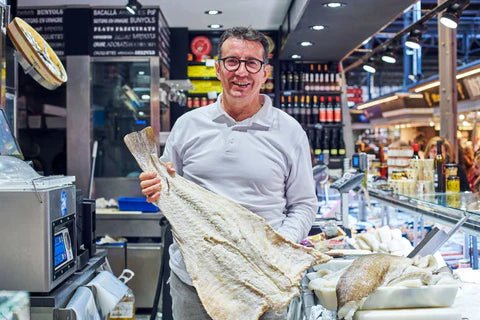
At Bacalalo, since 1990, we have been selecting top-quality anchovies, olives, and pickles at the Mercat del Ninot in Barcelona. This guide is designed for hospitality professionals who want to understand what differentiates a gourmet gilda from a standard one, and how to source their ingredients correctly.
Table of Contents
What Is a Gilda
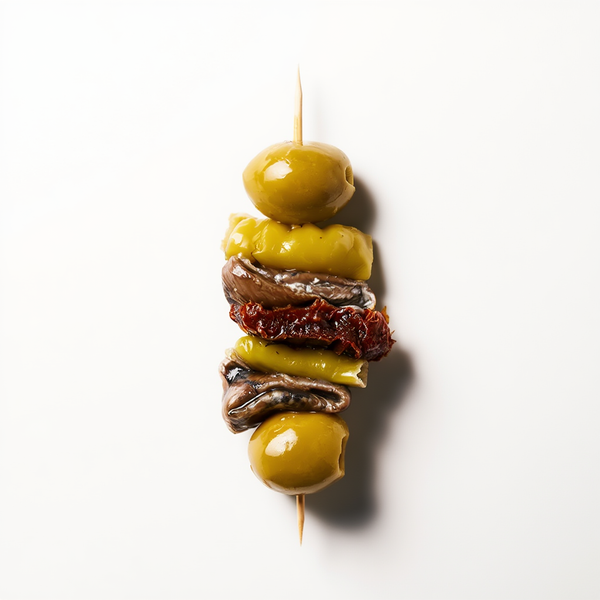
The gilda was born in Bar Casa Valles in San Sebastián in the mid-20th century. According to the most widespread story, Gonzalo Aramburu, a regular customer, skewered an olive, a pickled chili pepper, and an anchovy, and the combination was named after Rita Hayworth's movie: Gilda. Spicy, salty, and green, just like the character.
The original formula:- Pickled chili pepper (Basque piparras)
- Green olive (Manzanilla or Arbequina, depending on preference)
- Cantabrian anchovy (in olive oil)
All on a toothpick or skewer, in that order or in reverse. Seemingly simple. In practice, if any of the three ingredients fail, the entire gilda fails.
What Differentiates a Gourmet Gilda from a Standard One
This is the question every hospitality professional should ask before deciding how to source their ingredients.
The anchovy: the biggest difference
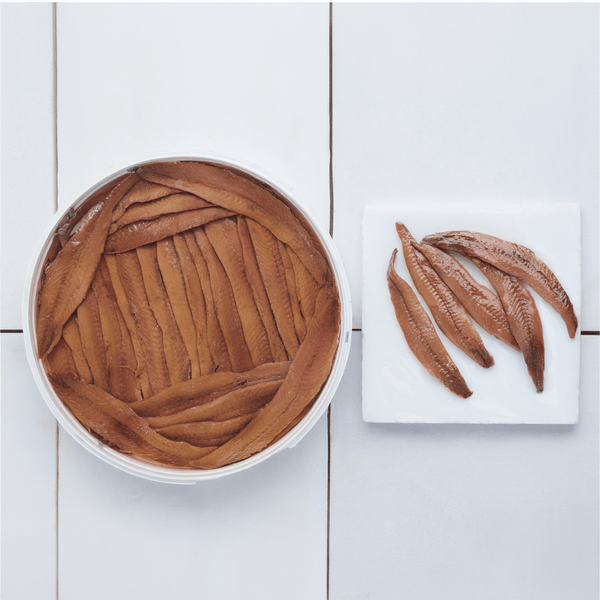
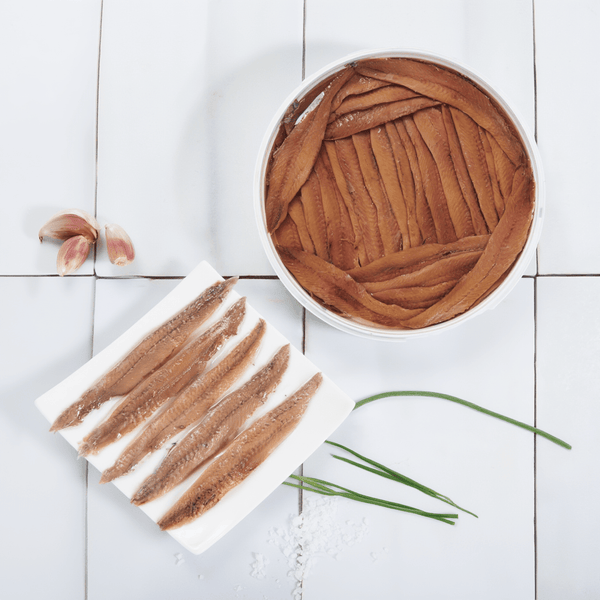
In a standard, casual bar gilda: imported canned anchovy (Morocco, Argentina) with excess salt and a soft texture. In a gourmet gilda: Cantabrian anchovy aged between 12 and 36 months, size 0 or 00 (the largest), with a firm texture, mahogany color, and a perfect balance of saltiness and umami.
Cantabrian anchovy has an informal geographical designation that differentiates the product: caught between April and June in the Bay of Biscay or the Cantabrian Sea, artisanally processed in salt, and aged in barrels. Reference brands—Nardín, Ortiz high-end, artisan producers from the Basque Country—cost between 3 and 8 times more than imported anchovies, but the result on the plate is radically different.
The piparra: not all chili peppers are created equal
The piparra (or Basque chili pepper) is the most counterfeited or substituted ingredient. Authentic piparras are of the local variety, grown in the Ibarra area (Gipuzkoa), with a designation of origin in the process of regularization. They are longer, bright green, with a mild spicy note and a characteristic herbaceous flavor.
Common substitutions are pickled chili peppers of indeterminate origin, spicier and with less complex flavor. In a gourmet gilda, piparra means Basque Country, period.
The olive: the third vertex
The Sevillian Manzanilla is the historical reference olive for the gilda, but the Catalan Arbequina or the Gordal have their defenders. What matters in hospitality is the consistency of the caliber, the curing point, and that they are not pimiento-stuffed olives (the classic gilda does not have a filling, although there are modern versions that do).
Types of Gilda for Your Menu
There's room on the menu for more than one gilda if the venue's concept allows it:
Classic Gilda
The original: piparra + Manzanilla olive + Cantabrian anchovy. Nothing more. The quality of the ingredients says it all.Premium Gilda with 0/00 Anchovy
The same structure but with a larger anchovy size (0 or double zero). The anchovy size is visually striking and the flavor is deeper. Justified higher selling price.Gilda with Pickled Anchovy (Boquerón)
A southern variant: pickled anchovy (white) instead of aged anchovy (brown). Different flavor profile, more acidic and fresh. Good contrast on a menu with both options.Gilda with Mojama
Substitution or addition of anchovy with quality tuna mojama. Different, more earthy umami intensity. Interesting for menus with a gastronomic level.Creative / Seasonal Gilda
Modern versions can include: boquerones, lumpfish roe, seaweed crisps, seasonal pickles. For restaurants with their own gastronomic proposal.If you're thinking of incorporating quality gildas into your menu or need information about orders for hospitality, contact Bacalalo and we'll advise you without obligation.
Related Bacalalo Products


Recommended Products

Gourmet Handmade Cheese Gilda...
€9.75

Pickled Caperberries - 1400g (600g Drained)
€9.95

Artisanal Pickled Onions - 1.4 kg
€9.90

Gourmet Handmade Boquerón Gilda...
€9.90
Refrigerated shipping 24-48h throughout the Peninsula
Formats for Hospitality and Wholesale Orders
Bulk or large-can anchovies
For a bar or restaurant that serves gildas daily, buying anchovies in 500g or 1kg cans is more cost-effective than in 50-100g packages. Large-can anchovies keep well once opened if refrigerated covered in oil.
The most common formats for hospitality:- 500g can: for medium-volume establishments (50-100 gildas/week)
- 1kg can: for high-volume establishments or catering
- 700g-1kg glass jar: for those who want a visible product presentation
Piparras in hospitality format
Piparras are usually sold in glass jars from 720ml to 3 liters. A 3-liter jar contains between 400 and 600 piparras, depending on their size, enough for weeks of service in a bar with moderate consumption.
Bulk olives
In hospitality, olives are typically bought in bulk (in 5-10kg buckets) or in 3-5 liter jars. Natural, unseasoned Manzanilla olives are the most versatile for gildas.
Pre-assembly vs. assembly on demand
There are two schools of thought:- Pre-assembly: Gildas are assembled at the start of the shift and kept covered in the refrigerator. Practical for high-volume, but there is loss if not all are sold.
- Assembly on demand: Better experience and zero waste, but requires more time at the bar. Recommended for establishments where the gilda is part of the offering, not just a filler appetizer.
How to Calculate the Cost Per Gilda
To set a correct selling price, it's useful to calculate the cost per unit:
Example with medium-high quality ingredients:- Cantabrian Anchovy (1 fillet, size 1): ~€0.15-0.25
- Piparra (1 unit): ~€0.05-0.10
- Manzanilla olive (1 unit): ~€0.03-0.06
- Toothpick + plating: ~€0.01
Ingredient cost per gilda: €0.24-0.42
With premium ingredients (0/00 anchovy, Ibarra piparras, Gordal olive):- 0/00 Anchovy (1 fillet): ~€0.40-0.70
- Piparra (1 unit): ~€0.10-0.15
- Gordal olive (1 unit): ~€0.08-0.12
Premium ingredient cost per gilda: €0.58-0.97
Typical bar selling prices range from €1.50 to €4 per gilda, with gross margins of 50-75% on ingredients.
How to Order from Bacalalo
At Bacalalo, we work with hospitality businesses in Barcelona and its surroundings. We can manage recurring orders of Cantabrian anchovies, mojama, seafood preserves, and other gourmet ingredients for bars, restaurants, and catering services.
For B2B orders:- Contact us through our contact page indicating estimated volume and frequency
- You can also visit our stall at Mercat del Ninot (Barcelona) to see the product directly
- For large or recurring orders, we can discuss personalized terms
Frequently Asked Questions about Gildas for Hospitality
1. How long does an assembled gilda last in the refrigerator? Between 6 and 24 hours with good practices: covered with film, in a refrigerator at 4°C. The anchovy is the most sensitive ingredient; after 24 hours, it may begin to oxidize.
2. Can I use standard canned anchovies for gildas? You can, but the result will be mediocre. The quality difference between an imported anchovy and a matured Cantabrian anchovy is noticeable even to a non-specialist customer. In a quality bar concept, it's not worth compromising the ingredient.
3. Are Basque piparras very spicy? Authentic Ibarra piparras have a mild spiciness, much less than dried chili or other hot peppers. They are tolerable for most people. If you want gildas without spice, baby piparras are even milder.
4. What anchovy size do you recommend for gildas? For visually impactful gildas, size 0 or 00 (the largest anchovies). For high-volume gildas where cost matters more, size 1 or 2 offers a good quality-price balance.
5. How do you properly skewer a gilda? The classic order: first skewer the piparra in a zigzag (passing the toothpick through several parts so it stays firm), then the anchovy folded over itself, then the olive. This order stabilizes the gilda and makes it visually cleaner.
6. Are there anchovy-free gilda versions for vegetarians? Yes. A vegetarian version can include gherkin, olive, and piparra, or add a strip of pickled piquillo pepper. It's not the classic gilda, but it's a good alternative to offer on the menu if there's demand.
7. Can we receive samples before placing an order? For hospitality orders, Bacalalo can arrange samples of anchovies and other products. Please contact us directly.
8. What is the minimum order for hospitality? It depends on the product. For large cans of anchovies, there is no special minimum. For mixed orders or special pricing conditions, please contact us directly.
9. Do you ship outside of Barcelona? Yes, we ship throughout Spain via our online store and can arrange shipments for hospitality businesses. For large orders outside of Barcelona, please consult us for conditions.
10. Is Cantabrian anchovy always better than other anchovies? Not necessarily "always better" by geographical definition, but the artisanal salt-curing process applied in the Cantabrian region—and required by reference brands—produces a different and generally superior organoleptic result. The size, aging time, and the producer's skill are factors that can sometimes outweigh geographical origin.
At Bacalalo, we have been working with the best seafood ingredients for individuals and professionals since 1990. If your establishment is looking for Cantabrian anchovies, piparras, mojama, or any premium canned goods wholesale, contact us or visit us at Mercat del Ninot in Barcelona.