Summary: Canned fish are one of Spain's greatest gastronomic treasures. In this guide, we explain how they are made, what types exist depending on the preservation method, how to correctly read a label, and which brands are truly worthwhile. Straightforward, with concrete data and the experience of more than 30 years selecting products at Mercat del Ninot.
| Aspect | Key Data |
|---|---|
| Reading time | 9 minutes |
| Types of preserves covered | 5 (olive oil, sunflower, escabeche, natural, in sauce) |
| Main species | Tuna, bonito, sardines, mussels, cockles, anchovies, razor clams |
| Brands analyzed | 5 leading Spanish brands |
| Ideal for | Those who want to buy quality preserves without overpaying or being deceived |
What are canned fish and why does Spain lead the world?
A canned fish product is made from fresh fish or seafood that undergoes a thermal sterilization process inside an airtight container. The result: a safe food product, stable at room temperature, with a shelf life that can exceed 5 years without losing nutritional or organoleptic qualities.
Spain is not just another canning country. It is the second-largest producer of canned fish and seafood globally, only behind Thailand, and the first in Europe. The tradition began in the 19th century in Galicia, spread through Cantabria and the Basque Country, and today generates more than 10,000 direct jobs in the industry.
Why are we leaders? Three verifiable reasons:
- Exceptional raw material: the coasts of the Cantabrian Sea and the Galician Atlantic provide high-quality albacore tuna, sardines, mussels, and cockles.
- Artisanal tradition: many canneries have been perfecting their processes for 3 or 4 generations. Expertise is not improvised.
- Olive oil: while other countries preserve in cheap vegetable oils, the Spanish standard is extra virgin olive oil, which elevates the product to another category.
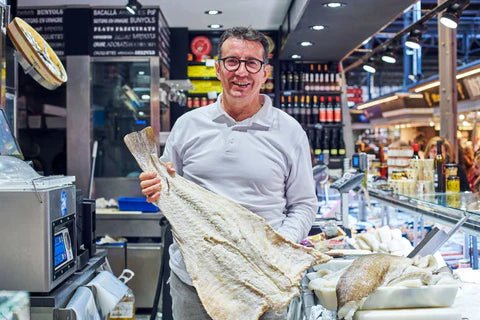
Since 1990, at Mercat del Ninot, we have seen hundreds of brands and batches pass through. What we tell you here doesn't come from a manual: it comes from opening cans, tasting products, and listening to demanding customers for more than three decades.
Artisanal vs. industrial production: the differences that matter
Not all preserves are made the same, and the difference is not just in price. The general process has four phases: raw material selection, cooking, packaging, and sterilization. But how each phase is executed marks a huge difference between artisanal and industrial preserves.
| Factor | Artisanal | Industrial |
|---|---|---|
| Raw material | Fresh fish, seasonal, traceable origin | Frozen, variable origin, large batches |
| Selection | Manual, piece by piece | Mechanical, by caliber |
| Packaging | By hand, whole pieces or loins | Automatic, chunks or flakes |
| Oil | Extra virgin olive oil, generous amount | Olive, sunflower or mix, just enough quantity |
| Resting period | 3-12 months before sale | Immediate distribution |
| Indicative price | €4-12/can | €1-3/can |
The resting period is a detail few people know about. Quality artisanal preserves need time for the oil to penetrate the fish fibers and for the flavors to integrate. It's the equivalent of aging wine. A freshly canned preserve and one that has rested for 6 months are different products.
Types of canned fish according to the preservation medium
The covering liquid is not a minor detail: it defines the flavor, texture, shelf life, and culinary use of each preserve. These are the five main types:
In olive oil
The Spanish premium standard. Extra virgin olive oil provides creaminess, protects the fish's texture, and adds fruity nuances. It is the ideal medium for tuna, albacore tuna, sardines, and tuna belly. The oil in the can, once opened, is liquid gold: use it to dress salads or spread on bread.
If you are looking for high-quality olive oil preserves, in our gourmet preserves collection you will find selected brands that meet what we describe here.
In sunflower oil
More economical and with a more neutral flavor. It is the usual option in mass-market preserves. It is not bad in itself, but it contributes less to the final product. If the label says "in vegetable oil" without specifying, it is almost certainly sunflower.
In escabeche
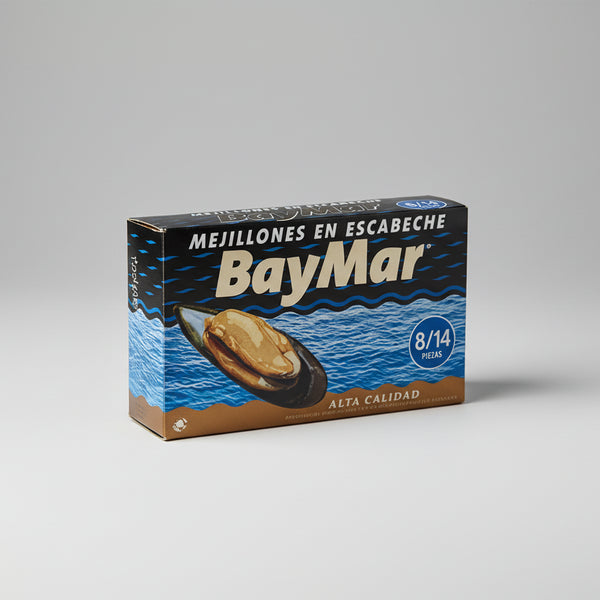
Vinegar, oil, paprika, and spices. It is a Galician and northern Spanish tradition that works especially well with mussels, bonito, and mackerel. Escabeche provides an acidic and spicy touch that balances the fish's fat. BayMar's escabeche mussels are a perfect example of this balance.
Natural
Just fish, water, and salt. No added fat, with the pure taste of the sea. It is the lightest option and the preferred choice for protein diets. Natural tuna and natural cockles are the most popular. Beware: as there is no protective oil, the texture is usually drier.
In sauce
Tomato, Galician sauce (onion, pepper, tomato), Biscayan sauce (choricero pepper)... Sauces turn preserves into an almost ready-to-eat dish. Sardines in tomato, squid in their own ink, or mussels in Galician sauce are classics that never go out of style.
How to read a preserve label without being deceived
The label is your best weapon against empty marketing. Here is the data that truly matters:
- Net weight vs drained weight: net weight includes the covering liquid. Drained weight is what you actually eat. A 120g net can may only have 80g of fish. Always compare by drained weight, not by can size.
- Origin of the raw material: look for "caught in" or "FAO area". The best sardines come from FAO area 27 (Northeast Atlantic). Genuine albacore tuna is caught in the Cantabrian Sea (FAO area 27, subdivision VIIIc).
- Sanitary Registry (RGSEAA): the number starting with 12. or 26. identifies the processing plant. If it's missing, be suspicious.
- Production date: more important than the expiration date. A preserve made 2 years ago is at its optimal point. A freshly made one, not so much.
- "Reserva" and "Gran Reserva": this is not a legally regulated denomination like in wine. Each cannery uses it at its discretion. It generally indicates a minimum resting period of 12-24 months, but there is no legal guarantee. Pay attention to the production date, not the word "reserva".
- Exact species: "tuna" can be skipjack tuna (Thunnus albacares, yellowfin) or albacore tuna (Thunnus alalunga). The difference in quality and price is enormous. If it just says "tuna" without further specification, it is skipjack tuna.
To delve into the differences between types of tuna and how to choose the best one, consult our complete guide on canned skipjack tuna.
Expiration vs. best-before date: preserves improve with time
Here's one of the big truths few people know: canned fish in olive oil improves with time, just like good wine. It's not marketing, it's chemistry.
During resting, the oil slowly penetrates the fish fibers, the texture becomes silkier, and the flavors round out. A can of Olasagasti albacore tuna loins that has rested for 2 years has a complexity that the same freshly canned product cannot achieve.
What the regulations say:
- Best-before date (not "expiration date"): preserves have a best-before date, not an expiration date. This means that after this date, the product is still safe, although it might lose some organoleptic qualities.
- Legal shelf life: between 4 and 6 years depending on the manufacturer.
- Actual shelf life: preserves of 10-15 years have been opened in perfect condition. As long as the can is not bulging, rusted, or punctured, the contents are safe.
Practical tip: if you buy quality preserves, store some cans for 1-2 years before opening them. You will notice the difference. Store them in a cool, dry place away from direct light. Ideal temperature: between 15 °C and 20 °C.
Main canned fish and seafood: what to expect from each
Not all fish work equally well in preserves. Here's an honest overview of the most common ones:
Tuna and Albacore Tuna
The king of Spanish preserves. Albacore tuna (Thunnus alalunga) is the jewel: white meat, firm texture, mild and elegant flavor. Skipjack tuna (Thunnus albacares) is more economical, with pinkish meat and a more intense flavor. Tuna belly is the fattiest and most unctuous part of albacore: melting, delicate, and deservedly expensive. Our Olasagasti albacore tuna belly is one of the best we've tasted in 30 years.
Explore the entire range in our tuna and albacore collection.
Sardines
The most underrated preserve. Good sardines in olive oil like Dardo's are a top-tier gastronomic product: dark meat, rich in omega-3, potent flavor. The best are made with medium-sized sardines (12-18 pieces per can), caught between June and October when they have more fat.
Mussels
In escabeche, they are an absolute classic. In olive oil, they are milder and more versatile. Caliber matters: the fewer pieces per can, the larger and plumper they are. 6-8 pieces is gourmet size; 25-30 is for daily consumption. Discover our selection of canned mussels.
Cockles
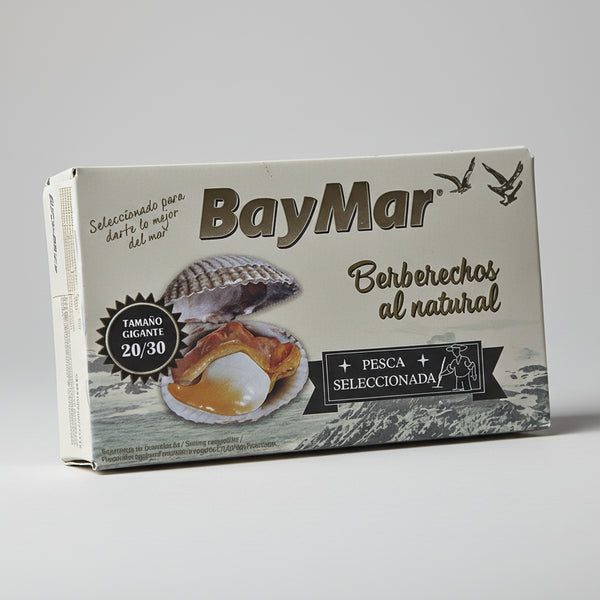
The great canned shellfish. BayMar's 20-30 piece cockles are a benchmark: plump, with a clean sea flavor. Natural is the purest option. The 20-30 caliber is an excellent balance between size and price. If you want luxury, look for 15-20 pieces. The entire range in our cockle collection.
Anchovies
Technically they are a semi-preserve (they require refrigeration), but they deserve a mention. They are made by salting and maturing for 6-12 months, then cleaned and packed in oil. Those from the Cantabrian Sea are the most valued in the world. Their process is 100% manual and artisanal.
Razor clams, clams, and octopus
Natural razor clams from Galicia are a delicacy with an intense iodized flavor. Natural clams are ideal for rice dishes. Octopus in olive oil is an appetizer that never fails. All require premium raw material because there is no sauce or oil that can disguise a mediocre product.
Leading Spanish brands: what each one offers
After more than 30 years of trying products, these are the brands we recommend without reservation and why:
| Brand | Origin | Strong point | Star product |
|---|---|---|---|
| Olasagasti | Hondarribia (Basque Country) | Albacore tuna from coastal fishing, full traceability | Albacore tuna loins and belly |
| Dardo | Vigo (Galicia) | Exceptional sardines, manual selection | Sardines in olive oil |
| BayMar | Vigo (Galicia) | Mussels and cockles with consistent calibers | Mussels in escabeche, cockles |
| Conservas Ortiz | Ondarroa (Basque Country) | Anchovies and albacore tuna since 1891, historical standard | Cantabrian anchovies |
| Pay Pay | Vigo (Galicia) | Unbeatable quality-price ratio, wide range | Mussels in escabeche |
If you want to see how we have evaluated these and other brands with objective criteria, don't miss our ranking of the 10 best Spanish preserves.
How to store preserves once opened and how to enjoy them
Once opened: the basic rules
The can is a sterile environment. The moment you open it, the clock starts ticking. Follow these guidelines:
- Never leave the fish in the open can. Metal exposed to air can transfer a metallic taste and oxidize. Always transfer to a glass or ceramic container.
- Cover with the can's own oil to prevent the fish from drying out and oxidizing.
- Refrigerate at 4 °C and consume within a maximum of 24-48 hours.
- Anchovies (semi-preserves) must always be refrigerated, even before opening. Once opened, consume within 3-5 days covered in oil.
Pairing: what to accompany canned fish with
Good canned food doesn't require elaborate cooking. In fact, the best gourmet canned goods are enjoyed as they are, straight from the can (transferred to a plate, of course). Here are the best accompaniments:
- Young white wine: an Albariño from Rías Baixas is the natural pairing for any Galician canned food. Fresh acidity that cleanses the palate.
- Cava Brut Nature: the bubbles cut through the oil's richness. Works especially well with tuna belly and mussels.
- Galician or "crystal" bread: rustic texture, dense crumb that absorbs the oil from the can. Industrial bread doesn't do the product justice.
- Padrón or piquillo peppers: the perfect counterpoint for tuna and sardines.
- Simply with oil and lemon: a few drops of lemon on natural cockles are all they need.
Want to go beyond appetizers? Check out our 12 gourmet canned food recipes to turn a can into a quick and elegant dinner.
🛒 Products mentioned in this article
⭐ 4.9/5 · Cold delivery 24-48h · Since 1990 at Mercat del Ninot
Frequently asked questions about canned fish
Do canned fish really expire?
Not in the strict sense. They have a best before date, not an expiry date. As long as the can is intact (no deep dents, rust, or bulging), the contents are safe beyond that date. Canned goods in olive oil can even improve over the years.
What is the difference between skipjack tuna and albacore tuna?
They are different species. Skipjack tuna (Thunnus albacares) has pinkish flesh and a more pronounced flavor. Albacore tuna (Thunnus alalunga) has white flesh, a finer texture, and a more delicate flavor. Albacore tuna is more expensive because it is caught with selective methods (hook and line) and its season is limited (June-October).
Is olive oil better than sunflower oil in canned goods?
Yes, by far. Extra virgin olive oil adds flavor, protects the fish better, and has a superior nutritional profile (oleic acid, polyphenols). Sunflower oil is neutral: it neither adds nor subtracts, it simply preserves. The price difference in the can is justified by the difference in experience.
How do I know if a canned product is truly artisan?
Look for these indicators: whole pieces visible when opening the can (not crumbs or bits), extra virgin olive oil as the covering liquid, high drained weight relative to net weight (more than 65%), Spanish Sanitary Registry number, and a brand with a verifiable history. The price also speaks volumes: below €3/can, it is very difficult to offer genuine artisan quality.
Can I freeze canned fish?
It makes no sense. The sterilization process already guarantees their preservation at room temperature for years. Freezing can break down the fish's texture and deteriorate the product. Store them in a cool (15-20 °C), dry place away from direct light. That's all they need.
What do "net weight" and "drained weight" mean on the label?
Net weight is the total weight of the content: fish plus covering liquid (oil, escabeche, sauce). Drained weight is only the fish or seafood, without the liquid. A 120g net can may have 80g drained. To compare prices between brands fairly, always divide the price by the drained weight, not the net weight.
Are canned fish healthy?
Very healthy. They are a source of high-quality protein, omega-3 fatty acids (especially sardines, mackerel, and tuna), vitamin D, and minerals like selenium and iodine. In extra virgin olive oil, they add heart-healthy monounsaturated fats. The only point of attention is sodium: if you're controlling salt, opt for natural or low-salt versions.
Is it worth paying more for gourmet canned goods?
It depends on your palate and how you use them. For cooking (rice dishes, empanadas, salads), a mid-range canned product works perfectly. For eating directly as an appetizer or starter, the difference between an industrial and an artisan canned product is vast: texture, flavor, aroma, and amount of fish per can. It's not marketing; there are verifiable factors that prove it. Open two cans side-by-side and compare them. That's the ultimate test.
Discover our premium selection
Seafood products carefully selected since 1990 at Mercat del Ninot, Barcelona. Refrigerated shipping in 24-48h.