

Summary: Grilled northern bonito is one of those dishes where simplicity is a virtue. A good cut of bonito, a hot griddle, salt, and oil. Nothing more. But this apparent simplicity hides nuances that make the difference between dry, rubbery bonito and juicy bonito with a caramelized exterior...
Grilled Northern Bonito: Less is More
Grilled northern bonito is one of those dishes where simplicity is a virtue. A good cut of bonito, a hot griddle, salt, and oil. Nothing more. But this apparent simplicity hides nuances that make the difference between dry, rubbery bonito and juicy bonito with a caramelized exterior that melts in your mouth.
At Mercat del Ninot in Barcelona, we have been advising our customers for over 30 years on how to get the most out of northern bonito. And grilling is, by far, the quickest and most rewarding method if you respect a fundamental rule: bonito should be cooked briefly.
Choosing the Perfect Cut: Belly vs. Loin
Before turning on the griddle, choosing the cut is crucial. Northern bonito offers two main cuts, each with its own personality:
Bonito Belly (Ventresca)
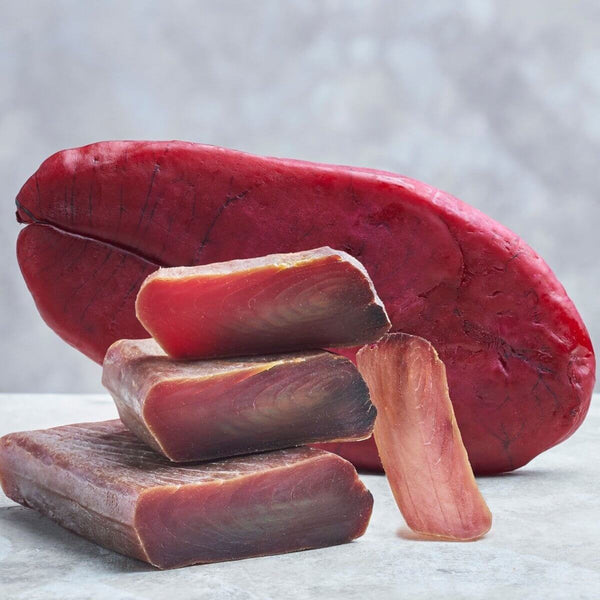
The belly is the ventral part of the bonito, the area with the highest fat infiltration. It's the star cut for grilling:
- Meltingly tender and juicy texture, almost impossible to dry out
- Fat streaks that melt with the heat, creating an intense flavor
- Cooks faster than the loin due to its thinner size
- Higher price, but the gastronomic experience justifies it
Bonito Loin (Lomo)
The loin is the leaner and more compact part. It requires more attention when grilling:
- Firmer, meatier texture, similar to tuna
- Lower fat content, so it dries out more easily
- Ideal for those who prefer a cleaner, less unctuous flavor
- Cut into slices 2.5-3 cm thick to ensure a juicy center
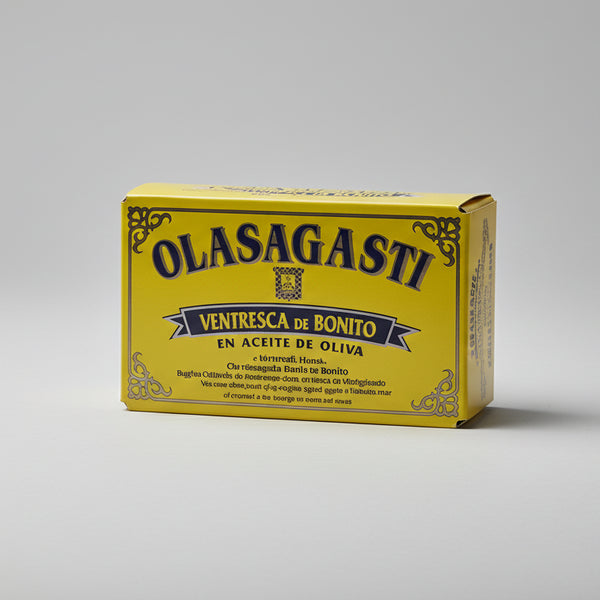
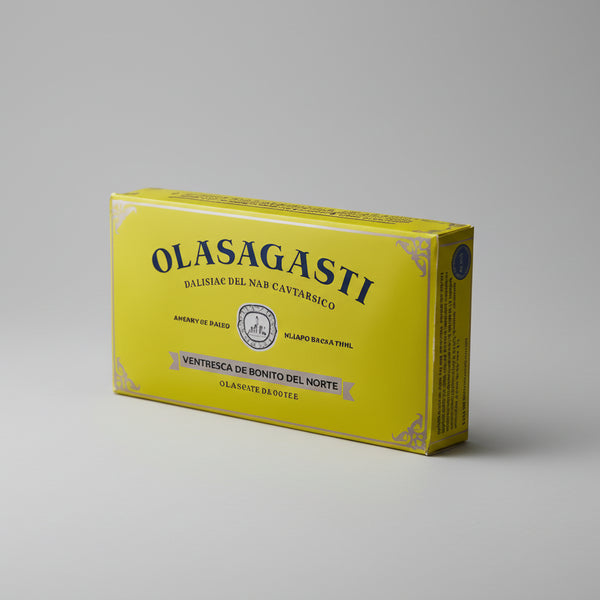
Our advice: if it's your first time preparing grilled bonito, start with the belly. Its natural fat makes it much more forgiving of cooking errors. To enjoy premium northern bonito at any time, our canned northern bonito in olive oil is an exceptional option.
The Cooking Point: The Key to Everything
Northern bonito belongs to the tuna family, which means its flesh behaves more like red meat than white fish. And just like a good sirloin, grilled bonito is best enjoyed with a pink center.
Cooking times by thickness
| Cut | Thickness | Time per side | Result |
|---|---|---|---|
| Thin belly | 1-1.5 cm | 45-60 seconds | Golden outside, juicy inside |
| Thick belly | 2-2.5 cm | 1.5-2 minutes | Crispy exterior, melting center |
| Loin slice | 2-3 cm | 2-2.5 minutes | Seared with a pink center |
| Thick loin | 3-4 cm | 2.5-3 minutes | Golden exterior, barely cooked center |
The infallible visual cue: when you see the cooking has risen up the side to halfway through the thickness, flip it over. Don't touch it again. The meat should feel firm to the touch on the outside but yield slightly when pressed in the center.
Fatal error: cooking bonito as if it were hake
The most common mistake is treating bonito like white fish, cooking it until it's completely opaque inside. At that temperature, the muscle fibers contract and expel all moisture, leaving a dry and fibrous fish. Bonito needs a pink or at least translucent center to express its full potential.
Quick Marinades that Enhance Bonito
Grilled bonito doesn't necessarily need marinating, but a short marinade can elevate the dish to another level:
Classic Marinade (15 minutes)
- Extra virgin olive oil
- Juice of half a lemon
- 1 grated garlic clove
- Chopped fresh parsley
- Flaky sea salt
Asian Marinade (20 minutes)
- Low-sodium soy sauce
- Toasted sesame seeds
- Grated fresh ginger
- A touch of honey
- Sesame oil
Mediterranean Marinade (15 minutes)
- Olive oil infused with rosemary
- Lemon zest
- Chopped capers
- Freshly ground black pepper
Fundamental rule: never marinate bonito for more than 30 minutes. The acid from lemon or vinegar starts to cook the surface protein, making it difficult to achieve a good sear on the griddle. You want flavor, not ceviche.
Griddle Technique Step-by-Step
- Bring bonito to room temperature: take the fish out of the fridge 20 minutes before cooking. Cold bonito in the center will take longer to cook, meaning an overcooked exterior by the time the center is done.
- Heat the griddle to maximum: you need a really hot griddle. Drop a few drops of water: if they evaporate instantly with a sizzle, it's ready.
- Oil the fish, not the griddle: brush the bonito with a thin layer of olive oil. If you put oil on the hot griddle, it will smoke and generate bitter flavors.
- Place and don't touch: put the bonito on the griddle and don't move it. It needs time to create that golden crust that seals in the juices. If you move it too soon, it will break and stick.
- Flip only once: turn it over only once. Multiple flips mean multiple heat losses and an uneven sear.
- Rest: remove and let rest for 1 minute on a cutting board. The juices redistribute and residual heat finishes the cooking gently.
Side Dishes that Pair with Grilled Bonito
Grilled northern bonito has a powerful flavor and meaty texture that calls for side dishes with personality:
Vegetable Sides
- Roasted Piquillo Peppers: their natural sweetness complements the intensity of the bonito. You can serve them as a base.
- Confit Tomatoes: cherry tomatoes cut in half, slowly baked with oil and thyme until concentrated.
- Caramelized Onion: the sweetness of the onion creates a delicious contrast with the umami of the bonito.
- Lamb's Lettuce Salad: with an old-fashioned mustard vinaigrette. The freshness and acidity cleanse the palate between bites.
Quick Sauces
- Green Sauce (Salsa Verde): parsley, garlic, olive oil, and a touch of vinegar. Classic and foolproof.
- Soy and Ginger Vinaigrette: for an Asian touch that works surprisingly well.
- Canarian Green Mojo: cilantro, garlic, cumin, vinegar, and oil. Potent and aromatic.
For a wine pairing, a full-bodied white (Godello or barrel-aged Chardonnay) or even a young, fresh red (Mencía) work very well with northern bonito.
Northern Bonito: Why It's Different from Southern Bonito
Not everything labeled as bonito is the same. Northern bonito (Thunnus alalunga) differs from common bonito (Sarda sarda) in several key aspects:
- Habitat: Northern bonito is caught in the Bay of Biscay and the North Atlantic, in cold waters that force it to accumulate more fat.
- Color: lighter, pinker flesh, compared to the dark red of southern bonito.
- Texture: more tender and melting, with superior fat infiltration.
- Flavor: more delicate and complex, with less metallic intensity.
- Season: mainly caught between June and October using traditional methods (hook and line).
This difference in quality is especially noticeable when grilled, where the infiltrated fat of northern bonito melts, creating a completely different experience from standard bonito. At Bacalalo, we work exclusively with premium northern bonito, selected piece by piece through our more than 30 years of experience at Mercat del Ninot.
Frequently Asked Questions
How long does bonito need to be grilled?
It depends on the thickness of the cut. Thin bonito belly (1-1.5 cm) needs 45-60 seconds per side. Loin slices of 2-3 cm need 2-2.5 minutes per side. The key is to leave the center pink, as bonito dries out quickly if overcooked.
Which is better for grilling, bonito belly or loin?
Bonito belly is the ideal cut for grilling because its higher fat content makes it juicier and more forgiving during cooking. The loin is leaner and requires more precision in cooking. If you're looking for a premium experience, the belly is the best choice.
Can grilled bonito be eaten rare?
Yes, northern bonito is best enjoyed with a pink center, similar to tuna. As it belongs to the tuna family, its flesh behaves like red meat and loses juiciness if cooked through. Make sure to use fresh, quality bonito.
Do I need to marinate bonito before grilling?
It's not mandatory, but a short marinade of 15-20 minutes with olive oil, garlic, and lemon enhances the flavor. Never marinate for more than 30 minutes because the acid starts to cook the surface of the fish and makes it difficult to get a good sear.
What's the difference between northern bonito and common bonito?
Northern bonito (Thunnus alalunga) is caught in the cold waters of the Cantabrian Sea, has lighter and pinker flesh, a more tender texture, and greater fat infiltration. Common bonito (Sarda sarda) is darker, firmer, and has a more intense flavor. For grilling, northern bonito offers a superior experience.
What should I serve with grilled northern bonito?
The best accompaniments are roasted piquillo peppers, confit tomatoes, caramelized onions, or a salad with mustard vinaigrette. For a sauce, a green sauce with parsley and garlic is classic and foolproof. Pair it with a full-bodied white wine like Godello or even a young Mencía red.
🛒 Products mentioned in this article
⭐ 4.9/5 · Chilled delivery 24-48h · Since 1990 at Mercat del Ninot
Discover our premium selection
Seafood products carefully selected since 1990 at Mercat del Ninot, Barcelona. Refrigerated delivery in 24-48h.
Conclusion
From Mercat del Ninot in Barcelona, we have been selecting the best seafood products for over 35 years. If you found this guide helpful, explore our catalog at bacalalo.com and receive the same quality we sell at the market since 1990, delivered to your home.
Premium Seafood Products — Bacalalo
Since 1990 selecting the best from the sea at Mercat del Ninot, Barcelona. Refrigerated delivery 24-48h.
View tuna and bonito →