Summary: Cod tempura is one of those fusions that works because it makes sense. Japan has a long tradition with cod (taradashi, katsuobushi) and Spain with battered cod (soldaditos de pavía, bacalao al pil-pil). Japanese tempura—that ethereal, almost transparent batter that envelops without suffocating—is the natural evolution of traditional thick batter.
Discover our entire catalog at Bacalalo, cod specialists since 1990.
The result: juicy flaked cod, encased in a crispy layer that breaks with the first bite without masking the fish's flavor. It is technically different from soldaditos de pavía (yeast batter, thicker and softer) and different from battered hake (breadcrumbs, harder and greasier). Tempura is light, crispy, and almost transparent.
The problem is that perfect tempura is harder to achieve than it seems. The oil temperature, the batter temperature, the type of flour, the amount of liquid... every variable matters. At Bacalalo, we have been selecting cod at the Mercat del Ninot in Barcelona since 1990, and we have seen how the quality of the cod makes a difference even in battered preparations. Here are all the tricks.
The Difference Between Tempura and Other Batters
Before the recipe, it's important to understand what makes tempura special:
Tempura vs. Soldaditos de Pavía: Soldaditos de pavía (the most popular battered cod in Spain) use a yeast or beer batter—thicker, softer, and more spongy. Tempura is thinner, crispier, and lighter. Soldaditos are the comforting bite; tempura is the elegant bite.
Tempura vs. Breadcrumbs: Breadcrumbs create a harder, more resistant crust that can completely mask the flavor of the cod. Tempura is almost transparent—you can see the fish through it, and its flavor passes through unimpeded.
The Key to Tempura: Frying must be quick and at a high temperature. The batter should not cook too much—it should remain at that point between liquid and solid that creates the characteristic texture. And the cod inside cooks by steaming within the crust, staying juicy.
The Perfect Tempura Batter: Science in 3 Rules
Rule 1: Everything must be cold
The temperature of the batter is the most important factor. Tempura batter must be cold—very cold. There's a technical explanation for this: when the cold batter comes into contact with very hot oil, the water in the batter evaporates violently, creating thousands of microbubbles that give it its characteristic airy and crispy texture.
If the batter is at room temperature or warm, the evaporation is slower, and the tempura turns out softer and greasier.
To keep the batter cold:- Use very cold water, with ice if possible (remove the ice before adding the flour)
- Mix the batter in a metal bowl placed over another bowl with ice water
- Don't work the batter more than necessary—every movement generates heat from friction
- If the batter gets warm during the frying process, put the bowl back on ice
Rule 2: Do not overmix the batter
Tempura batter should not be mixed until it is completely smooth. Lumps are fine—in fact, they are necessary. The less the batter is worked, the less gluten develops in the flour, and the less "elastic" and tough the crust becomes. 10-12 movements with chopsticks or a fork, no more. If there are lumps, leave them.
This is the most counterintuitive difference for someone accustomed to making crepe or pancake batter, where beating until there are no lumps is the correct approach.
Rule 3: Use the batter immediately
Tempura batter should be used within 10-15 minutes after preparing it. If you let it sit, the gluten in the flour continues to develop, and the tempura becomes less crispy. Prepare the batter when the oil is almost at temperature and the cod is ready.
Ingredients for Cod Tempura (4 servings)
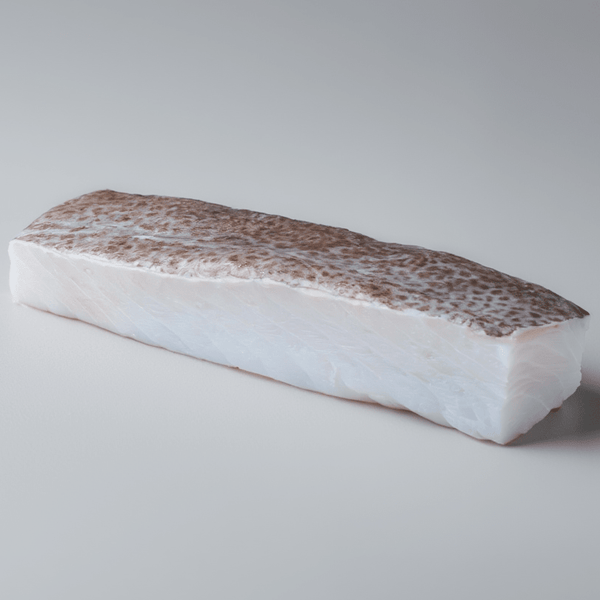
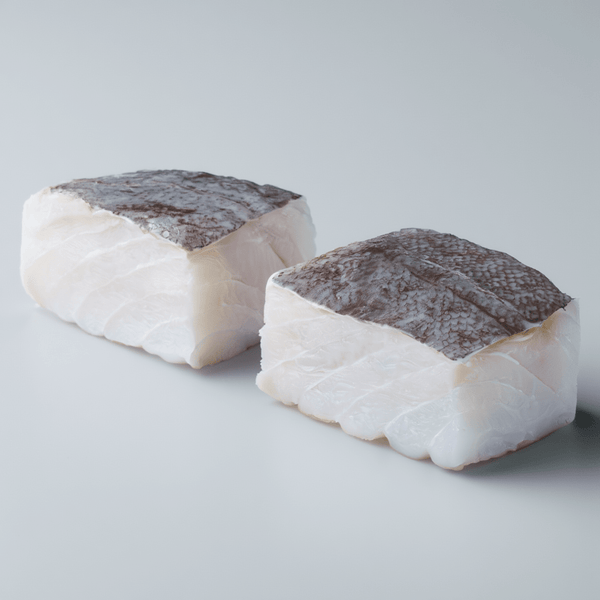
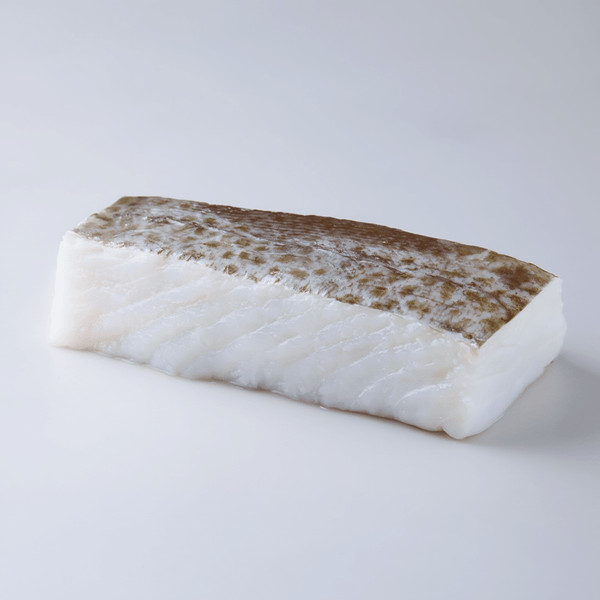
For the cod:- 600-700 g desalinated cod loins (skinless, in 5-6 cm pieces)
- Sunflower oil or a sunflower/olive blend for frying (plenty)
- 150 g tempura flour (from Asian product stores; if not, see substitute below)
- 200 ml very cold water (with ice)
- 1 large egg (very cold, from the fridge)
- 100 g all-purpose flour (pastry flour, low in protein)
- 50 g cornstarch
- This blend mimics the result of tempura flour quite well
- Soy sauce + a few drops of lemon
- Or mayonnaise with wasabi
- Or mild aioli
- Lemon wedges
Related Products from Bacalalo


Recommended Products

Natural Cod Liver Foie Gras - 120g | Smoked Icelandic Cod Liver
3,90 €

CHATKA Wild King Crab 60% Legs 40% Shredded | Large Format 250g
95,00 €

Smoked Cod Carpaccio Artisan Cut | 1 Tray Pack
15,90 €

Dried Cod Tongues (1 tray) - 500g
19,95 €
Refrigerated shipping 24-48h to the entire Peninsula
Cod Tempura Recipe Step by Step
Preparing the cod
If your cod comes salted, it must be perfectly desalinated (48 hours in cold water, changing the water every 12 hours). If you use already desalinated cod, the previous step is already done.
Cut the loins into 5-6 cm pieces, removing the skin if it has any. The pieces should not be too large (they will be raw inside before the tempura burns) nor too small (they won't have enough flesh).
Dry the cod very well with paper towels. This is a critical step: if the cod has moisture on the surface, the tempura won't adhere well and may detach during frying. Very dry, very dry.
Optional: lightly dredge the cod pieces in flour before dipping them in the tempura batter. This layer of flour helps the batter adhere better to the cod.
Heating the oil
Use a deep frying pan or a tall saucepan with enough oil so that the cod is completely submerged. The ideal oil temperature for cod tempura is 180-190°C (350-375°F).
If you don't have a thermometer: drop a small amount of batter into the oil. If it sinks to the bottom and immediately rises surrounded by bubbles, the temperature is correct. If it stays at the bottom without bubbles, the oil is too cold. If it burns immediately, it's too hot.
Maintaining the temperature is essential—if you drop too much cod at once, the oil temperature will drop and the tempura will become soggy with grease.
Preparing the batter
Just before frying (when the oil is already hot), prepare the batter.
In a cold bowl (or over ice), lightly beat the egg. Add the very cold water and mix quickly. Add the tempura flour all at once and mix with chopsticks or a fork just until combined—10-12 movements maximum. Lumps are fine. The batter should be liquid, almost transparent, similar to a very light cream. If it's too thick, add a little more cold water.
Frying the cod
Take a piece of cod, completely dip it in the tempura batter, and let the excess drain for a second. Gently place it into the hot oil.
Fry in batches of 3-4 pieces maximum to avoid lowering the oil temperature. Frying: 2-3 minutes, turning once halfway through cooking. The tempura should be lightly golden—not dark brown. If it darkens too quickly, lower the temperature slightly.
Remove with a slotted spoon and place on paper towels to drain excess oil. Serve immediately—tempura loses its crispiness within minutes.
Cod Fritters vs. Tempura: The Differences
To understand where tempura fits in the world of battered cod, here's a quick comparison:
| Preparation | Batter | Texture | Cooking time |
|---|---|---|---|
| Soldaditos de pavía | Yeast/beer | Soft, spongy | 3-4 min |
| Tempura | Rice/wheat flour + ice water | Crispy, light | 2-3 min |
| Bacalao al pil-pil | Unbattered | Gelatinous, smooth | 8-10 min |
| Breaded cod | Breadcrumbs | Hard, thick | 3-4 min |
| Orly/beignet | Beer + yeast | Spongy, light | 3-4 min |
Additional Tips for Perfect Tempura
Use sunflower oil or a blend. Olive oil at high temperatures can impart a stronger flavor that interferes with the delicacy of tempura. Sunflower or a 50/50 blend of sunflower/mild olive oil is better.
Fry in small batches. Never overload the pan—if you add too much cod at once, the oil temperature will drop and the tempura will absorb grease instead of sealing.
Do not cover the fried cod while it waits. If you cover the dish where you are placing the fried cod, the steam condenses and the tempura loses its crispiness. Leave it uncovered and serve quickly.
Order matters if you are making a lot. Fry vegetables first (if making mixed tempura) and cod last—cod has more moisture and can "dirty" the oil more.
Constant temperature. Between batches, wait for the oil to return to 180-190°C (350-375°F) before adding the next cod. This is easy to control with a kitchen thermometer.
Sauces to Accompany Cod Tempura
Tentsuyu (Japanese tempura sauce): The traditional sauce. Mix dashi broth (or fish broth), soy sauce, and mirin in a 4:1:1 ratio. Serve warm, with a little grated daikon. It's the authentic and perfect combination.
Mild aioli: Catalan aioli with its garlic and oil works perfectly with cod tempura. The creaminess of the aioli contrasts with the lightness of the crust.
Wasabi mayonnaise: Mix mayonnaise with wasabi to taste (start with 1 teaspoon per 100g of mayonnaise). The spiciness of the wasabi cuts through the fat of the fried food and complements the umami of the cod.
Romesco sauce: The Catalan sauce of ñoras, tomato, garlic, and almonds is an unexpected but extraordinary combination with cod tempura. Romesco has the necessary robustness to accompany fried food.
Simply lemon: Sometimes the simplest is the best. Lemon wedges to squeeze directly over the hot tempura.
Why Quality Cod Changes the Tempura
Tempura batter is thin and almost transparent. Unlike thick batter which can mask the quality of the ingredient inside, tempura exposes it. Poor quality cod —overly watery, mushy texture, or bland flavor— is immediately apparent through the light tempura crust.
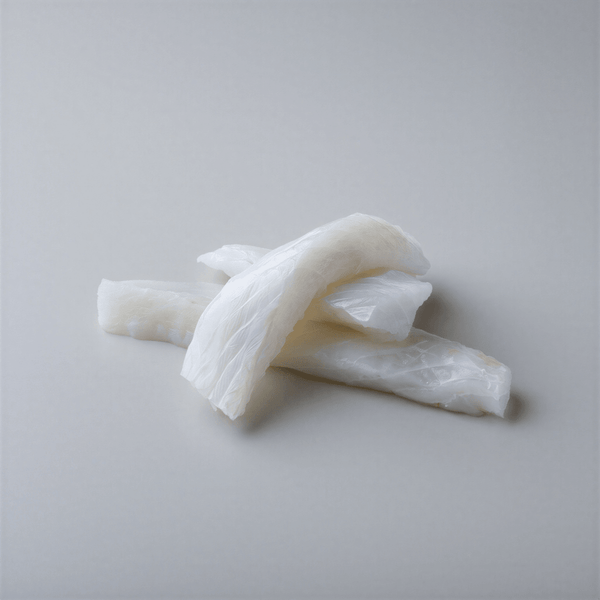
A good loin of desalted cod —North Atlantic Gadus morhua, well-cured, with defined flakes— maintains its texture even when fried and has a flavor that emerges through the batter. The contrast between the crispiness of the tempura and the juicy, flaky interior is the goal.
At Bacalalo, we have been selecting the best cod in Barcelona's Mercat del Ninot since 1990. See desalted cod loins — ideal for tempura, for battered dishes, and for any preparation where cod is the star.
Frequently Asked Questions About Cod Tempura
What is the difference between tempura flour and regular flour?
Tempura flour has a lower protein (gluten) content than regular wheat flour. Less gluten means less elasticity in the batter and a crispier, lighter crust. It also usually contains mixed cornstarch. If you don't have tempura flour, mix 2 parts all-purpose flour with 1 part cornstarch —it's a pretty good approximation.
Can I make cod tempura in a deep fryer?
Yes. Set the fryer to 190°C (375°F) and fry in small batches. The advantage of a deep fryer is that it maintains a more consistent temperature than a pan —very useful for achieving uniform results.
Why does my tempura turn out soft instead of crispy?
The most common reasons are: the oil wasn't hot enough, the batter was warm (not cold), too much cod was fried at once (lowering the oil temperature), or the fried cod was covered (steam softens the crust). Check these variables.
Can cod tempura be baked instead of fried?
Not exactly. Baked tempura doesn't yield the same result —the crust is different, more like breadcrumbs than tempura. For a healthier baked version, use panko (very fine Japanese breadcrumbs) which gives a different but satisfying crispy result.
Can beer be used instead of water for tempura?
Yes, and it's a popular variation. Very cold beer (preferably light and chilled) works well. The CO2 in the beer creates a more airy batter. The result is slightly different —fluffier than the water version, closer to "soldaditos de pavía" (cod fritters). You can also use very cold sparkling water.
Is cod tempura suitable for celiacs?
If you use gluten-free tempura flour (available in specialty stores) or substitute with rice flour + cornstarch, yes. Cod itself does not contain gluten. Make sure the oil has not been previously used to fry gluten-containing batters.
Can I make tempura in advance?
No. Tempura is a dish that should be prepared immediately —the batter is made when the oil is already hot, and the cod is served immediately after frying. Letting tempura sit will make it soft. It's the perfect dish to serve directly from the pan to the plate.
How much oil do I need to fry cod tempura?
The cod should be completely submerged in the oil —this ensures it fries evenly on all sides. For a deep 24-26 cm (9.5-10 inch) pan, you need at least 1.5-2 liters (6-8 cups) of oil. Re-use the oil by straining it after use (store it in the fridge) —it's good for 3-4 more fryings.
Can I use cod with skin for tempura?
Technically yes, but it's not ideal. The skin creates an uneven surface that makes the batter adhere inconsistently. For tempura, it's better without skin —the cod is cleaner and the crust is more uniform.
What cut of cod is best for tempura?
Regular pieces of loin, skinless, about 5-6 cm (2-2.5 inches) long and 2-3 cm (1 inch) thick. Very thin pieces (from the side of the cod) cook too quickly and become dry. Very thick pieces (from the center of the loin) can remain raw inside if the tempura is already golden. Uniformity of size is important for even cooking.