Summary: Cod with potatoes is one of the most sought-after and cooked dishes in Spanish gastronomy, with over 60,000 monthly searches. In this guide, you will find 5 complete recipes —baked, stewed, "a lo pobre" style, gratinéed, and in a casserole— with detailed ingredients, numbered steps, a comparative table, recommended potato types for each preparation, and 12 professional tips to ensure your cod is always juicy.
Table of Contents
- The perfect match of Spanish cuisine
- Which potato to choose for each recipe
- 1. Baked cod with potatoes
- 2. Stewed cod with potatoes
- 3. Cod "a lo pobre" (poor man's style)
- 4. Gratinéed cod with potatoes
- 5. Cod in casserole with panadera potatoes
- Comparative table of the 5 recipes
- Tips to keep cod from drying out
- Which cod cut for each recipe
- Frequently asked questions
- Related guides
The perfect match of Spanish cuisine
If there's one combination that defines Spanish home cooking, it's cod with potatoes. From Andalusian taverns to Basque farmhouses, passing through Catalan farmhouses and Galician dining rooms, this pairing appears on every table with regional variations that have been perfected over centuries. It's no coincidence: the cod's natural gelatin imbues the potato with flavor, while the potato's starch thickens the juices and creates unctuous sauces without needing anything else.
Historically, salted cod was the democratic fish: cheap, long-lasting, accessible even in inland villages days away from the sea. The potato, arriving from America in the 16th century, took time to establish itself but eventually became the universal accompaniment. Together, they formed dishes for Lent, for vigils, for weekdays and for family celebrations. This versatility explains why today, in the 21st century, "cod with potatoes" remains one of the most popular gastronomic searches in Spain.
In this guide, we present five different versions of the same classic. Each has its own character, texture, and moment. All five start with good desalted cod and potatoes cut with precision. The rest is simple technique, good ingredients, and a handful of tricks that make the difference between a decent dish and a memorable one.
Which potato to choose for each recipe
The potato is not just a filler; it's half the dish. Choosing the right variety determines whether the slices hold their structure or fall apart, whether the broth is thick or runny, whether the fry is crispy or soft. Spain produces several varieties with very different properties, and each cod with potato recipe calls for a specific one.
| Recipe | Ideal potato type | Alternative | Recommended cut | Why it works |
|---|---|---|---|---|
| Baked | Kennebec | Agria | 5 mm slices | Withstands long baking without falling apart and absorbs cod juices |
| Stewed | Monalisa | Kennebec | Irregularly broken chunks | Releases starch that naturally thickens the broth |
| A lo pobre | Kennebec | Agria | 8 mm thick slices | Best potato for frying: crispy outside, tender inside |
| Gratinéed | Monalisa | Red Pontiac | 3 mm thin slices | Creamy texture when cooked, integrates with béchamel |
| Casserole panadera | Agria | Monalisa | 4 mm thin slices | Absorbs fish broth and maintains firmness in the casserole |
Practical tip: If you can't find the exact variety, check the supermarket label. Potatoes labeled "for frying" are usually Kennebec or Agria; those labeled "for boiling" are usually Monalisa. For baking, either family works well.
1. Baked cod with potatoes
This is the most searched for recipe and, possibly, the easiest of the five. The oven does all the work: the potatoes roast in their own juices, the cod cooks gently over them, and the result is a clean, tasty dish with hardly any mess. It's the perfect recipe for weeknights when you want to eat well without much fuss, and also great for serving guests because presentation in a baking dish always looks impressive.
Ingredients (4 servings)
- 4 loins of desalted cod, about 200 g each
- 4 medium Kennebec potatoes (about 800 g total)
- 1 large onion, thinly sliced into rings
- 1 red bell pepper, cut into strips
- 3 cloves of garlic, sliced
- A handful of pitted black olives
- 100 ml extra virgin olive oil
- 1 teaspoon sweet paprika from La Vera
- Salt and black pepper
- Fresh parsley for serving
Step-by-step preparation
- Preheat the oven to 200 °C (400 °F) with top and bottom heat. Peel the potatoes and slice them into 5 mm thick rounds, as uniformly as possible to ensure even cooking.
- Grease a large baking dish with a drizzle of oil. Arrange the potato slices, overlapping them to form a bed. Sprinkle with salt, pepper, and paprika. Drizzle with half of the oil.
- Bake the potatoes alone for 15 minutes. This pre-baking is key to ensuring they are cooked through without the cod drying out.
- Remove the dish and place the cod loins on top of the potatoes, skin-side up. Distribute the onion rings, pepper strips, sliced garlic, and olives around them.
- Drizzle everything with the remaining oil, making sure the cod is well covered with fat. This is essential to prevent it from drying out.
- Bake for another 20-25 minutes, until the cod skin is lightly golden and the potatoes are tender when pierced with a knife. Sprinkle with fresh parsley before serving.
Total time: 40-45 minutes. Professional tip: If you want an extra touch, add half a glass of white wine over the potatoes before putting the dish in the oven. The alcohol evaporates and leaves an excellent aromatic base.
Related Bacalalo Products


Recommended Products

Natural Cod Liver Foie Gras - 120g | Cod Liver Smoked from I...
3,90 €

CHATKA Wild King Crab 60% Legs 40% Shredded...
95,00 €

Smoked Cod Carpaccio Artisanal Cut | P...
15,90 €

Dried Cod Cheeks (1 tray) - 500g
19,95 €
Refrigerated shipping 24-48h throughout the Peninsula
2. Stewed cod with potatoes
Stewed cod with potatoes is the spoon-friendly version, the dish that comforts in winter and always tastes better the next day. The key is in the broth: the broken potatoes release starch that naturally thickens the sauce, and the cod contributes gelatin that makes it unctuous. It's a slow, generous pot dish, perfect for preparing in quantity and dividing over several days. The cod and chickpea stew shares this same philosophy of nourishing stew.
Ingredients (4 servings)
- 600 g of desalted cod in steaks with bone
- 4 medium Monalisa potatoes
- 1 large onion, finely chopped
- 3 cloves of garlic, minced
- 1 ripe tomato, grated
- 1 teaspoon sweet paprika
- 1 bay leaf
- 600 ml fish broth (or water)
- 80 ml extra virgin olive oil
- Salt to taste and fresh parsley
Step-by-step preparation
- Heat the oil in a large casserole over medium heat. Sauté the chopped onion for 10 minutes, stirring occasionally, until transparent. Add the minced garlic and sauté for 2 more minutes.
- Add the grated tomato and cook for 5 minutes until the water evaporates. Add the paprika, stir quickly to prevent it from burning, and immediately add the potatoes.
- Peel the potatoes and, instead of cutting them with a knife, break them: insert the tip of the knife and pry to break them irregularly. This way, they release more starch and the broth becomes thicker.
- Cover with fish broth, add the bay leaf, and bring to a boil. Reduce the heat to medium-low and cook for 20 minutes until the potatoes are almost tender.
- Place the cod steaks over the potatoes, without fully submerging them. Cover the casserole and cook over low heat for 10 minutes. Do not stir: the cod breaks easily.
- Remove from heat and let rest, covered, for 5 minutes. Serve in deep plates with a drizzle of raw extra virgin olive oil and chopped parsley.
Total time: 50-55 minutes. Professional tip: This stew improves significantly if prepared a few hours in advance and gently reheated. Resting allows the potatoes to absorb more broth and the flavors to integrate. If you need to desalt cod at home, allow 24-48 hours beforehand.
3. Cod "a lo pobre" (poor man's style)
Cod "a lo pobre" was born from resourceful cooking: a dish that emerged when available ingredients were few but ingenuity was abundant. The original recipe was simply what was found in any rural pantry: potatoes, onion, pepper, and olive oil. Salted cod, for its part, was the fish that reached the interior of the peninsula without the need for refrigeration. Together, cooked in the same oil to take advantage of every drop of flavor, they created a dish that today is proudly served by restaurants throughout Spain. It's a close relative of Navarran "ajoarriero" cod, another gem of humble cuisine.
Ingredients (4 servings)
- 4 loins of desalted cod (200 g each)
- 4 large Kennebec potatoes
- 2 Italian green bell peppers
- 2 large onions
- 4 whole garlic cloves
- Flour for dredging
- Plenty of olive oil for frying
- Salt and sweet paprika
Step-by-step preparation
- Peel the potatoes and cut them into thick slices, about 8 mm. Dry them well with a kitchen towel. Heat plenty of olive oil in a large skillet and fry the potatoes over medium heat until golden and tender inside, about 12-15 minutes. Set aside on absorbent paper.
- In the same oil, fry the green bell peppers cut into large pieces for 5 minutes, until tender but still with some texture. Set aside with the potatoes.
- Dry the cod loins with paper towels and dredge them in flour, shaking off any excess. Fry them in the same oil for 3 minutes per side over medium-high heat. The cod should be golden but juicy inside. Set aside.
- Remove some of the oil and sauté the onion cut into thick rings and the whole garlic cloves over medium heat for 10 minutes, until the onion is golden and caramelized.
- Assemble the dish in layers: fried potatoes as the base, cod loins on top, and crown with the peppers and caramelized onion. Sprinkle with a little sweet paprika.
- Serve immediately. This dish doesn't wait: the charm lies in the contrast between the crispy potato, the hot cod, and the juicy vegetables.
Total time: 35-40 minutes. Professional tip: The secret to authentic "a lo pobre" is to reuse the same oil for everything. Each ingredient leaves its flavor in the fat, and the next picks it up. The order matters: first potatoes, then peppers, then cod, finally onion.
4. Gratinéed cod with potatoes
Gratinéed cod with potatoes is the most festive of the five versions. The béchamel provides creaminess, the gratinéed cheese creates a crispy, golden crust, and underneath, alternate layers of tender potato and shredded cod await. It's a Sunday dish, for family gatherings, for "today I'm cooking and I want to show off." It requires one more step than the other versions —the béchamel— but the result more than justifies it.
Ingredients (4 servings)
- 500 g of shredded desalted cod
- 4 medium Monalisa potatoes
- 100 g grated Emmental or Gruyère cheese
- Fresh chopped parsley
- For the béchamel: 50 g butter, 50 g flour, 500 ml whole milk, nutmeg, salt, and white pepper
Step-by-step preparation
- Peel the potatoes and slice them thinly, 3 mm (a mandoline makes this step much easier). Cook them in salted water for 8-10 minutes, until al dente. Drain carefully so they don't break.
- Prepare the béchamel: melt the butter over medium heat, add the flour, and stir for 2 minutes without letting it brown. Gradually add the milk, stirring constantly with a whisk, until you get a smooth, thick cream. Season with salt, white pepper, and a pinch of nutmeg.
- Shred the cod into medium pieces with your hands, removing bones and skin.
- Grease an oven-safe dish and assemble the layers: first a layer of potatoes, then shredded cod, a little parsley, and a layer of béchamel. Repeat until all ingredients are used, always finishing with béchamel.
- Cover with grated cheese and bake at 200 °C (400 °F) for 20 minutes. Activate the grill for the last 5 minutes to brown the surface until golden and bubbly.
- Remove from the oven and let rest for 5 minutes before serving. This allows the layers to set and the cuts to be clean.
Total time: 50-55 minutes. Professional tip: For a perfect béchamel, the milk should be warm (not cold) when you add it to the flour. This prevents lumps. And don't skimp on nutmeg: it's the touch that makes all the difference in this gratin.
5. Cod in casserole with panadera potatoes
The earthenware casserole version is the most rustic and looks best served directly at the table. Panadera potatoes—thinly sliced and slowly cooked with onion and broth—melt into the cod's juices, creating an unctuous and aromatic base. The presentation in the casserole itself has that homemade charm that makes everyone ask for seconds. The technique shares similarities with traditional green sauce, where the cooking liquid is key.
Ingredients (4 servings)
- 4 loins of desalted cod with skin (200 g each)
- 4 medium Agria potatoes
- 2 large onions, thinly sliced julienne
- 4 cloves of garlic, sliced
- 1 roasted red pepper (or canned) in strips
- 400 ml fish broth
- 100 ml extra virgin olive oil
- 1 bay leaf
- Salt, pepper, and fresh parsley
Step-by-step preparation
- In an earthenware casserole (or a shallow iron casserole), heat the oil over medium heat. Sauté the julienned onion and sliced garlic for 15 minutes, stirring often, until the onion is very tender and begins to caramelize.
- Peel the potatoes and slice them thinly, 4 mm. Add them to the casserole over the onion, distributing them evenly.
- Pour in enough fish broth to just cover the potatoes. Add the bay leaf, salt, and pepper. Cook over medium heat for 15 minutes, uncovered, until the potatoes are tender and have absorbed some of the broth.
- Place the cod loins on top of the potatoes, skin-side up. Distribute the roasted red pepper strips around them.
- Place the casserole in a preheated oven at 180 °C (350 °F) for 15 minutes. The cod will cook gently with the steam from the broth, and the skin will be lightly toasted.
- Remove from the oven, sprinkle with fresh chopped parsley, and serve directly in the casserole, in the center of the table.
Total time: 50 minutes. Professional tip: If using an earthenware casserole, always heat it gradually to prevent cracking. And don't wash earthenware casseroles with soap: the clay absorbs flavors from previous cooking and improves with each use.
Comparative table of the 5 recipes
So you can choose the recipe that best suits your moment, here is a quick comparison of the five versions. Each has its own personality, effort level, and best occasion.
| Recipe | Total time | Difficulty | Best for... | Ideal season | Prepares in advance |
|---|---|---|---|---|---|
| Baked | 40-45 min | Easy | Quick weekday dinner | All year | No (best served immediately) |
| Stewed | 50-55 min | Easy | Comforting winter meal | Autumn-winter | Yes (improves with resting) |
| A lo pobre | 35-40 min | Medium | Tapas, informal dinner | All year | No (serve immediately) |
| Gratinéed | 50-55 min | Medium | Sunday meal, guests | Autumn-winter | Yes (assemble and bake later) |
| Casserole panadera | 50 min | Easy | Serving at table, family gathering | All year | Partial (prepare base and bake later) |
Tips to keep cod from drying out
The most common mistake when cooking cod with potatoes is overcooking, which leaves the fish dry, fibrous, and unappetizing. Cod, unlike other fish, has very little fat of its own. This means it dries out quickly if not protected. These eight tips will ensure juicy cod in any of the five recipes.
- Do not add the cod from the beginning. Potatoes need more cooking time than cod. Always pre-cook the potatoes before incorporating the fish, whether in the oven, casserole, or stew.
- Generous oil, always. Cod needs external fat to stay juicy. Don't skimp on extra virgin olive oil over the loins, especially in baked recipes.
- Cook skin-side up in the oven. The skin acts as a natural barrier that protects the flesh from direct heat. It also toasts lightly, adding a very pleasant crispy texture.
- Control the temperature. Cod cooks at moderate temperatures: 180-200 °C (350-400 °F) in the oven, medium-low heat in a stew. At high temperatures, the protein contracts and expels all moisture.
- Rest before serving. Let the cod rest for 3-5 minutes off the heat. The internal temperature balances, and the juices redistribute throughout the piece.
- Dry the cod well before cooking. Excess surface water, especially in recently desalted cod, generates steam that overcooks the surface. Dry it with paper towels.
- Use quality cod. A good loin of Icelandic salted cod, well-cured and well-desalted, has a flaky and juicy texture that lower-quality cods simply don't achieve.
- Do not cover the baking dish. Trapped steam overcooks the cod. Leave it uncovered so the skin can brown and cooking is gentle and controlled.
Which cod cut for each recipe
Not all cod cuts work equally well in every preparation. The loin is the meatiest and noblest piece, but steaks with bones add more flavor to the broth, and shredded cod integrates better into layered preparations. Choosing the right cut is as important as choosing the right potato. If you want to delve into all the possibilities, consult our guide to recipes with desalted cod.
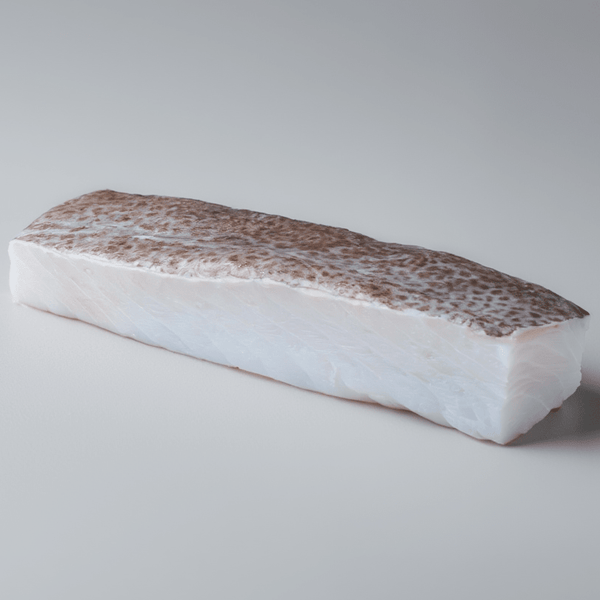
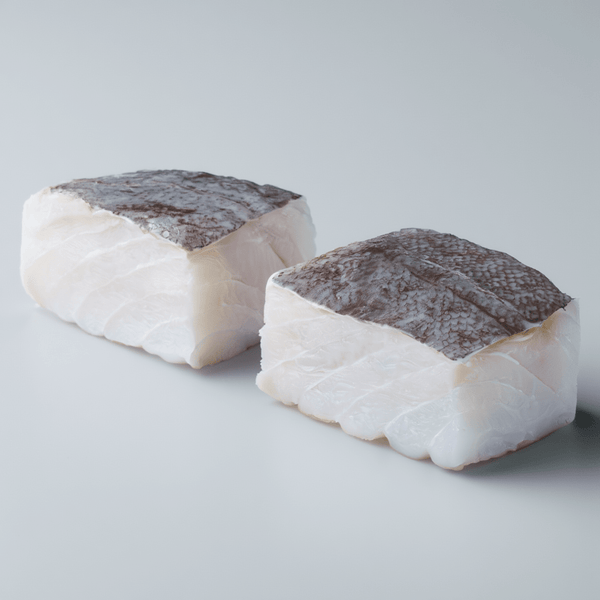
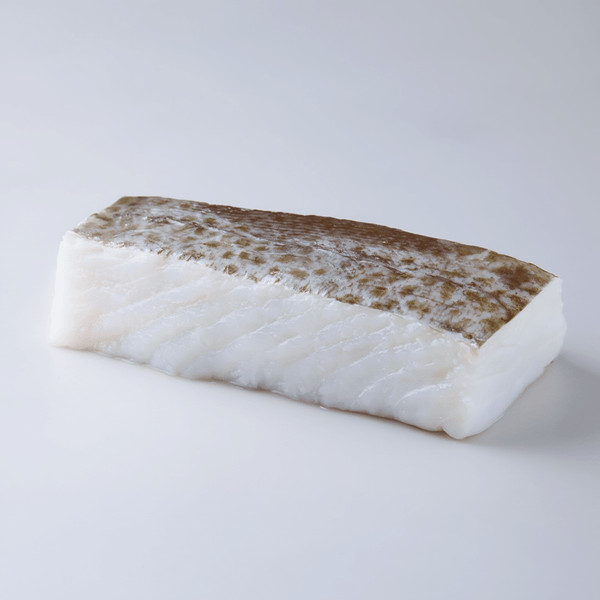
Loin with skin: This is the star cut for baked, "a lo pobre," and casserole panadera recipes. The thick, compact piece maintains its shape during cooking, and the skin toasts well. Look for loins at least 3 cm thick to ensure they remain juicy inside.
Steaks with bone: The best choice for stews. The central bone and cartilaginous gelatins enrich the broth extraordinarily. Additionally, when cooked slowly, the meat easily detaches from the bone, resulting in a more flavorful dish than with clean loin.
Shredded cod: Ideal for gratin. By shredding it by hand, you get irregular pieces that are evenly distributed between the layers of potato and béchamel. Make sure to remove bones and skin before shredding.
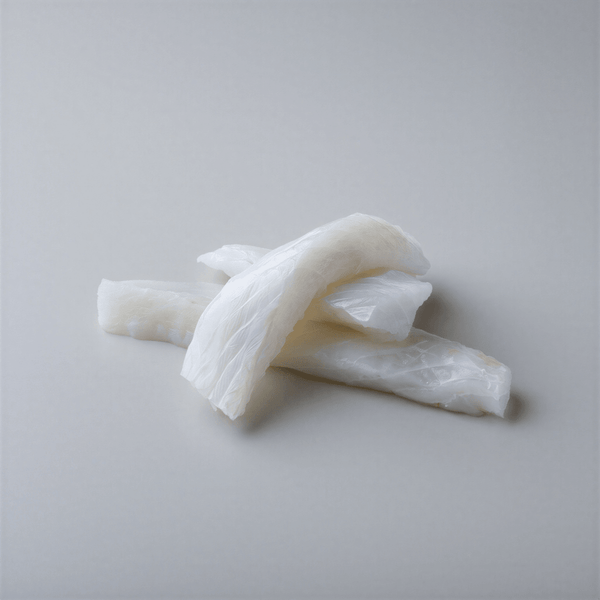
Cod flakes: An economical cut that works surprisingly well in stews and as a filling for leftover croquettes. They are not suitable for baking or "a lo pobre," where you need pieces with structure.
Frequently asked questions
Which cod cut is best with potatoes?
It depends on the specific recipe. For baked, casserole, and "a lo pobre" preparations, loin with skin is the best option because it maintains its structure during cooking, and the skin toasts, providing a textural contrast. For stews and broths, steaks with bone add much more flavor thanks to the natural gelatin in the cartilage. For gratins, shredded cod is ideal because it distributes evenly between the layers of potato and béchamel.
Can it be made with frozen cod?
Yes, frozen cod works well in baked and stewed versions, although the result will always be slightly inferior to that of salted cod desalted at home. Thaw completely in the refrigerator for 24 hours and dry thoroughly with paper towels before cooking. Quality desalted cod has a firmer, flakier, and more flavorful texture than most frozen supermarket options.
How to prevent cod from drying out in the oven?
The main trick is not to add the cod at the beginning: bake the potatoes alone for 15 minutes, and only then place the fish on top. This way, the cod is only in the oven for 20-25 minutes instead of 40. Also, generously drizzle the loins with extra virgin olive oil before baking, as cod has little fat of its own and needs external fat to stay juicy. Placing it skin-side up also helps, as it acts as a protective barrier against direct heat.
Can these recipes be made in advance?
Two of the five recipes improve with resting: the stew and the casserole version gain flavor if prepared a few hours in advance and gently reheated. The gratin can be assembled in the dish, stored in the refrigerator, and baked directly from the freezer. However, the baked version loses texture when reheated, and the "a lo pobre" cod must be served immediately, as the fried potatoes lose their crispy texture in a matter of minutes. If you have leftovers of these three, it's best to store them in the refrigerator and consume them within 48 hours.
How many potatoes per person?
As a general rule, estimate 150-200g of potato per person if cod with potatoes is part of a meal with other dishes, which is equivalent to one medium potato. If it's the main course—which is most common—increase to 250-300g per person, meaning two medium potatoes or one large. In the case of gratin, the béchamel and cheese are quite filling, so 150g of potato per person is sufficient.
How long does cod need in the oven?
Cod needs between 20 and 25 minutes in the oven at 200 °C (400 °F), always counting from when it is added to the dish with the pre-cooked potatoes. A 200g loin, 3cm thick, will be perfect in 20 minutes; larger pieces may need up to 25 minutes. The most reliable indicator is that the flesh flakes easily when pressed with a fork and the skin is lightly golden. Never exceed 30 minutes, or the cod will become dry and unrecoverable.
Can I use fresh cod instead of salted?
You can, but the result will be different. Fresh cod has a softer texture and a more delicate flavor than desalted salted cod. The salting process changes the protein structure of the fish and gives it that flaky, firm, full-bodied texture that is difficult to replicate with fresh cod. If using fresh, season well with salt before cooking and reduce cooking times by 20%, as the flesh is more tender and cooks faster.
What garnish goes with cod and potatoes?
Cod with potatoes is a fairly complete dish on its own, but it can be accompanied by light garnishes. A green salad with a light vinaigrette is the most classic and appropriate option. Roasted or piquillo peppers pair especially well with any of the five versions. For baked and casserole recipes, a few slices of toasted bread for dipping in the sauce are almost obligatory. Avoid heavy garnishes that compete with the dish's prominence.
Can cod with potatoes be frozen?
The stewed version freezes reasonably well for a maximum of 2 months in an airtight container. The gratinéed version also withstands freezing if you haven't yet added cheese on top: freeze the assembled dish and gratinate directly from the freezer. The baked, "a lo pobre", and casserole versions do not freeze well because the potatoes change texture upon thawing, becoming mealy and unpleasant. If you have leftovers of any of these three, it's best to store them in the refrigerator and consume them within 48 hours.
What oil is best for these recipes?
Extra virgin olive oil, without a doubt. Cod with potatoes is a dish where the oil is tasted and savored; it's not just a cooking medium. For frying the potatoes for "a lo pobre" cod, you can use virgin olive oil (not extra virgin) if you want to save money, as frying requires a larger quantity. For baked, stewed, and casserole recipes, always use good quality extra virgin, especially the final drizzle added raw before serving.
How do I know if the cod is properly desalted?
The ultimate test is to cut a small piece from the thickest part of the loin and taste it raw: it should taste like fish with a mild hint of salt, never overly salty. Proper desalting takes between 24 and 48 hours in cold water in the refrigerator, changing the water every 8 hours. If the cod is bland, you've desalted it too much; if it's salty, it needs more soaking time. Keep in mind that potatoes absorb salt during cooking, so it's better for the cod to be slightly less salty than you expect.
What temperature should the oven be for cod?
The optimal temperature for baked cod is 200 °C (400 °F) with top and bottom heat, without a fan. This temperature allows the potatoes to roast well and the cod to cook gently without drying out. For gratin, maintain 200 °C (400 °F) during the main cooking and activate the grill only for the last 5 minutes to brown the cheese. For the casserole panadera, lower the temperature to 180 °C (350 °F) because the earthenware casserole retains a lot of heat, and you could overcook it if you use a higher temperature.
Related Guides
- 15 recipes with desalted cod: quick and easy ideas
- Cod with chickpeas: traditional stew step by step
- Bacalao al pil pil: classic Basque recipe
- Cod in green sauce with parsley and clams
- Baked gratinéed cod with béchamel
- Bacalao al ajoarriero: Navarran recipe
- How to desalt cod at home correctly
- Where to buy quality salted cod online
All these recipes start with good cod. If you want the best result, you need the best raw material: discover our premium desalted cod from Iceland, ready to cook, or our artisan salted cod to desalt at home to your liking. At Bacalalo, we have been working with cod since 1990 in Mercat del Ninot in Barcelona.
Products you might be interested in