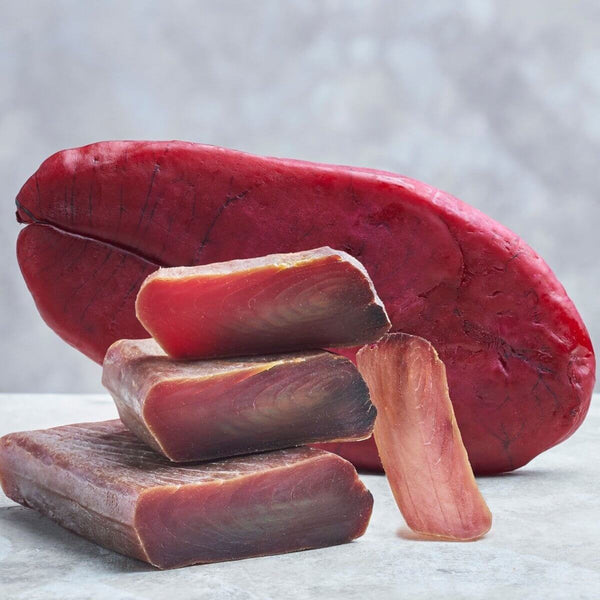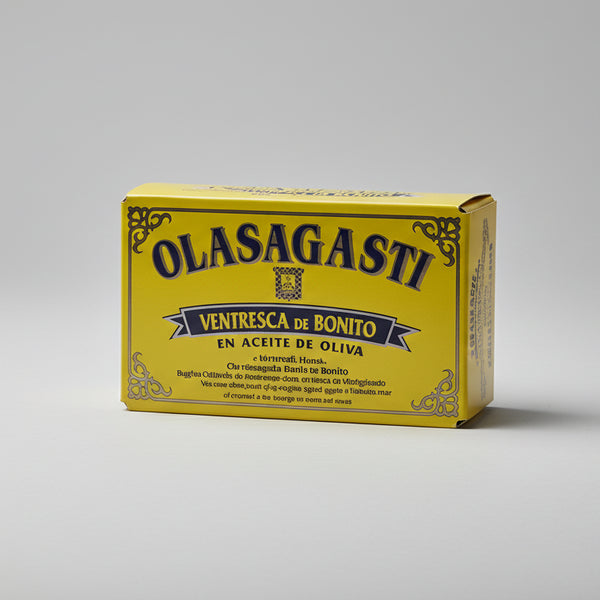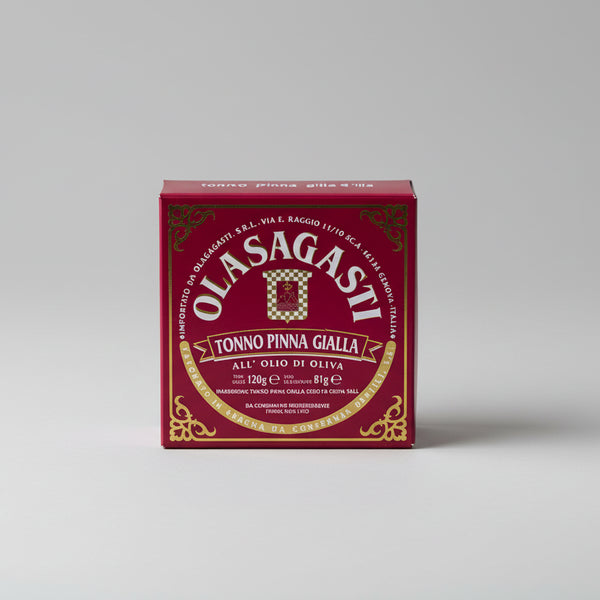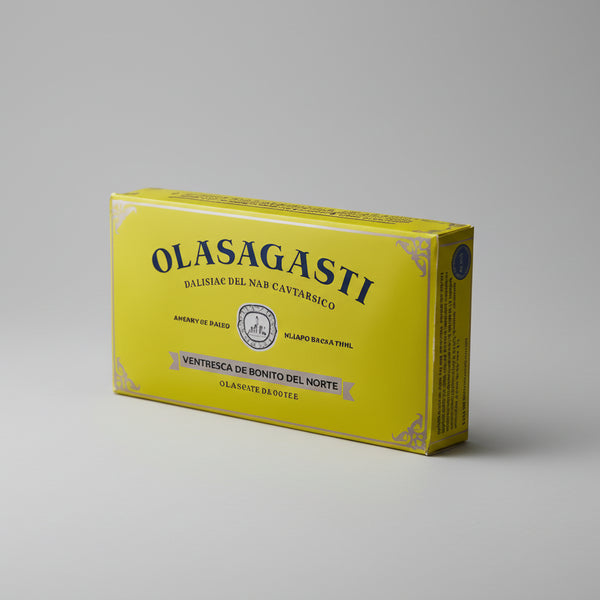
Light tuna is fine from 6 months (introduce white/small blue fish first). Red tuna is NOT recommended until 10 years old according to AESAN. Up to 10 years old: max. 1 serving/week of light tuna or bonito. Always avoid red tuna, swordfish, shark, and pike due to mercury content. Fish should be cooked, never raw.
⚠️ Medical Disclaimer: This guide is for informational purposes only and does not substitute the advice of your pediatrician or pediatric gastroenterologist. If there is a history of allergies, special diets, or specific concerns, always consult with your healthcare professional before introducing changes to your child's diet. Sources: AESAN, SEGHNP (Spanish Society of Pediatric Gastroenterology, Hepatology, and Nutrition) and AEP (Spanish Association of Pediatrics).
At what age can children start eating tuna
Clear answer according to AESAN (Spanish Agency for Food Safety and Nutrition):
- From 0 to 6 months: exclusive breastfeeding or formula. No fish introduction.
- From 6 to 12 months: gradual introduction of white fish (hake, sole, John Dory) and small blue fish (sardine, cooked anchovies). Light tuna can be introduced from 9-12 months in small quantities.
- From 1 to 10 years: light tuna or bonito up to 1 serving per week (pediatric portions: 30g up to 2 years, 50-60g up to 6 years, 80-100g up to 10 years). Completely AVOID red tuna, swordfish, shark, and pike.
- From 10 years onwards: can start consuming red tuna and swordfish with the same moderation as adults (1-2 servings/month maximum).
The reason is the same as during pregnancy: methylmercury is a neurotoxin for the developing nervous system. Children up to 10 years old are in the "vulnerable population" category according to AESAN.
Risks to consider: mercury, allergy, bones, and salt
Three key precautions when introducing tuna to children:
1. Mercury (the main concern)
The infant brain continues to develop until adolescence. Methylmercury can affect myelination, synaptic connections, and cognitive development. This is why AESAN includes children up to 10 years old in the vulnerable group, along with pregnant and breastfeeding women.
2. Fish allergy
Fish is one of the 14 allergens requiring mandatory declaration. It usually appears in the first years of life. When introducing it, do so in small quantities and observe for 3-5 days before increasing. If there is a family history of food allergy, consult your pediatrician first.
3. Bones and salt
For children under 3 years old, make sure to remove all bones (including small ones). Limit added salt and prioritize "natural" or low-salt canned tuna for the little ones. Standard canned tuna can have 300-400 mg of sodium/100g, which is too much for babies.

Verifiable data — AESAN, SEGHNP
Verifiable data according to AESAN and SEGHNP (Spanish Society of Pediatric Gastroenterology, Hepatology, and Nutrition):
| Parameter | Value | Source |
|---|---|---|
| Minimum age light tuna | 9-12 months | SEGHNP / AESAN |
| Minimum age red tuna / swordfish | 10 years | AESAN 2019 |
| Mercury in light tuna | 0.1-0.2 mg/kg | AESAN |
| Mercury in red tuna | 0.3-1.0 mg/kg | AESAN/EFSA |
| Mercury in sardines/anchovies | < 0.05 mg/kg | AESAN (safer) |
| Pediatric portion 1-3 years | 30-40 g fish | SEGHNP |
| Pediatric portion 4-6 years | 50-60 g fish | SEGHNP |
| Pediatric portion 7-10 years | 80-100 g fish | SEGHNP |
| Fish servings/week for children | 3-4 servings (varying species) | AESAN / SENC |
Practical rules for giving tuna to children
Practical rules for safely giving tuna to children:
- Start with white fish (hake, sole, John Dory, cod) before blue fish.
- Introduce light tuna or bonito in small quantities from 9-12 months (1 tablespoon on the first day, gradually increasing).
- ALWAYS cooked or in sterilized cans. NEVER raw for children: no sushi, no tataki, no tartar, no refrigerated smoked fish.
- Boneless: check the fish before serving, especially for children under 3 years old.
- No added salt: canned fish already provides enough sodium.
- Light tuna / bonito yes, red tuna NO until 10 years old.
- Maximum 1 serving per week of light tuna/bonito for children up to 10 years old.
- Vary other fish servings with sardines, anchovies (cooked), hake, salmon. More variety = less risk of excess of a single contaminant.

Quantities by age
Approximate quantities by age (pediatric portions SEGHNP):
- 9-12 months: start with 1-2 tablespoons (15-25g) of well-mashed or small-flake light tuna. Increase gradually.
- 1-3 years: 30-40g per serving. Max 1 tuna serving/week.
- 4-6 years: 50-60g per serving. 1 tuna serving/week.
- 7-10 years: 80-100g per serving. 1 tuna serving/week.
- 11+ years: adult portion (100-125g). Red tuna and swordfish can be incorporated in moderation.
In all cases, portions are calculated based on the drained or cooked weight of the tuna, not including oil/liquid.
Ideal fish for children
Ideal fish for children, with low mercury and very nutritious:
- Cooked sardines and anchovies (NOT in vinegar): omega-3 and calcium (with crushed bones for younger children).
- Hake and sole: mild white fish, ideal for introduction.
- Cooked fresh salmon: omega-3, flavor that children like.
- Cooked desalted cod: soft texture, moderate omega-3.
- Trout: similar to salmon in omega-3 profile, very easy to cook.
- Mackerel / horse mackerel / scad: small blue fish with very little mercury.
The golden rule: small fish = low mercury = safer for children. Large predators are reserved for older ages.

How to introduce tuna into infant feeding
Guidelines for an orderly introduction:
- First white fish (6-9 months).
- Then small blue fish (cooked sardines, anchovies) between 9-12 months.
- Light tuna/bonito in small quantities from 9-12 months.
- Red tuna and swordfish ONLY after 10 years of age.
Textures: for children under 2 years old, prefer tuna in small flakes or mashed, mixed with soft vegetables (zucchini, pumpkin, potato). Avoid large pieces that could pose a choking hazard.
Tuna recipes for children
- Pasta with tuna and mild tomato: macaroni, 60g drained light tuna, natural unsalted crushed tomatoes. Complete protein + carbohydrate contribution.
- Homemade tuna croquettes: smooth béchamel + tuna + egg + breadcrumbs. Baked for less fat.
- Small baked tuna empanadillas: healthy version of the classic.
- Grilled tuna with mashed potatoes: for older children who can handle flaked fish.
- Homemade pizza with tuna and corn: the trick to get them to eat fish without complaining.
If fish allergy is suspected
Symptoms to watch for in the first hours after introducing it: rash, swelling, repeated vomiting, difficulty breathing. If these appear, stop consumption and consult your pediatrician (they may refer you to a pediatric allergist).
Fish allergy is usually specific to the family (tuna/bonito/mackerel are scombrids; hake/cod/sole are gadids; salmon/trout are salmonids). Not everyone reacts to all of them.
Conclusion
Light tuna and northern white tuna are perfectly safe and nutritious for children from 9-12 months, in pediatric portions and a maximum of once a week. They provide high biological value protein, omega-3 for brain development, vitamins B12 and D, and iron. Red tuna, swordfish, shark, and pike are excluded until age 10 due to their mercury content.
The winning strategy: vary fish types. Sardines, anchovies (cooked), hake, salmon, and cod are as nutritious or more so than tuna for young children, with a superior safety profile. If you have specific doubts (allergies, special diets, child's weight), always consult your pediatrician or pediatric gastroenterologist before making significant changes.
⚠️ Medical Disclaimer: This guide is for informational purposes only and does not substitute the advice of your pediatrician or pediatric gastroenterologist. If there is a history of allergies, special diets or specific concerns, always consult with your healthcare professional before introducing changes to your child's diet. Sources: AESAN, SEGHNP (Spanish Society of Pediatric Gastroenterology, Hepatology, and Nutrition) and AEP (Spanish Association of Pediatrics).
Related articles
- Mercury in tuna: how much you can safely eat
- Mercury in fish: complete table by species
- Fish: which to eat, which not to, and why during pregnancy
- Light canned tuna: how to choose
- Properties of tuna: complete benefits
- All tuna and bonito collection
Frequently asked questions
At what age can a baby eat canned tuna?
From 9-12 months in small quantities, choosing light tuna or bonito (never red). Start with 1-2 well-drained tablespoons and observe for 3-5 days before repeating.
How much tuna can a child eat per week?
Maximum 1 serving per week of skipjack/bonito tuna for children up to 10 years old, in pediatric portions (30-100 g depending on age). Vary with other fish on other days.
Why can't children eat red tuna?
Due to its methylmercury content, which can affect nervous system development. AESAN recommends avoiding red tuna, swordfish, shark, and pike in children under 10 years of age.
Is canned tuna safe for children?
Yes, skipjack/bonito tuna in sterilized cans is safe (it carries no risk of listeria or anisakiasis as it is pasteurized). Watch the sodium: choose "natural" or "low-salt" versions for little ones.
How many times a month can children eat tuna?
Maximum 4 times a month (1 serving/week) of skipjack/bonito tuna. Zero red tuna or swordfish until age 10.
Can my baby develop an allergy to tuna?
Yes, fish is one of the 14 mandatory declarable allergens. Introduce it gradually and observe. If there is a family history of allergies, consult your pediatrician first.
Tuna or salmon for children?
Salmon has more omega-3 and similar mercury to skipjack tuna. Both are safe for children from 9-12 months. Varying between both is ideal.
Can I give my child tuna every day?
No. Maximum 1 serving per week of skipjack/bonito tuna. For the other fish servings (3-4 total/week), vary with sardines, anchovies, hake, salmon.
Which fish is better than tuna for children?
Sardines, cooked anchovies, hake, sole, salmon. They provide similar (or more in sardines) omega-3 with much less mercury. These are the fish of choice for infant feeding.
Can children eat tuna belly (ventresca)?
Yes, if it's bonito or skipjack tuna belly (not red tuna). Same rule: 1 serving/week, cooked or canned, and in a pediatric portion adapted to age.