Table of contents
Complete nutritional table: raw fresh tuna (100 g)
| Nutrient | Yellowfin tuna | Bluefin tuna | White tuna (Bonito del Norte) |
|---|---|---|---|
| Calories | 109 kcal | 144 kcal | 128 kcal |
| Proteins | 24.0 g | 23.3 g | 23.5 g |
| Total fats | 1.0 g | 4.9 g | 3.0 g |
| — Omega-3 (EPA+DHA) | 0.3 g | 1.3 g | 0.9 g |
| Vitamin D | 2.0 µg | 7.2 µg | 4.5 µg |
| Vitamin B12 | 2.1 µg | 9.4 µg | 3.2 µg |
| Vitamin B3 (niacin) | 18.5 mg | 8.7 mg | 17.0 mg |
| Selenium | 90.6 µg | 36.5 µg | 52.0 µg |
| Phosphorus | 278 mg | 254 mg | 265 mg |
| Potassium | 444 mg | 252 mg | 350 mg |
| Iron | 1.0 mg | 1.3 mg | 1.1 mg |
| Mercury (ppm) | 0.354 | 0.386 | 0.358 |
Protein and omega-3: the two nutritional pillars of tuna
Protein: With 23-24 g per 100 g, tuna is one of the most concentrated protein sources available. For comparison: chicken has 23 g, beef 21 g, eggs 13 g. And tuna protein is of high biological quality — it contains all essential amino acids in adequate proportions, with a PDCAAS (Protein Digestibility Corrected Amino Acid Score) of 1.0 (the maximum).
For athletes and people seeking muscle mass: 150 g of grilled fresh tuna provides 35 g of protein with only 165-200 calories. It's hard to find a more calorie-efficient protein source.
Omega-3: Here, the differences by species are enormous. Bluefin tuna has 1.3 g of EPA+DHA per 100 g thanks to its high-fat content. Yellowfin tuna, being leaner, only provides 0.3 g. If you're looking for omega-3, bluefin tuna or white tuna (bonito del norte) are the best options; yellowfin tuna is basically lean protein.
Selenium is another prominent nutrient: yellowfin tuna provides 90.6 µg per 100 g (165% of the daily value). Selenium is a powerful antioxidant, essential for thyroid function, and also forms complexes with mercury, reducing its toxicity.
Types of tuna: not all are created equal
| Type | Species | Weight | Fat | Best use | Fresh price |
|---|---|---|---|---|---|
| Bluefin tuna | Thunnus thynnus | 100-600 kg | High (5-40%) | Sashimi, tataki | 35-150 €/kg |
| Yellowfin tuna | Thunnus albacares | 30-100 kg | Low (1%) | Grilled, canned | 12-25 €/kg |
| White tuna (Bonito del Norte) | Thunnus alalunga | 5-30 kg | Medium (3%) | Canned, grilled | 8-18 €/kg |
| Skipjack | Katsuwonus pelamis | 3-8 kg | Low (1%) | Economical canned | 5-10 €/kg |
| Bigeye tuna | Thunnus obesus | 40-180 kg | Medium (3-5%) | Sashimi, tataki | 20-50 €/kg |
The rule is simple: the fattier the tuna, the more omega-3 and the more flavor. Bluefin tuna is the gastronomic standard; skipjack is the economical protein. Both have their place.
Canned vs fresh: what nutrients are lost
The canning process (sterilization at 121 °C for 45-60 minutes) alters the nutritional profile of tuna:
| Nutrient | Fresh tuna (100 g) | Canned tuna in olive oil (100 g drained) | Variation |
|---|---|---|---|
| Proteins | 24 g | 25.5 g | +6% (concentration) |
| Omega-3 | 0.3-1.3 g | 0.2-0.8 g | -20-40% |
| Vitamin D | 2-7 µg | 1.5-5 µg | -15-25% |
| B12 | 2-9 µg | 2-3 µg | Variable |
| Selenium | 36-90 µg | 60-80 µg | Maintained |
| Sodium | 39-50 mg | 350-450 mg | +700% |
| Calories | 109-144 | 170-210 | +40-50% (due to oil) |
Protein and selenium are well preserved. Omega-3 loses 20-40% due to thermal oxidation. Sodium multiplies due to brine. And calories increase due to absorbed oil. Canned remains nutritious, but fresh is nutritionally superior.
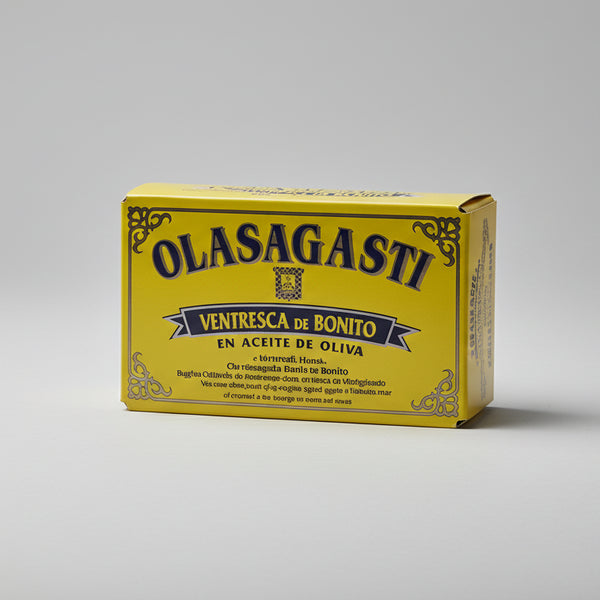
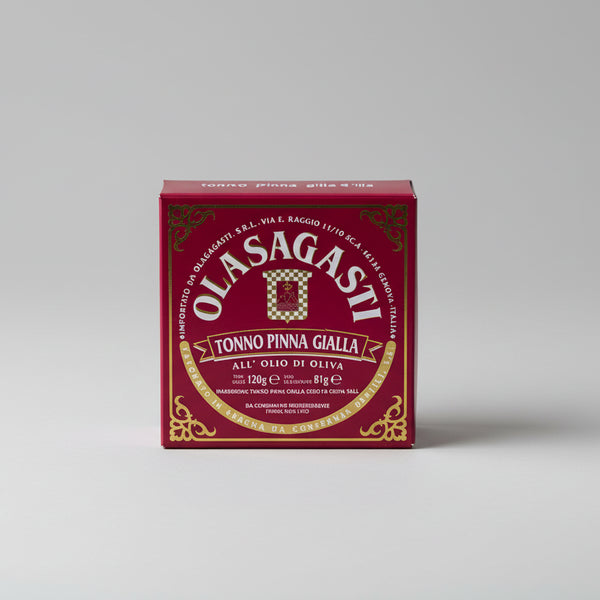
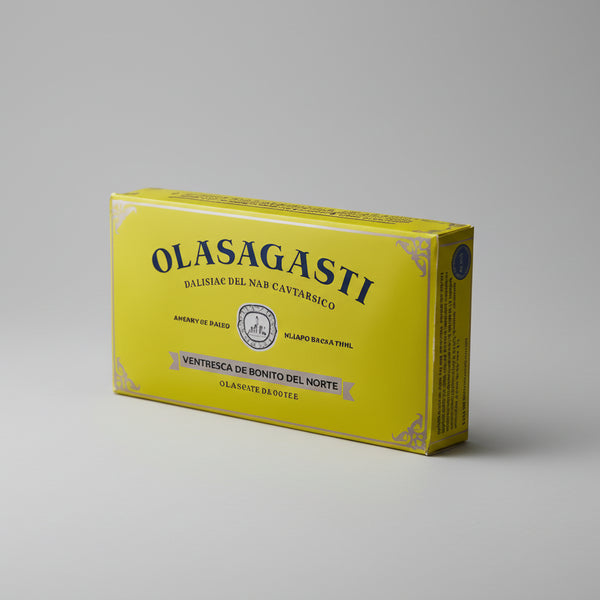
To always have quality tuna in your pantry, our canned tuna and bonito del norte offer whole loins in EVOO — seasonal raw material, not tropical import.
Calories by preparation
| Preparation | Calories / 100 g | Fat | Best for |
|---|---|---|---|
| Raw (sashimi) | 109-144 | 1-5 g | Maximum omega-3 |
| Grilled | 130-170 | 2-6 g | Protein without excess calories |
| Baked | 135-175 | 2-7 g | Uniform cooking, versatile |
| Canned (olive oil) | 190-210 | 8-12 g | Convenience, pantry |
| Canned (in water) | 110-130 | 1-2 g | Low-calorie diets |
| Canned (pickled) | 170-195 | 6-9 g | Different flavor |
| Tataki | 120-150 | 2-5 g | Seared exterior, raw interior |
Contraindications: when to limit tuna
Mercury: Tuna accumulates methylmercury through bioaccumulation. Healthy adults: 2-3 servings/week without problem. Pregnant women and children: limit to 1 serving/week of yellowfin tuna, avoid bluefin tuna. Sardines, salmon, and cod are alternatives with minimal mercury.
Histamine: Improperly stored tuna (cold chain breakage) accumulates histamine due to histidine decomposition. This can cause "scombroid poisoning" — facial flushing, headache, diarrhea. It's not an allergy — it's histamine poisoning. Key symptom: metallic or peppery taste. If the tuna tastes off, don't eat it.
Gout: Tuna contains purines (150-200 mg/100 g). People with hyperuricemia should limit consumption to 1-2 servings/week.
Anisakis: Tuna for raw consumption (sashimi, tataki, tartar) must be frozen at -20 °C for 5 days or at -35 °C for 15 hours according to regulations (EC Regulation 853/2004). Restaurants are obligated; at home, ensure your freezer reaches a real -20 °C.
Canned bonito del norte is the most practical way to consume quality tuna with fewer worries — sterilization eliminates anisakis and canning keeps the cold chain stable. Explore our selection of tuna and bonito.
Keep exploring
Mercury in tuna · Tuna parts: cuts and uses · Perfect grilled tuna recipe · Easy canned tuna recipes
Frequently asked questions
How much protein does tuna have?
23-25 g per 100 g, both fresh and canned. It is one of the most concentrated protein sources, with all essential amino acids and a PDCAAS of 1.0 (maximum biological quality).
Does canned tuna have omega-3?
Yes, but less than fresh. Canned yellowfin tuna has 0.2-0.3 g EPA+DHA per 100 g. Canned bonito del norte, 0.6-0.8 g. The thermal process reduces omega-3 by 20-40%.
Does tuna make you fat?
Fresh tuna is one of the leanest foods available: 109-144 kcal/100 g with 24 g of protein. Canned in oil, it rises to 190-210 kcal due to the absorbed oil. Canned in water remains low (110-130 kcal).
Can I eat tuna every day?
It is not recommended due to mercury. AESAN and EFSA recommend diversifying fish consumption. 2-3 servings of tuna per week for healthy adults is safe. Alternate with sardines, salmon, and cod.
What type of tuna is healthiest?
Bonito del Norte offers the best balance: good omega-3 (0.9 g/100 g), high protein, moderate mercury, and an accessible price. Bluefin tuna has more omega-3 but more mercury and is very expensive. Canned skipjack is the safest option for mercury.
Is tuna good for athletes?
Excellent. 150 g of grilled fresh tuna provides 35 g of protein with 165-200 kcal. It is one of the most efficient sources of protein per calorie. Additionally, the niacin (B3) in yellowfin tuna (18.5 mg/100 g) supports energy metabolism.