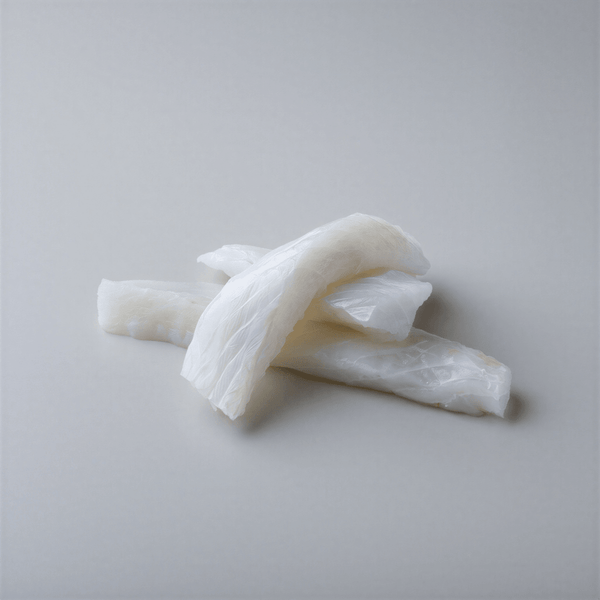
During pregnancy, you should eat 2-3 servings of fish per week (AESAN/WHO), but avoid species high in mercury such as swordfish, bluefin tuna, shark, and pike. Cod, hake, sardines, and cooked salmon are safe options rich in omega-3s and DHA, essential for fetal brain development.
Table of Contents
Why Fish Matters in Pregnancy
Fish is the most important dietary source of long-chain omega-3 fatty acids, specifically DHA (docosahexaenoic acid) and EPA (eicosapentaenoic acid). DHA is a structural component of the fetal brain and retina — it accounts for 40% of the polyunsaturated fatty acids in the brain.
Studies published in The Lancet (2007, Hibbeln et al.) showed that women who consumed less than 340 g of fish/week during pregnancy had children with lower scores in verbal development, fine motor skills, and social behavior at 8 years of age, compared to those who consumed more.
In addition to DHA, fish provides:
- High-quality protein: 18-22 g per 100 g, with all essential amino acids.
- Iodine: essential for maternal thyroid function and fetal brain development. Marine fish provides 20-200 mcg/100 g.
- Vitamin D: especially oily fish (10-25 mcg/100 g in salmon). Many pregnant women are deficient.
- Selenium: an antioxidant that also helps counteract the effects of mercury.
- Heme iron: more bioavailable than vegetable iron.
The problem is not the fish. The problem is the mercury that some fish accumulate. And this is where precision is needed.
Mercury: Which Species to Avoid
Methylmercury is a contaminant that accumulates in the marine food chain through bioaccumulation. Large, long-lived predatory fish concentrate more mercury because they eat smaller fish for years.
Methylmercury crosses the placental barrier and the fetal blood-brain barrier. High exposures during neural development can cause cognitive deficits, delayed motor development, and attention problems. This is not alarmism — these are data from epidemiological studies in Minamata (Japan), the Faroe Islands, and Seychelles.
Species to AVOID during pregnancy (high mercury):
- Swordfish (Xiphias gladius): 0.97 mg/kg on average
- Shark (dogfish, mako, blue shark): 0.88 mg/kg
- Bluefin tuna (Thunnus thynnus): 0.69 mg/kg
- Pike (Esox lucius): 0.53 mg/kg
SAFE species (low mercury):
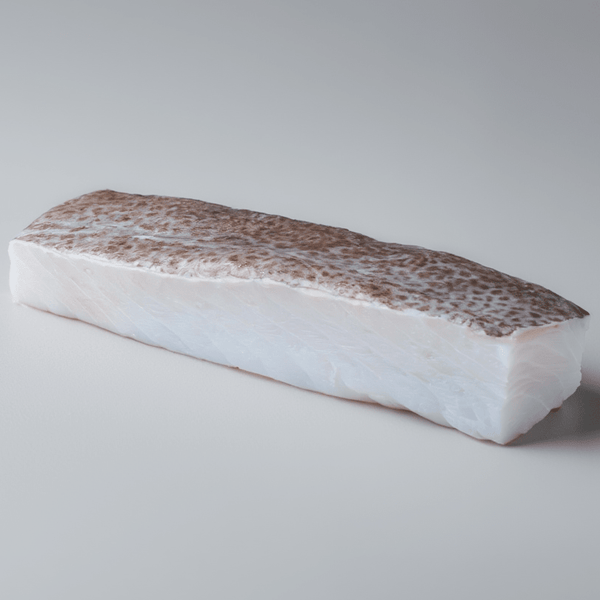
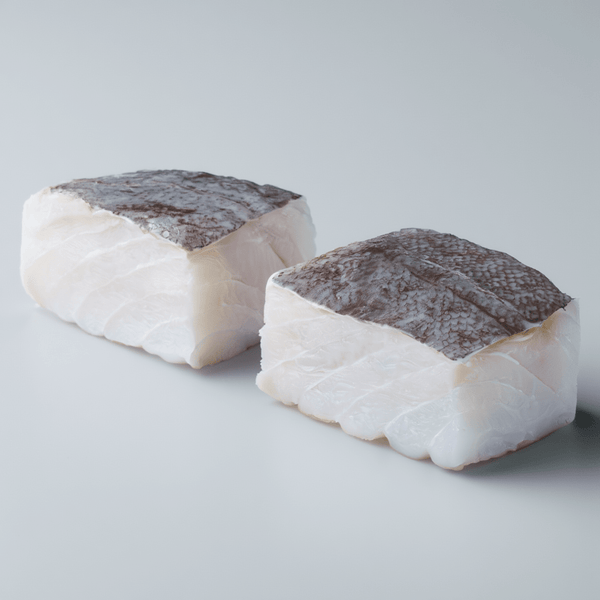
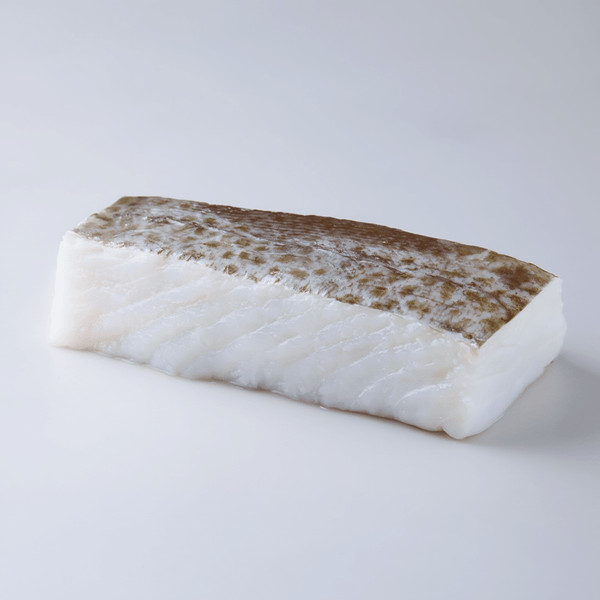
- Cod (Gadus morhua): 0.07 mg/kg
- Hake (Merluccius merluccius): 0.12 mg/kg
- Sardine (Sardina pilchardus): 0.04 mg/kg
- Salmon (Salmo salar): 0.05 mg/kg
- Anchovy (Engraulis encrasicolus): 0.04 mg/kg
- Trout (Oncorhynchus mykiss): 0.07 mg/kg
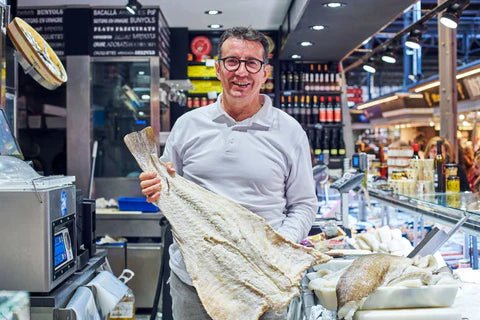
Salt cod is one of the safest and most nutritious options during pregnancy. See salt cod at Bacalalo
The Updated AESAN Table
The Spanish Agency for Food Safety and Nutrition (AESAN) published its updated recommendations on fish consumption in 2019, based on mercury levels measured in Spain:
| Population Group | Species to Avoid | Recommended Servings |
|---|---|---|
| Pregnant Women | Swordfish, shark, bluefin tuna, pike | 3-4 servings/week of low-mercury fish |
| Lactating Women | Swordfish, shark, bluefin tuna, pike | 3-4 servings/week of low-mercury fish |
| Children 0-10 years | Swordfish, shark, bluefin tuna, pike | 3-4 servings/week of low-mercury fish |
| Children 10-14 years | Limit swordfish and shark to 120 g/month | 3-4 servings/week |
| Adults | Limit high-mercury fish to 1 serving/week | 3-4 varied servings/week |
One fact few people know: AESAN does not say "don't eat fish." It says "eat more fish, but choose wisely." The benefit of DHA and the nutrients in fish far outweighs the risk of mercury if you choose the correct species.
Anisakis and Pregnancy
Anisakis (Anisakis simplex) is a parasite present in most marine fish. It is no more dangerous during pregnancy than outside of it, but an anisakis infection during gestation is particularly uncomfortable because treatment options are limited.
Rules to avoid anisakis during pregnancy:
- Always cook fish to an internal temperature of over 60°C.
- Do not eat raw fish (sushi, sashimi, ceviche, carpaccio) unless it has been previously frozen at -20°C for 5 days.
- Avoid homemade pickled anchovies unless they have been previously frozen.
- Canned goods are safe: the sterilization process eliminates anisakis.
- Freshwater fish (farmed trout) and mollusks (mussels, clams, cockles) do not contain anisakis.
Canned Fish: Are They Safe?
Yes, with nuances.
Canned fish goes through a sterilization process at 116-121°C that eliminates any pathogens, including anisakis and Listeria monocytogenes. They are microbiologically safe.
The only potential risk is mercury, which is not eliminated by cooking or sterilization. Therefore:
Safe canned goods during pregnancy: sardines, anchovies, small mackerel, albacore tuna, mussels, cockles, light tuna (in moderation — maximum 2-3 small cans/week due to its medium mercury content).
Canned goods to limit: canned tuna (especially "large" tuna or "bluefin tuna belly"). Although canned light tuna (Thunnus albacares) has less mercury than fresh bluefin tuna, it is advisable not to overconsume it.
Canned sardines, anchovies, and bonito: safe protein and omega-3s for pregnancy. See gourmet canned goods
Smoked Salmon and Anchovies in Pregnancy
Smoked salmon. Here, we must distinguish between cold-smoked and hot-smoked. Cold-smoked salmon (the kind sold in slices, like "Norwegian smoked salmon") has NOT been cooked — the smoking temperature does not exceed 28°C. This leaves a residual risk of Listeria monocytogenes, a bacterium that can cause listeriosis, which is dangerous during pregnancy (it can cause miscarriage, premature birth, or neonatal infection).
AESAN recommendation: avoid cold-smoked salmon during pregnancy. If you consume it, it must have been previously frozen at -18°C for a minimum of 2 weeks (some experts consider this insufficient for Listeria).
Hot-smoked salmon (like "kipper" or flaked smoked salmon) is safe because it reaches temperatures above 65°C.
Salted and canned anchovies. Canned anchovies are safe — they are sterilized. Salted anchovies (those that come in a jar, cured in salt) are also safe because the high salt concentration (20-25%) prevents the growth of pathogens. However, their high sodium content (up to 3,500 mg/100 g) makes it advisable to consume them in moderation, especially if there is gestational hypertension.
How Many Servings Per Week
The consensus recommendation (WHO, AESAN, EFSA, FDA) is:
| Type of Fish | Servings/week pregnancy | Serving Size | Main Benefit |
|---|---|---|---|
| Small oily fish (sardines, anchovies, mackerel) | 2 | 100-150 g | DHA, EPA, vitamin D |
| White fish (cod, hake, sole) | 1-2 | 125-150 g | Protein, iodine, low mercury |
| Canned goods (sardines, anchovies, bonito) | 1-2 | 1 can (50-120 g) | Omega-3, calcium (sardines with bones) |
| Shellfish (mussels, cockles, cooked shrimp) | 1 | 100-150 g | Iron, zinc, iodine |
Total: 3-4 weekly servings of fish and shellfish, varying species and prioritizing those with low mercury. This provides about 200-300 mg of DHA per day, which is the recommended amount during pregnancy.
Summary Table: What to Eat and What Not to
| Food | Safe | Notes |
|---|---|---|
| Cooked cod | YES | Low mercury, rich in protein and iodine |
| Cooked hake / sole | YES | Low mercury |
| Sardines (fresh cooked or canned) | YES | Excellent source of DHA and calcium |
| Cooked / baked salmon | YES | Rich in DHA and vitamin D |
| Cold-smoked salmon | NOT recommended | Risk of Listeria |
| Canned goods (sardines, anchovies, bonito) | YES | Sterilized, safe |
| Pickled anchovies | Only if previously frozen | Risk of anisakis if not frozen |
| Sushi / sashimi | Only if previously frozen | Risk of anisakis and bacteria |
| Swordfish / shark | NO | High mercury |
| Fresh bluefin tuna | NO | High mercury |
| Canned light tuna | YES with moderation | Maximum 2-3 cans/week |
| Cooked or canned mussels / cockles | YES | No anisakis, rich in iron |
| Cooked shrimp / prawns | YES | Low mercury, cook well |
Frequently Asked Questions
Can I eat sushi during pregnancy?
Only if the fish has been previously frozen at -20°C for at least 5 days (domestic freezer) or 24 hours at -20°C (industrial freezer). Many Japanese restaurants in Spain freeze fish by regulation. Ask the restaurant. If in doubt, avoid it.
Do canned sardines with bones provide calcium?
Yes. The soft bones in canned sardines are edible and provide up to 382 mg of calcium per 100 g — more than a glass of milk (125 mg/100 ml). During pregnancy, calcium needs increase to 1,000 mg/day.
Is the mercury in canned tuna dangerous?
Canned light tuna (Thunnus albacares) has a medium mercury content (0.12-0.35 mg/kg), lower than fresh bluefin tuna. With 2-3 small cans per week, the safe limit is not exceeded. But if you eat tuna daily, you can accumulate it.
Can I eat shellfish during pregnancy?
Yes, always cooked. Cooked shellfish (shrimp, prawns, mussels, clams, cockles) is safe and nutritious. Avoid raw shellfish (oysters, raw goose barnacles) due to bacteriological risk. Canned shellfish is safe.
Is salt cod safe?
Yes. Salt cod is desalinated and cooked before eating. Cooking eliminates any risk of anisakis or bacteria. In addition, cod has one of the lowest mercury levels (0.07 mg/kg). It is an excellent option during pregnancy.
Do I need DHA supplements if I eat fish?
If you consume 2-3 weekly servings of oily fish (sardines, anchovies, salmon), you will probably reach the recommended 200-300 mg of DHA. If you don't eat fish regularly, a DHA supplement (fish oil or algal oil) is recommended. Consult your gynecologist.
Are canned anchovies too salty for a pregnant woman?
Canned anchovies have a high sodium content (1,500-3,500 mg/100 g). A reasonable serving is 4-6 anchovies (20-30 g), which provides 300-700 mg of sodium. If you do not have gestational hypertension or preeclampsia, this is an acceptable amount within a balanced diet.