Histamine is a biogenic amine that forms in fish due to bacterial action when the cold chain is broken. Species like tuna, mackerel, bonito, and sardines are at higher risk. Symptoms (hives, nausea, diarrhea) appear within 10-60 minutes and are often confused with food allergies. Prevention involves keeping fish below 4°C at all times.
Table of Contents
What is Histamine and Why Does It Matter?
Histamine is a biogenic amine — a molecule formed by the decarboxylation of the amino acid histidine. In the human body, histamine is a normal neurotransmitter and immune mediator: it regulates gastric secretion, participates in inflammatory responses, and modulates the nervous system.
The problem arises when we ingest excessive amounts of exogenous histamine from food. The body has enzymes (diamine oxidase, DAO, and histamine N-methyltransferase, HNMT) to break down histamine, but these enzymes have a limit. When the amount of histamine ingested exceeds the body's degradation capacity, symptoms appear.
The toxic threshold varies between individuals: healthy people usually tolerate up to 50-100 mg of histamine without symptoms. People with DAO deficiency (estimated 1-3% of the population) can react with as little as 10-20 mg. Regulation (EC) 2073/2005 sets a limit of 200 mg/kg in fresh fish and 400 mg/kg in fish subjected to enzymatic maturation (salted anchovies).
Histamine poisoning (called "scombroidosis" or "scombroid poisoning") is the most common fish-related food poisoning in Europe. In Spain, about 200-300 cases are reported annually to the SCIRI (Coordinated Rapid Information Exchange System), although the actual number is probably 10 times higher because many cases are self-treated with antihistamines and do not seek medical attention.
How It Forms in Fish
Histamine is not present in live fish. It forms after the animal's death, when bacteria containing the enzyme histidine decarboxylase convert histidine (a free amino acid abundant in certain species) into histamine.
Responsible bacteria include Morganella morganii, Klebsiella pneumoniae, Hafnia alvei, and Enterobacter aerogenes. These bacteria are ubiquitous — they are found in the marine environment, on work surfaces, and on fish skin.
Key factors for histamine formation are:
Temperature. Below 4°C, histamine production is practically zero. Between 4-10°C, it is slow. Above 15°C, it accelerates exponentially. At 25-30°C (room temperature in summer), a tuna can accumulate toxic levels of histamine in 4-6 hours.
Time. The longer the time outside refrigeration, the more histamine. The relationship is direct and cumulative.
Histidine content. Species with more free histidine in their muscle produce more histamine. Scombrids (tuna, mackerel, bonito) and clupeids (sardine, herring) are at highest risk because they have histidine levels of 1,000-1,500 mg/100g of muscle.
Key fact: histamine is heat-stable. Cooking, frying, grilling, or canning fish DOES NOT destroy already formed histamine. This is why it is possible to get poisoned by cooked fish or poorly prepared preserves. Prevention means maintaining the cold chain BEFORE any processing.
High-Risk Species
Not all fish carry the same risk. Species with high free histidine content are those that produce more histamine if the cold chain is broken:
High risk (scombrids):
- Bluefin tuna (Thunnus thynnus): histidine 1,200-1,500 mg/100g
- Yellowfin tuna (Thunnus albacares): histidine 1,000-1,300 mg/100g
- Albacore tuna (Thunnus alalunga): histidine 800-1,200 mg/100g
- Mackerel (Scomber scombrus): histidine 700-1,000 mg/100g
Medium risk:
- Sardine (Sardina pilchardus): histidine 400-700 mg/100g
- Herring (Clupea harengus): histidine 400-600 mg/100g
- Anchovy (Engraulis encrasicolus): histidine 300-600 mg/100g
- Swordfish (Xiphias gladius): histidine 300-500 mg/100g
Low risk:
- Cod (Gadus morhua): histidine 50-150 mg/100g
- Hake (Merluccius merluccius): histidine 50-100 mg/100g
- Salmon (Salmo salar): histidine 100-200 mg/100g
- Sole (Solea solea): histidine 30-80 mg/100g
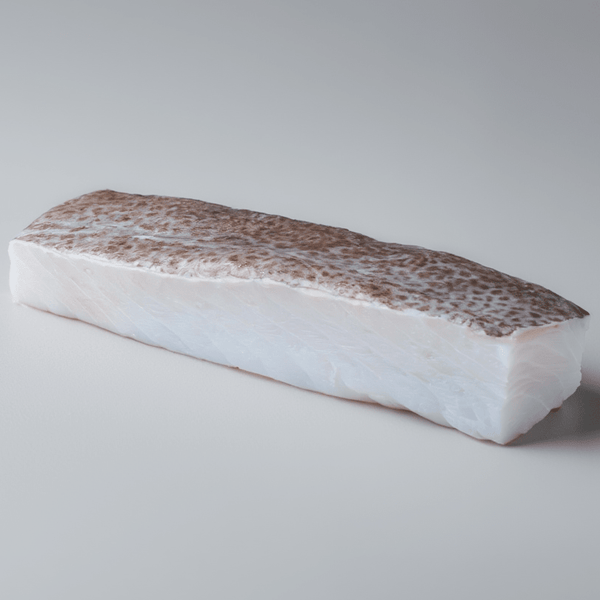
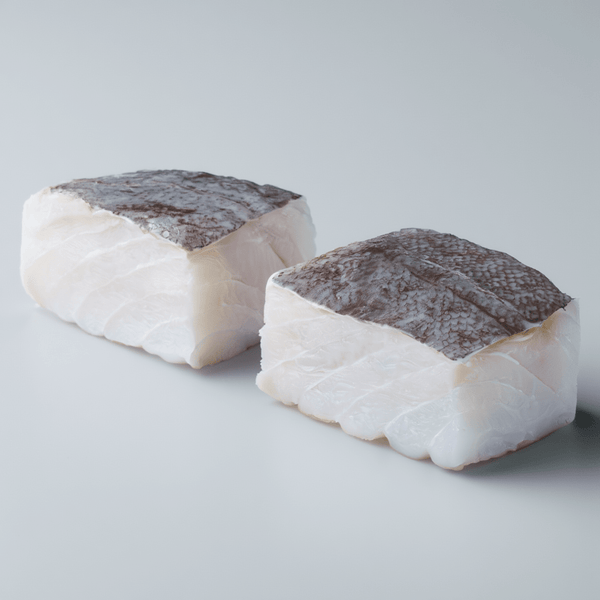
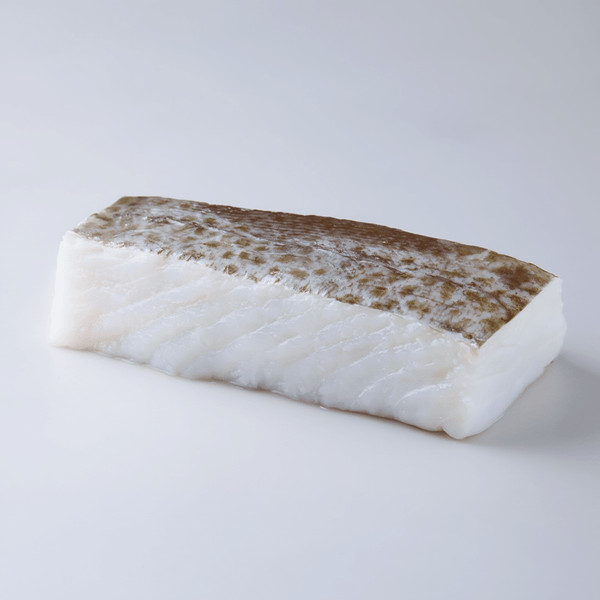
Cod has one of the lowest histidine levels, making it one of the safest options. View desalinated cod at Bacalalo
Symptoms of Histamine Poisoning
Symptoms appear quickly — between 10 minutes and 2 hours after ingestion, with a peak at 30-60 minutes. This distinguishes them from classic bacterial intoxications (salmonella, E. coli) which take 6-72 hours.
Skin symptoms (most common): facial and neck redness ("flushing"), hives, generalized itching, swelling of the lips. Occur in 80-90% of cases.
Gastrointestinal symptoms: nausea, vomiting, diarrhea, crampy abdominal pain. Present in 60-70% of cases.
Neurological symptoms: headache (most common, 50-60%), dizziness, palpitations, feeling of warmth. In severe cases (very rare): hypotension, respiratory distress.
The good news: histamine poisoning is self-limiting. Symptoms spontaneously resolve within 4-24 hours in most cases. An oral antihistamine (cetirizine, loratadine) speeds recovery. Only cases with severe cardiovascular or respiratory symptoms require urgent medical attention.
Confusion with food allergies is common. Many people who believe they are "allergic to tuna" or "allergic to mackerel" have actually suffered from histamine poisoning — not an allergy. The difference: an allergy always occurs with that species; histamine poisoning only occurs with poorly preserved fish.
Species Risk Table
| Species | Histidine (mg/100g) | Risk Level | Critical time out of refrigeration (20°C) |
|---|---|---|---|
| Bluefin tuna | 1,200-1,500 | Very high | 2-4 hours |
| Yellowfin tuna | 1,000-1,300 | High | 3-5 hours |
| Bonito | 800-1,200 | High | 4-6 hours |
| Mackerel | 700-1,000 | High | 4-6 hours |
| Sardine | 400-700 | Medium | 6-10 hours |
| Anchovy | 300-600 | Medium | 6-10 hours |
| Swordfish | 300-500 | Medium | 6-10 hours |
| Salmon | 100-200 | Low | 12-24 hours |
| Cod | 50-150 | Very low | 24+ hours |
| Hake | 50-100 | Very low | 24+ hours |
| Sole | 30-80 | Very low | 24+ hours |
How to Prevent Poisoning
Prevention is simple in theory and requires discipline in practice:
1. Maintain the cold chain. Fish must be kept at 0-4°C from catch to plate. At the market, ask for it to be put in an insulated bag with ice. At home, put it directly in the refrigerator (coldest area, usually the bottom shelf). Do not leave it on the counter "while you prepare dinner."
2. Buy from trusted sources. A fishmonger who rotates stock daily is more reliable than a supermarket where the tray has been on display for 3 days. Ask when the fish arrived — a serious professional will answer without a problem.
3. Be careful with tuna and bonito. These are the highest risk species. If you buy fresh tuna, consume it the same day or freeze it. Do not leave it "for tomorrow" in the refrigerator at 6°C.
4. The nose doesn't lie (but it's not foolproof). Histamine itself has no smell, but the same bacteria that produce it generate other amines (putrescine, cadaverine) that do smell bad. If the fish smells "rotten" or has an unusual "pungent" odor, discard it. But beware: in the initial stages of histamine production, the fish may smell normal.
5. Canned goods are safe if properly made. Canneries with quality controls (HACCP analysis) verify histamine levels in raw materials before canning. Canned goods from a reputable brand are safe. Homemade or dubious-origin canned goods are another matter.
6. Do not refreeze thawed fish. Thawing activates histamine-producing bacteria. If you thaw and refreeze, the bacteria will have produced histamine during the first thawing, and refreezing will not eliminate it.
Cold Chain and Storage
Histamine is formed by a combination of time and temperature. Here are practical rules by scenario:
| Scenario | Temperature | Safe Time (high-risk species) | Action |
|---|---|---|---|
| Freezer | -18°C or less | Indefinite (quality up to 3-6 months) | Best option for long-term storage |
| Refrigerator (cold zone) | 0-2°C | 48-72 hours | Consume quickly or freeze |
| Refrigerator (medium zone) | 4-6°C | 24-48 hours | Consume the same day or next |
| Insulated bag with ice | 2-8°C | 2-4 hours | Transport only, refrigerate upon arrival |
| Room temperature (20°C) | 18-22°C | 2-4 hours (tuna), 6-8 hours (cod) | AVOID. Do not leave fish out |
| Summer kitchen (28-32°C) | 28-32°C | 1-2 hours (tuna) | Maximum risk. Refrigerate immediately |
A tip for those who shop at the market on Saturdays: if you buy fresh tuna at 10 AM, stroll through the market for 30 minutes, take 20 minutes to get home, and leave the bag on the counter while you prepare an appetizer... you've had the tuna out of refrigeration for 1-2 hours. In summer, this can be enough for histamine production to begin.
Quality canned goods undergo strict histamine controls. A safe and convenient option to always have fish at home. View gourmet preserves at Bacalalo
Frequently Asked Questions
Does cooking destroy histamine?
No. Histamine is heat-stable — it resists cooking, frying, and sterilization temperatures. If the fish has already accumulated histamine before cooking, cooking will not eliminate it. Prevention is key: maintaining the cold chain to prevent histamine from forming in the first place.
Can I get poisoned by a can of tuna?
It is possible but very rare with reputable brands. Industrial canneries analyze histamine in raw materials (legal limit: 200 mg/kg). Documented cases usually involve homemade preserves, unknown brands, or defective batches. If the can smells strange when opened, discard it.
How do I distinguish histamine poisoning from an allergy?
Histamine poisoning affects anyone who eats that fish — if two people eat the same tuna and both have symptoms, it's histamine. An allergy is individual. Also, poisoning only occurs with poorly preserved fish, while an allergy always occurs with that species, regardless of its freshness.
Should people with histamine intolerance avoid all fish?
Not all, but they should be more careful. People with DAO deficiency should avoid high-risk species (tuna, mackerel, sardine, salted anchovy) and prioritize fresh white fish (cod, hake, sole) consumed on the day of purchase. Canned goods, having matured, accumulate more histamine and are less recommended.
Do salted anchovies have a lot of histamine?
Salted anchovies undergo enzymatic maturation for months, which results in higher histamine levels than fresh fish. The legal limit for these products is 400 mg/kg (double that for fresh fish). Quality canneries control these levels, but people with DAO deficiency should be cautious.
Does vinegar or lemon eliminate histamine?
No. Neither vinegar, nor lemon, nor any condiment destroys histamine. Acidic pH can slow bacterial growth but does not degrade already formed histamine. Only prevention (cold chain) works.