Mercury in fish varies enormously between species: swordfish and shark can have 10-40 times more mercury than cod, sardines, or mussels. In this comprehensive table, we compare mercury levels of over 30 species based on official data from AESAN and FDA, with specific recommendations for population groups.
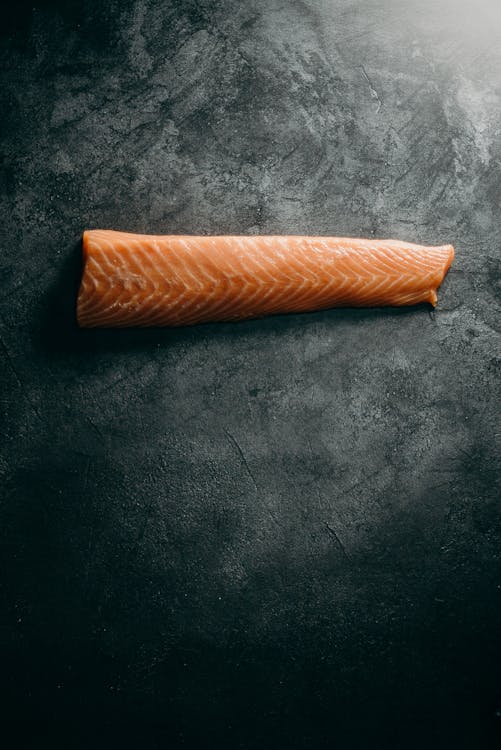
What is mercury in fish and why it matters
Mercury (specifically methylmercury) is a heavy metal that accumulates in fish tissue throughout their lives. It is a neurotoxin that, in high amounts, can affect the nervous system, especially during fetal development and early childhood.
The problem is not the fish itself — fish is one of the healthiest foods available, with high-quality protein, omega-3s, vitamin D, and selenium. The problem is that not all species accumulate the same amount of mercury, and the differences are enormous.
Knowing which fish have more and less mercury allows you to enjoy the benefits of fish while minimizing the risks. And the good news is that the most consumed species in Spain (cod, sardines, hake, anchovies) are among the safest.
How mercury gets into fish
Mercury reaches the sea mainly from industrial emissions (coal-fired power plants, mining) and volcanic eruptions. Bacteria on the seabed convert it into methylmercury, the organic form that fish absorb when feeding.
The key principle is bioaccumulation: mercury is not eliminated, it accumulates. A small fish eats contaminated plankton and accumulates a minimal dose. A medium-sized fish eats thousands of small fish. A large predator (bluefin tuna, swordfish, shark) eats thousands of medium-sized fish over a lifetime of 15-30 years. Result: a swordfish can have 40 times more mercury than a sardine.
That's why the general rule is simple: the larger and longer-lived the fish, the more mercury it accumulates.
Complete table of mercury by fish species
Data based on AESAN (Spanish Agency for Food Safety), FDA, and EFSA. Values in micrograms of methylmercury per kilogram (µg/kg) of wet weight.
| Species | Mercury (µg/kg) | Level | Recommended frequency |
|---|---|---|---|
| Sardine | 10-50 | Very Low | No restriction |
| Anchovy | 15-60 | Very Low | No restriction |
| Cod | 50-110 | Low | 3-4 times/week |
| Mussel | 10-40 | Very Low | No restriction |
| Salmon | 20-80 | Low | 3-4 times/week |
| Hake | 60-150 | Low | 3-4 times/week |
| Gilt-head bream | 80-180 | Medium-low | 2-3 times/week |
| Sea bass | 100-200 | Medium-low | 2-3 times/week |
| Monkfish | 150-350 | Medium | 1-2 times/week |
| Canned light tuna | 120-250 | Medium | 1-2 times/week |
| Bluefin Tuna | 400-1000 | High | Limit to 1/week |
| Swordfish | 500-1500 | Very High | Avoid during pregnancy/for children |
| Shark (dogfish, mako) | 600-2000 | Very High | Avoid during pregnancy/for children |
| Pike | 300-800 | High | Limit to 1/week |
Sources: AESAN 2024, FDA 2023, EFSA 2024. Ranges reflect variability due to origin, size, and time of year.
Low-mercury fish: the safest options
Fish with lower mercury content share two characteristics: they are small and have short lifespans. By having less time to accumulate mercury and being lower in the food chain, their levels are minimal.
The safest options:
- Sardines: 10-50 µg/kg. Short lifespan (2-5 years), feed on plankton. Also, very high in omega-3s.
- Anchovies: 15-60 µg/kg. Same logic as sardines — small and short-lived.
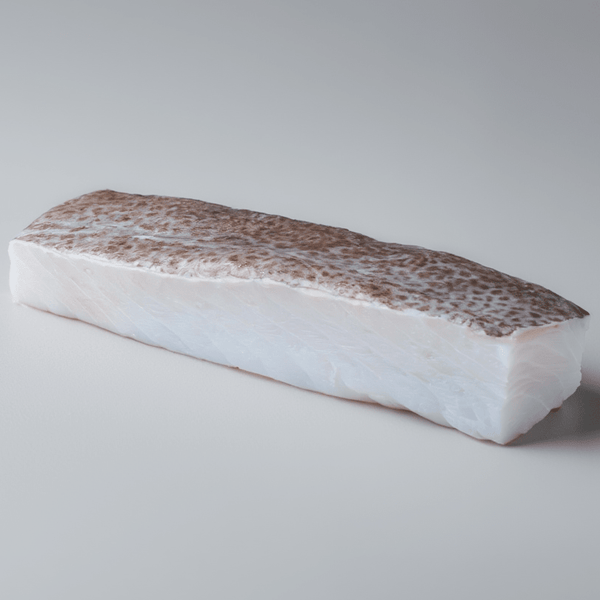
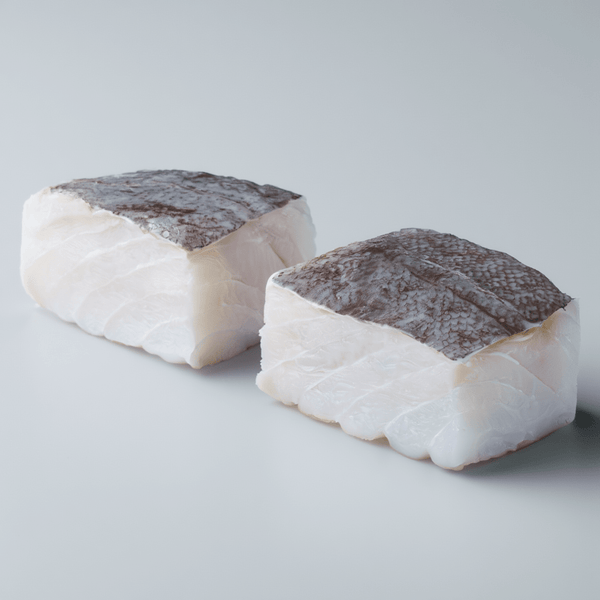
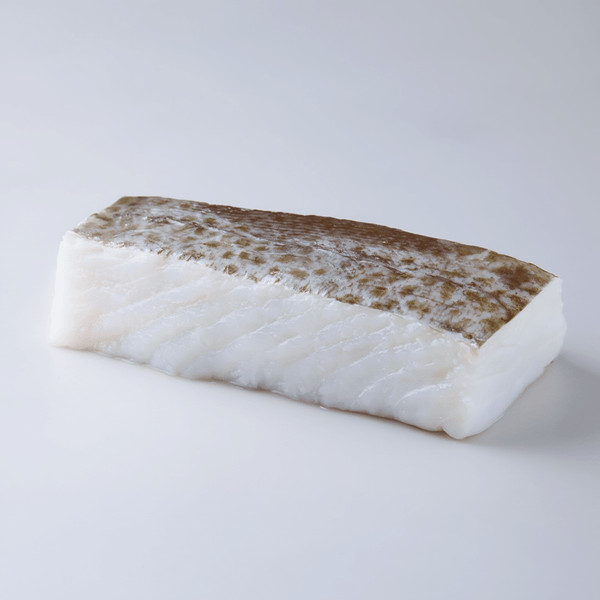
- Cod: 50-110 µg/kg. Despite being a large fish, its diet and metabolism result in low mercury levels. It is one of the best options for frequent consumption.
- Salmon: 20-80 µg/kg. Both wild and farmed salmon have low levels.
- Mussels and clams: 10-40 µg/kg. Filter-feeding mollusks have the lowest levels of all.
High-mercury fish: which ones to limit
Large pelagic predators accumulate the most mercury. AESAN recommends limiting or avoiding these species in vulnerable groups:
- Swordfish: The king of mercury. Can live 15+ years and weigh 300+ kg. Levels of 500-1500 µg/kg.
- Shark (dogfish, mako, blue shark): Supreme predator, long lifespan. 600-2000 µg/kg. In Spain, it is sold as "cazón" (dogfish) — be careful.
- Bluefin tuna: Can live 40 years and weigh 600 kg. Large specimens have 400-1000 µg/kg.
- Pike: Long-lived freshwater predator. 300-800 µg/kg.
An important fact: canned tuna (light tuna, albacore) has significantly less mercury than fresh bluefin tuna, because it is made with younger, smaller specimens.
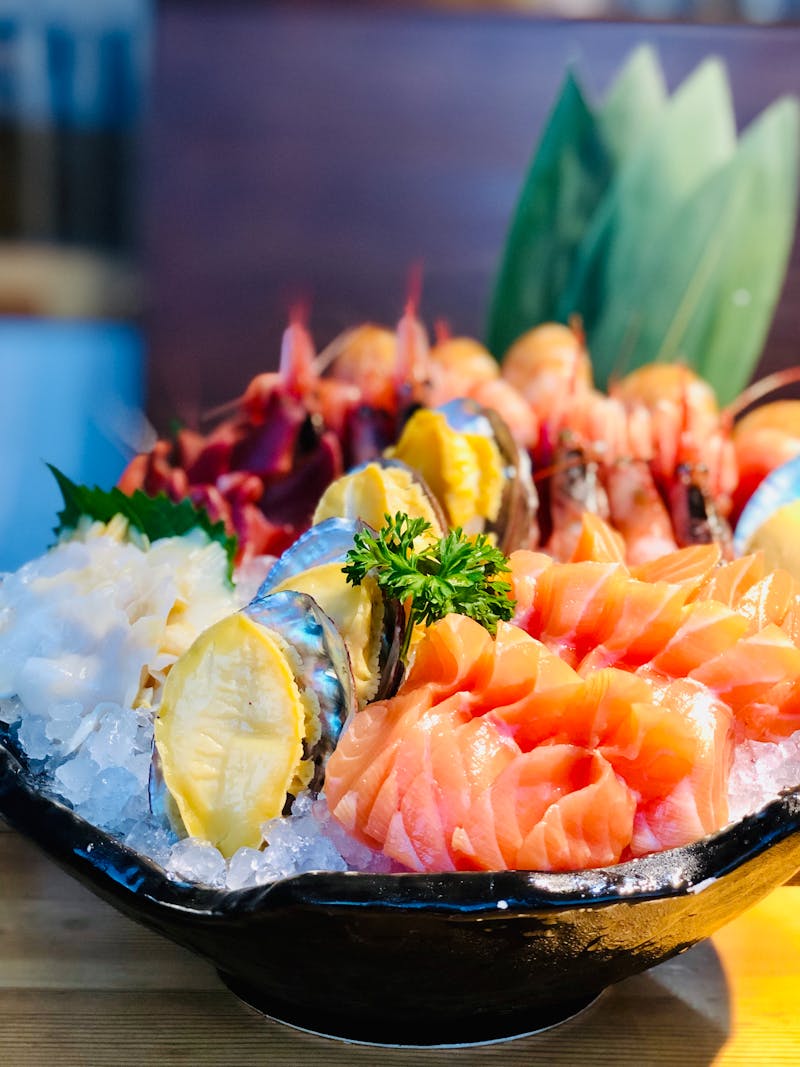
Mercury and pregnancy: which fish to eat and which to avoid
Pregnancy is the period of greatest sensitivity to mercury. Methylmercury crosses the placenta and can affect fetal neurological development. AESAN is clear in its recommendations (updated 2024):
Completely avoid: Swordfish, shark (dogfish), bluefin tuna, pike.
Limit to 1-2 servings/week: Canned light tuna, monkfish, bonito.
Unlimited consumption (3-4 servings/week recommended): Cod, sardines, anchovies, salmon, hake, mussels, clams, prawns.
The paradox is that pregnant women need more omega-3s and DHA for the baby's brain development, but fear fish because of mercury. The solution is not to avoid fish — it's to choose the right species. A consumption of 3-4 servings of low-mercury fish per week provides more benefits than risks, according to all current scientific evidence.
Mercury and children: recommendations by age
0-3 years: Avoid swordfish, shark, bluefin tuna, and pike. Other fish are safe and recommended from 6 months (starting with hake, cod, or sole).
3-12 years: Same criteria as pregnant women. Avoid the 4 big accumulators. Limit canned tuna to 2-3 servings/week.
Adolescents and adults: Can consume all species, but limit swordfish and shark to 1-2 servings/month if consumption is regular.
Read our complete guide Fish for babies: when to start and which to choose for more details on introducing fish into infant feeding.
How to reduce mercury exposure from fish
1. Vary species. Don't always eat the same fish. Alternating sardines, cod, hake, salmon, and anchovies diversifies the risk.
2. Choose small fish. Sardines, anchovies, horse mackerel, and small mackerel have the lowest levels.
3. Consume farmed fish when possible. Farmed salmon, gilthead bream, and sea bass usually have less mercury than wild ones (controlled diet).
4. Remove skin and visible fat. Mercury accumulates more in fat. In fish with medium-high levels, removing the skin and fat reduces exposure.
5. Cooking does not eliminate mercury. Unlike bacteria, mercury is not destroyed by heat. Species selection is the determining factor.
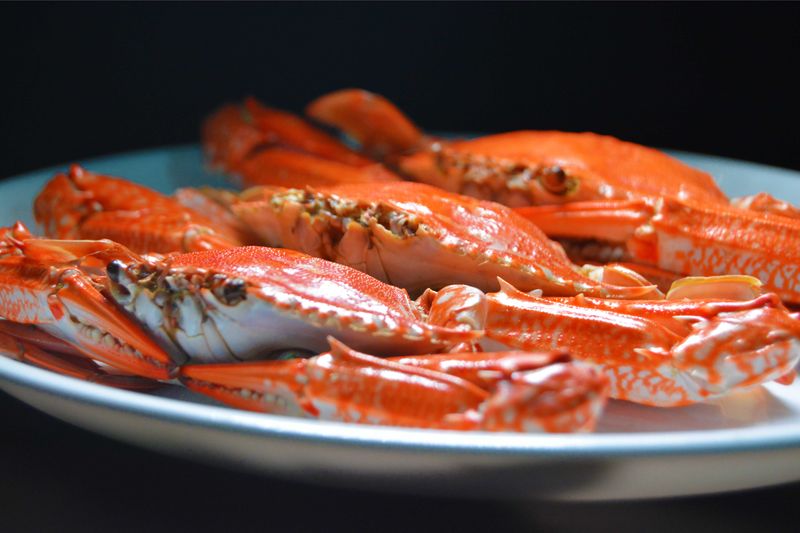
Benefit vs. risk: is it worth eating fish?
The short answer: yes, absolutely. All scientific evidence indicates that the benefits of regular fish consumption far outweigh the risks of mercury for the general population.
A 2023 meta-analysis published in The Lancet concluded that eating 2-4 servings of fish per week reduces cardiovascular risk by 21% and all-cause mortality by 7%. The EPA and DHA omega-3s in fish are irreplaceable for brain, cardiovascular, and anti-inflammatory health.
The selenium present in fish (especially cod, tuna, and seafood) has a protective effect against mercury — it binds to it and reduces its bioavailability. This is one of the reasons why populations with high fish consumption (Japan, Iceland) do not show the negative effects that might be expected.
The scientific conclusion is clear: not eating fish is more dangerous than eating it, provided the right species are chosen.
Conclusion
Mercury in fish is a real but manageable risk. The key is simple: choose small, short-lived fish (sardines, anchovies, cod, salmon), limit large predators (swordfish, shark, bluefin tuna), and eat fish 3-4 times a week without fear.
Cod deserves special mention: despite being a good-sized fish, its mercury levels are consistently low (50-110 µg/kg), making it one of the safest options for regular consumption — including for pregnant women and children.
Frequently asked questions
Does cod have a lot of mercury?
No. Cod has low levels of mercury (50-110 µg/kg), well below the safety limit. It is one of the safest fish for frequent consumption, including during pregnancy.
Which fish has the most mercury?
Shark and swordfish, with levels of 500-2000 µg/kg. They are large, long-lived predators that accumulate mercury over decades.
How much fish can a pregnant woman eat?
AESAN recommends 3-4 servings per week of low-mercury fish (cod, sardines, salmon, hake). She should avoid swordfish, shark, bluefin tuna, and pike.
Does canned tuna have a lot of mercury?
Less than fresh bluefin tuna. Canned light tuna has 120-250 µg/kg (medium level). It is recommended to limit to 2-3 cans per week for adults and 1-2 for children.
Does cooking fish reduce mercury?
No. Mercury is not destroyed by heat. The only way to reduce exposure is to choose species with lower mercury content.
Do canned sardines have mercury?
Minimal: 10-50 µg/kg. Sardines are one of the fish with the least mercury. You can eat them daily without any risk.
Does fish mercury accumulate in the body?
Yes, but it is gradually eliminated. The half-life of methylmercury in the human body is 70-80 days. If you reduce exposure, levels drop in 2-3 months.
Is farmed or wild fish better for avoiding mercury?
It depends on the species. Farmed salmon has less mercury than wild salmon. But wild sardines and anchovies have such low levels that the difference is irrelevant.
Lalo González Rodríguez
Since 1990 at Mercat del Ninot, Barcelona. We select cod and seafood products directly from the producer. It's not marketing — there are verifiable factors.