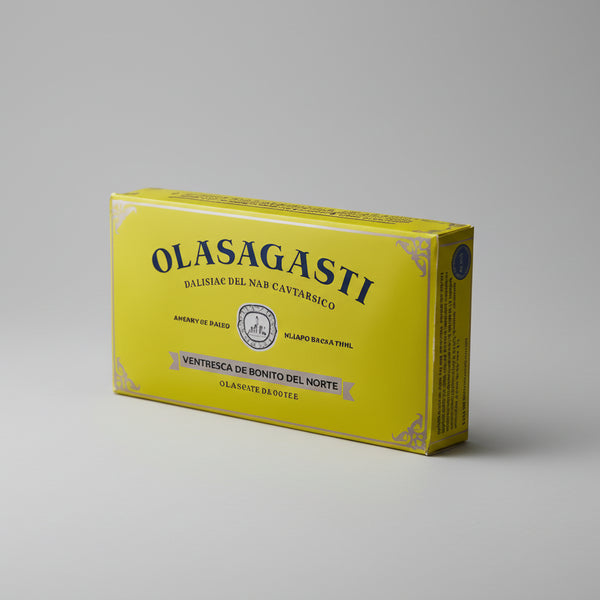
Bonito and tuna are not the same, though many confuse them. They are distinct species, with different flavors, textures, prices, and uses. This guide explains the real differences — with verifiable facts, not marketing — so you know exactly what you are buying.
Contents
- Not the same: Bonito vs. Tuna
- The Species: Painless Taxonomy
- Visual Comparison Chart
- Flavor and Texture: An Honest Tasting
- Market Price: Why Bonito Is More Expensive
- Canned: How to Read the Label
- Comparative Nutrition
- When to Choose Bonito and When to Choose Tuna
- Frequently Asked Questions
- Conclusions
Not the same: Bonito vs. Tuna
Updated March 2026. Every day at Mercat del Ninot, we see what works and what doesn't. This is our real-world experience.
The confusion between bonito and tuna is one of the most widespread in food. The reasons are several: ambiguous labeling, marketing that uses "tuna" as a generic term, and the fact that both belong to the same family (Scombridae). But they are as different as a cow and a lamb — same family, different animal.
The key point: all bonito is a type of tuna, but not all tuna is bonito. When you buy a can of "light tuna" at the supermarket, you are almost never buying albacore tuna (bonito del norte). When you buy "bonito del norte," you are buying a specific species caught in a specific location.
The difference matters because it affects the flavor, price, and what you expect to find when you open the can. Let's break down each aspect.
The Species: Painless Taxonomy
Simplified to the maximum:
- Bonito del Norte (Thunnus alalunga) — Also called albacore tuna or longfin tuna. White flesh, mild flavor, firm and melt-in-your-mouth texture. Caught in the Bay of Biscay between June and October. It is the premium species.
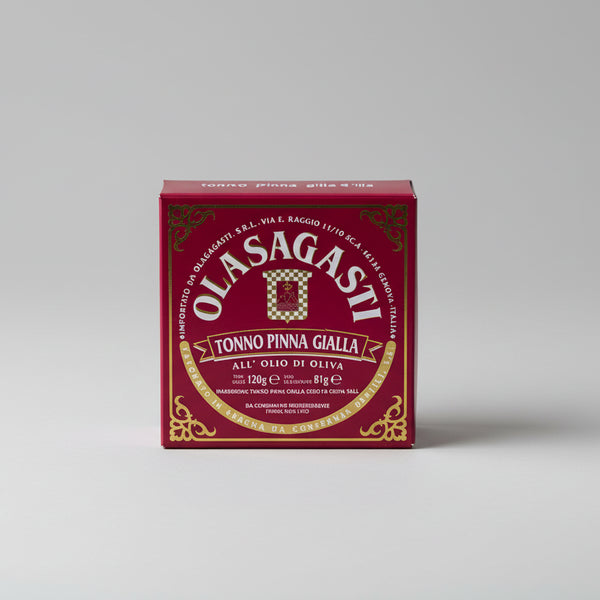
- Light Tuna (Thunnus albacares) — Yellowfin tuna. Pinkish flesh, more intense flavor, slightly drier texture. This is the standard "tuna" for industrial canning.
- Bluefin Tuna (Thunnus thynnus) — The largest and most valued for sushi/sashimi. Dark red flesh, marbled fat, prohibitive price. Not usually canned.
- Skipjack Tuna (Katsuwonus pelamis) — The cheapest and most abundant. Dark flesh, strong flavor. It is the base for the most economical "tuna" cans.
When the label simply says "tuna," it is probably skipjack or yellowfin. When it says "bonito del norte," it must be Thunnus alalunga caught in the Bay of Biscay or North Atlantic — otherwise, it is fraud.
Visual Comparison Chart
| Characteristic | Bonito del Norte | Light Tuna (Yellowfin) | Skipjack Tuna | Bluefin Tuna |
|---|---|---|---|---|
| Species | T. alalunga | T. albacares | K. pelamis | T. thynnus |
| Meat Color | White/Ivory | Pink/Salmon | Dark Brown | Intense Red |
| Flavor | Mild, Buttery | Medium, Marine | Strong, Metallic | Intense, Fatty |
| Texture | Melting, Tender | Firm, Slightly Dry | Compact, Dry | Creamy (belly) |
| Average Weight | 4-12 kg | 20-80 kg | 3-5 kg | 100-300+ kg |
| Canned Price | High (8-15 €/can) | Medium (2-5 €/can) | Low (1-2 €/can) | Rarely Canned |
| Fishing Area | Bay of Biscay/North Atlantic | Tropical, Global | Global | Mediterranean/Atlantic |
| Season | June-October | Year-round | Year-round | May-July |
| Main Use | Premium preserve, Salad | Standard preserve, Empanada | Economical preserve | Sushi, Sashimi, Tataki |

Natural Clams Rías Gallegas 28/30 Pieces Dardo Gourmet Preserve - 266g
Available at Bacalalo.com with refrigerated delivery in 24-48h
Flavor and Texture: An Honest Tasting
Let's talk frankly:
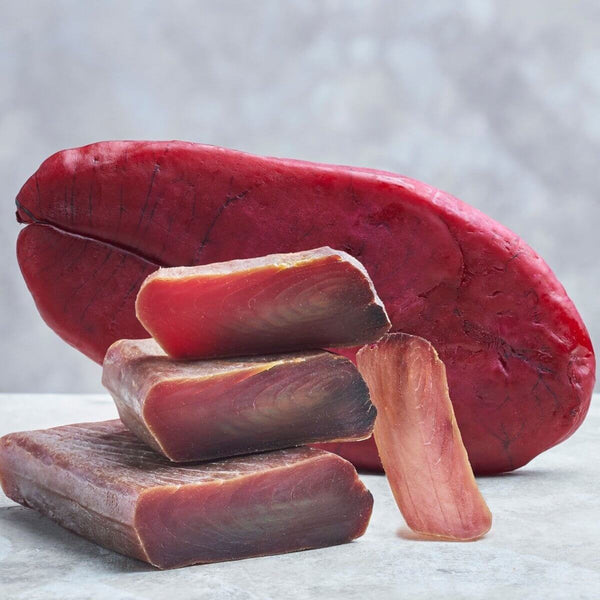
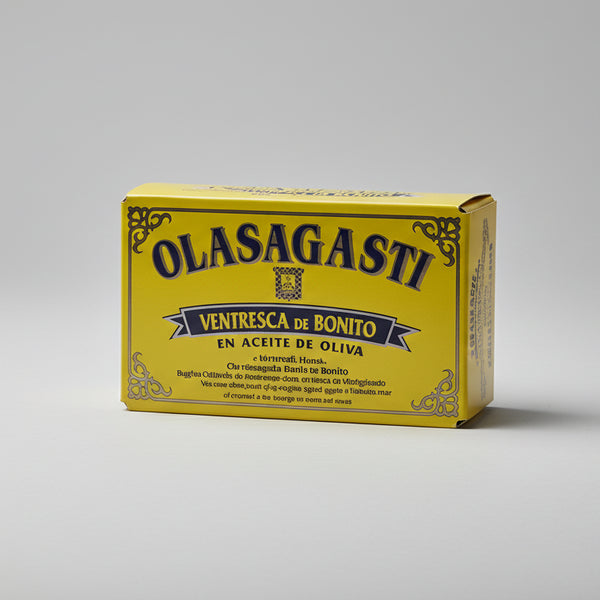
Bonito del Norte: melts in your mouth. The texture is buttery, almost creamy if it's a good coastal catch (line-caught, one by one). The flavor is delicate, with a sweet note and a subtle marine background. It's best eaten alone, with a drizzle of oil, and needs nothing else. Bonito belly (ventresca) is the fattiest and most prized part.
Light Tuna (Yellowfin): firmer texture, somewhat fibrous if overcooked. More pronounced flavor, with metallic notes in cheap preserves. Works well in salads, empanadas, and dishes where it is mixed with other strong ingredients. It lacks the subtlety of bonito but is versatile.
Skipjack Tuna: strong flavor, compact and dry texture. This is the tuna for pizzas, quick sandwiches, and college salads. It gets the job done, but it doesn't excite. If you compare it to bonito del norte, the difference is immense.
Bluefin Tuna: an entirely different category. Fresh (sashimi, tataki), its flavor is intense, with marbled fat reminiscent of beef. Canning it makes no sense — it loses everything that makes it special.
Market Price: Why Bonito Is More Expensive
Bonito del norte costs 3 to 5 times more than light tuna. The reasons are verifiable:
- Short season: only caught from June to October in the Bay of Biscay. Light tuna is caught year-round in tropical areas.
- Fishing method: the highest quality bonito del norte is line-caught (coastal fishing), one by one. Tuna is mass-caught with purse seines or longlines.
- Artisanal preparation: premium bonito is hand-cleaned, cooked in its own juices, and packed one piece at a time. Industrial tuna preserves are mechanized processes.
- Yield: bonito is smaller (4-12 kg vs 20-80 kg for yellowfin), which means more labor per kilo produced.
It's not marketing; it's production factors. A coastal bonito del norte is expensive because it is expensive to produce. To delve deeper into how to choose, we have a complete guide to bonito del norte.
Canned: How to Read the Label
The label is your ally if you know how to read it. Here are the keys:
- "Bonito del Norte": legally must be Thunnus alalunga. If it says this, it's bonito. If it doesn't specify the species, be suspicious.
- "Atún claro" (Light Tuna): is yellowfin (T. albacares) or another light-fleshed species. It is not bonito.
- "Atún" (Tuna) (plain): almost always skipjack (K. pelamis). This is the cheapest category.
- "En aceite de oliva" (In olive oil): can be olive oil (refined) or extra virgin olive oil. Only "extra virgin" has its own flavor.
- "En aceite de oliva virgen extra" (In extra virgin olive oil): the best preservation medium. Look for this in bonito del norte.
- "En escabeche" (In escabeche/pickled): vinegar, oil, and spices. Masks fish defects; works better with tuna than with bonito.
For a guide to brands and types, consult our canned tuna comparison.

Natural Japonica Clams Baymar 16/22 Rías Gallegas - 115g
Available at Bacalalo.com with refrigerated delivery in 24-48h
Comparative Nutrition
| Nutrient (per 100g drained) | Bonito del Norte | Light Tuna | Skipjack Tuna |
|---|---|---|---|
| Calories | 220-250 kcal | 180-200 kcal | 130-150 kcal |
| Protein | 24-26 g | 25-28 g | 26-30 g |
| Total Fat | 12-15 g | 8-10 g | 1-3 g |
| Omega-3 (EPA+DHA) | 1.5-2.5 g | 0.5-1.0 g | 0.3-0.5 g |
| Sodium | 300-500 mg | 300-500 mg | 300-500 mg |
| Mercury (average) | Medium-low | Medium | Low |
Bonito del norte has more omega-3 because it is a fattier fish. Skipjack tuna has fewer calories because it has very little fat. In protein, all three are similar. In mercury, skipjack (smaller) accumulates less than yellowfin (larger).
When to Choose Bonito and When to Choose Tuna
Practical guidance, without dogmatism:
- Choose bonito del norte when you are going to eat it alone or with subtle accompaniments (simple salad, toast, over rice). This is where its flavor and texture are best appreciated. Also for gifts and special occasions.
- Choose light tuna for elaborate salads, empanadas, cold pasta, fillings, and dishes where it is mixed with other strong ingredients (onion, pepper, mayonnaise). It provides protein and flavor without needing to be the star.
- Choose skipjack tuna for everyday use when budget is key: quick sandwiches, empanadilla filling, homemade pizzas. It serves its purpose.
- Choose bluefin tuna exclusively for raw or semi-raw consumption (sashimi, tataki, tartar). It makes no sense to buy it for cooking or canning.

Natural Clams 20/30 Rías Gallegas Dardo Premium Preserve - 120ml
Bonito del Norte Belly — The fattiest and most valued part of bonito. Creamy texture, melting in the mouth. The premium cut of the premium preserve. View belly
🛒 Our premium alternative
⭐ 4.9/5 · Cold shipping 24-48h · Since 1990 at Mercat del Ninot
Frequently Asked Questions
Is bonito del norte the same as white tuna?
Yes, they are different names for the same species: Thunnus alalunga. In Spain, "bonito del norte" is used; in other markets, "white tuna" (albacore tuna in English, thon blanc in French). It is the same species and the same fish.
Can I give canned tuna to young children?
AESAN recommends limiting the consumption of large fish (bluefin tuna, swordfish) in children under 10 due to mercury content. Bonito del norte and skipjack tuna, being smaller, accumulate less mercury and are safer. In any case, 1-2 servings of canned fish per week is reasonable for children.
Why is bonito del norte white?
Due to its muscle composition. Bonito del norte has less myoglobin (the protein that gives muscle a red color) than yellowfin or bluefin tuna. It is a genetic characteristic of the species, not a matter of processing or preservation.
Is bonito del norte always from the Cantabrian Sea?
Not necessarily. Thunnus alalunga is found throughout the North Atlantic. "Bonito del norte" sold in Spain is usually from the Bay of Biscay (Basque, Cantabrian, Asturian, or Galician coast) but can also come from the Azores or the Atlantic. The label should indicate the catch area. That from the Cantabrian Sea is generally more valued due to the area's canning tradition.
Is bonito del norte consumption sustainable?
Northern albacore from the Cantabrian Sea is mainly caught using selective fishing gear (hook, pole-and-line) that minimizes bycatch. North Atlantic Thunnus alalunga populations are at healthy levels according to ICCAT. It is one of the most sustainable tuna fisheries. Bluefin tuna, by contrast, has been overexploited for decades.
How much does a good can of northern albacore cost?
A can of seasonal northern albacore, in extra virgin olive oil, hand-packed, costs between 8 and 15 euros (120-200g net). A comparable can of light tuna costs 2-5 euros. Albacore belly, being the premium cut, can exceed 20 euros per can. The price reflects the quality of the product and the process, not an abusive margin.
Albacore and tuna are cousins, not twins. The difference lies in the species, flavor, texture, and price — and in what you expect from the dish. A seasonal northern albacore eaten alone on toast is a gastronomic experience. Skipjack tuna in a quick sandwich is a practical solution. Both have their place, but they are not interchangeable.
If you only remember one thing: read the label. "Bonito del Norte" (Northern Albacore) is a specific designation. "Atún" (Tuna) alone can be almost anything. The difference between knowing and not knowing what you're eating is a 5-second read.
Marc González Sáez · Bacalalo · Mercat del Ninot, Barcelona (since 1990)
Related articles: Northern Albacore: complete guide · Canned tuna: brand guide