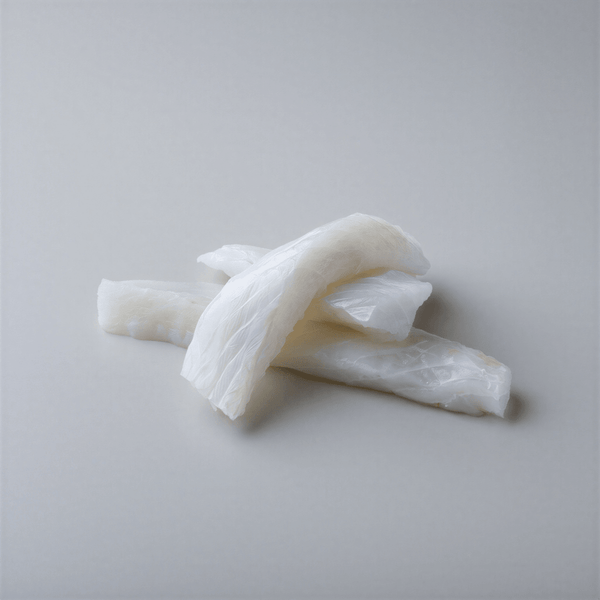
The entreixca is the ventral part of the cod: a thin, gelatinous, and very flavorful piece that few know outside the world of salted cod. We explain what it is exactly, where it is located on the fish's body, how to cook it to get the most out of it, and why connoisseurs consider it one of the most interesting parts of cod.
Content
What is entreixca: cod anatomy
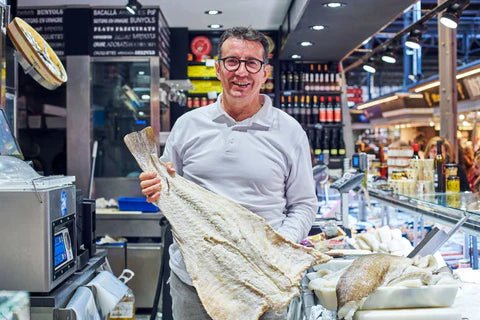
Updated March 2026. In our over 30 years of experience at Mercat del Ninot, this is what we recommend.
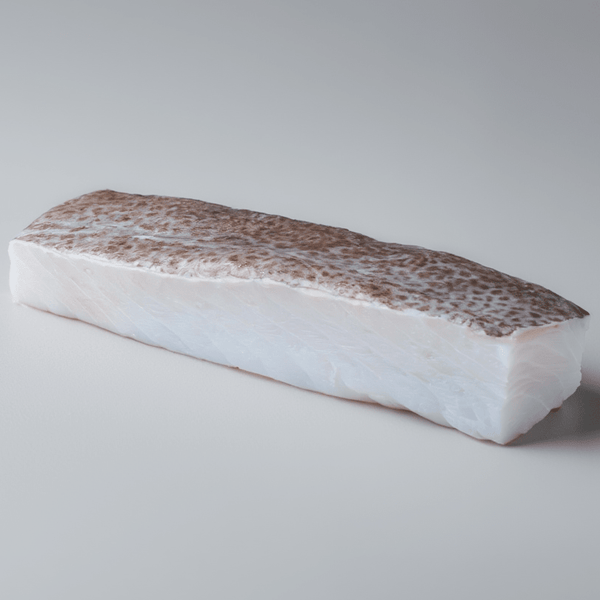
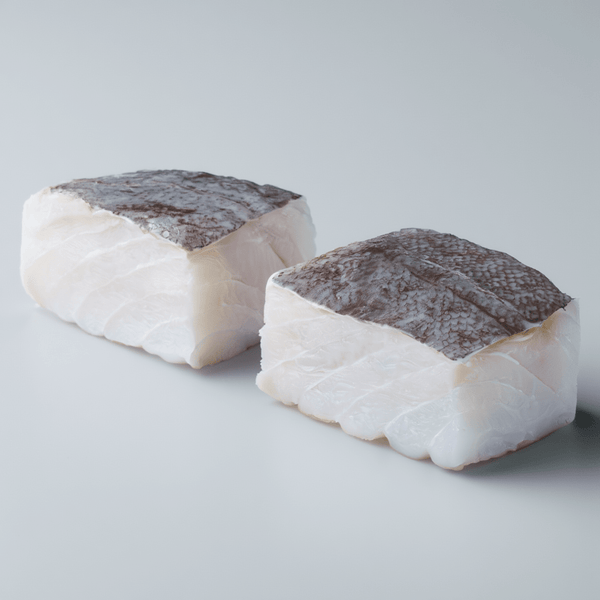
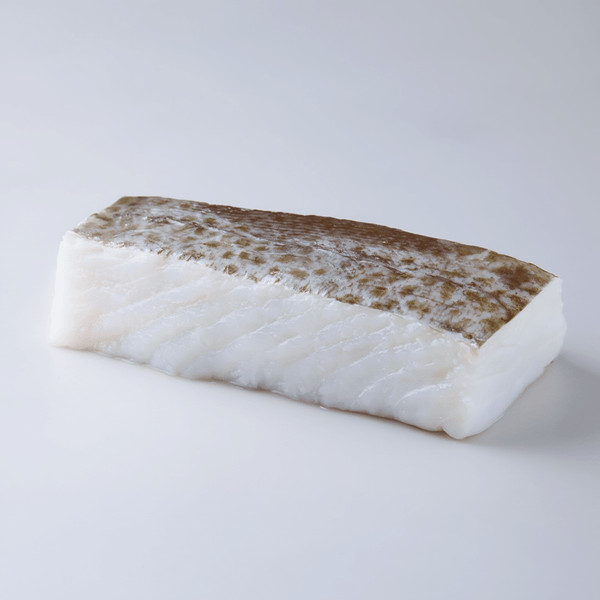
The entreixca (also spelled "entresca" or "ventresca" depending on the region) is the ventral part of the cod, the area that runs from the pectoral fins to the tail, on the underside of the fish. It is the equivalent of the belly in tuna or pork belly in pork: a thin piece, with more intramuscular fat and gelatin than the loin.
The name "entreixca" is commonly used in Catalonia and the Balearic Islands. In the Basque Country, it is known as "kokotxa" (which is something different, the chin) or simply as "ventresca de bacalao" (cod belly). In Spanish, ventresca or ijada are the most widespread terms.
It is a piece that cod professionals know well, but that the general consumer often ignores. And it is a shame, because it has enormous gastronomic potential when cooked correctly.
Where it is located on the cod's body
To understand the entreixca, one must visualize a cod cut open like a butterfly, as salted cod is traditionally presented:
- Loin: the thickest and meatiest part, in the upper-center of the fish. It is the best-selling piece.
- Center: the intermediate area between the loin and the tail.
- Tail: the thinnest and most fibrous part.
- Entreixca/Ventresca: the lower strip, from the abdominal cavity to the ventral edge. It is thin (1-2 cm thick), with a looser texture and higher gelatin and fat content.
- Nape: the head area, very gelatinous.
- Kokotxas: the jowl or chin, a luxury piece apart.
The entreixca is removed from the opened cod by cutting along the line where the loin meat thins and the ribs appear. It is an elongated, irregular piece, which can be 20-30 cm long but only 1-2 cm thick.
Characteristics: texture, flavor, and gelatin
What makes entreixca special is its composition:
| Characteristic | Entreixca | Loin |
|---|---|---|
| Thickness | 1-2 cm | 3-5 cm |
| Fat | Higher (ventral area) | Lower (lean muscle) |
| Gelatin | High (skin + connective tissue) | Medium |
| Muscle fiber | Fine, loose | Thick, compact |
| Flavor | More intense, more "marine" | Cleaner, milder |
| Cooked texture | Unctuous, almost creamy | Firm, in flakes |
| Price | 30-50% less than the loin | Reference |
| Cooking time | Less (it's thinner) | More (it's thicker) |
The entreixca cooked at low temperature has a texture reminiscent of butter: it melts in the mouth, releasing gelatin and flavor. It is a very different experience from the loin, which tends to separate into firm flakes.
Why gelatin matters
The gelatin of the entreixca is not a defect, it is a virtue. When cooked, the gelatin dissolves and creates an unctuous texture that naturally enriches any sauce. The sauces of dishes with entreixca thicken on their own, without the need for thickeners or reductions.
Basque chefs, masters of cod, value entreixca precisely for this reason: for a perfect pil-pil, entreixca provides the extra gelatin that ensures a stable emulsion.

Traditional Dry Shredded Cod - 500g
Available at Bacalalo.com with refrigerated shipping in 24-48h
Entreixca versus other cod cuts
| Cut | Best for | Relative price |
|---|---|---|
| Loin | Confit, roast, Bilbao style, gratin | High |
| Center | Versatile: stews, sauces, oven | Medium-high |
| Tail | Croquettes, brandade, fritters | Low |
| Entreixca | Pil-pil, fried, short stews, tapas | Medium-low |
| Nape | Roast whole, pil-pil, long stews | Medium |
| Kokotxas | Pil-pil, green sauce, breaded | Very high |
| Scraps/trimmings | Croquettes, salads, fillings | Very low |
The entreixca occupies an interesting space: affordable price, intense flavor, and a texture that makes it ideal for preparations where you want gelatin and unctuousness. It does not compete with the loin in aesthetics (it is an irregular and thin piece), but it surpasses it in flavor for those who know how to appreciate it.
How to desalt entreixca correctly
The entreixca, being thinner than the loin, needs less desalting time. This is a common mistake: applying the same time as for the loin makes it bland.
- Thin entreixca (1 cm): 12-18 hours, 2 water changes
- Thick entreixca (2 cm): 18-24 hours, 2-3 water changes
Always in the refrigerator. Always with the skin facing up (the salt comes out more easily through the exposed flesh). Taste a small piece before cooking: it should have a pleasant salty taste, not bland or excessively salty.
Best recipes for entreixca
Fried entreixca (classic tapa)
The most direct and one of the best ways: flour the desalted entreixca and fry it in hot olive oil, 2 minutes per side. The result is a piece that is crispy on the outside and gelatinous on the inside. Serve with a squeeze of lemon.
This is the cod tapa par excellence in many Mediterranean bars. Quick, tasty, and economical.
Entreixca al pil-pil
Entreixca is ideal for pil-pil because it releases a lot of gelatin. Confit it over very low heat in oil with sliced garlic. Remove the entreixca and emulsify the oil by moving the pan in circles. The emulsion forms more easily than with loin thanks to the extra gelatin.
Grilled entreixca
For those who want intense flavor without complications. Very hot griddle, 90 seconds per side. The skin becomes crispy and the flesh juicy. Serve with alioli or roasted pepper sauce.
Entreixca in chickpea stew
The gelatin of the entreixca enriches broths and stews. Add it cut into pieces to a chickpea stew for the last 10 minutes of cooking. It integrates perfectly and gives it an unctuousness that the loin cannot achieve.
Confit entreixca
At 60-65 °C in olive oil for 15 minutes. The result is a silky, almost translucent piece that melts with a fork. Ideal as part of a more elaborate dish.

Universal Dry Shredded Cod - 500g
Available at Bacalalo.com with refrigerated shipping in 24-48h

Smoked Cod in Oil in Thin Slices - 1000g
Available at Bacalalo.com with refrigerated shipping in 24-48h
Where to buy entreixca and estimated price
Entreixca is not easily found in conventional supermarkets. It is a piece mainly handled by:
- Specialized cod retailers: such as those you will find in municipal markets. This is the most reliable place.
- Online salted cod stores: some suppliers offer entreixca as a separate piece.
- Food markets: at stalls with bulk salted cod.
The price of entreixca is usually 30-50% lower than that of the loin of the same quality. If a desalted cod loin costs €25-€35/kg, entreixca is around €15-€22/kg. It is a piece with an excellent quality-price ratio for those who know how to cook it.
Frequently asked questions
Is entreixca the same as cod belly?
Yes, they are names for the same area of the cod: the ventral part. "Entreixca" or "entresca" is used more in Catalonia and the Balearic Islands. "Ventresca" is the most widespread term in Spanish. "Ijada" is used in some areas of the north.
Does entreixca have bones?
It may have rib bones (those covering the abdominal cavity). These are thin bones and relatively easy to remove with tweezers before or after cooking. A professional sells it already cleaned.
Is it harder to cook than loin?
Not harder, but different. Being thinner, it needs shorter cooking times. The most common mistake is overcooking it, which dries it out. Fried, grilled, or confit are the easiest techniques to start with.
Can entreixca be used for esqueixada?
It's not ideal. Esqueixada needs long, compact fibers that shred well. Entreixca has a looser fiber and breaks down too much. For esqueixada, loin or center is better.
Why is entreixca cheaper than loin?
Because it has worse visual yield (it is irregular and thin), less thickness, and a texture that those who seek firm flakes do not like. It is a matter of demand, not quality. For many preparations, entreixca is superior to loin in flavor and texture.
Does cod entreixca make you fatter than loin?
Slightly more, due to its higher fat and gelatin content. But the difference is minimal: about 20-30 kcal more per 100g. Cod fat is rich in omega-3, so it is beneficial fat.
Conclusions
The entreixca is the piece of cod that professionals keep for themselves. It has more flavor than the loin, more gelatin, a better quality-price ratio, and a texture that, when cooked well, is addictive.
If you have only eaten cod loin, you have half a world left to discover. Fried entreixca as a tapa, in pil-pil, or confit at low temperature are experiences that change the perception of what cod can offer.
Ask for it at your trusted cod retailer. If they look at you with respect when you ask for it, it means they know that you know.
Marc González Sáez has been working with all cuts of cod since 1990 at Mercat del Ninot, Barcelona. At Bacalalo.com we sell cod as we understand it: piece by piece, cut by cut, advising on the ideal part for each recipe.