

Summary
Every spring, Spanish kitchens fill with the unmistakable aroma of torrijas. Bread soaked in flavored milk, coated in egg, and fried until golden. It's that simple. It's that perfect. In this guide: Easter Torrijas: a classic that never fails, Ingredients for perfect torrijas, Step-by-step: preparing torrijas.
Easter Torrijas: a classic that never fails
Every spring, Spanish kitchens fill with the unmistakable aroma of torrijas. Bread soaked in flavored milk, coated in egg, and fried until golden. It's that simple. It's that perfect.
Torrijas are the star dessert of Easter Week in Spain. They have been prepared for centuries, and each family has its own version. Some are sweeter, others have a touch of wine, but all have that enchanting texture: crispy on the outside, creamy on the inside.
In this recipe, we teach you the most classic, traditional version. The one made with leftover bread and a handful of humble ingredients that, together, create something extraordinary.
Ingredients for perfect torrijas
For about 12-14 torrijas, you will need:
- 1 day-old loaf of bread (preferably specific torrija bread or dense brioche bread, about 400g)
- 750 ml whole milk
- 150g sugar + 2 extra tablespoons for dusting
- 1 cinnamon stick
- Peel of 1 lemon (only the yellow part, no white pith)
- 3 large eggs
- Mild olive oil or sunflower oil for frying
- Ground cinnamon for coating
The bread is essential. It needs to be dense, with a tight crumb. Sandwich bread won't work: it falls apart when soaked. If you can find torrija bread at your bakery, perfect. If not, a day-old rustic bread works well.
Step-by-step: preparing torrijas
1. Infuse the milk
Place the milk in a saucepan with the 150g of sugar, the cinnamon stick, and the lemon peel. Heat over medium heat until it comes to a boil. Remove from heat and let it steep for at least 30 minutes. The longer it steeps, the more flavor it will have. You can prepare it the night before and leave it in the refrigerator.
2. Slice and soak the bread
Cut the bread into 2 cm thick slices. Not thinner (they'll break) nor thicker (they won't soak properly inside).
Place the slices in a large dish and pour the infused milk over them, straining it to remove the cinnamon and lemon. Let the bread absorb the milk for 2-3 minutes per side. The bread should be soaked but not falling apart. If you lightly press it with your finger and it feels soft but retains its shape, it's ready.
3. Coat in egg
Beat the eggs in a shallow dish. Dip each soaked bread slice into the beaten egg, covering it well on all sides. Let excess egg drip off for a couple of seconds.
4. Fry the torrijas
Heat plenty of oil in a large frying pan. The ideal temperature is 170 °C. If you don't have a thermometer, drop a small piece of bread in: it should bubble immediately but without burning.
Fry the torrijas for 2-3 minutes on each side until golden. Do not fry more than 2-3 at a time to prevent the oil temperature from dropping. Remove them with a slotted spoon and place them on absorbent paper.
5. Sweeten
While still warm, coat them in a mixture of sugar and ground cinnamon (2 tablespoons of sugar per 1 teaspoon of cinnamon). This is the most popular version. Another option is to dip them in hot syrup (200g sugar + 200ml water, boiled for 5 minutes).
Tips for always perfect torrijas
- Day-old bread absorbs milk better without falling apart. If the bread is fresh, leave it exposed to air for a few hours.
- Oil temperature is key. Too hot, and they burn on the outside while remaining raw inside. Too cold, and they absorb excessive oil.
- Don't stack them right after frying. Place them in a single layer on a cooling rack to keep them crispy.
- Resting: They taste better the next day, when the flavors have settled. Store them covered in the refrigerator.
The wine variation: Andalusian tradition
In southern Spain, especially in Andalusia, there's another tradition: wine torrijas. Instead of milk, the bread is soaked in sweet wine (Muscat, Pedro Ximénez, or table wine with sugar and spices). The result is more intense, with complex nuances reminiscent of conventual desserts.
If you're feeling adventurous, try the mixed version: half milk, half sweet wine. The best of both worlds.
Torrijas and Easter Week: a brief history
Torrijas have been documented in Spain since the 15th century. At that time, they were prepared for women who had just given birth and for the sick as a restorative food. Over time, they became associated with Lent and Easter Week, when meat abstinence required substantial dishes without meat products.
Bread was a cheap and always available ingredient. Soaking stale bread in milk or wine was a way to use it up. Frying and sugar transformed it into a festive sweet that marked the end of fasting.
Today, torrijas transcend religious significance. They are a popular gastronomic heritage, found in bakeries, bars, and homes throughout Spain in the weeks leading up to Easter.
Perfect pairing: torrijas with cod
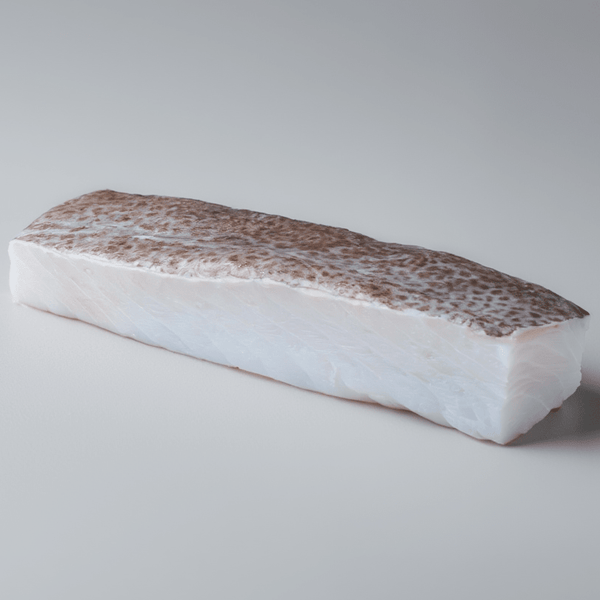
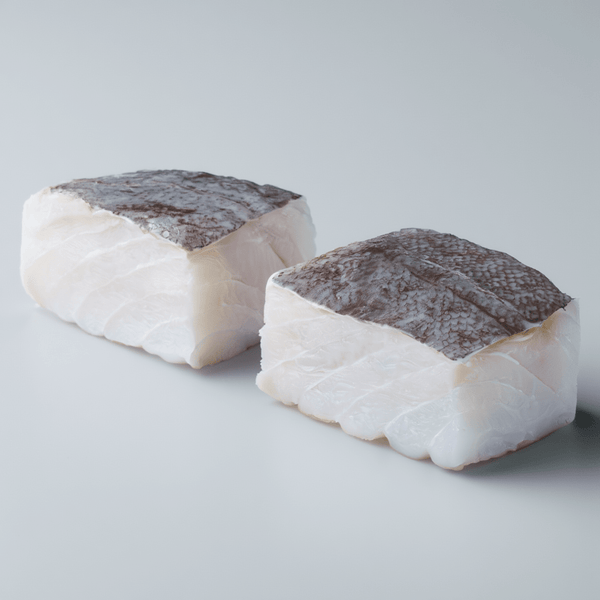
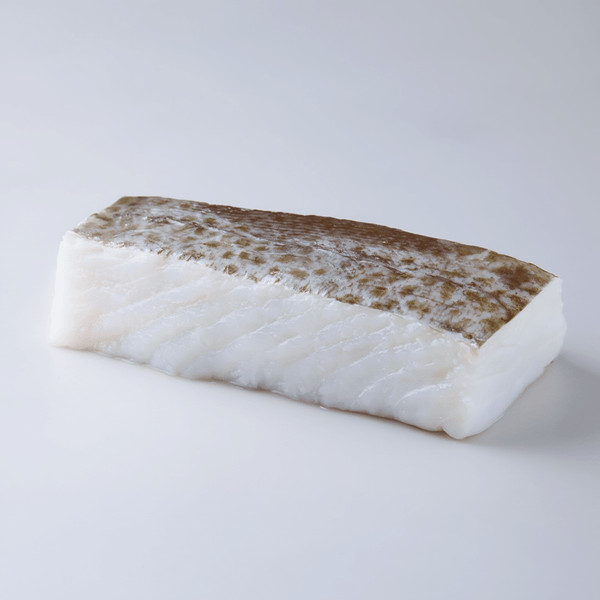
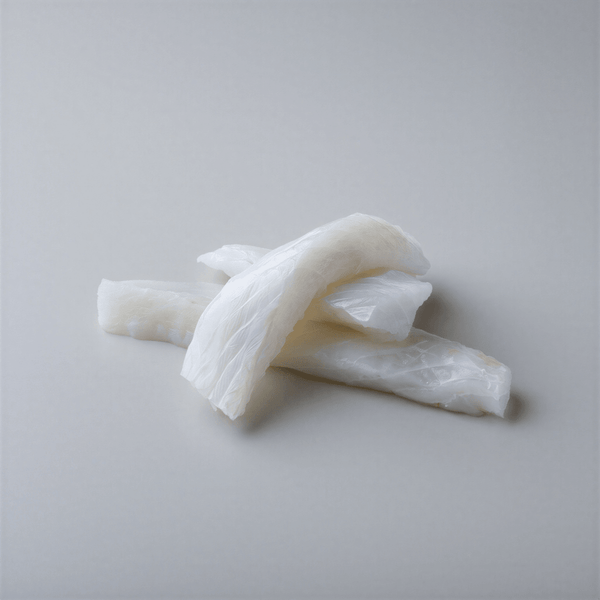
The Easter tradition unites two seemingly opposite ingredients: cod and torrijas. The first as a main course, the latter as a dessert. At Bacalalo, we offer premium Icelandic cod perfect for your Easter recipes. A complete menu could include cod croquettes as a starter, bacalao al pil pil as the main course, and torrijas for dessert.
To complete your Easter Week 2026 menu, check our guide with suggestions for each day of Holy Week.

Premium Seafood — Bacalalo
Since 1990, selecting the best from the sea at Mercat del Ninot, Barcelona. Refrigerated shipping in 24-48h.
See Icelandic cod →Frequently asked questions about Easter torrijas
What kind of bread is best for making torrijas?
The ideal bread is dense, with a tight crumb and firm texture. Torrija bread (sold by many bakeries during the season) is perfect. Dense brioche bread or day-old rustic bread also work well. Avoid industrial sandwich bread: it falls apart when soaked.
Can torrijas be made with same-day bread?
Yes, but it's better to leave the cut slices exposed to air for 3-4 hours so they lose moisture. If the bread is too fresh, it absorbs milk poorly and breaks when handled.
How long do torrijas keep?
In the refrigerator, covered with cling film or in an airtight container, they last perfectly for 3-4 days. Many people say they are even better on the second day because the flavors meld. You can also freeze them after frying and reheat them in the oven at 180°C for 8-10 minutes.
Is it better to coat torrijas in sugar or syrup?
It's a matter of taste. Sugar with cinnamon gives a dry, crispy finish. Syrup leaves them juicier and shinier, but also sweeter. In central and northern Spain, sugar predominates; in Andalusia and Extremadura, syrup or honey are more common.
Why are torrijas eaten during Easter Week?
Because during Lent and Easter Week, Catholic tradition dictates days of fasting and abstinence from meat. Torrijas, made with bread, milk, eggs, and sugar, were a hearty dessert that adhered to the rules and utilized economical ingredients. Over time, they became the emblematic sweet of this period.
Discover more