Summary
Lent transforms Spanish kitchens. For 40 days, fish replaces meat in millions of homes. In this guide: Lenten cuisine: 40 days of meat-free creativity, Cod: the undisputed king of Lent, Legumes and vegetables: the foundation of Lenten cooking.
Lenten Cuisine: 40 Days of Meat-Free Creativity
Lent transforms Spanish kitchens. For 40 days, fish replaces meat in millions of homes. What began as a religious restriction has become one of Spain's richest gastronomic traditions.
What exactly is eaten? It depends on the region, the family, and the degree of observance. But there is a common denominator throughout the country: cod, legumes, vegetables, and fried sweets.
This article reviews the most representative foods and recipes of Spanish Lent, with practical ideas to bring this tradition to your table.

Cod: The Undisputed King of Lent
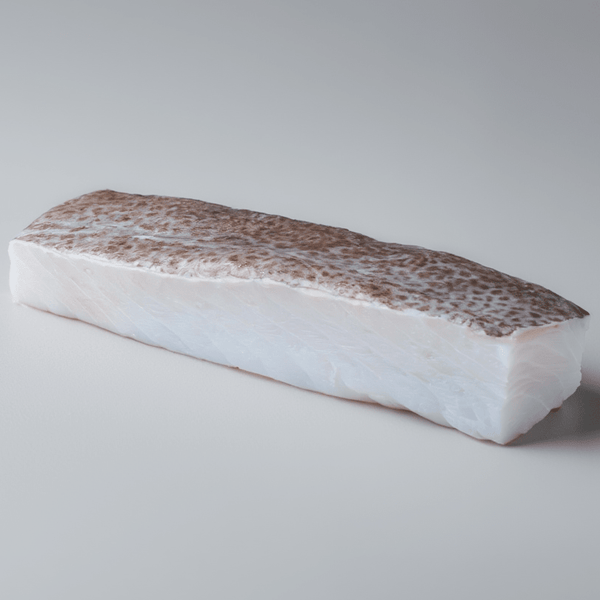
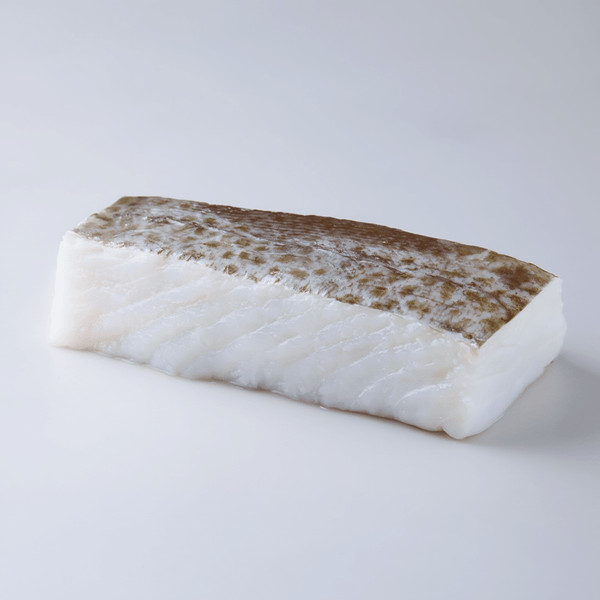
If Lent has an emblematic ingredient, it is salt cod. Its ability to be preserved for months without refrigeration made it the perfect fish for inland Spain, far from the sea. Affordable, nutritious, and versatile, cod fed entire generations during the 40 days of abstinence.
There are dozens of classic cod preparations for Lent. The most common:
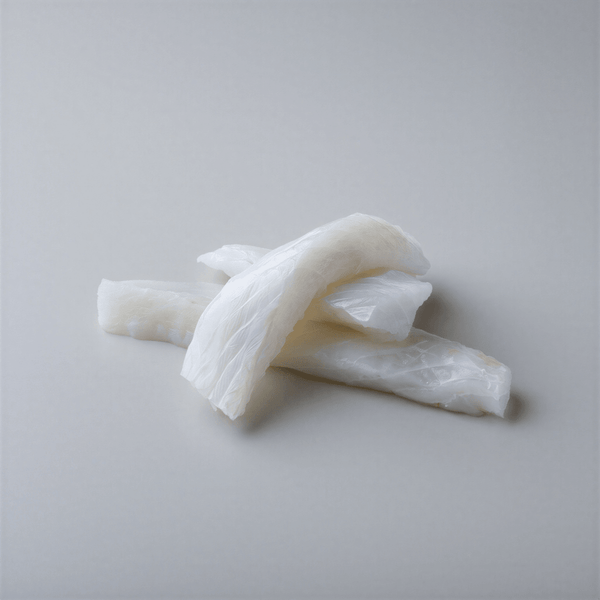
- Potaje de vigilia: chickpeas with spinach and flaked cod. The most universal dish of Spanish Lent.
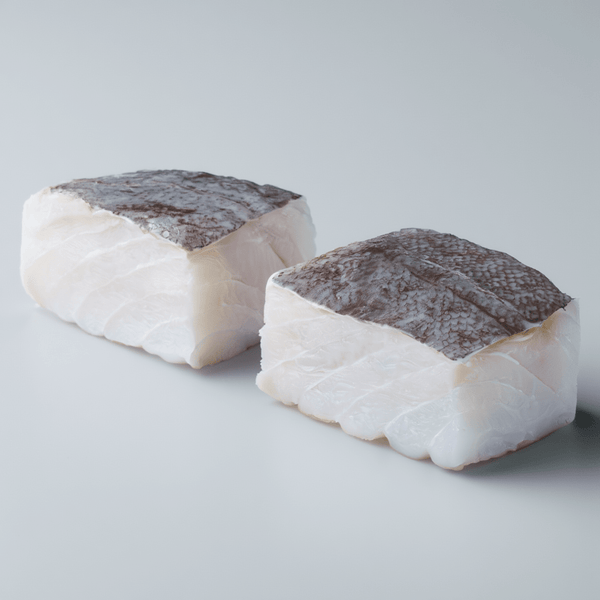
- Bacalao al pil pil: a Basque recipe. Icelandic cod loins confited in olive oil with garlic, emulsified to create a silky sauce.
- Bacalao a la vizcaína: in chorizo pepper sauce. Intense and comforting.
- Bacalao rebozado (soldaditos de Pavía): strips of cod in saffron batter, fried until golden. A star Lenten tapa in Madrid.
- Bacalao con tomate: an Andalusian and Extremaduran recipe. Fried loins then stewed in tomato sauce.
- Baked cod with potatoes: a simple, family recipe. Cod, potatoes, onion, bell pepper, and oil. Baked for 25-30 minutes.
- Buñuelos de bacalao: fluffy dough with flaked cod, parsley, and garlic, fried into balls. An appetizer or light dinner.
- Esqueixada: a Catalan salad of flaked raw cod with tomato, bell pepper, onion, and olives.
At Bacalalo, we work with Icelandic cod, considered the best in the world for its firm texture and clean flavor. Perfect for any of these recipes.
Legumes and Vegetables: The Foundation of Lenten Cuisine
Lent is not just about fish. Legumes and vegetables are the other pillar of this cuisine. For centuries, in rural Spain, meat was a luxury reserved for special days. Lent simply extended what was already the usual diet for many families.
Legume Dishes
- Chickpea and spinach stew: with or without cod. Sometimes with hard-boiled egg.
- Lentejas viudas (Widow's lentils): lentils stewed only with vegetables, without meat or cured sausage. They are called "widows" because they are served alone.
- Fabada de vigilia: Asturian beans with cod and clams instead of chorizo and blood sausage.
- Olleta valenciana: chickpeas, white beans, spinach, turnips, and cod.
Vegetable Dishes
- Spinach with chickpeas: a simplified version of the stew. Quick and tasty.
- Pisto manchego: tomato, bell pepper, zucchini, eggplant, and onion. A vegetable base that accompanies fried eggs or cod.
- Garlic soup: bread, garlic, paprika, broth, and egg. A Lenten dish in Castile.
- Cardos en salsa de almendras (Cardoons in almond sauce): an Aragonese dish. Cooked cardoons in a sauce of ground almonds, garlic, and saffron.
Lenten Sweets: Torrijas, Pestiños, and Buñuelos
Lent is sweet season. This may seem contradictory to the spirit of austerity, but it has its logic: by eliminating meat, sweets complemented the menu and marked festive days within the period of penance.
Torrijas
The most widespread sweet. Bread soaked in flavored milk (or wine), dipped in egg and fried. There are two main families:
- Milk Torrijas: the most popular in central and northern Spain.
- Wine Torrijas: an Andalusian tradition, with honey.
- Baked Torrijas: a modern, lighter version.
Pestiños
Thin dough with anise and sesame, fried and bathed in honey. Prominent in Andalusia and Extremadura. They keep well for several days, making them perfect for the weeks of Lent.
Buñuelos
Wind fritters (fried choux pastry, hollow inside, filled with cream) and pumpkin fritters (Valencian, dense and sweet dough) are the most typical.
Other regional sweets
- Leche frita (fried milk): thick cream coated and fried. Northern Spain.
- Flores y roscos: flower-shaped fried dough. Castile-La Mancha.
- Filloas: Galician crepes with honey or sugar.
- Mona de Pascua: sponge cake with chocolate eggs. Catalonia and Valencia. Eaten on Easter Sunday, marking the end of Lent.
A Typical Lenten Day at the Table
For those who want to experience the full tradition, here's what a Lenten Friday might look like:
- Breakfast: toast with olive oil and tomato. Coffee with milk.
- Mid-morning: a handful of nuts and a fruit.
- Lunch: potaje de vigilia (chickpeas, spinach, cod). For dessert, a torrija or a piece of fruit.
- Snack: a yogurt.
- Dinner: garlic soup with egg, or salad with Cantabrian anchovies and bread.
No need to go hungry. Simple, tasty food with quality ingredients.
Why Lenten Cuisine Deserves a Revival
Beyond religion, Lenten cuisine embodies values that connect with current concerns. It is a cuisine based on legumes, vegetables, and fish. Little meat, lots of vegetables, seasonal products. What we today call the "Mediterranean diet" is, in large part, what grandmothers cooked during Lent.
Bringing back these recipes means recovering a valuable gastronomic heritage. And, incidentally, eating better.
Premium Seafood — Bacalalo
Since 1990, selecting the best from the sea at Mercat del Ninot, Barcelona. Refrigerated shipping 24-48h.
See Icelandic cod →Frequently Asked Questions
Which exact days of Lent no meat is eaten
Only Ash Wednesday and the Fridays of Lent (including Good Friday). In 2026, that's 7 days in total. On the other days of Lent, meat can be eaten normally, according to official Church rules. Consult our complete guide to fasting and abstinence.
Is only fish eaten during Lent?
No. All foods can be eaten except meat from land animals on days of abstinence. This includes fish, seafood, eggs, dairy, legumes, vegetables, grains, fruits, and nuts. Fish plays a leading role because it replaces meat as a protein source, but it is not the only allowed food.
Why is cod the fish of Lent?
For historical and practical reasons. Salted cod can be preserved for months without refrigeration, was affordable, and could be transported to the interior of the peninsula, far from the sea. No other fish offered these advantages. Today, it remains the fish most associated with Lent due to tradition.
Are torrijas only eaten during Lent?
Traditionally yes: torrijas are a sweet for Lent and Holy Week. Today many bakeries and bars offer them year-round, but their natural season is from February to April, coinciding with Lent.
What to eat during Lent if I don't like fish?
There are many meat-free and fish-free options: potato omelet, pisto with fried eggs, vegetable cream, pasta with vegetables, complete salads with egg and cheese, stewed legumes (widow's lentils, chickpeas with spinach). Lenten cuisine is much more than just fish.
Discover more